



Shohei Ohtani is about to leave the team to prepare for the Classic; the Dodgers trust him to balance pitching adjustments with representing his country.


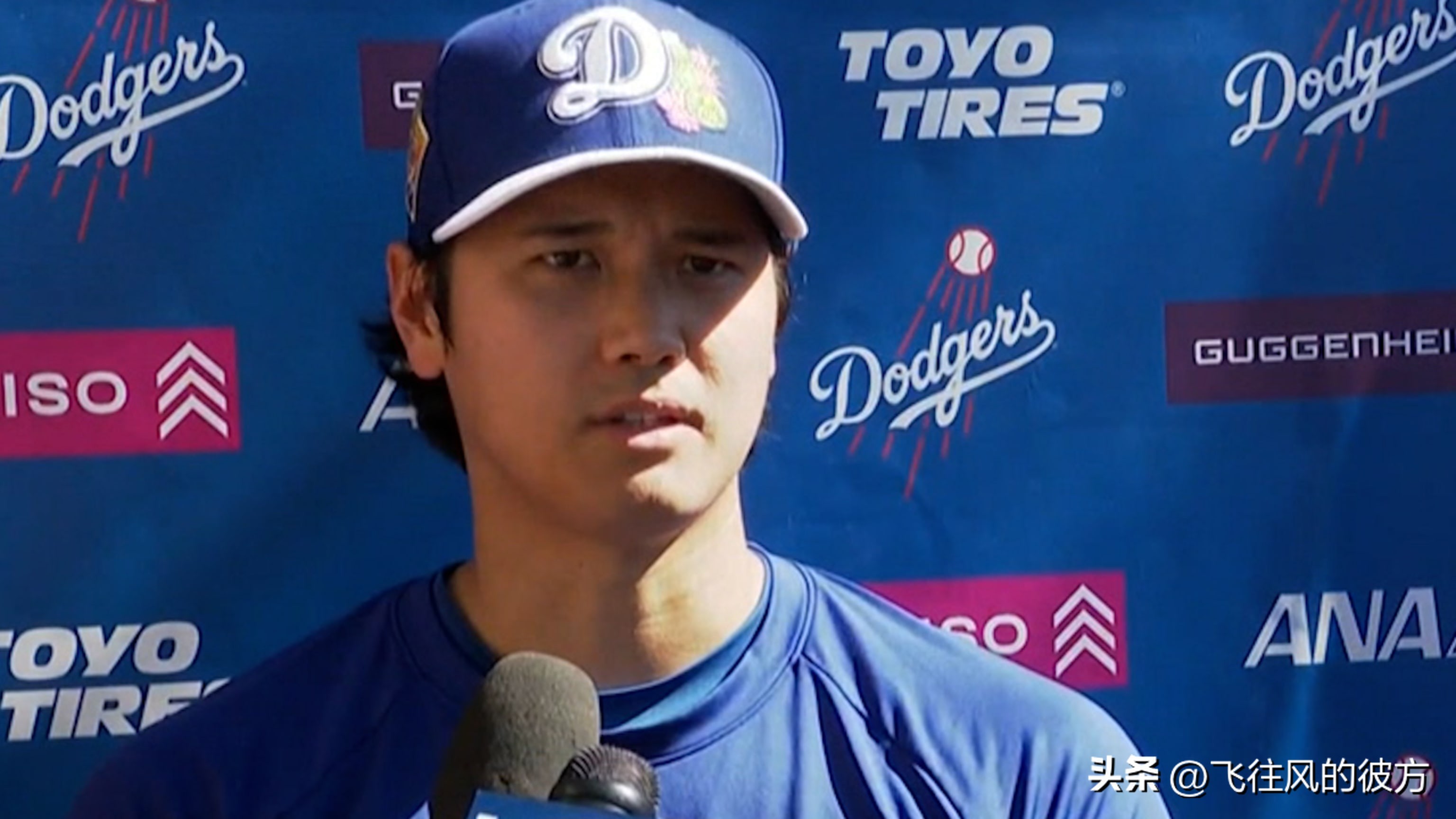
When this Japanese two-way star Shohei Ohtani was posed with the scenario, a mischievous grin appeared on his face.
It’s the bottom of the ninth in the World Baseball Classic championship game, with Japan’s Samurai team going head-to-head against the United States once more.
Although he and the Dodgers have agreed that he will participate only as a hitter in this event, can Shohei Ohtani hold back from volunteering to pitch?
“It’s hard to say,” Ohtani said today with translator Will Ireton by his side, “but if Mike Trout were on the field, that would be very tempting.”
Trout will not represent the U.S. this time, but Ohtani has experienced such moments before. In the 2023 Classic final, he closed the game on the mound, striking out his then-Angels teammate Trout with a thrilling final pitch to cap off an exciting tournament.
In that Classic where Japan won their third title, Ohtani competed as a full two-way player. Now entering his first full two-way season with the Dodgers, Ohtani is ramping up both pitching and hitting intensity this spring, but the team is carefully managing his condition in the right way—this is also why he won’t pitch in this tournament.
“He just had surgery and went through a full pitching season last October. To restart at that intensity so soon after surgery,” said baseball operations president Andrew Friedman earlier in spring training, “and obviously, we plan to play through October again this year. Ohtani will be an important part on the mound. Given that, and his desire to keep pitching for the next eight years, which we also support, we have to be very cautious considering all these factors.”
“So we sat down and talked with him. He understands. His competitive nature doesn’t like the decision, but he gets it.”
Last spring training, while Ohtani was recovering from his second major elbow surgery, the Dodgers deliberately separated his pitching and hitting workloads. On days he threw in the bullpen, his batting practice was reduced, and during the early-season Tokyo series, the team even paused his pitching progress.
This year, that separated workload approach isn’t feasible, as Ohtani is expected to join the Dodgers’ starting rotation after missing most of spring training. That led to a day like today, which head coach Dave Roberts said was Ohtani’s last workout before leaving for the Classic—starting with two simulated innings pitching, followed by his own batting practice.
After joining the Japanese team, he also needs to maintain a similar balance while increasing pitching intensity. Ohtani said he expects to do live batting practice or simulated games during the Classic, but he and the coaching staff are still finalizing details to ensure he’s ready to pitch on opening day.
“I will do my best to keep both quality and quantity at a good level,” Ohtani said. “With limited real-game opportunities, I can only do my best under those circumstances.”
Last year’s rehab experience might reassure the Dodgers. Ohtani went through a long bullpen throwing period in the first two months of the regular season, but before returning to major league games, he faced only three live batters. The team doesn’t want him to undergo the same gradual adjustment at the major league level again, but his past experience helps guide the process.
Another issue is the “temptation” for Ohtani to pitch in Classic games. The mutual understanding between Ohtani and the Dodgers forms the basis for how he is used as a two-way player. The team trusts he will prioritize both the club’s and his own best interests.
This balance is similar to that between the Dodgers and Yoshinobu Yamamoto. Yamamoto will be Japan’s ace in the Classic. The Dodgers want him to perform at his best for his country while ensuring he has enough energy for a deep postseason run.
“I think all of us need to be careful with pitching workloads, balancing short-term and long-term goals, and that’s what we’re doing,” head coach Roberts said. “As players, you just want to encourage them to be ready and then go out there and give it your all.”


Wonderfulshortvideo
practicing healthy communication at the ballpark 🫶


He's baaaaaack.
Cue the trumpets ... it's almost time to enjoy the Sho!
Baseball is back!
The guys show off their go-to pose for photos with their friends. 😂
It’s good to have you back, Alex. 💙
Yoshinobu showing off his new glove and matching cleats. 👀
 Links
Links
 Contact
Address:UNIT 1804 SOUTH BANK TOWER, 55 UPPER GROUND,LONDON ENGLAND SE1 9E
Number:+85259695367
E-mali:[email protected]
 App
App


