



Shohei Ohtani on injuries: Achieving 100% condition is difficult in professional play; Dodgers manager reveals pinch-hitting decision.



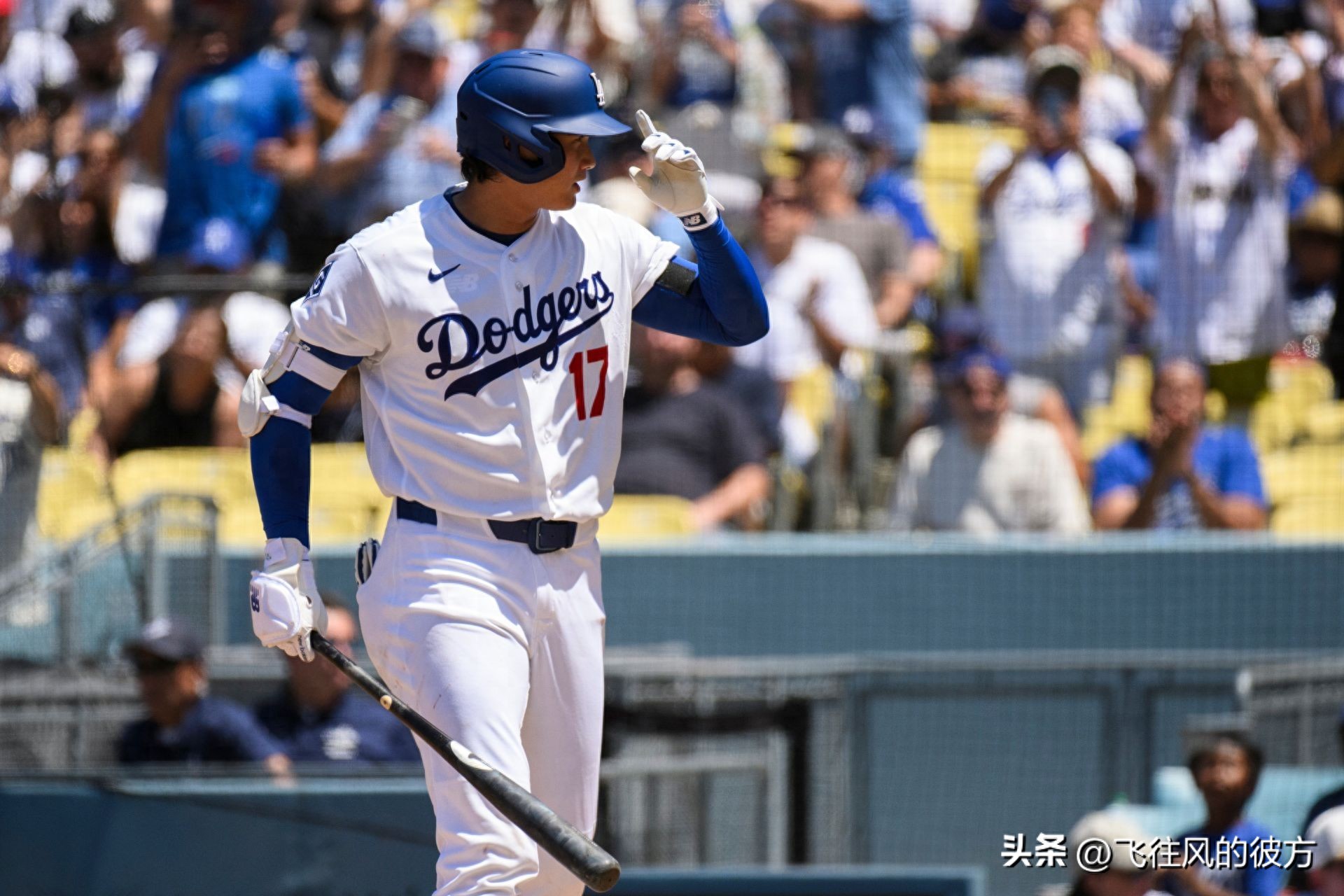
In today's home matchup with the Tampa Bay Rays, Shohei Ohtani of the Los Angeles Dodgers battled through a cut and bleeding finger plus left knee discomfort to throw six innings, giving up four runs and securing his seventh victory of the year. Ohtani later admitted that despite not being at his best physically, these issues are just part of competing at the professional level.
Ohtani's start to the season was dominant, but he has recently experienced some fluctuations. This marked the first time this season he allowed more than one earned run in consecutive starts. In this game, he pitched brilliantly through the first four innings, not allowing any runner to reach scoring position. However, he ran into trouble in the fifth inning, giving up five hits and four runs in that frame. Speaking through an interpreter after the game, Ohtani said, "That's part of the game. As a professional, it's hard to be at 100% all the time. I just take it as a challenge, and the most important thing is that we won this crucial game."
Regarding the fifth-inning collapse, Ohtani remained optimistic: "That inning was definitely not ideal, but aside from that, the quality of my pitches and my overall feel were actually quite good." Dodgers catcher Dalton Rushing also expressed confidence in his teammate: "We always expect Ohtani to pitch near-perfectly, and he expects that of himself too. But there's absolutely no need for concern at this point."
Another highlight of the game came in the sixth inning. After Freddie Freeman hit a two-run homer to give the Dodgers the lead, manager Dave Roberts made a bold move by removing the designated hitter and sending Ohtani, who had just finished his pitching duties, to pinch-hit for Miguel Rojas. Although Ohtani ultimately grounded out to shortstop, the moment he walked to the batter's box drew the loudest cheers and applause from the Dodger Stadium crowd. The stadium erupted, but in the end Ohtani was retired on a ground ball.
According to MLB rules, if a starting pitcher serves as a pinch hitter, the team loses its designated hitter. Roberts explained, "I discussed it with Ohtani before the game, and he said he felt comfortable stepping into the batter's box. If we had been in a stable lead, I might not have played that card, but regardless of the score, if he felt he could go in, I supported him."
In post-game interviews, Ohtani revealed that he only learned about the pinch-hit opportunity after his pitching stint ended. He said, "The coach told me when I was coming off the mound." Regarding his preparation, Ohtani commented, "I always stay ready whenever there's a chance to play. Even on days when I'm only pitching, I still do some batting preparation before the game, so I wasn't particularly nervous. I just stepped up to the plate like normal."
As for going to the plate almost immediately after leaving the mound, Ohtani laughed and said, "I barely did any extra preparation." He explained further: "Because I usually do fairly intensive swing warm-ups before the game anyway, my body was already warmed up." Although he ended up grounding out, Ohtani was satisfied with his at-bat. He said, "The overall attack strategy was solid. As for whether the ball would get through, you'd have to ask the ball itself. I felt it was a pretty good at-bat in terms of reaction."
As for why he chose to send Ohtani to pinch-hit in that situation, Roberts said he has always had full confidence in Ohtani's hitting ability and believed it was the right moment to make that move. Roberts said, "I thought, 'Let's play that card.' And we still had other pinch-hitting options like Max Muncy and Ryan Ward available later."


Wonderfulshortvideo
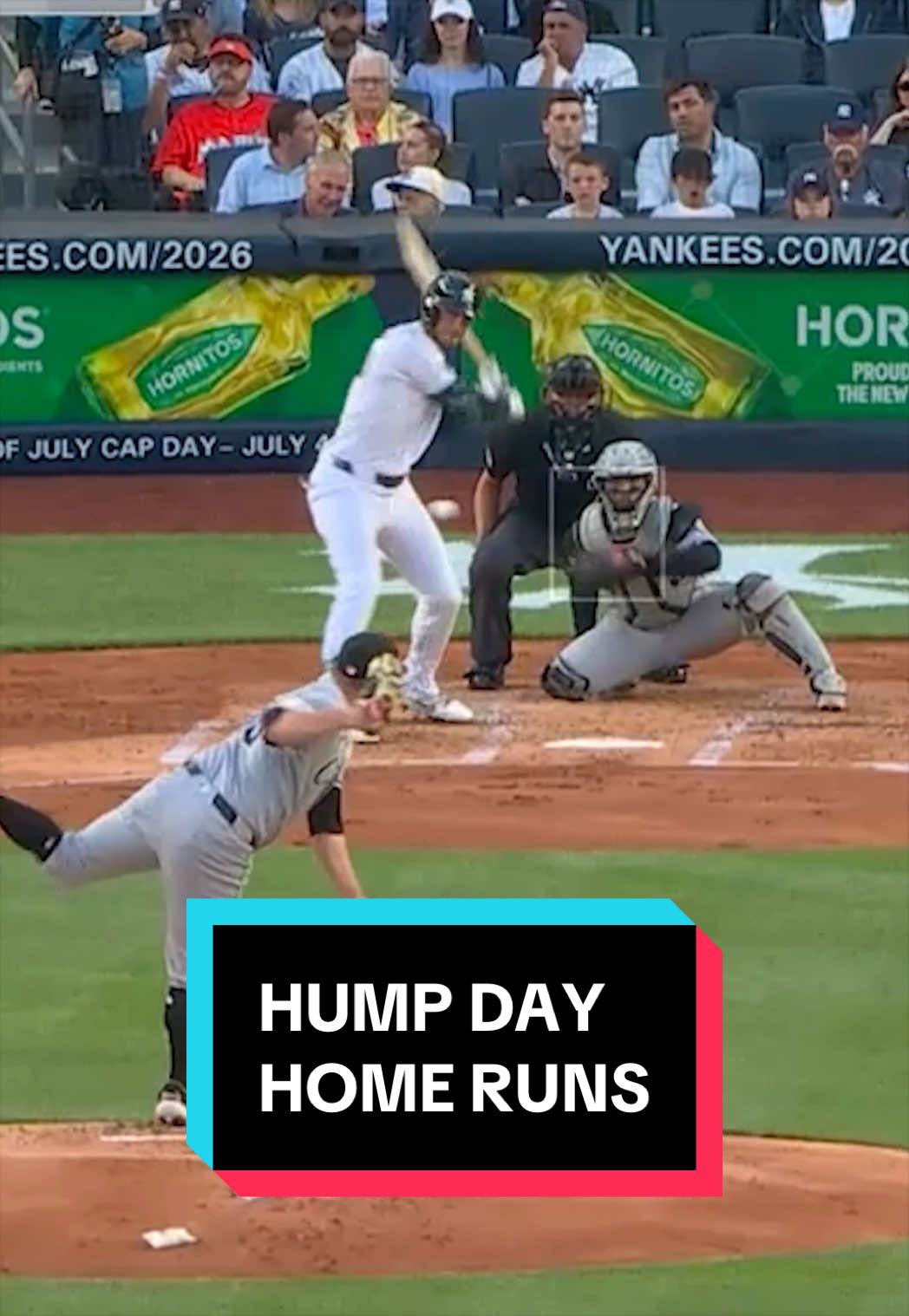
A lot of fans went home with souvenirs today ⚾


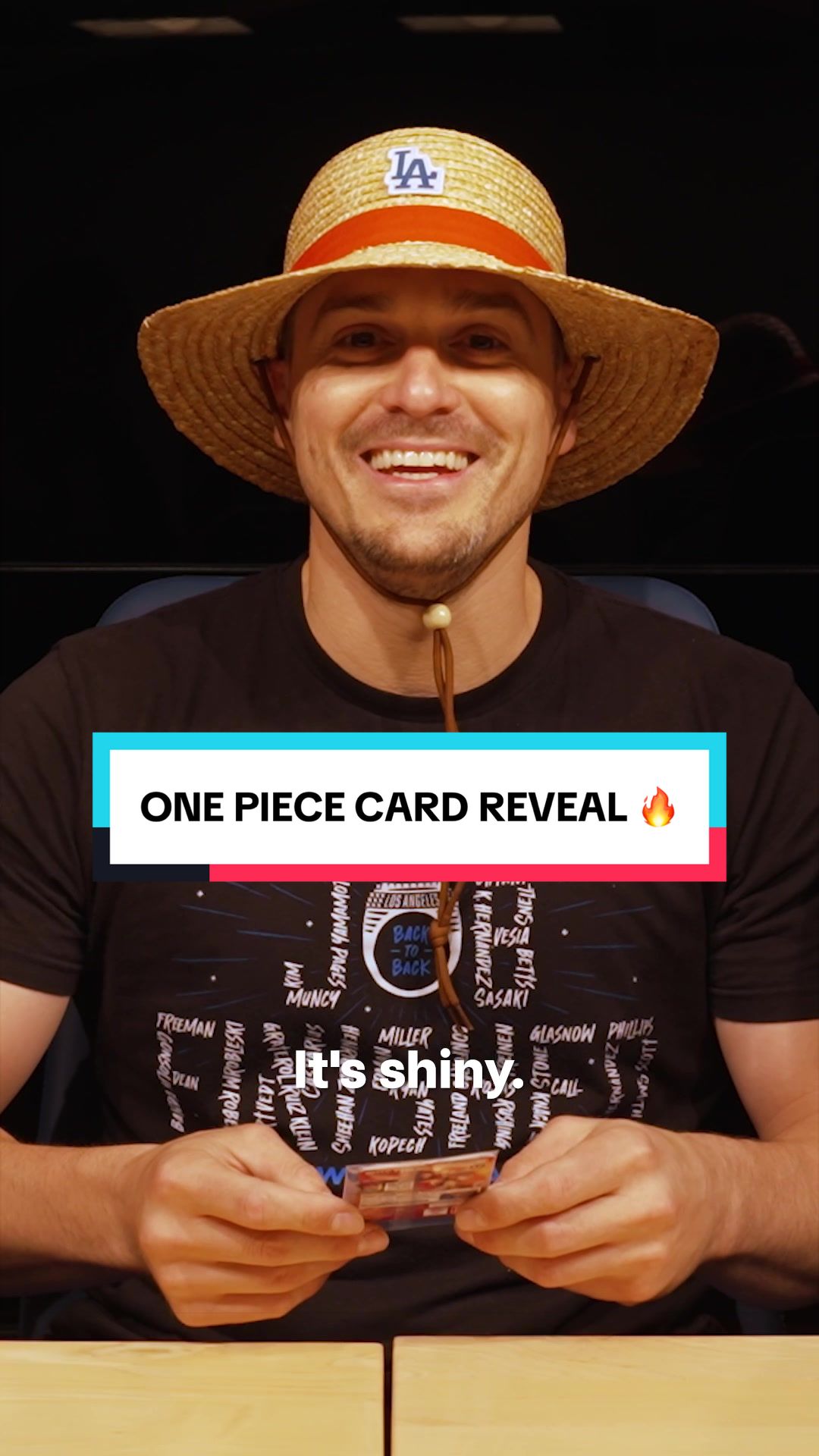
ONE PIECE Night card reveal with the guys. 👀
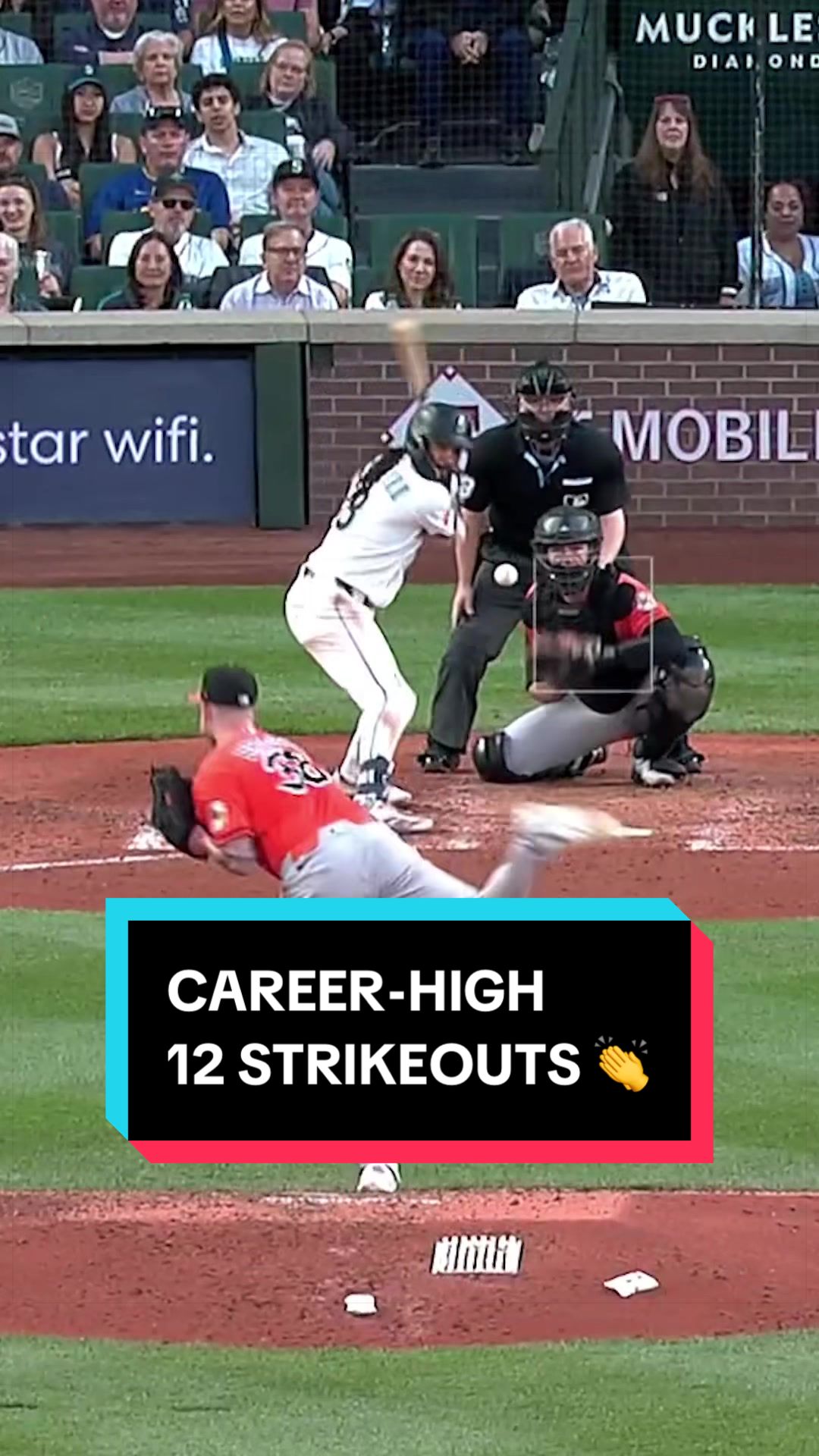
On pitch No. 100, Kyle Bradish sets a career high with his 12th strikeout!
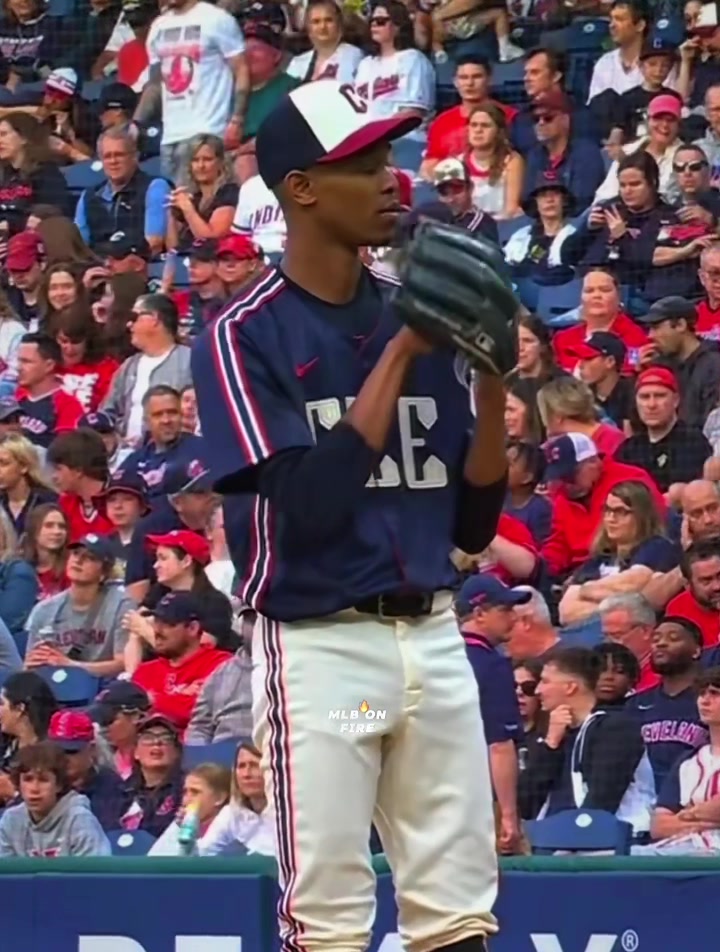
Uno de los mejores sin duda pero se desapareció de la nada 🤷🏻♂️🥲
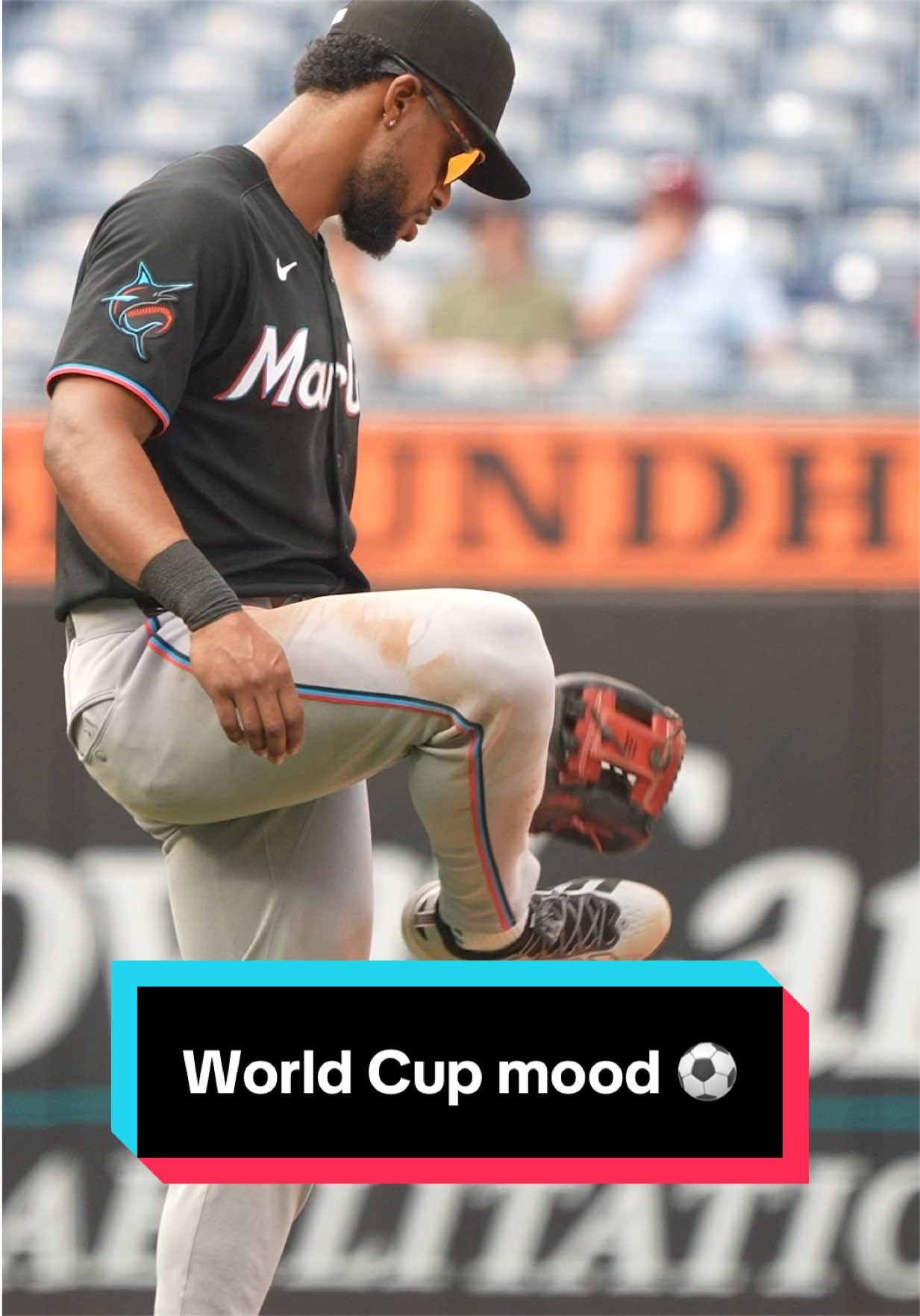
‘Tis the season! ⚽️
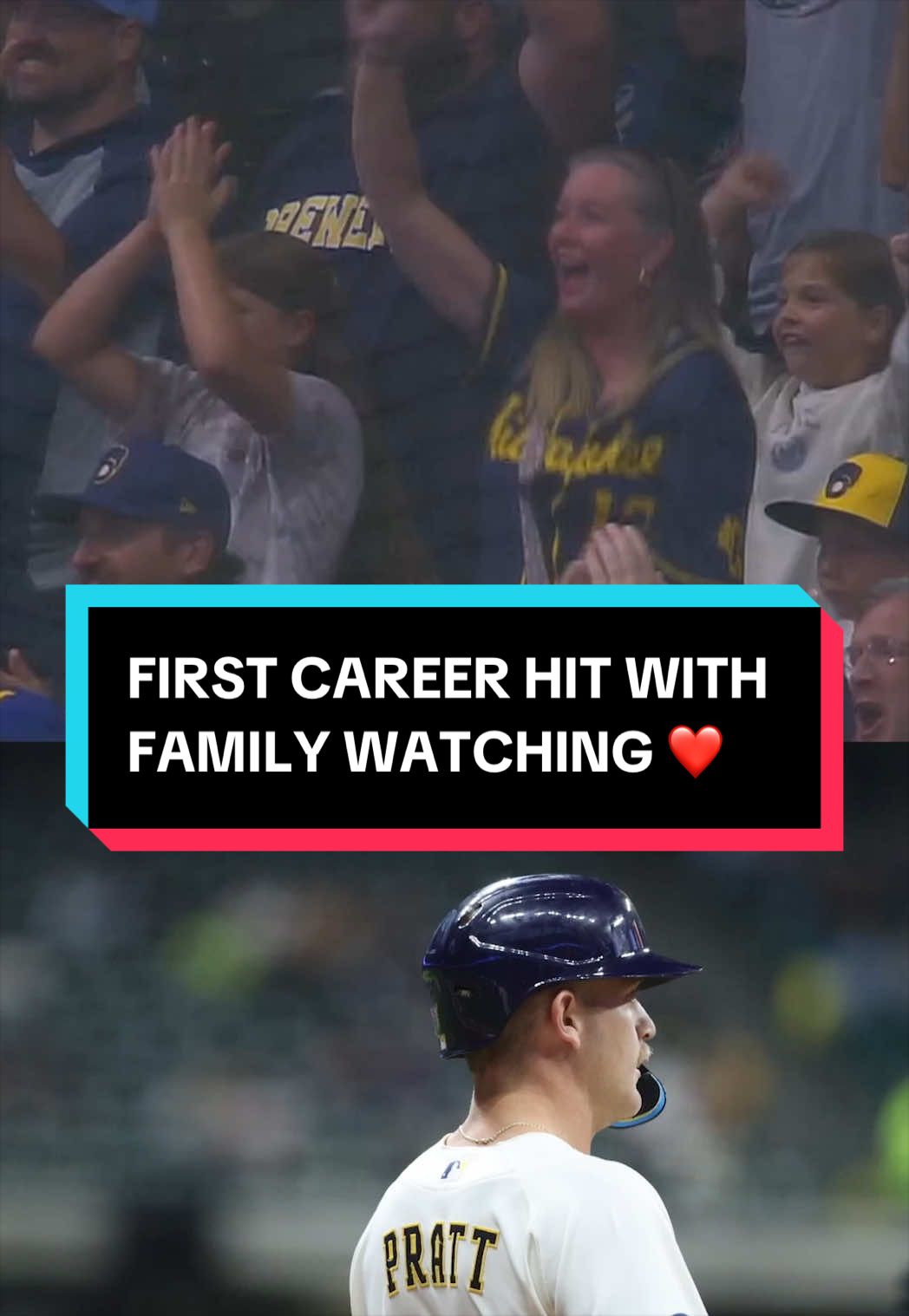
Cooper Pratt records his first MLB hit and his family is LOVING it 🥹
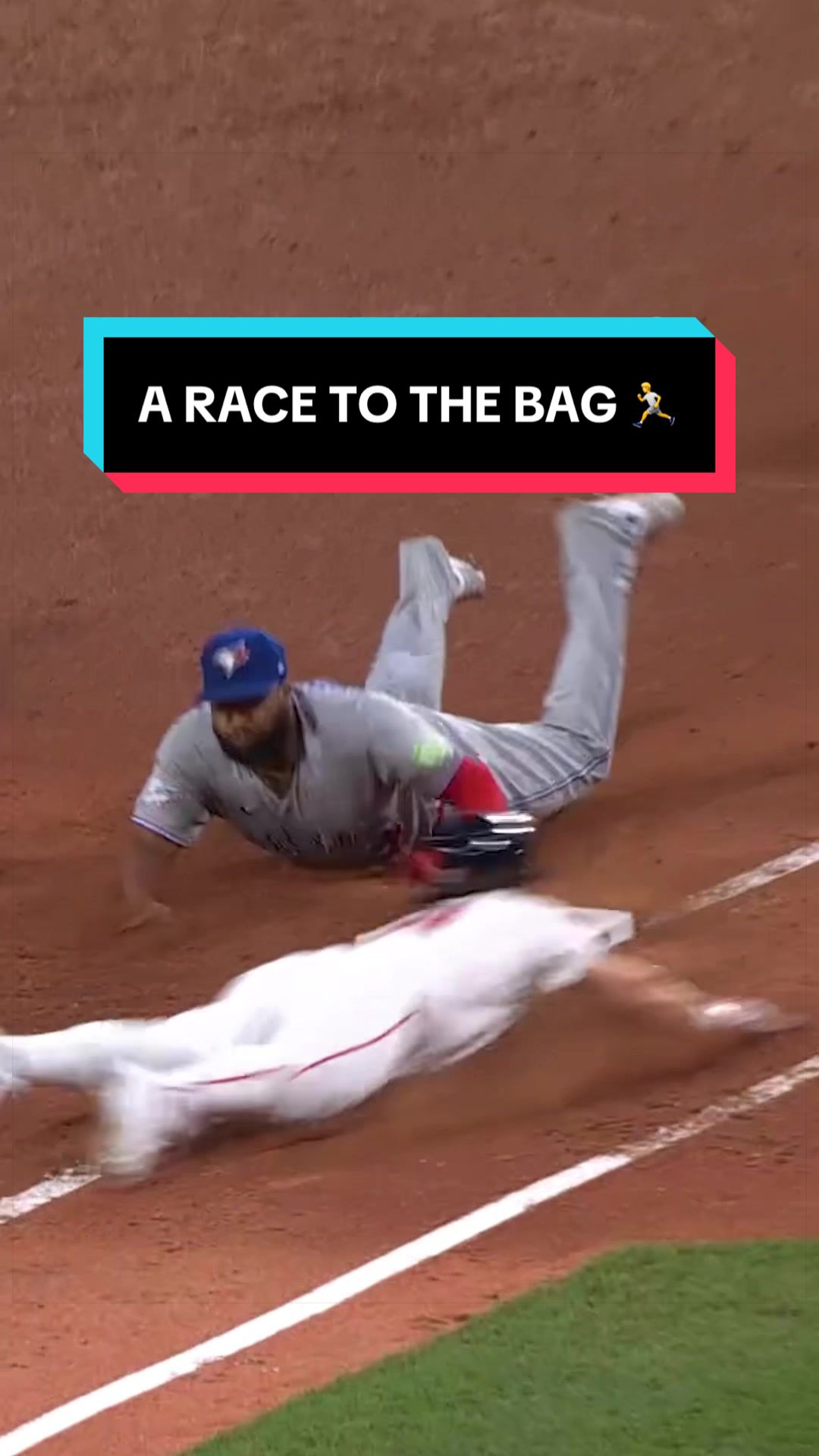
Vladdy wins 🏃
 Links
Links
 Contact
 App
App


