



After parting ways with the Clippers, Paul’s next move: ESPN analyzes six key questions — where will the 40-year-old veteran head next?



On December 5th Beijing time, 40-year-old point guard Chris Paul announced he was sent back from Atlanta to Los Angeles by his team, and soon after, the Clippers officially announced their separation. Paul had signed a one-year contract with the Clippers this July, returning to the team he spent six seasons with (2011-2017). Insider Shams revealed that in recent weeks, Paul had fallen into a cold war with head coach Tyronn Lue, and communication between them had ceased.
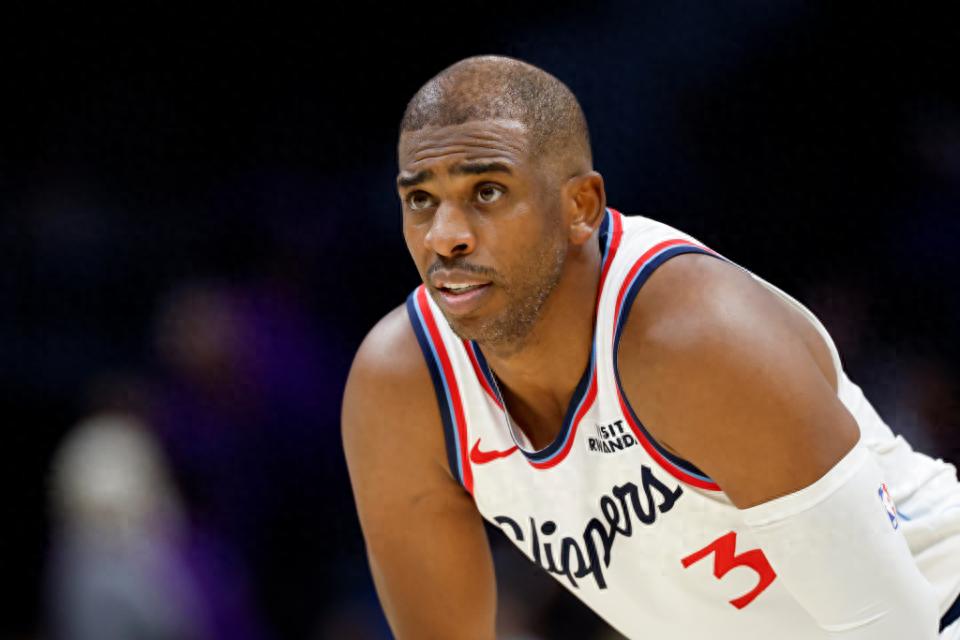

Last season, Paul started all 82 games for the Spurs. This season, he has appeared in 16 games for the Clippers, averaging only 14.3 minutes per game, contributing 2.9 points and 3.3 assists, while the Clippers currently hold a disappointing 6-16 record, stuck in a difficult situation.
The Clippers must wait until December 16th to trade Paul, but the team can also choose to waive him at an appropriate time and pay his full $3.6 million salary, or negotiate a buyout agreement.
Where will the team go from here? Which teams might be interested in acquiring Paul for the remainder of the season? Paul revealed in November that he plans to retire in 2026. If this is indeed the end of his career, how will his NBA legacy be remembered? ESPN breaks down six major questions related to this —
Why did the reunion in Los Angeles fail to meet expectations?
Both sides initially had high hopes, but this collaboration ultimately proved to be a poor fit.
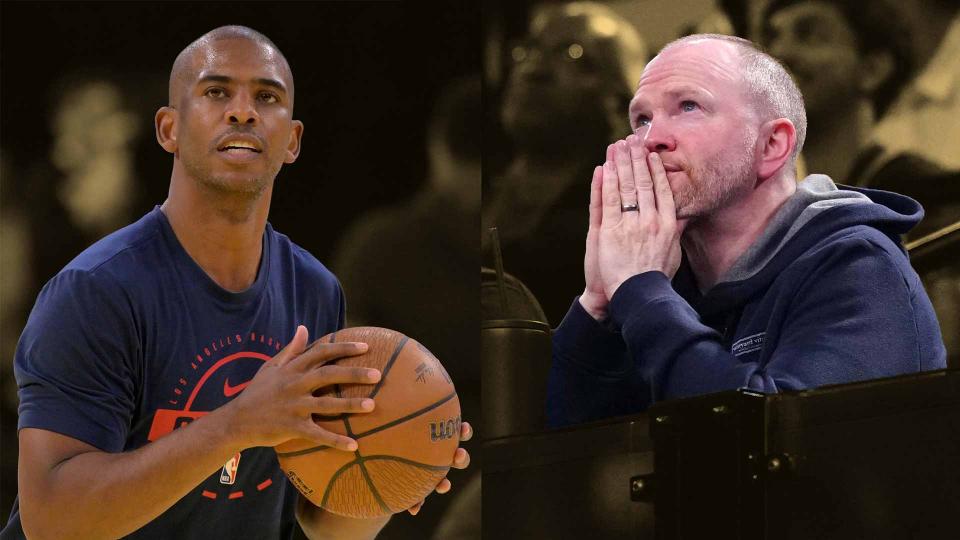
Clippers’ basketball operations president Frank made it clear that the team’s poor 14 losses in 16 games (before confirming the split with Paul) was not Paul’s fault. However, obviously, if the team had performed better overall and Paul’s individual form had improved slightly, the conflicts that led to the breakup might have been tolerated.
When signing Paul, the Clippers made it clear he would serve as a backup and might not feature in the rotation for some games. Paul was determined to stay in Los Angeles and finish his career with the Clippers. Last month, he went five consecutive games without playing, then appeared in eight straight games, but his minutes fluctuated. However, in this disastrous season, everything went off course.
Throughout his career, Paul has been an outspoken team leader and often labeled as “stubborn.” But the Clippers' decline to this point is not solely his fault. The roster is aging heavily, and the pace of play is slow. While the league trend favors accumulating young players and playing fast-paced offense and defense, the Clippers have stacked veterans excessively in pursuit of a playoff push.
Additionally, the two other core players acquired by the Clippers during the off-season, Beal and Brook Lopez, have both underperformed. Beal is out for the season, and Lopez has fallen out of the rotation. The team’s future adjustment direction remains unclear, but after only a few months of working with Paul, the Clippers have already decided to part ways.
How much playing ability does Paul still have?
This season, Paul has not received much playing time with the Clippers, which is quite surprising. During the 2024-25 season with the Spurs, he was one of only six players in the league to start all 82 games, averaging 7.4 assists per game, ranking seventh in the league. According to Cleaning the Glass, his plus-minus per 100 possessions was +9.0, better than 92% of players. At 39, though past his prime, he was still an above-average point guard and should have been an ideal backup for the Clippers.
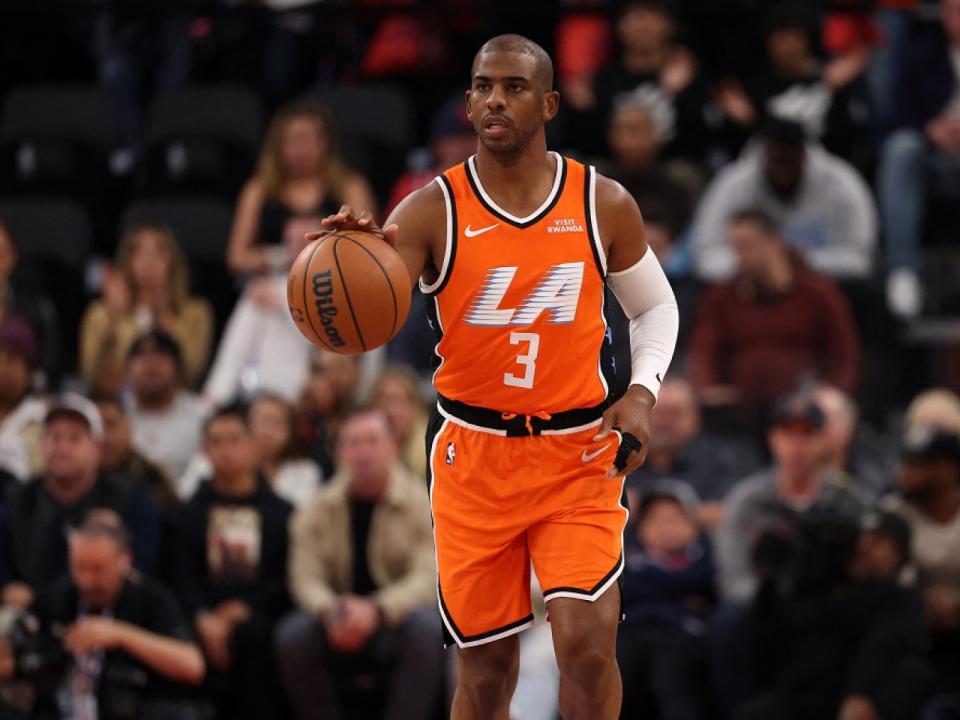
However, this season, within limited minutes, Paul’s performance has sharply declined. His shooting percentage is only 32%, and he has attempted just two free throws in 16 games. Among 296 players with at least 200 minutes played this season, Paul ranks 279th in player efficiency and 277th in plus-minus. The clearest sign is that Tyronn Lue seems to have lost confidence in Paul’s recovery — as the Clippers’ season worsened, Paul’s minutes were reduced.
This does not mean Paul has completely lost his competitiveness, but his early-season performance has been far from optimistic. Over recent years, his form has gradually declined, but at age 40, this drop has been sudden and severe.
Which teams might be potential destinations for Paul?
On paper, Paul’s former teams, the Suns and Rockets, seem like the best fits, but given this season’s realities, neither appears ideal. The Suns have exceeded expectations this season (13-9), with Gillespie and Goodwin excelling in the backcourt. Gillespie is averaging a career-high 13.3 points and 5.0 assists, scoring a combined 52 points in his last two starts. Although the Suns have roster spots available, signing Paul would push them further into luxury tax territory — they are already $402,000 over the threshold.
The Rockets face a similar situation; they cannot sign a 15th player until early January. Despite missing starting point guard VanVleet, Houston’s offensive efficiency ranks first in the league, though their turnover rate is 11th worst.
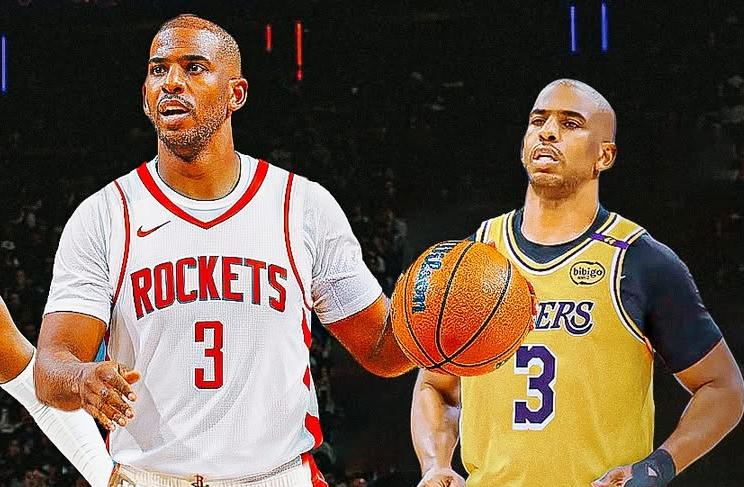
The Lakers also have roster spots open and could become Paul’s next team next month, but they cannot sign a 15th player until January 20th.
Besides these three teams, the Hawks, Celtics, Cavaliers, Nuggets, Heat, Timberwolves, Knicks, Magic, 76ers, and Raptors all have roster spots available. Among them, only the Hawks have not reached the luxury tax line. The Mavericks recently assigned two-way player Ryan Nembhard as point guard; if they want to sign Paul, they must free up a roster spot and are constrained by the secondary luxury tax line.
More roster spots are expected to open after January 8th, as teams must decide whether to keep or waive guaranteed contract players by then.
What other roster reinforcement options do the Clippers have?
The Clippers are currently in a “wait and see” mode. Paul’s $3.6 million contract is fully guaranteed, and he cannot be traded until December 16th (the start date for trading free agents during the season).
Although the team can waive Paul now (with $2.3 million counting against the salary cap), they are only about $1.3 million below the first luxury tax threshold, so they cannot immediately sign a replacement. Unless they make a separate trade to reduce salary further, the earliest they can add a new player is January 8th.
More importantly, the Clippers cannot have fewer than 14 players on the official roster for 14 consecutive days. For example, if they waive Paul before December 23rd, they would not meet the minimum roster size requirement.
Is there still a chance for the Clippers to turn the season around?
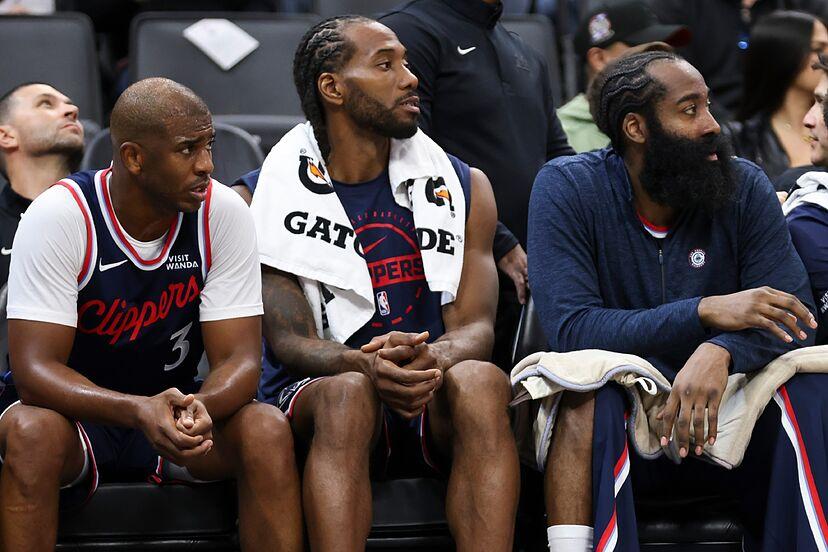
There are two reasons suggesting the Clippers’ current record may somewhat exaggerate their weaknesses: first, their 2-7 record in key games this season is likely to normalize as the season progresses; second, opponents’ current 39% three-point shooting percentage (second highest in the league) is unlikely to be sustained long term.
However, overall, the Clippers’ poor start is no accident. Their offensive efficiency ranks 19th, defensive efficiency 24th, and net efficiency 23rd in the league. Although Leonard has missed 10 games, the team is 4-8 with him and 2-8 without him — a marginal difference. Additionally, the other two core players, Harden and Zubac, have missed only one game combined.
Currently, the Clippers trail the 10th place Western Conference team by 3 games and the 8th place by 5 games. This means that even in the best scenario, they must win two play-in games to make the playoffs, and if they advance, they will face the league powerhouse Thunder in the first round.
If no team picks him up, how will Paul’s NBA legacy be defined?
Paul’s career has spanned many pivotal NBA moments, making his legacy hard to sum up in a few words: his rookie season saw the New Orleans Hornets temporarily relocate to Oklahoma City due to Hurricane Katrina; the vetoed trade to the Lakers by then-Hornets interim owner and NBA commissioner David Stern; later joining the Clippers to form the “Lob City” trio with Griffin and Jordan;
During his time with the Clippers, he witnessed the team owner Sterling’s lifetime ban due to racist remarks; in 2020, he led the effort to restart the NBA bubble; as the players’ union president, he has made significant contributions to player rights. Paul’s story goes far beyond this, and he has started exploring media work, possibly to tell these stories firsthand in the future.
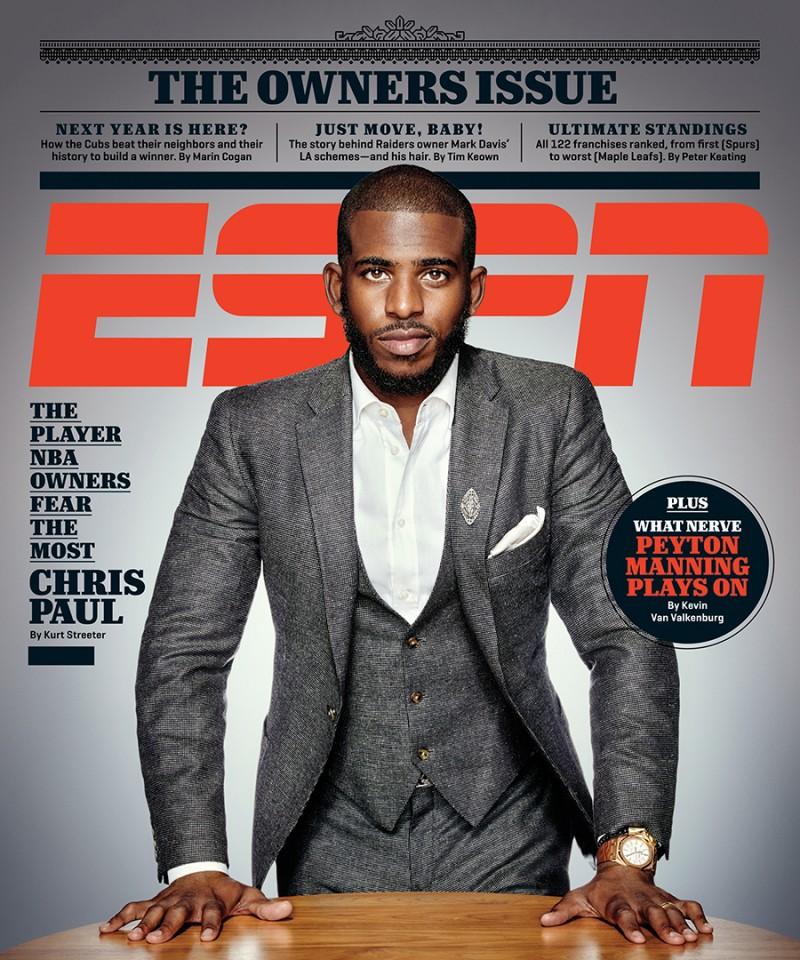
On the court, his historical role may be as the “last traditional point guard.” At his peak, he was hailed as the “point guard god,” mastering position control, game tempo management, and dazzling stats that conquered the league.
But basketball style has dramatically changed in recent years: core point guard skills have spread across all positions. Centers like Jokic and forwards like Doncic can control games like Paul; last season’s MVP Alexander, who considers Paul a mentor, plays as a scoring and playmaking combo guard. Paul represents the Stockton, Isaiah Thomas, Kidd lineage of traditional point guards, with career assists second only to Stockton’s. Among players 1.83 meters and under, he leads all-time in assists, steals, and rebounds.


Wonderfulshortvideo
LeBron’s Dunk had the crowd noise break the MIC


Wemby is COOKING with the new look 🎯
What a play by the rook 🐝
Some @New York Knicks legends are courtside tonight 🔥
This is wholesome 🥹
Jaylen Brown is on a tear tonight 🤯
Jaylen Brown is having himself a half ☘️
 Links
Links
 Contact
Address:UNIT 1804 SOUTH BANK TOWER, 55 UPPER GROUND,LONDON ENGLAND SE1 9E
Number:+85259695367
E-mali:[email protected]
 App
App


