



Yang Hansen’s chance has arrived! It now depends on whether he can make the most of it!


Since Yang Hansen joined the NBA, we have frequently seen complaints from fans and the media.
These include but are not limited to:
"No opportunities!", "Poor development!", "Splitt lacks coaching skills"...
This simple wish for a rising star eventually meets the cold law of survival:
Here, no mercy is given to the weak; only strength is respected.
When you complain about Splitt, have you ever considered this:
If he gives Yang Hansen a chance, then who gives him a chance?
An interim head coach must earn a permanent role by winning games.
If I were in his position, I would also hesitate to trust a rookie, especially since Yang Hansen’s defense is indeed poor.
When the team has a chance to win, Yang Hansen often gets DNP (Did Not Play).
However, after playing 23 games with the Trail Blazers, a turning point appeared:
The Trail Blazers’ initial three strategies have been exhausted, and they have started losing.
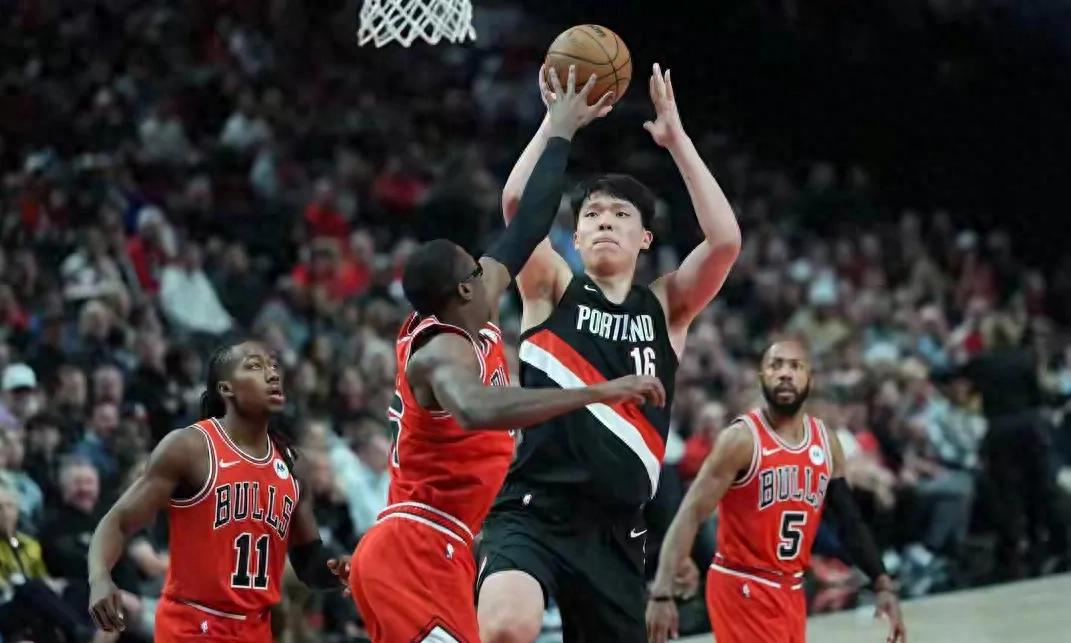
Although they are the only team this season to hand the defending champions, the Thunder, a loss.
Recently, the Trail Blazers have lost 4 of their last 5 games and 9 of their last 12.
You’ll notice many games are evenly matched, but they fail to close out in the final moments, largely due to the team’s style and the star players’ level.
I remember at the start of the season saying that the Trail Blazers’ highly physical, athletic style would likely cause problems later on: injuries.
And here it is!
Their top interior workhorse, Klingen, is injured.
As for Lowry, he has always been injury-prone, frequently playing sporadically, with fewer than 30 games over the past two seasons combined.
In other words: Yang Hansen’s opportunity has arrived.
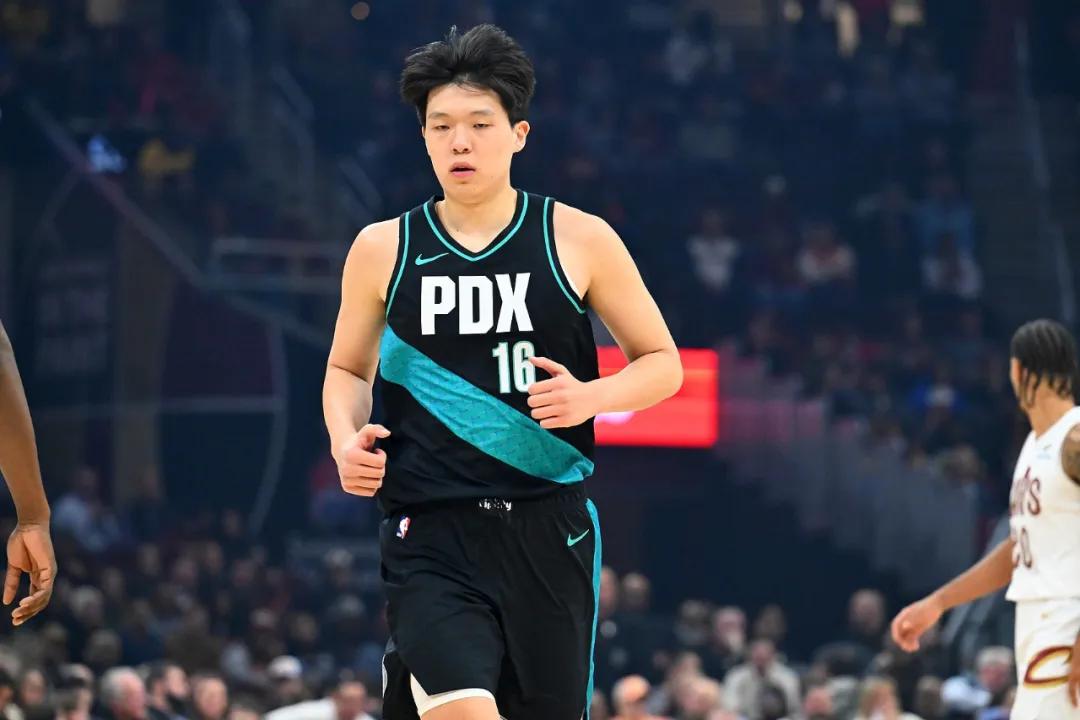
Team injuries are one of the reasons.
When a team sees little hope, it often adjusts its season strategy:
Giving up, developing young players, and aiming for a good draft pick.
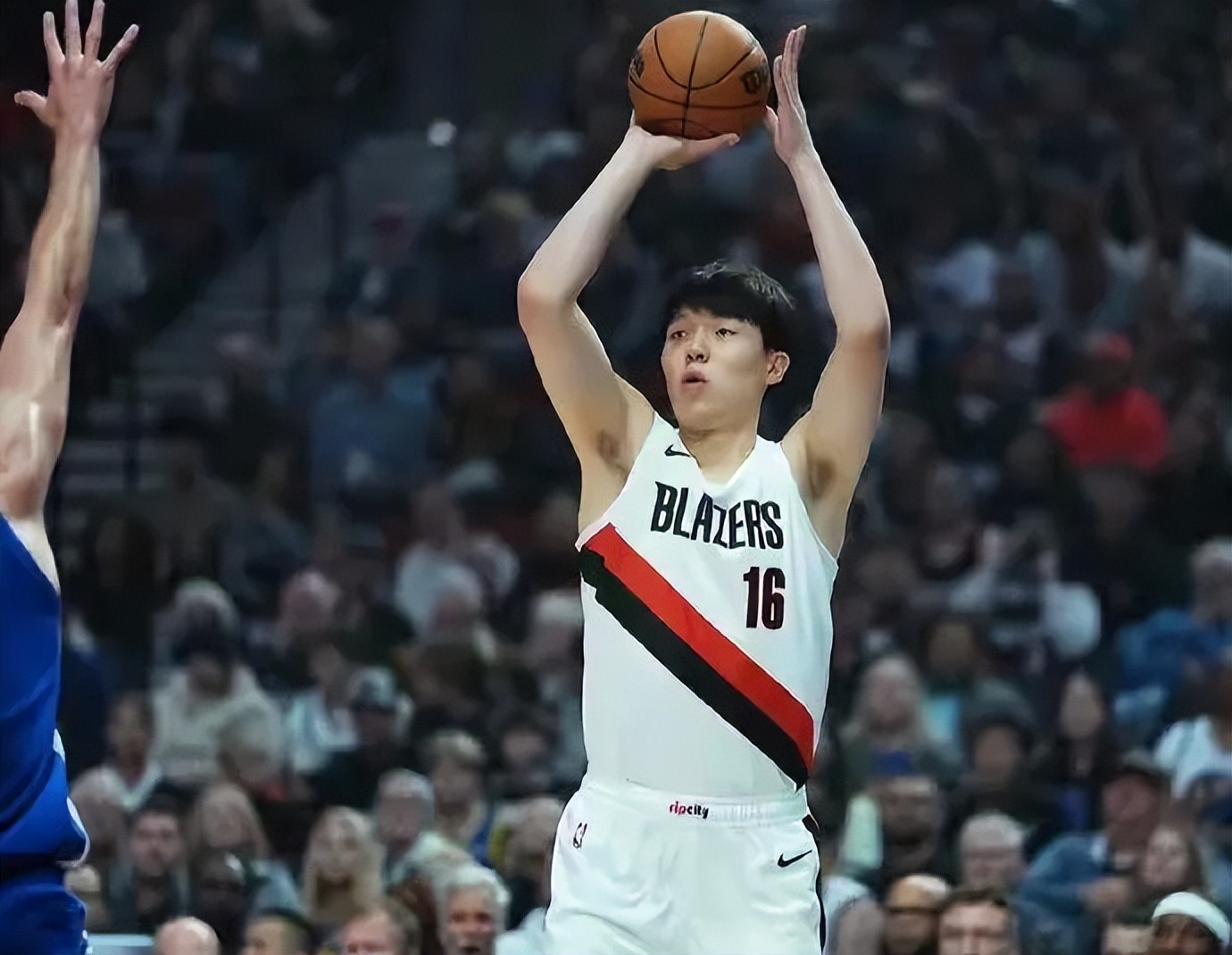
Just recently, after playing a strong game in the G League (20 points, 7 rebounds, 7 assists, 2 steals, 2 blockswith 2 of 6 three-pointers and 3 of 4 free throws, showing impact on both ends), he was urgently called up to be on standby for the game against the Grizzlies to address the shortage in interior rotation.
Originally, the plan was for him to play several more games in the G League to build confidence through strong performances.
However, an unexpected injury led to the team’s call-up.
If not for Klingen’s injury, Yang Hansen was supposed to play at least three more G League games.
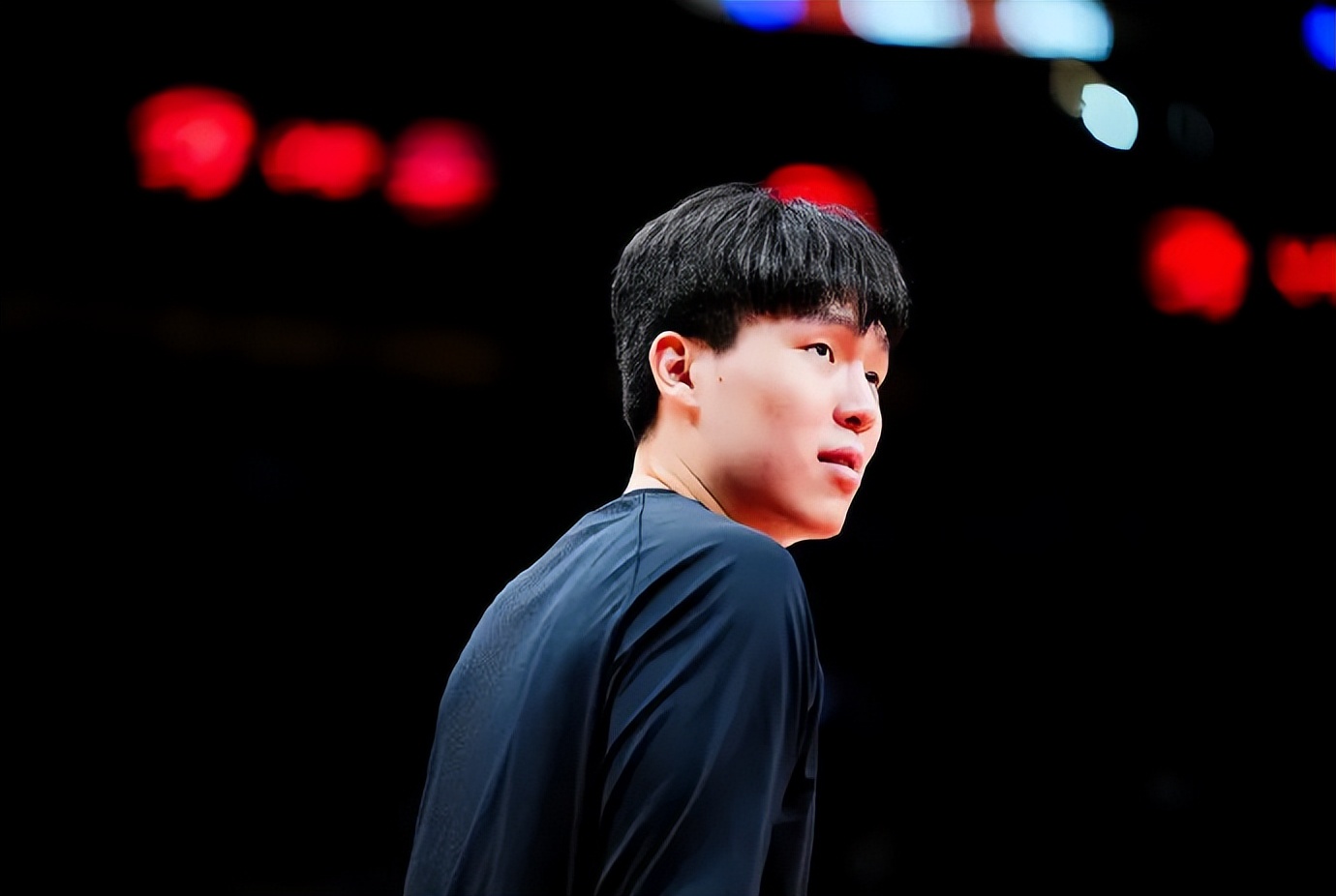
Having watched the NBA for years, we’ve seen many players seize opportunities after teammates get injured.
Often, ability is just one part of the equation.
Opportunity is crucial; perform well in a few games, and you’re in.
A classic example is Jeremy Lin, who exploded during the Knicks’ injury crisis in 2012, sparking “Linsanity” and rising from the fringes to NBA stardom.
This phenomenon reflects the brutal reality of competitive sports.
So, I don’t understand those who complain about Yang Hansen’s travel burdens after being called up. In the NBA’s harsh environment, this is actually a blessing—an opportunity given by fate.
Many G League players spend their entire careers striving for this chance to enter the league.
Klingen’s injury opened a rotation spot for Yang Hansen, but whether he can seize it depends on himself.
If Yang Hansen can shine and earn the coach’s trust for even 10 minutes of playtime,
stabilize defense and show flashes of brilliance, proving his reliability to the coaching staff, then I predict: before the trade deadline, the Trail Blazers will trade Lowry.
A classic line from “Pegasus Life 2” by Zhang Chi flashes through my mind again:
“I’ve tried countless times; opportunities only come once or twice.”
May Yang Hansen cherish this opportunity.


Wonderfulshortvideo
@Dwyane Wade gives his Knockout Round predictions for the


🏆 This Heat defense is EVERYWHERE 🔒🏆
🏆The Heat came out on FIRE with a 13-0 run 🔥🏆
🏆 This was amazing 🥹 🏆
🏆 Bam Adebayo is STRONG 💪 🏆
Squad came ready for the Kendama Challenge 👏
🏆The Knicks are advancing to the @Emirates NBA Cup Semifinals 🎟️🏆
 Links
Links
 Contact
Address:UNIT 1804 SOUTH BANK TOWER, 55 UPPER GROUND,LONDON ENGLAND SE1 9E
Number:+85259695367
E-mali:[email protected]
 App
App


