



So young, yet already on a downward path.



A player who played 35 minutes, scored 18 points with 3 rebounds, 6 assists, and 2 steals, hitting all shots inside but missing every outside attempt, might earn a decent review. But what if I told you he missed 11 three-pointers?
The Cavaliers’ victory over the Wizards was a rollercoaster. Against the league’s bottom-ranked Wizards, they fell behind by 17 points in the third quarter. However, the fourth quarter saw a turnaround as the Cavaliers outscored the Wizards by 19 points, narrowly securing the win.
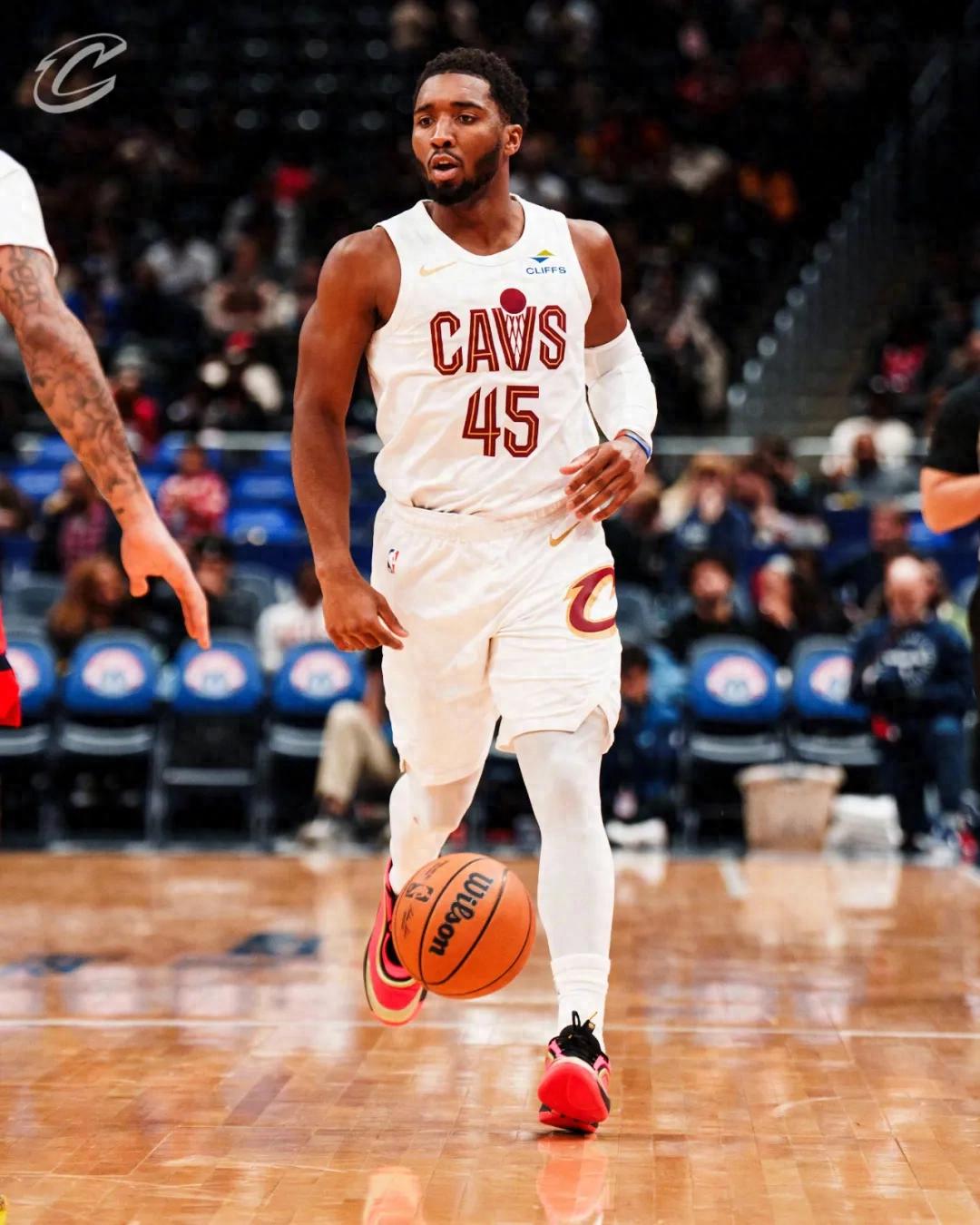
In the final quarter, the Wizards scored 26 points, while Mitchell alone poured in 24 points, hitting four three-pointers in that period. Mitchell exploded for 48 points in the entire game. If the Cavaliers need Mitchell to perform like this to beat the Wizards, it shows just how poor the team really is.
To some extent, it was the backcourt partner Garland who pushed Mitchell to his peak form. Today, Garland shot 6 for 17 to score 18 points, making all six attempts inside the arc but missing all 11 three-point shots, a truly astonishing performance.
He missed 10 three-pointers in the first half alone, and the more he missed, the more he kept shooting, becoming increasingly reckless. In the second half, he gradually changed his approach, using his speed to attack inside with floaters and layups, all of which he made. This made people wonder, "Why didn’t you do this earlier?"
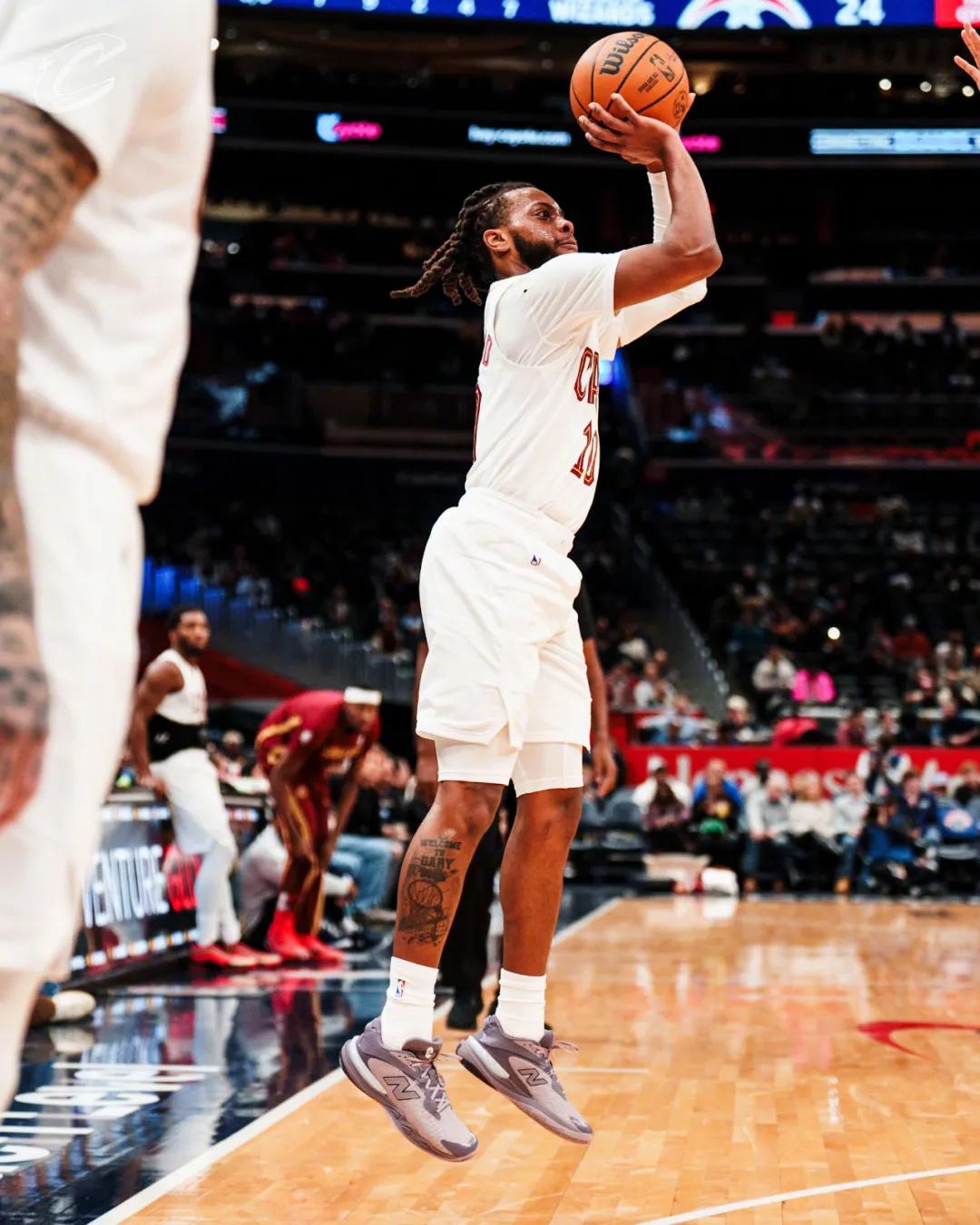
In the NBA, it’s rare to see someone go 0 for 11 from three-point range. Usually, players stop forcing shots when they’re cold, but Garland is one of those stubborn guys who just keeps firing. His poor form isn’t limited to this game; in the last three games, he’s averaged 13.7 points, 3.3 rebounds, 4.7 assists, and 1.3 steals, shooting 31.1% overall and just 8% from beyond the arc, with a true shooting percentage of 40.1%.
This season, Garland has been inconsistent, playing only 10 games so far. In none of those games has he shot above 50%. His average of 14.4 points is close to his rookie season output, but his efficiency has dropped sharply, with a career-low field goal percentage of 35.3% and a three-point percentage that fell to 26.6% after today’s game.

His defense has always been subpar, and combined with his current offensive struggles, Garland is struggling to have a positive impact on the court. Not only is he underperforming, but he’s also fragile. He missed crucial playoff games last year due to toe surgery and has been recovering through the offseason, missing early regular-season games.
After returning for three games, he reinjured the big toe that had surgery and missed another five games. His performance since coming back has been poor, raising doubts about whether his toe has fully healed.
The Cavaliers, who led the Eastern Conference comfortably last season, have fallen to the play-in zone this year, directly linked to Garland’s form. Since trading Jerome, Garland’s irreplaceable role has grown, but he is currently experiencing the worst stretch of his career.
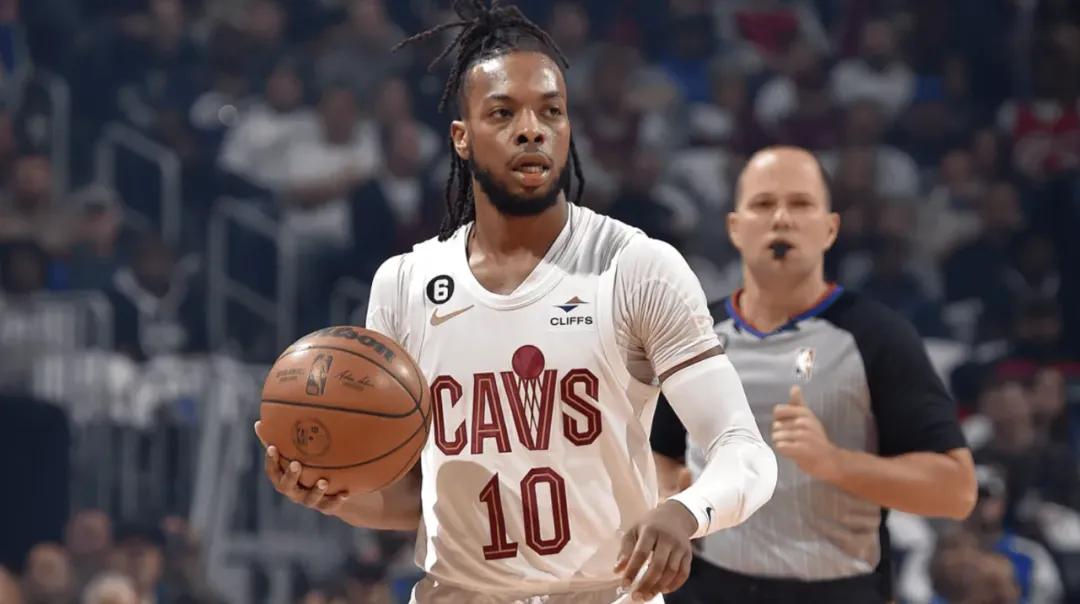
This Cavaliers team now has almost no margin for error and little room to improve the roster. Their core consists of Mitchell, Mobley, and Garland—all max contract players. Along with Hunter and Allen, their combined salaries exceed $170 million, making them the highest-paid starting lineup in the league.
With this roster, the Cavaliers face the league’s highest luxury tax bill of $150 million. Garland has long been considered a potential trade candidate but hasn’t found a buyer. After a game where he went 0 for 11 on threes, he’s even harder to move. This season he’s earning nearly $40 million, with salaries of $42.17 million and $44.89 million in the next two seasons.

Garland’s issues aren’t the Cavaliers’ biggest problem. Mobley’s five-year, $269 million contract kicks in this season. From 2026-27 onward, he’ll earn over $50 million annually, peaking at $61.24 million in 2028-29. Yet Mobley seems unable to improve offensively; despite more usage this season, he’s still putting up 18+9 numbers with declining efficiency.
Maybe when we look back in a few years, the Cavaliers’ best and only real championship window was last season. They were the only Eastern team to beat the Thunder in the regular season (excluding the NBA Cup). In the playoffs, Garland’s injury was part of the problem, but more importantly, the team played too soft, relying almost solely on Mitchell.

Regardless of the final outcome, who would have expected them to lose a seven-game series to the Pacers? Even down 0-2, many still believed the Cavaliers could come back. But the team that cruised through the regular season looked like a completely different squad in the playoffs, with no other player besides Mitchell stepping up.
This shows that the playoffs are the true test of a star’s caliber. Mitchell has proven countless times he can handle tough battles, but the rest of the Cavaliers have yet to prove themselves, especially Garland.
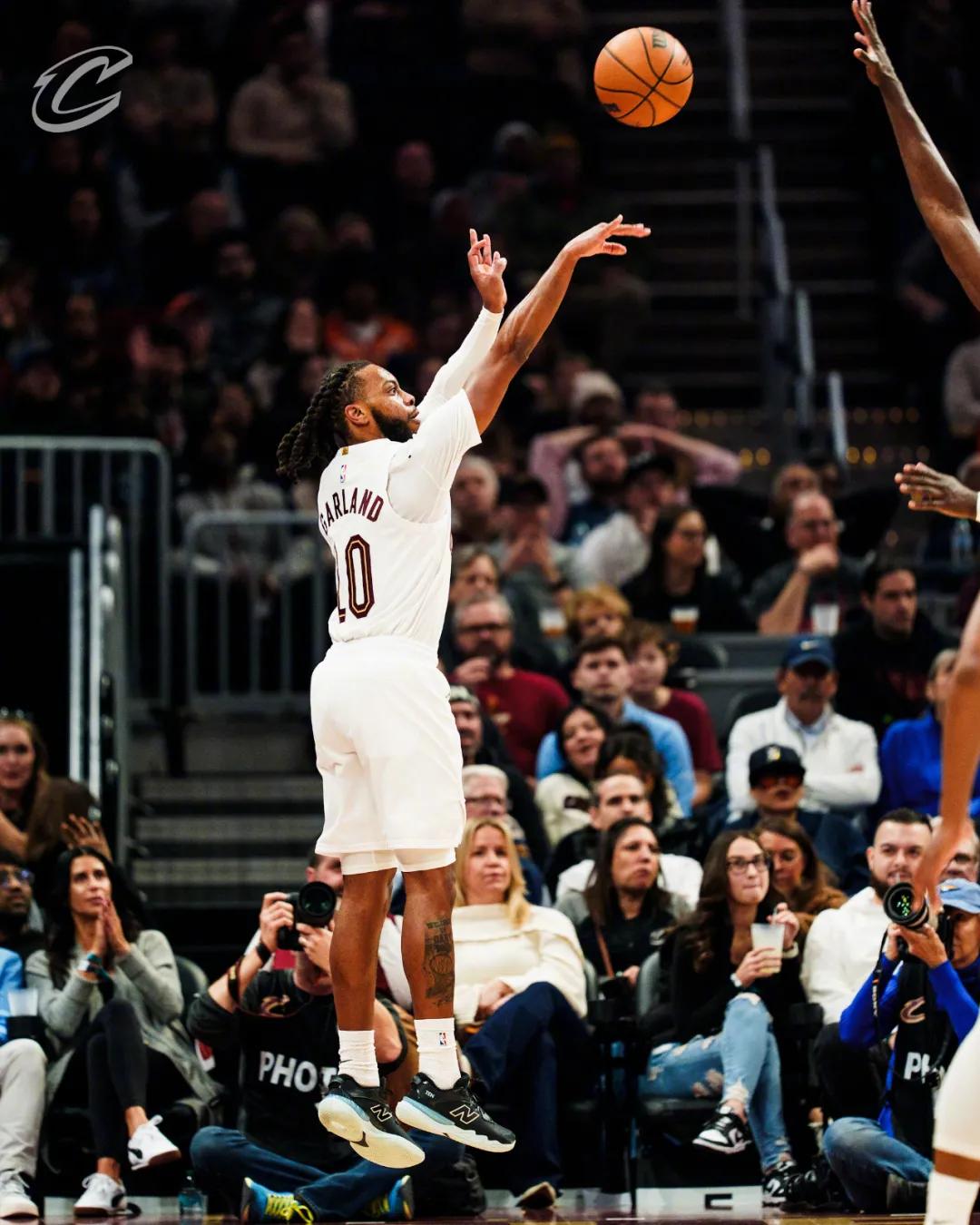
Garland, still a post-2000 generation player at just 25 years old, has already started to decline. Hopefully, this is just due to his lingering toe injury; otherwise, the Cavaliers’ rise might truly be just a brief flash in the pan.


Wonderfulshortvideo
Welcome back chef 🙌


Ja ELEVATED for this block 😱
Steph’s touch on this floater 😳
How do you guard this? 🤮
“Morant magic!”
Embiid beats the buzzer with a three 🔥
What a wild sequence in Dallas 😱
 Links
Links
 Contact
Address:UNIT 1804 SOUTH BANK TOWER, 55 UPPER GROUND,LONDON ENGLAND SE1 9E
Number:+85259695367
E-mali:[email protected]
 App
App


