



Mixing Head Coach: Yang Hansen's rebounding has improved compared to before, and his English has progressed significantly since the Summer League.


On January 17th Beijing time, the G League continued with the Torn City Mixers defeating the Oklahoma Blue 127-111. Yang Hansen shot 3 of 6 from the field, made all 4 free throws, and recorded 14 points, 17 rebounds, 2 assists, and 2 blocks, along with 3 turnovers and 5 fouls. His rebound total set a new career high in the G League. After the game, the Mixers' head coach spoke about Yang Hansen in an interview.
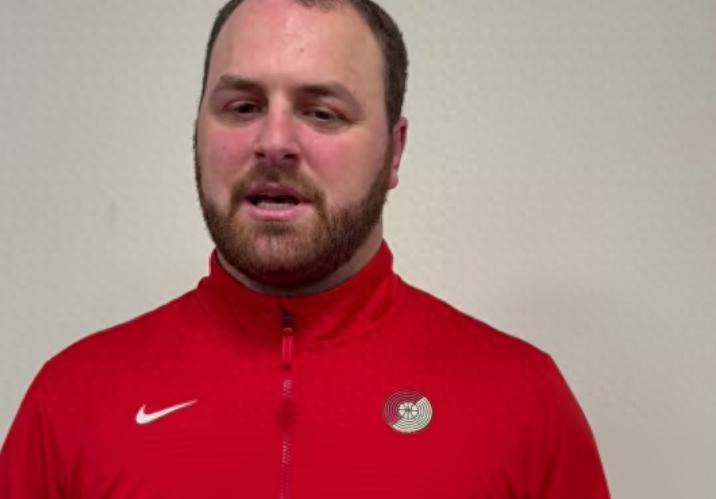
The head coach said: "I think the guy (referring to Yang Hansen) has been really great. He is our anchor on both offense and defense, protecting the rim. We put him in different matchups, and he did very well, with some blocks. His rebounding is better than before, which I think is really important. He has become the focal point of our offense; tonight he mostly played outside, but I believe he performed extremely well."
A reporter asked the coach how Yang Hansen's recent two G League games differ from his first five games in the league.
“I think he feels more comfortable with his teammates now. Everyone likes him, and he enjoys playing with the team. Whenever I ask him, he really enjoys it and knows we have opened our arms to him. I guess it’s like when you hang out with someone for the first time, by the fifth or sixth time, you understand them better, know their tendencies, what they like and dislike. So, I think he feels more at ease staying with the team.”
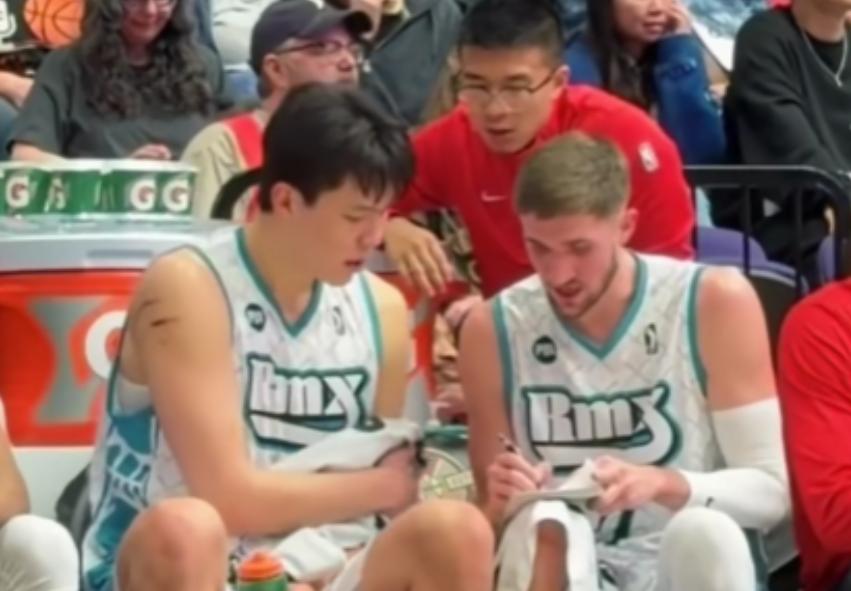
Today, Yang Hansen was also seen communicating with teammates on the sidelines. Many people are curious about his progress in English, and the Mixers' head coach shared his thoughts: “Back in the Summer League, maybe 95% of his communication relied on Chris (the translator), but now I’d say it’s about 50-50. His English has improved a lot. I always say it’s much better than our second or third languages. You’re not sitting at a table in a quiet environment; this is an emotional sport, and now you speak in a different language and try to understand in another language. So it’s much better now. Communication isn’t just about talking; it can also be through gestures and non-verbal cues.”


Wonderfulshortvideo
Listen as the crowd roars at the sight of Tatum’s first run out this season! 🤩


Tatum gets the putback ➡️ three as his first and second buckets back since returning 🔥 🔥 🔥
Still not over this JT slam from last season 🤯
Featuring his pregame ritual 🙏
JT is back 💚
This was too smooth 😮💨
It has begun… 🫡
 Links
Links
 Contact
Address:UNIT 1804 SOUTH BANK TOWER, 55 UPPER GROUND,LONDON ENGLAND SE1 9E
Number:+85259695367
E-mali:[email protected]
 App
App


