



The Warriors have become Zion's top favorite destination! A US reporter reveals a 4-for-1 trade proposal: sending Kuminga to the Pelicans



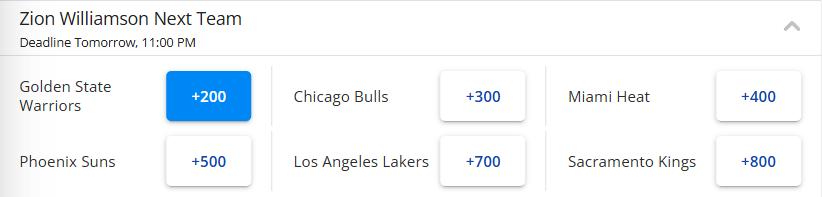
On January 18th Beijing time, the latest odds for Zion's next team were released, with the Warriors leading the list as the top favorite destination for the Pelicans star. The current top six odds for Zion's next team are Warriors, Bulls, Heat, Suns, Lakers, and Kings, respectively. Following this, US reporter James Piercey shared a 4-for-1 trade plan, calling it a win-win deal.
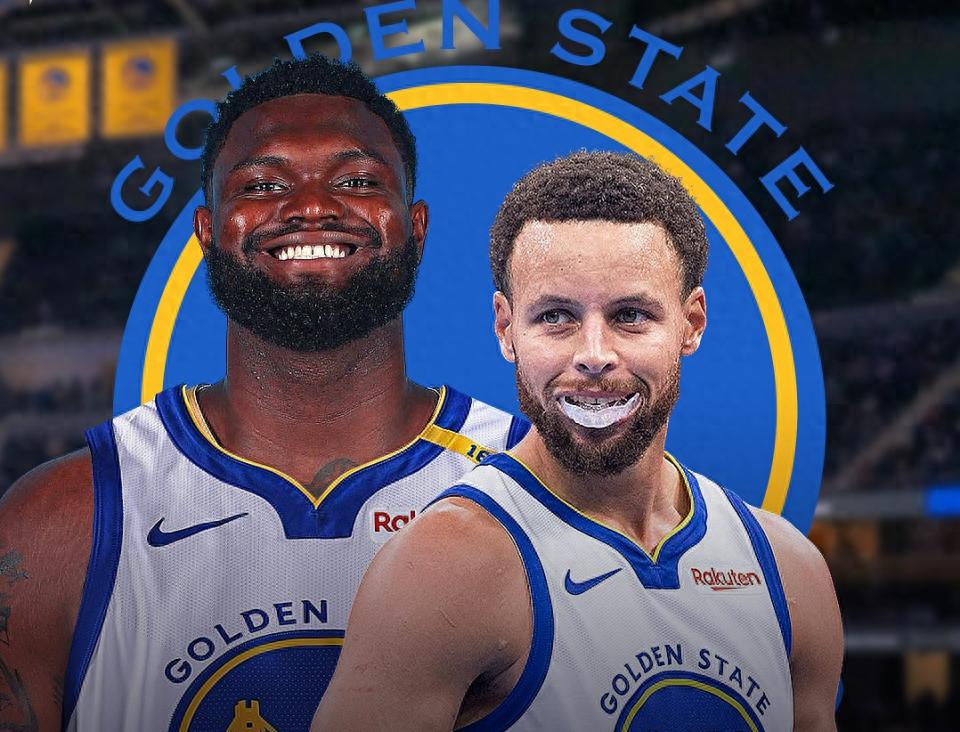
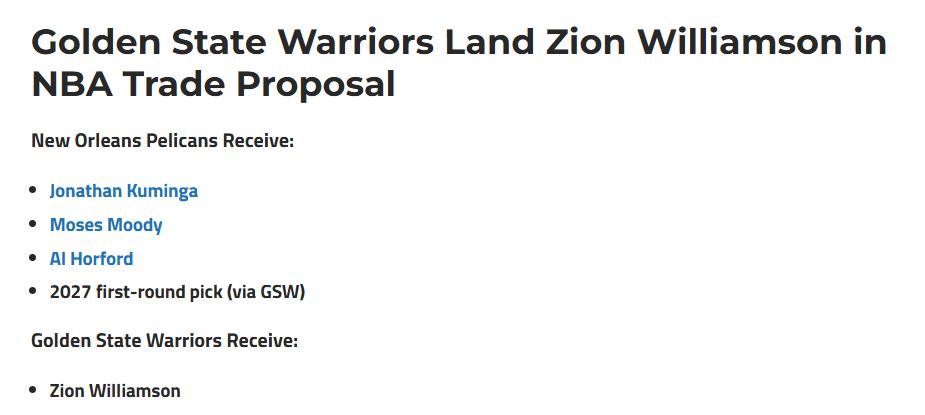
The specific proposal involves the Warriors sending Kuminga, Moody, Horford, and a 2027 first-round pick to the Pelicans in exchange for Zion. Piercey also analyzed from both sides why such a trade could happen.
Why are the Pelicans willing to make this trade?
Zion's career in New Orleans has always been labeled as "unfulfilled potential."
From his performance on the court, as long as Zion stays healthy, he continues to deliver impressive stats. This season, he averages 22.6 points per game with a shooting percentage of 58.7%, consistently demonstrating dominant power in the paint. His contributions on the court are undeniable; the key issue is whether his competitive form still aligns with the Pelicans' current rebuilding timeline.
Currently, the Pelicans' core is gradually shifting toward rookie Quinn. This rookie has already shown star potential and secured a long-term core position on the team. Notably, the Pelicans paid a significant price on draft night to acquire Quinn, giving up a highly valuable future first-round pick. If the team decides to adjust its building direction, replenishing draft assets naturally becomes a reasonable priority.
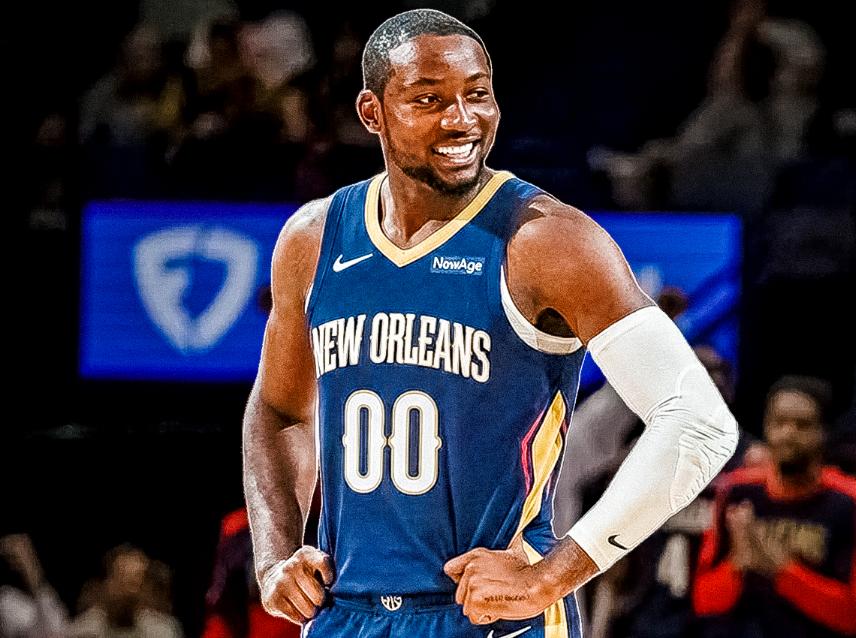
Kuminga fits perfectly into the Pelicans' roster restructuring. He holds a 2-year, $46.8 million contract, including a $24.3 million team option for the 2026-27 season. This contract setup offers the Pelicans plenty of operational flexibility: they can either develop Kuminga as a core partner alongside Quinn or decline the team option and treat him as an expiring contract asset. Additionally, Kuminga has waived his trade veto rights, granting the Pelicans full autonomy in future trade moves.
Combined with Moody's outside shooting and versatile defensive capabilities, the Pelicans can build a younger, more manageable core lineup while also adding future draft assets.
Why are the Warriors willing to make this trade?
For the Warriors, this trade represents a precise gamble driven by an urgent championship pursuit.
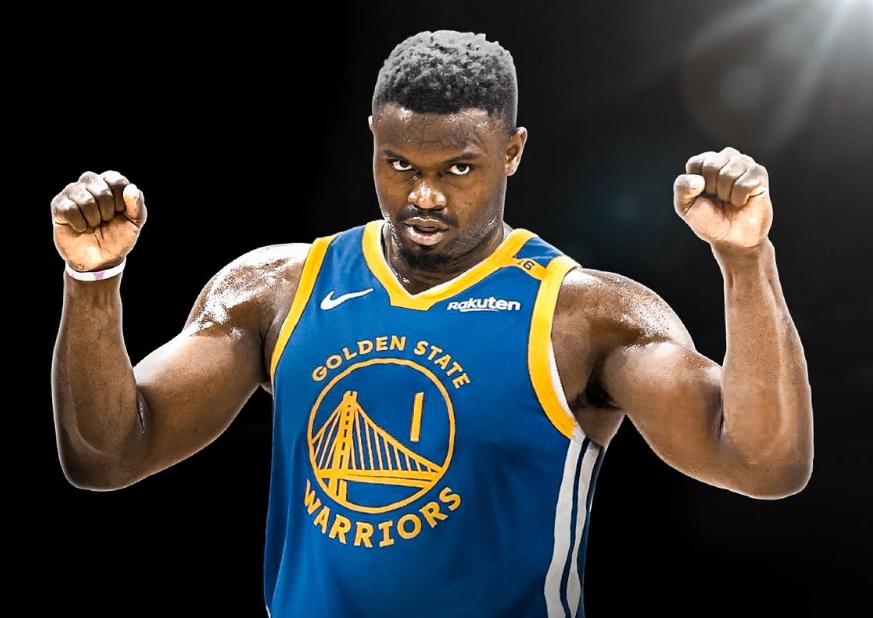
Zion's injury risks do reduce his trade value, but as long as he stays healthy, his impact on the court remains unquestionable. Across 242 career games, he averages 24.4 points per game, establishing himself in the league with elite offensive efficiency and physical dominance in the paint.
If paired with Curry, Zion's skills would be further amplified. Curry's off-ball threat stretches defenses to their limits, while Zion's relentless attacks in the paint can dismantle opponents' interior defense. Few duos in the league create such a defensive dilemma as they do.
The contract details are also a key factor in this trade. Although Zion's salary for the 2025-26 season is fully guaranteed, the conditional guarantees in subsequent seasons provide the Warriors with some risk protection. Even if Zion faces health issues again, the Warriors won't be locked into a fully guaranteed long-term max contract.
Kuminga's situation further highlights the logic of this trade. Despite re-signing in the 2025 offseason, reports say he requested a trade as early as January 2026, making his future with the Warriors uncertain. His contract, which includes a team option, effectively becomes a high-value asset for roster adjustments—while it matches salary requirements now, his status after this season remains highly uncertain.
Turning this uncertainty into a chip to maximize their championship chances perfectly aligns with the Warriors' current goal of "all-in for the title." The Warriors' present situation no longer allows them to patiently wait for young players to develop; they need immediate impact from proven talent on the court.


Wonderfulshortvideo
Listen as the crowd roars at the sight of Tatum’s first run out this season! 🤩


Tatum gets the putback ➡️ three as his first and second buckets back since returning 🔥 🔥 🔥
Still not over this JT slam from last season 🤯
Featuring his pregame ritual 🙏
JT is back 💚
This was too smooth 😮💨
It has begun… 🫡
 Links
Links
 Contact
Address:UNIT 1804 SOUTH BANK TOWER, 55 UPPER GROUND,LONDON ENGLAND SE1 9E
Number:+85259695367
E-mali:[email protected]
 App
App


