



Portland Reporter: The Trail Blazers' Obsession with Yang Hanseng May Have Cost Them a Top Prospect This Year



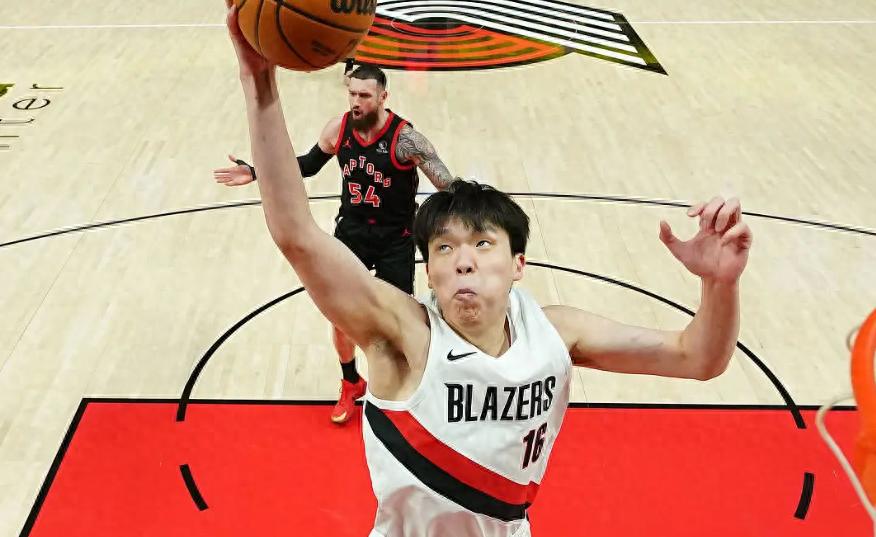
On January 25th Beijing time, Portland journalist Reese Kunz stated that the Trail Blazers' fixation on Yang Hanseng may have led them to lose the chance to acquire Darlan Peterson, a favorite for the 2026 top draft pick. Below is his article—
The New Orleans Pelicans currently sit at the bottom of the Western Conference with an 11-36 record. If the season ended now, they would have a 14% chance to secure the 2026 NBA Draft’s first overall pick, along with a 52.1% chance to land a top-four selection.
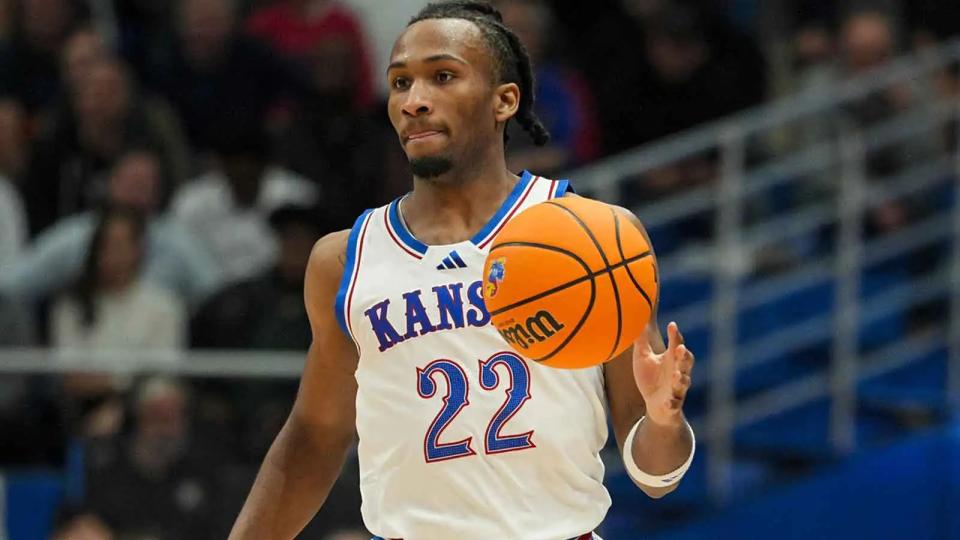
However, due to poor management decisions, this valuable draft pick no longer belongs to them. The 14% chance to select a potential franchise-changer—such as Kansas University's Darlan Peterson—has now transferred to the Atlanta Hawks.
Last summer, the Pelicans made a controversial trade at the draft: to move up from the 23rd to the 13th pick in 2025, they gave away an unprotected 2026 first-round pick. Although Derek Quinn, selected with the 13th pick, has shown promise, this does not change the fact that the trade was a poor value for the Pelicans.
This has left teams with picks before 13—like the Portland Trail Blazers holding the 11th pick—wondering why they didn’t seize this clearly uneven trade opportunity.
What might have happened if the Trail Blazers had made a deal with the Pelicans back then?
It remains unclear whether the Pelicans offered the same trade deal to other teams besides the Hawks. But since the Pelicans were willing to gamble heavily on Quinn, why wouldn’t they use the same assets to try for a higher draft pick? Clearly, the Pelicans were determined to get Quinn and should have done everything possible to minimize the risk of other teams swooping in and secure him early.
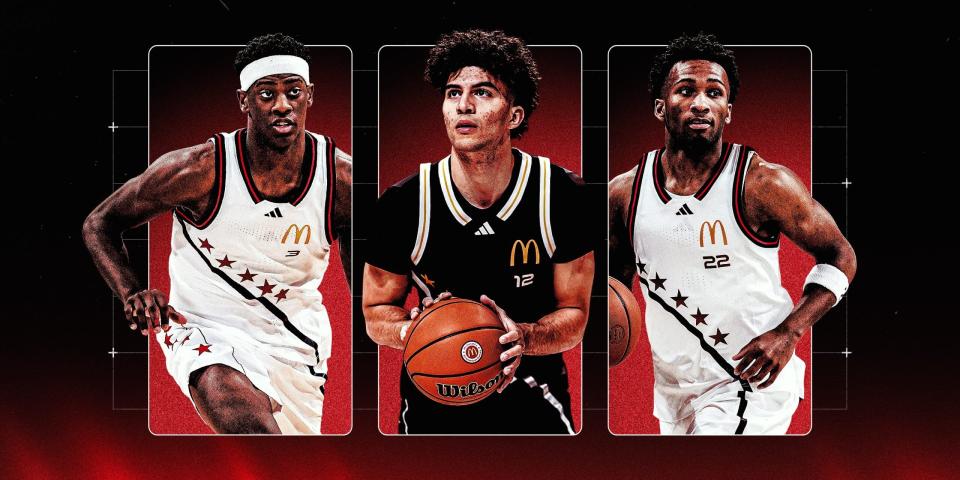
Following this line of reasoning, another possibility emerges: the Trail Blazers may have missed the chance to draft Peterson, Dibansa, or Duke star Cameron Boozer because they chose to bet on Yang Hanseng.
Though Yang Hanseng’s draft prospects remain uncertain, the difference in value is clear—on one side, there is roughly a 50/50 chance to land a top-four pick in a strong draft class; on the other, a player widely projected as a second-round selection.
Of course, this situation isn’t simply black and white. Without knowing if the Pelicans actually offered this trade to the Trail Blazers, it would be unfair to criticize the Blazers’ front office. After all, Pelicans management has often been criticized for illogical decisions. Even if Quinn shines in the 2025 draft, the Pelicans’ poor start this season only adds to the negative perception of this trade.
AndFrom the Trail Blazers’ perspective, Yang Hanseng’s early career struggles have only increased the team’s anxiety. However, they did gain something: through the trade with the Memphis Grizzlies to ultimately select Yang Hanseng, the Trail Blazers also acquired an additional first-round pick in 2028 from the Orlando Magic.
But this pick is expected to be in the late first round, whereas the Hawks’ “free” pick is very likely to net a gifted player capable of reshaping the team’s future.


Wonderfulshortvideo
Steph & LaMelo shot the lights out 🤩


Who’s the most famous person in Snoop’s phone?
"It's the shhh with a hyphen." More Slovenian lessons 😂
Short… SIKE
THIS PLAY WAS INSANE 🤯
What a FANTASTIC FINISH by the @Phoenix Suns 🤩
ON CUE 🎶 Happy Birthday LeBron James 🎶
 Links
Links
 Contact
Address:UNIT 1804 SOUTH BANK TOWER, 55 UPPER GROUND,LONDON ENGLAND SE1 9E
Number:+85259695367
E-mali:[email protected]
 App
App


