



US media releases NBA executives ranking: Thunder ranks first, Rockets third, Warriors seventeenth, Lakers twenty-fifth


On February 18th Beijing time, prominent US media CBS evaluated the management of the league’s 30 teams, placing the Thunder’s front office first, Celtics second, Rockets third, Cavaliers fifth, Warriors seventeenth, Lakers twenty-fifth, and Kings last. The detailed rankings are as follows:
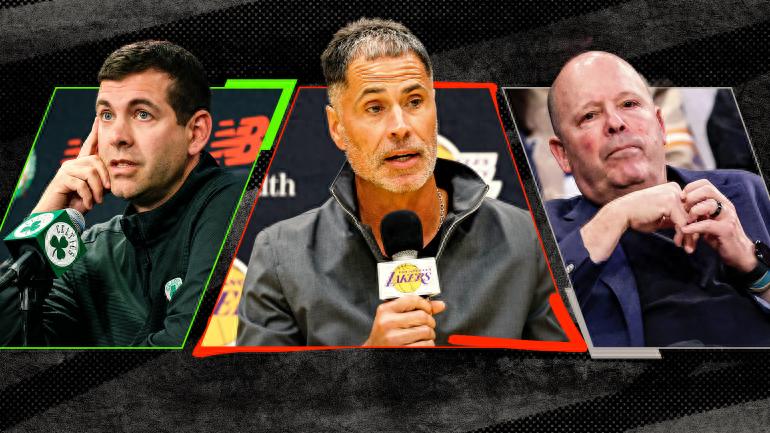
1-5: Thunder, Celtics, Rockets, Spurs, Cavaliers
6-10: Pacers, Knicks, Jazz, 76ers, Timberwolves
11-15: Grizzlies, Hornets, Hawks, Heat, Nets
16-20: Pistons, Warriors, Clippers, Trail Blazers, Nuggets
21-25: Magic, Wizards, Raptors, Bucks, Lakers
26-30: Suns, Mavericks, Bulls, Pelicans, Kings
Below is an analysis related to the Thunder, Rockets, and Lakers—
Thunder executives: Ranked 1st
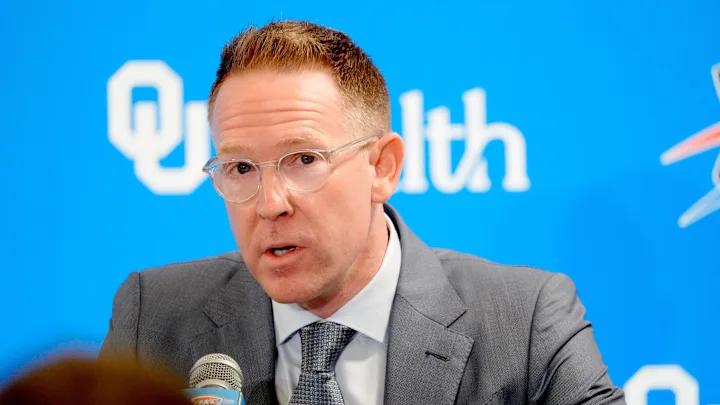
The Thunder have consistently held the top position in every CBS executive ranking, and as the leading favorite for the 2026 championship season, there’s no reason for this status to change. Oklahoma City excels in nearly every aspect.
Most players on the roster were either drafted or developed by the team itself. Except for Holmgren, no one was initially regarded as a guaranteed superstar. Alexander grew into an MVP-level player despite not being a top ten pick; Jalen Williams became the first player since Kobe to make the NBA All-Defensive Team within his first three seasons without being a top ten pick. Their latest notable player, Ajayi Mitchell, was selected only at 38th overall.
Rockets executives: Ranked 3rd
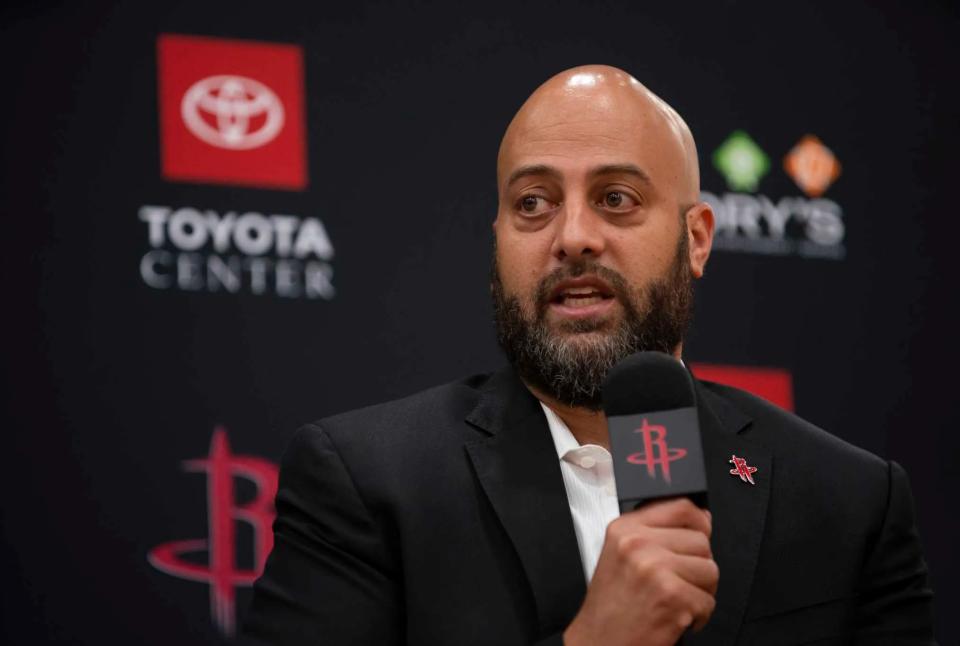
The Rockets are clearly the toughest negotiating opponent in the entire league. They convinced Sengun to accept a contract below the maximum salary, Finney-Smith got only two guaranteed years, Capela took a pay cut and a reduced role to join Houston, and Jabari Smith’s contract decreases yearly, making him easier to trade in the future.
This is one of Stone’s standout strengths. As an executive, his top skill is managing contracts effectively.
Lakers executives: Ranked 25th
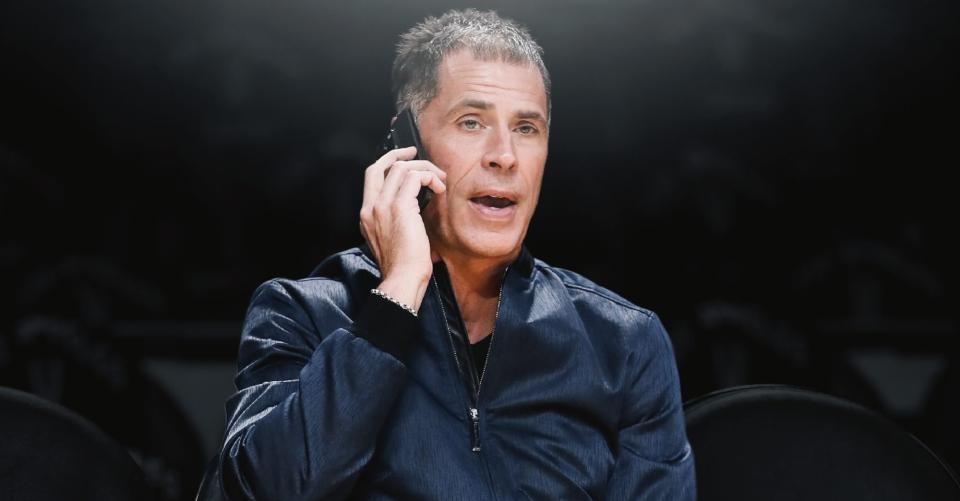
The Lakers’ acquisitions mostly fall into two categories:
The first category includes young players drafted in the top 20 but who failed to perform well on their original teams. Over the past five seasons, they have brought in ten such players: Monk, Doumbouya, Troy Brown, Lonnie Walker, Bamba, Hachimura, Jarace, Hayes, Reddish, and Ayton.
The second category generally consists of former star veterans past their prime. In the 2021-22 season alone, they signed six veterans over 30 years old. Beverley, Wood, and Smart this season all fit this pattern.
The Lakers place great emphasis on pedigree and reputation. It’s not that all such moves have failed—for example, Smart is the Lakers’ only reliable defender this season.
But what truly stands out are the players the Lakers released who went on to succeed elsewhere:
The 2021 release of undrafted success story Caruso remains a sore point for the Lakers.
Scotty Pippen Jr. and Jay Huff were both on two-way contracts with the Lakers before proving their value with the Grizzlies.
Goodwin was an important rotation player for the Lakers last season but was cut to make room for Smart; now he’s thriving with the Suns.
All of this points to one issue: the Lakers’ resource management is extremely poor.
They let go of useful, young, and importantly, inexpensive players, while repeatedly failing in big-money acquisitions.
The last two first-round picks, Hood-Shipino and Knecht, both fizzled out.
Recent mid-level exceptions like Harrell, Nunn, Lonnie Walker, and Vincent have produced dismal results.


Wonderfulshortvideo
LaMelo knocks down the tough one-legged three 😮💨


This game was cinema 🙌
This sequence was INSANE 🤯
Jaxson Hayes really brought out the eastbay slam 😱
What a FANTASTIC FINISH by the @warriors 🤩
The @Charlotte Hornets win their 8th straight, their longest single-season win streak since 1999 🥳
This was too tough 💪 💥
 Links
Links
 Contact
Address:UNIT 1804 SOUTH BANK TOWER, 55 UPPER GROUND,LONDON ENGLAND SE1 9E
Number:+85259695367
E-mali:[email protected]
 App
App


