



Confirmed! Irving is out for the season.



In early March last year, during the Mavericks vs. Kings game, Kyrie Irving collided with the Kings’ big man Valančiūnas, suffering a clear hyperextension injury to his left knee. He insisted on finishing his free throws before being helped off the court.
His persistence at the free throw line brought to mind Kobe’s emotional free throws after his Achilles injury, moving many to tears.
Ultimately, he was diagnosed with a torn anterior cruciate ligament in his left knee, cutting his season short.
Such a severe injury typically requires 6 to 8 weeks post-surgery for basic daily activities, but returning to game-level performance usually takes 9 to 12 months or even longer.
Irving has been recovering for nearly a year now, and recently many teammates have been asking when the “Uncle Drew” will return.
Now there is finally a definite answer: he won’t play this season.
The Mavericks officially announced,Kyrie Irving will be sidelined for the rest of the season due to his left knee injury.
The player himself responded in an ESPN interview:
“This decision wasn’t easy, but it’s the right one. I’m grateful for the support from the team, my teammates, and the fans. My faith and motivation will only grow stronger!”
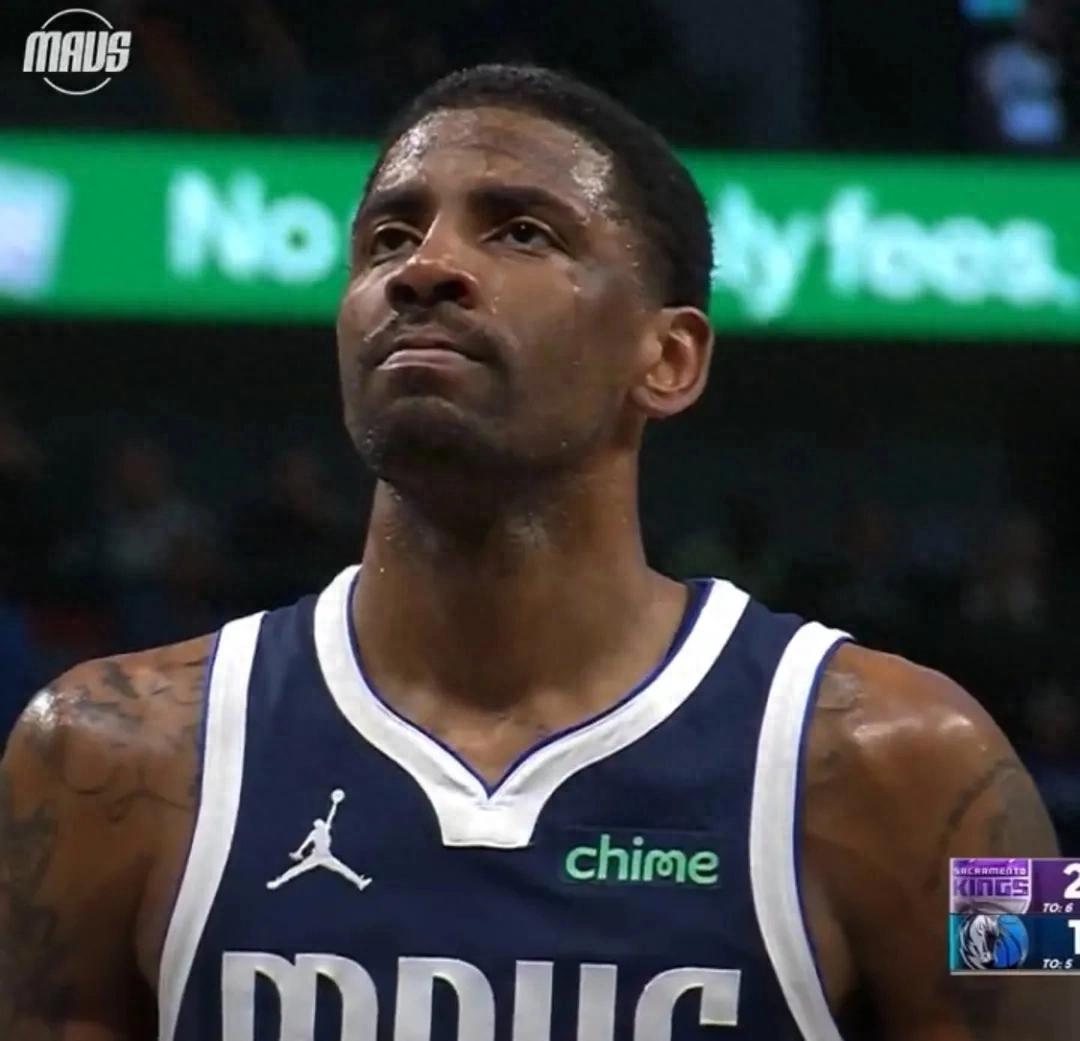
Irving has many fans who will surely miss watching him play.
But the reality is this: he could have played this season, but it’s unnecessary.
First, there’s no need to take risks.
Factors like age, physical condition, injury severity, and rehabilitation compliance all affect recovery time.
The young player who once challenged Kobe one-on-one at the USA Basketball camp is now a seasoned veteran in the league.
Irving is almost 34 years old; rather than rushing back to play a dozen or so games with the risk of re-injury, it’s better for him to fully recover and return next season at full strength.
Last off-season, Irving re-signed with the Mavericks on a three-year, $119 million contract extension.
This season, his salary is $36.57 million, followed by $39.49 million and $42.42 million in the next two seasons respectively.
From a player’s financial perspective, he doesn’t need to rush back just for the contract.
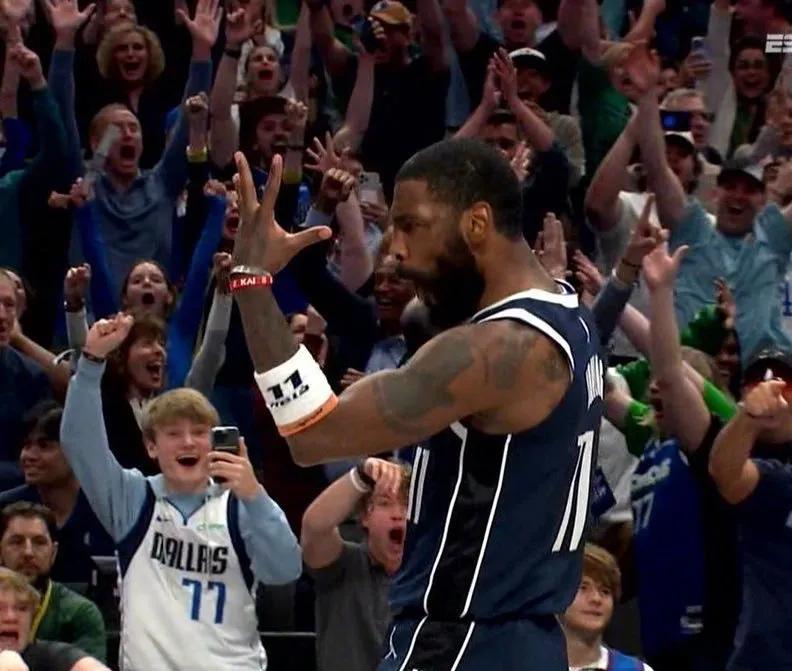
Another point is that given the Mavericks’ current situation, Irving doesn’t need to play.
So far this season, Dallas holds a 19-35 record, ranking 12th in the Western Conference, seven wins behind the play-in tournament.
Their main focus now is developing Flagg while hoping to secure a good draft pick for a shot at the 2026 top prospect.
This season, the new American star has been impressive, averaging 20.4 points, 6.6 rebounds, 4.1 assists, and 1.2 steals per game, leading the rookie leaderboard!
Before the All-Star Weekend, he even posted multiple 30+ point games, showcasing his potential as a franchise cornerstone.
The team’s future definitely belongs to him.
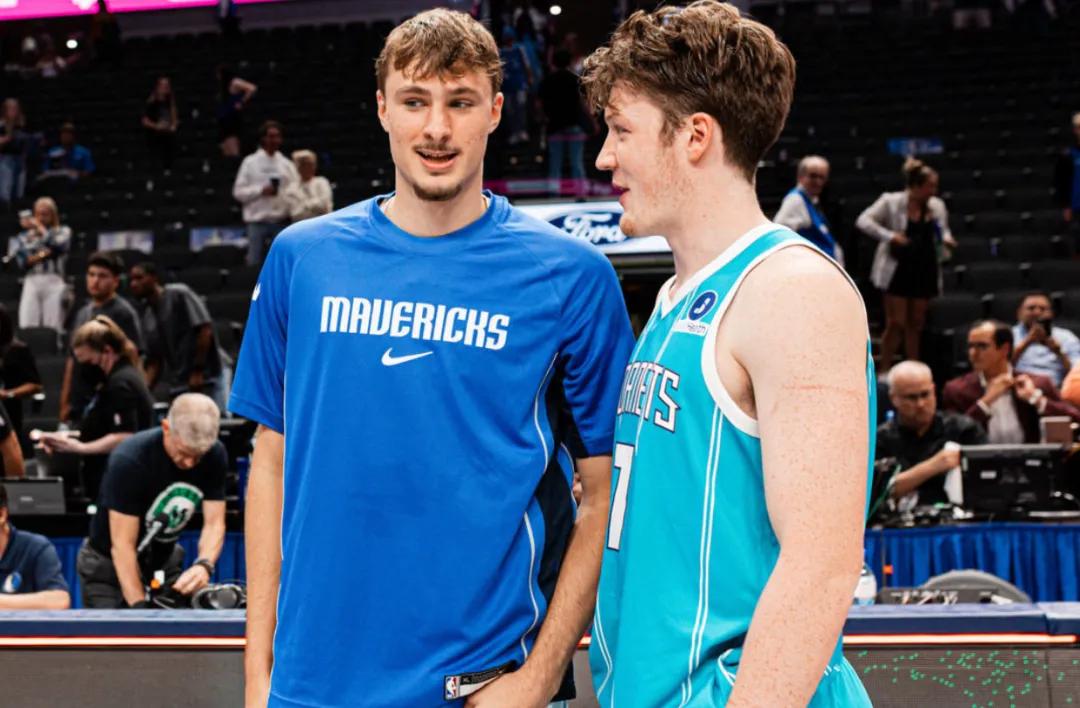
Finally, regarding Irving’s future with the Mavericks.
For a flashy guard who relies heavily on quick changes of direction and sudden stops, how much can he recover from such a major injury?
This remains a significant question.
His situation differs from Thompson’s.
After all, Klay mainly shoots off catches, while Uncle Drew creates his own offense.
Therefore, looking at the Mavericks’ situation, it’s unlikely Irving will be a part of their future plans.
We’ll see what happens when he returns next season!
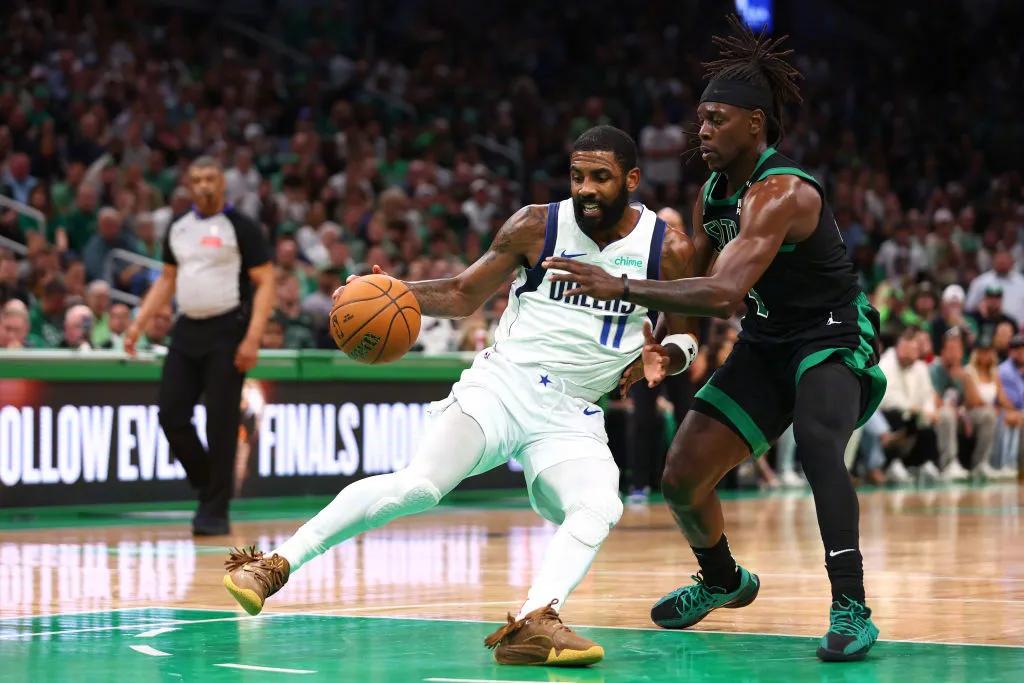


Wonderfulshortvideo
For the love of the game 🙌❤️


 Links
Links
 Contact
Address:UNIT 1804 SOUTH BANK TOWER, 55 UPPER GROUND,LONDON ENGLAND SE1 9E
Number:+85259695367
E-mali:[email protected]
 App
App


