



Embiid's rushed return feels even more poignant.



It's likely nobody anticipated Embiid would return in Game 4 of the first round, drastically shortening his recovery time after appendectomy surgery. Recall that in 2019, OG missed the entire playoffs after surgery. Embiid underwent surgery on April 10th; just 17 days later, he chose to return for the playoffs.
During pre-game warmups, Embiid had thick protective gear wrapped around his abdomen. Honestly, I was genuinely afraid his surgical incision might reopen during the game. From the opening moments, Embiid appeared in good form, scoring consecutive dunks under the basket and accounting for the team's first 8 points alone.
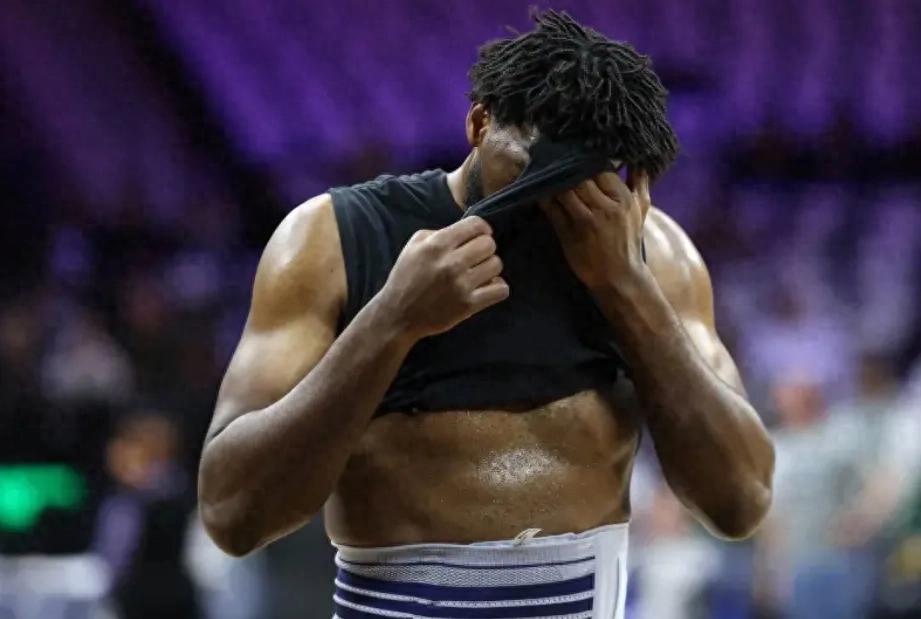
However, this also highlights that once Embiid returns, the entire team must abandon their previous play style and rotations, with all offense revolving around him. The key issue is that Embiid is no longer the dominant force he once was. In the first half of the first quarter, the 76ers managed to stay competitive with the Celtics. But after Embiid committed three consecutive turnovers, leading to a 11-3 Celtics run and a 15-point lead, the 76ers never managed to bring the game back within reach.
In the first quarter, Embiid scored 10 points; in the second, he missed all 5 shots and made 2 of 4 free throws for 2 points; in the third, he displayed his outside shooting skills, hitting 4 of 6 mid-to-long-range shots from the top of the key and the wings. By then, however, his impact on the game outcome was minimal, as the Celtics had already blown the game open.
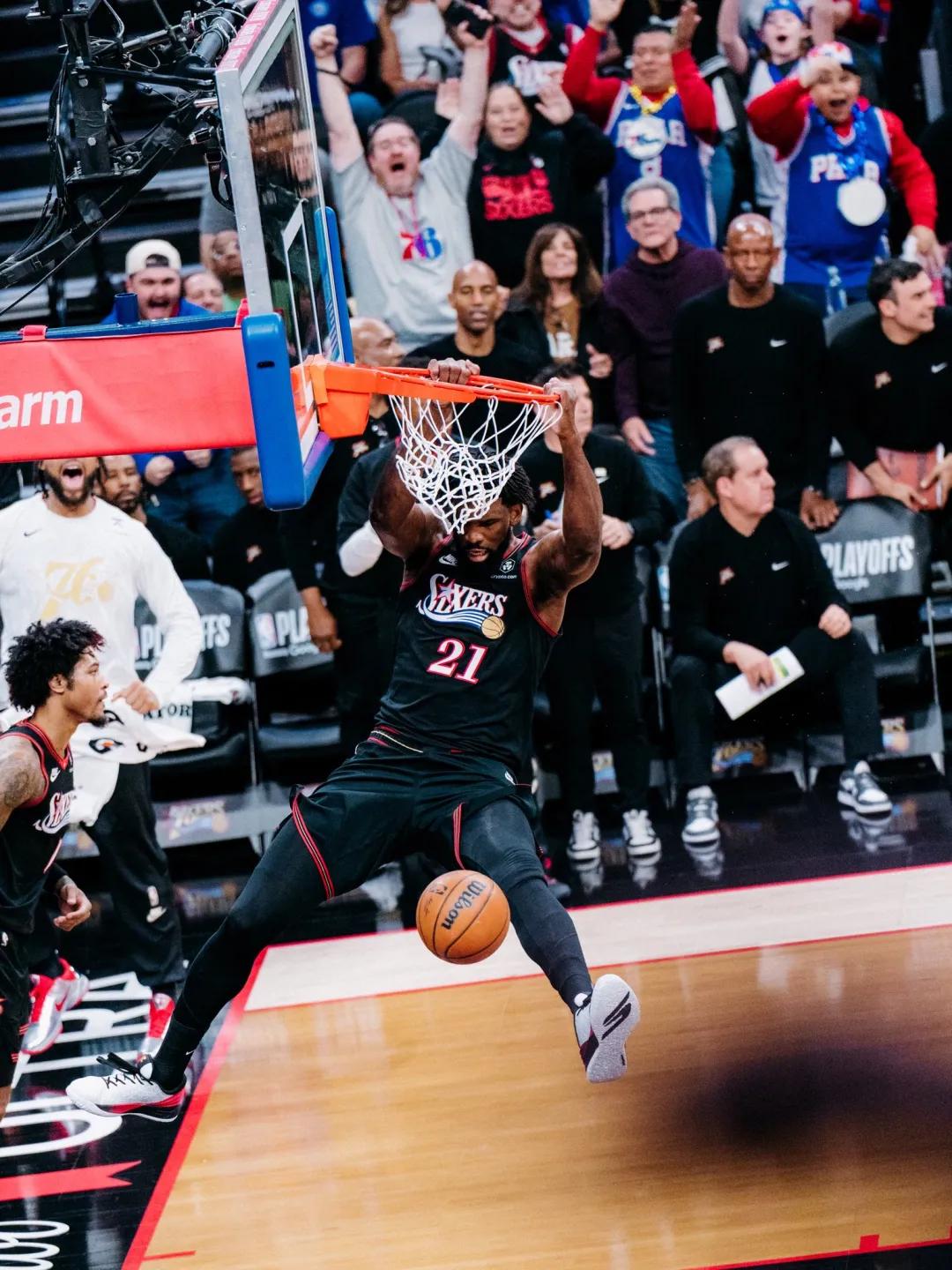
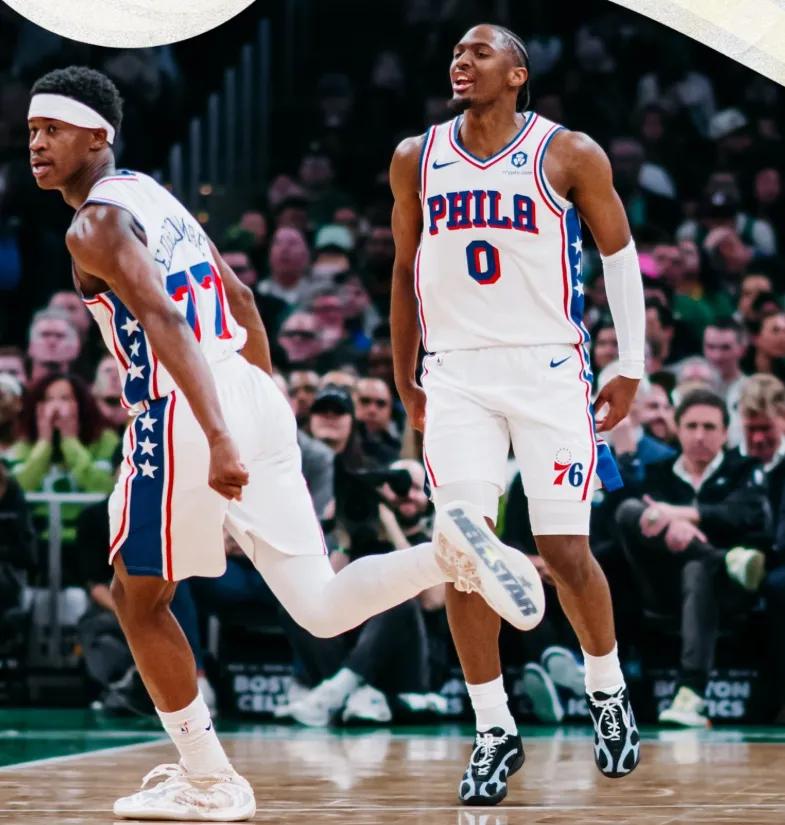
Maxey, who had taken 79 shots over the first three games, only attempted 3 shots in the first half today and seemed completely absent from the game. Compared to the previous three games, the 76ers looked like a different team—slow-paced and gradually buried by the Celtics' three-point shooting.
For the entire game, Embiid played 34 minutes, shooting 9/21 from the field, 1/6 from three-point range, and 7/9 from the free-throw line, totaling 26 points, 10 rebounds, 6 assists, 1 steal, and 1 block, with a -25 plus-minus. He still posed a strong offensive threat in the low post and from mid-to-long range, but for the Celtics, his methods were far from hitting their weak spots.
In the game the 76ers won, VJ erupted, driving inside and shooting outside, genuinely piercing the Celtics' defense. The speed of Maxey and VJ outpaced the Celtics' rhythm; when both teams ran and shot, the 76ers still had a slim chance of victory.
When Embiid returned, the 76ers fell into a sluggish, redundant half-court battle. Embiid would grind out a score inside, and then Pritchard would immediately target Embiid's defense and sink a three-pointer. Embiid's return coincided with the Celtics hitting a playoff franchise-record 24 three-pointers, and Pritchard scoring a playoff career-high 32 points—this certainly isn't entirely coincidental.
Embiid's mobility on defense truly can't keep up with today's pace. The Celtics can deploy a lineup with five three-point threats at any moment, constantly moving the ball to exploit Embiid's footwork, always creating open three-point opportunities.
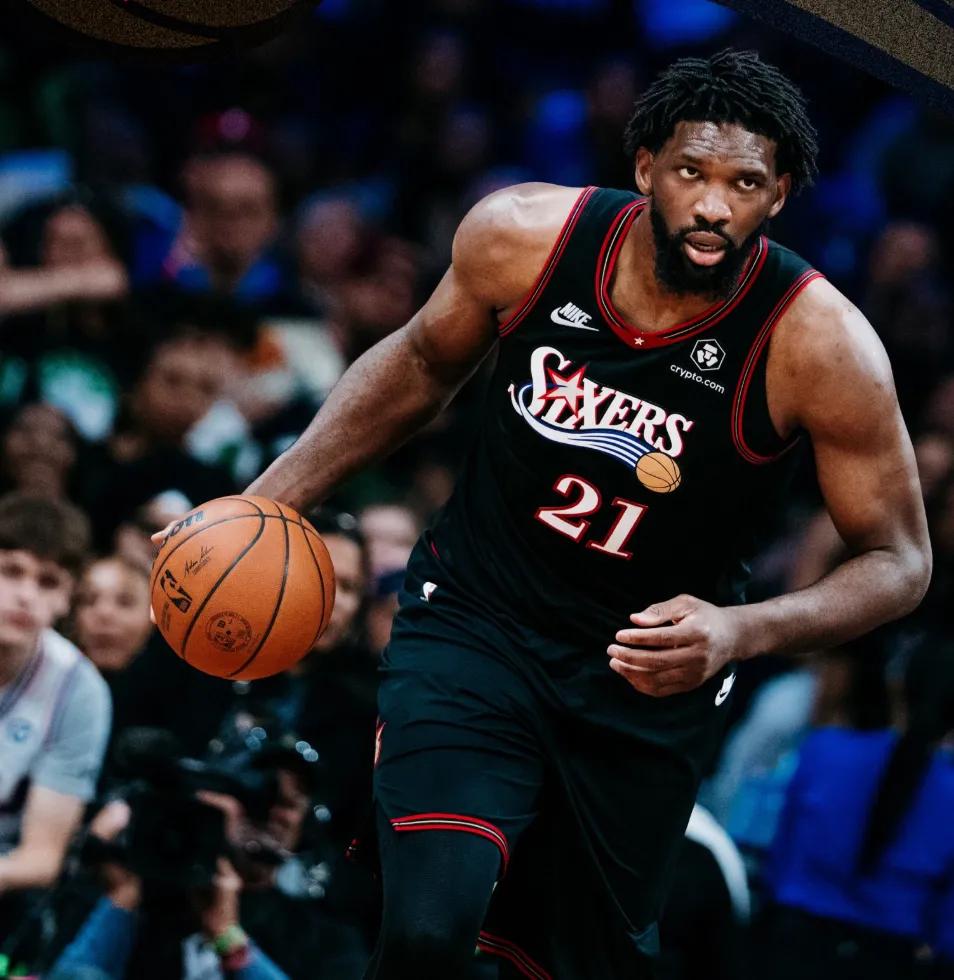
Thus, Embiid's career playoff record of 3 wins and 13 losses against the Celtics has reasons behind it. In the games he missed, the 76ers actually won twice. Back when Harden was still there, he led the team to win one game alone; this year, they won another thanks to VJ's outburst. That year Harden fought the Celtics to a Game 7, it was also after Embiid's return altered the original strategy, leading the 76ers to fall once again in the semifinals.
This year's script appears headed in that same direction again. With Embiid back, the whole team seems unable to play properly. The professional dedication of rushing back for the playoffs is certainly commendable, but the reality is the 76ers perform better without Embiid. This contrast makes Embiid, wrapped in thick protective gear, seem even more poignant.
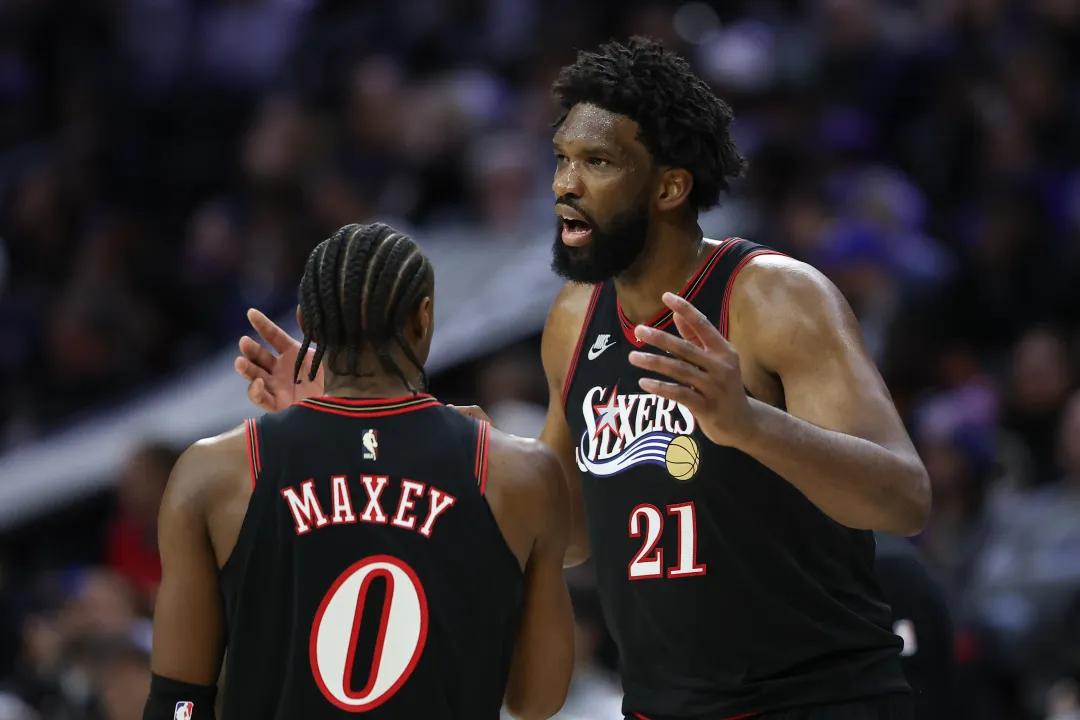
The most ideal scenario would likely be keeping the 76ers' starting lineup unchanged, with Embiid playing with the bench unit during transition periods—at least for his first game back to let everyone adjust. But you must remember, throughout Embiid's career—his modest 490 regular-season games plus 60 playoff games—he has never played as a substitute.
At this point in the series, it's essentially conclusive. The Celtics franchise has never lost a series when leading 3-1 (even during Rivers' coaching tenure), the 76ers franchise has never overcome a 1-3 series deficit, and Embiid himself has never beaten the Celtics in the playoffs.
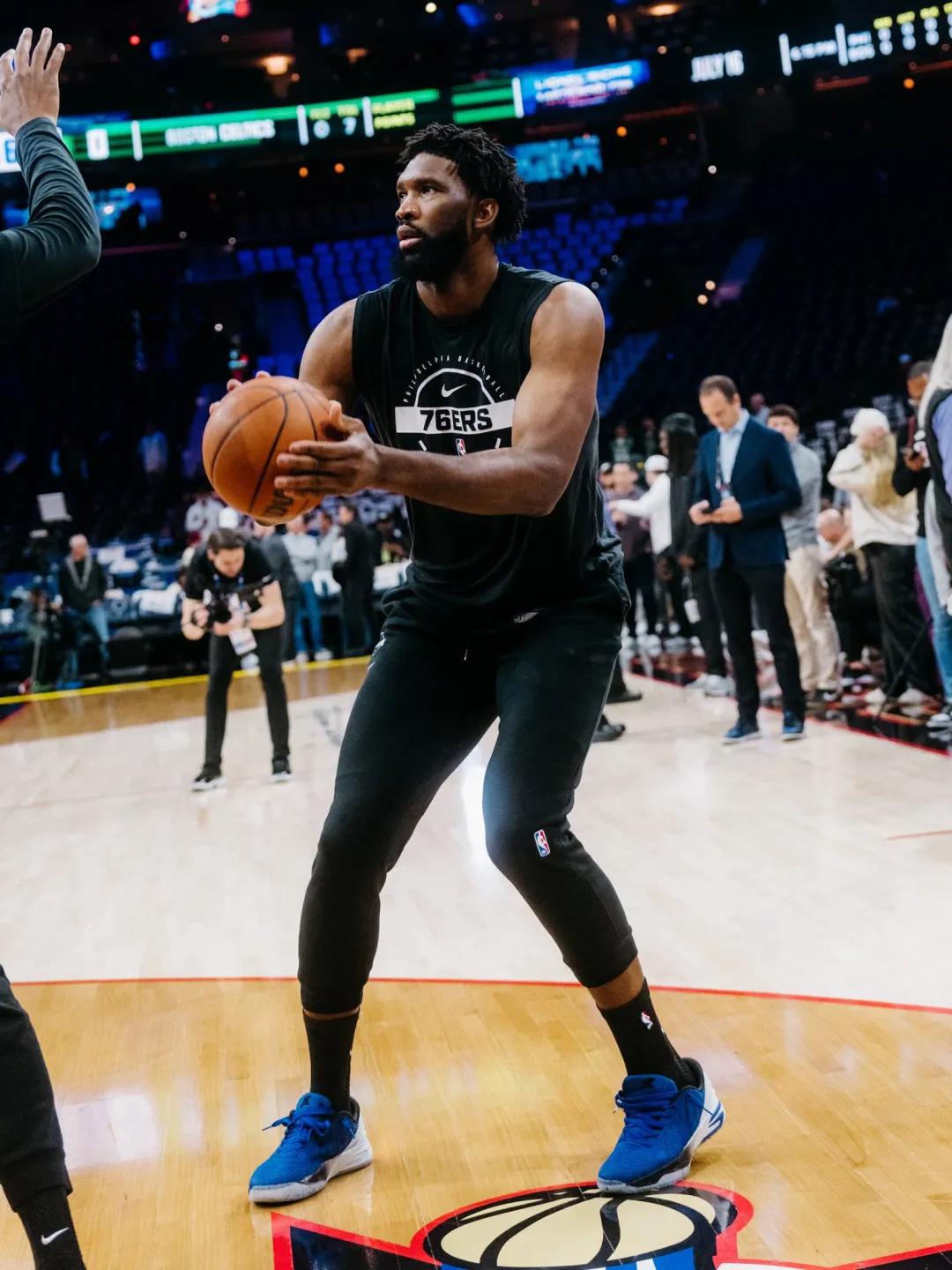
When Embiid consumed that bite of food from Texas that night, the outcome of this season was already written.


Wonderfulshortvideo
When are these two not competing 😂


Replying to @NBA

Deuce wanted to ask his dad Jayson Tatum one question... And JT ended up teaching him how to conduct a proper interview 🎤🥲

@DylanHarper getting after it this off season 🏋️♂️

KD was high key vibing summer of 2024 🥳‼️ Makes you wonder what he was up to this summer…
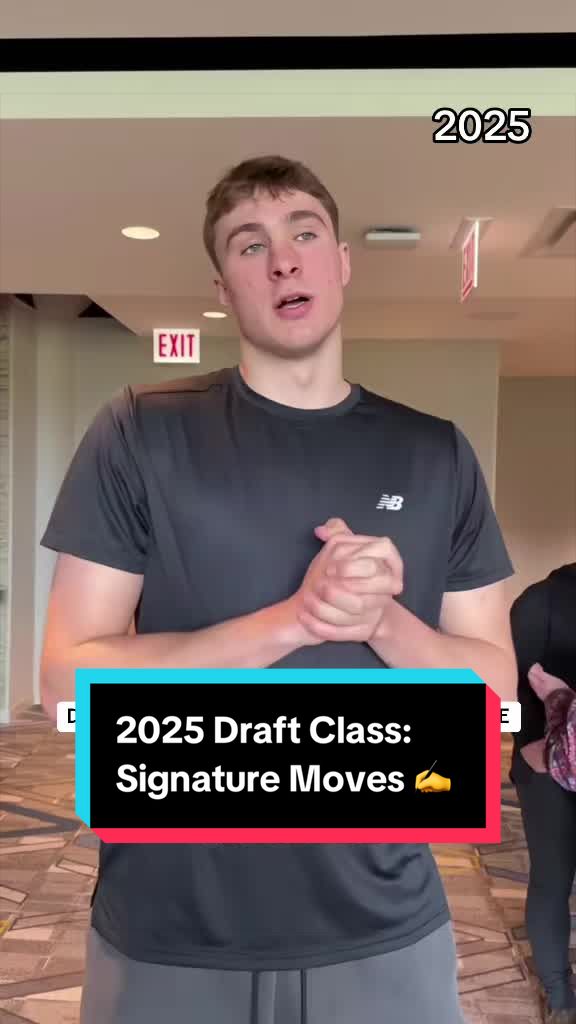
Before they started their rookie season the 2025 Draft aclass broke down their signature moves… Did you see any of them pull out their moves during a game? 👀

User ceshi has posted a video.
 Links
Links
 Contact
 App
App


