



The strongest summer intern of the Chinese men's basketball team is back again.


Last night, the Chinese men's basketball team beat the Australian men's basketball team 91-81, marking their third exhibition game this summer. The Australian side, far from being at full strength, mainly consisted of NBL regulars and NCAA rotation players—a temporary combination for practice purposes.
Despite being only a warm-up, the opponents offered solid intensity and were not weak overall, providing valuable practice for the Chinese team. The Chinese team once led by double digits, but the opponents later caught up. In the final stage, the game remained competitive, with Wang Junjie scoring 5 consecutive points and joining forces with Cui Yongxi to seal the victory in the closing moments.
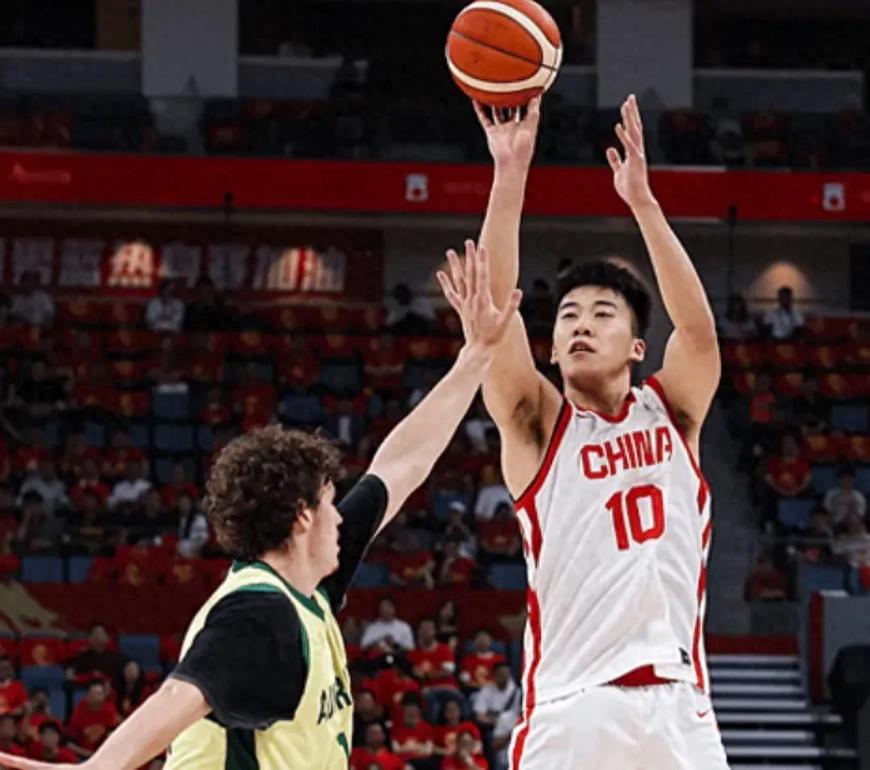
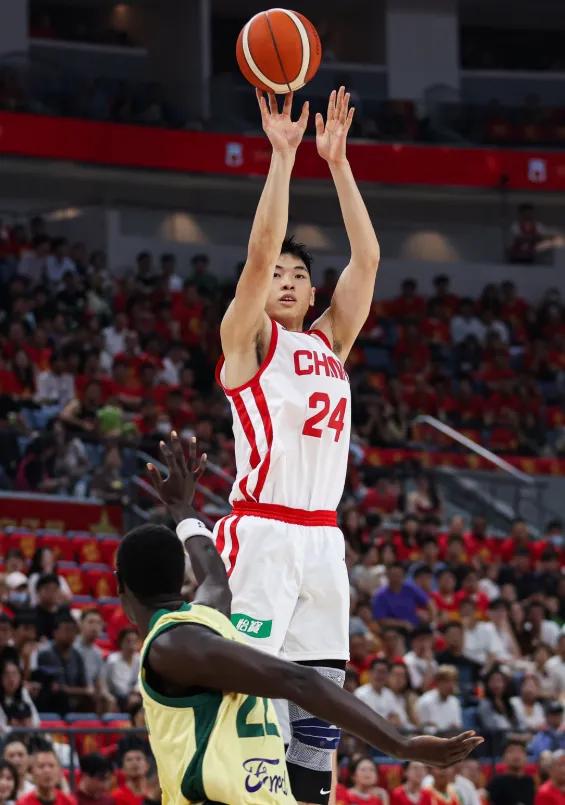
Wang Junjie, the strongest summer intern for the Chinese team, has returned. He has clearly become one of the offensive cornerstones of this squad. Last night, he played 24 minutes, shooting 8-of-15 from the field and 3-of-7 from three-point range, finishing with a game-high 23 points, 6 rebounds, 4 assists, and 2 steals.
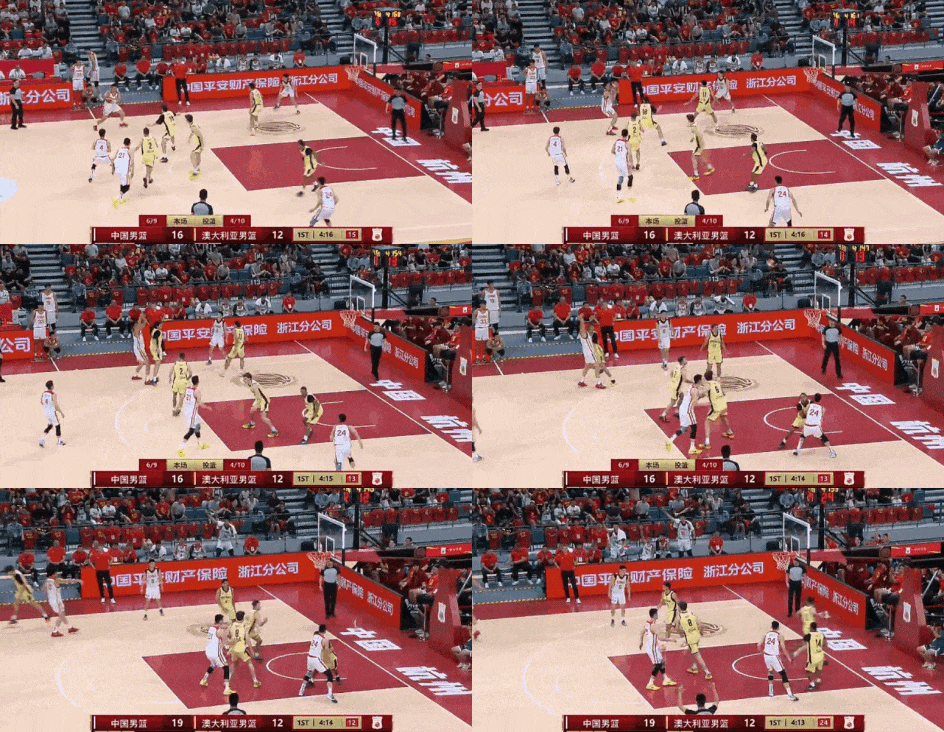
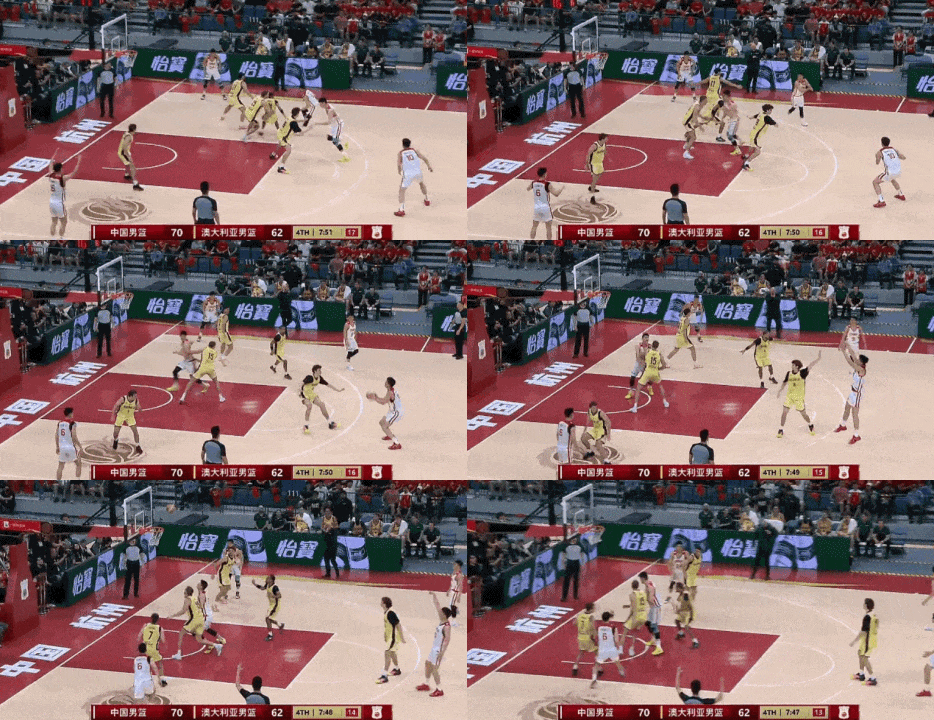
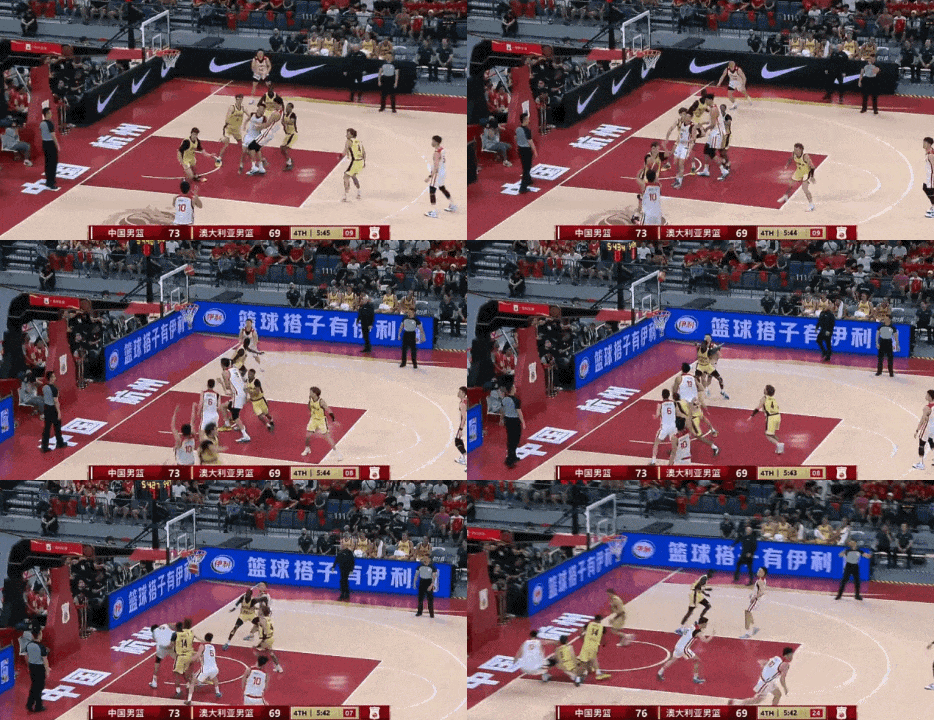
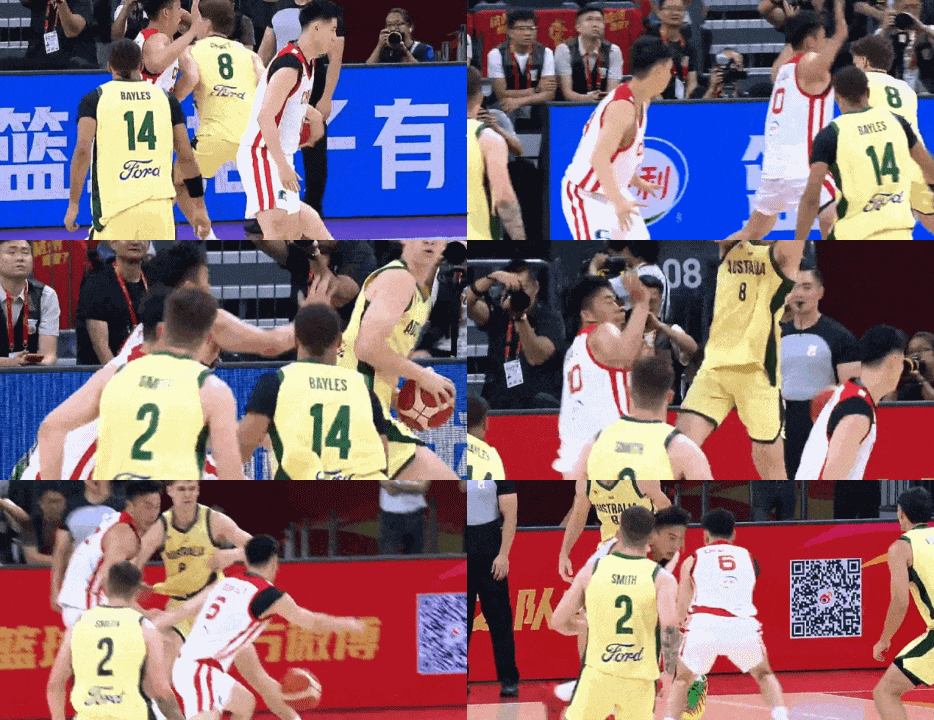
Compared to his consistent three-point shooting and interior scoring, what impressed me most throughout the game was actually a defensive play. The opponent tried to back him down twice but failed to move him, while Wang Junjie kept disrupting and eventually swiped the ball away cleanly. His physicality and defensive instincts were well demonstrated in that sequence.
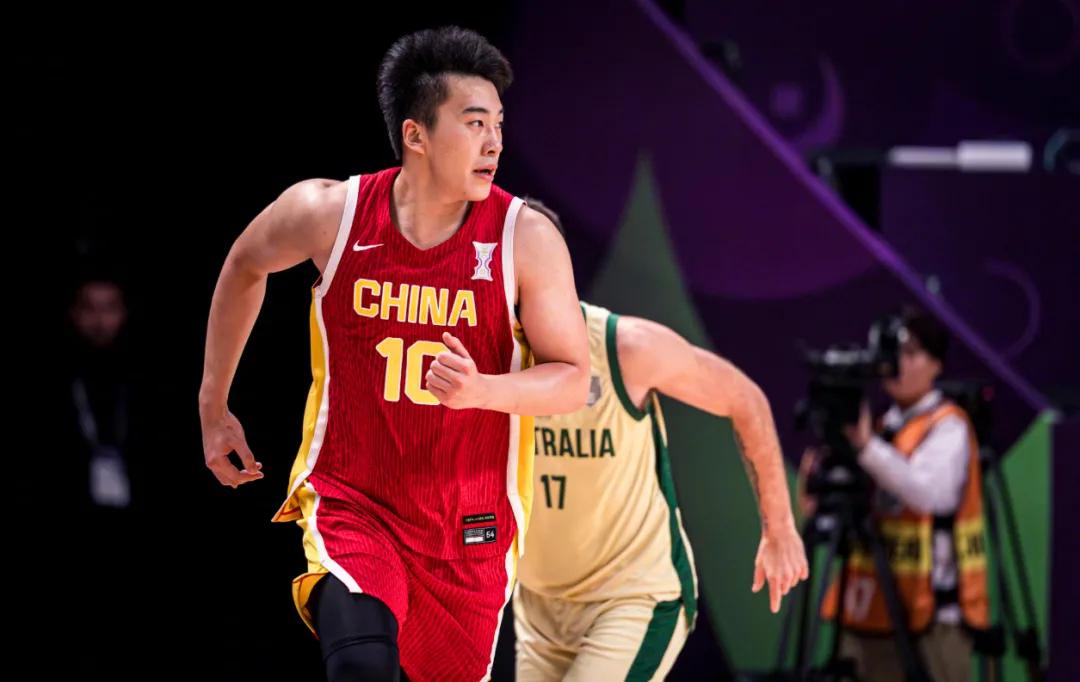
Last summer, Wang Junjie was just an unknown overseas player. After a full summer of training, he has become a favorite under Guo Shiqiang and has fully repaid the coach's trust.
In the first warm-up game this year, he scored 18 points and grabbed 14 rebounds, including 11 offensive boards. However, in the second game, he made only 2 of 7 shots, finishing with 7 points and 6 rebounds. Wang Junjie admitted that his eagerness to prove himself led to mental fluctuations. After the game, at midnight, he went to talk with coach Guo Shiqiang, who patiently guided him and helped restore his confidence.
Barring any surprises, Wang Junjie is likely to become the starting forward for the national team for many years to come. Last season, he didn't get much playing time at the University of San Francisco. Next season, he has transferred to the University of Massachusetts, and it is believed that he will be guaranteed minutes and a role on offense.
In the final moments of the game, Wang Junjie and Cui Yongxi, the two forwards, combined to finish off the game and then embraced tightly. It was a touching scene. Both of them have ventured abroad and know the hardships involved. Cui Yongxi, in particular, had his overseas journey cut short due to a serious injury.
The past two years have been really tough for Cui Yongxi. After returning from injury last season with Guangdong, he was not in good form and faced a lot of criticism. His earlier statements were repeatedly brought up and ridiculed. Recovering from a major injury while enduring negative public opinion made this period very difficult for him.
Last night, Cui Yongxi played with a long-lost brilliance, making 4 of 6 shots and 2 of 4 three-pointers for 12 points. The sequence where he blocked an opponent's shot and then went coast-to-coast for a dunk felt like a flashback to his old self.
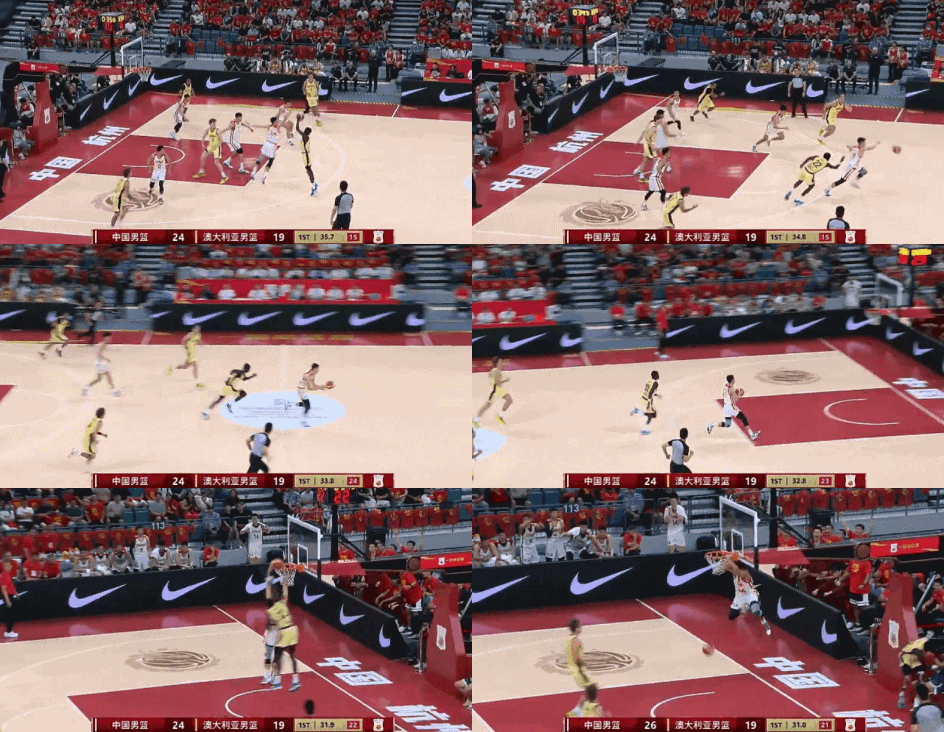
Many young players on this national training team are likely to become regulars for the national team in the future. Wang Haoran performed well on the court but still needs to be more careful with his ball handling. "Lao Liu" Pang Zhenglin impressed with two driving layups at the end of the third quarter, especially the buzzer-beater where he blew past his defender and finished with a one-handed, high-arcing layup—very stylish. His speed and aggressiveness were eye-catching.
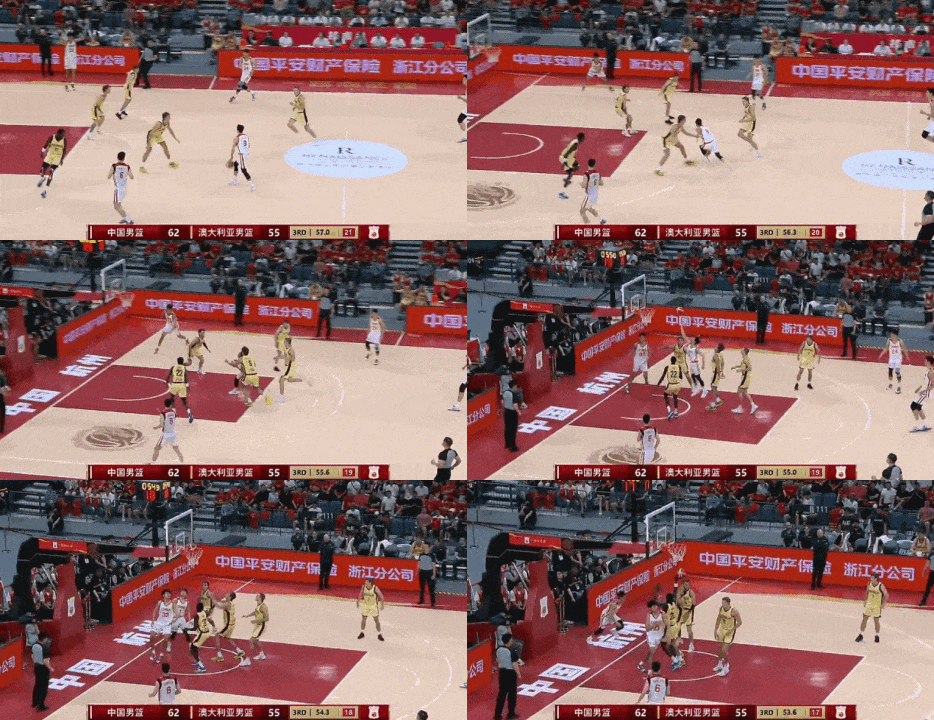
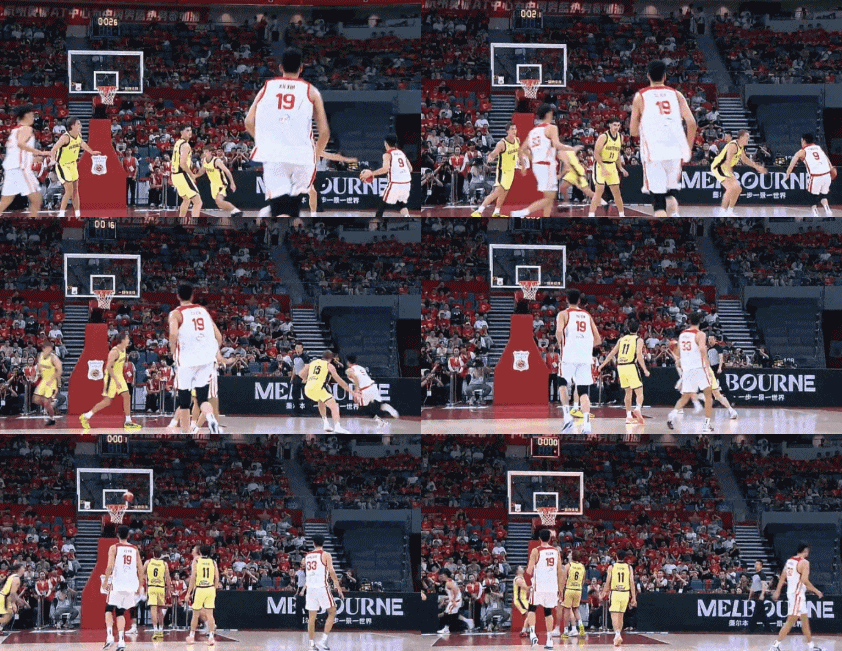
The biggest change in Guo Shiqiang's national team compared to previous iterations is that they no longer insist on playing half-court offense. The pace has become much faster, with most of the ball handling in the hands of guards and forwards, while the big men focus on finishing inside off feeds. This makes interior players like Hu Jinqiu crucial, as they provide reliable finishing ability.
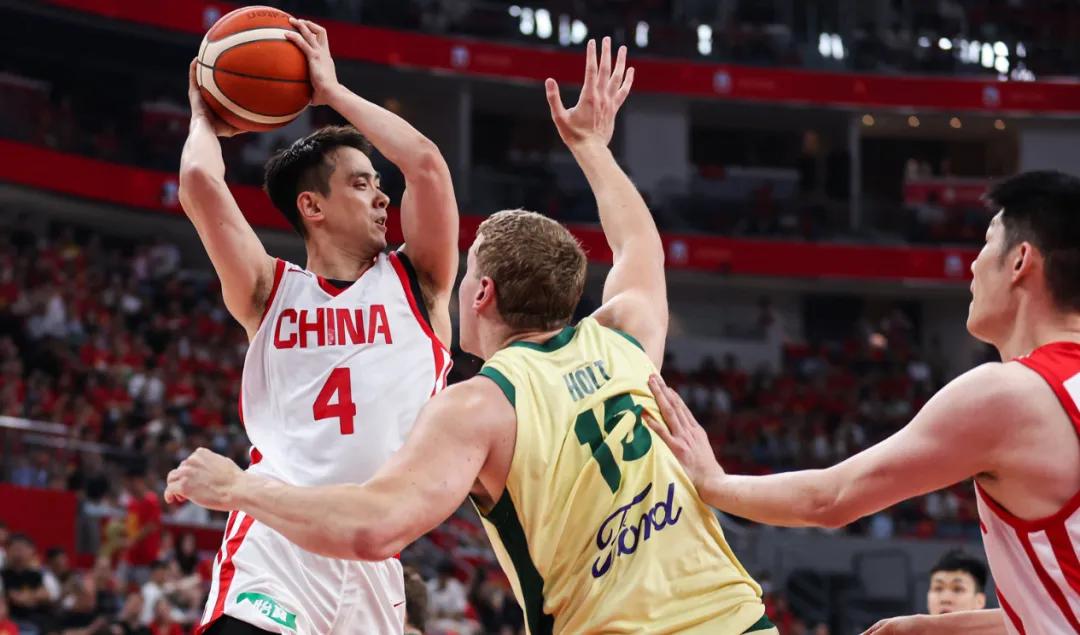
Yang Hansen will play in tomorrow's warm-up game, marking his return to the national team after 486 days. The fast-paced style of the current national team should suit Yang Hansen, who got plenty of practice running up and down the court during his time in the development league.
The last time Yang Hansen represented the national team, he was still a member of the Qingdao team. Now, after a year of training in the NBA environment, the upcoming games will be the moment to test his progress.


Wonderfulshortvideo

Heard the U.S. Open is today ⛳️


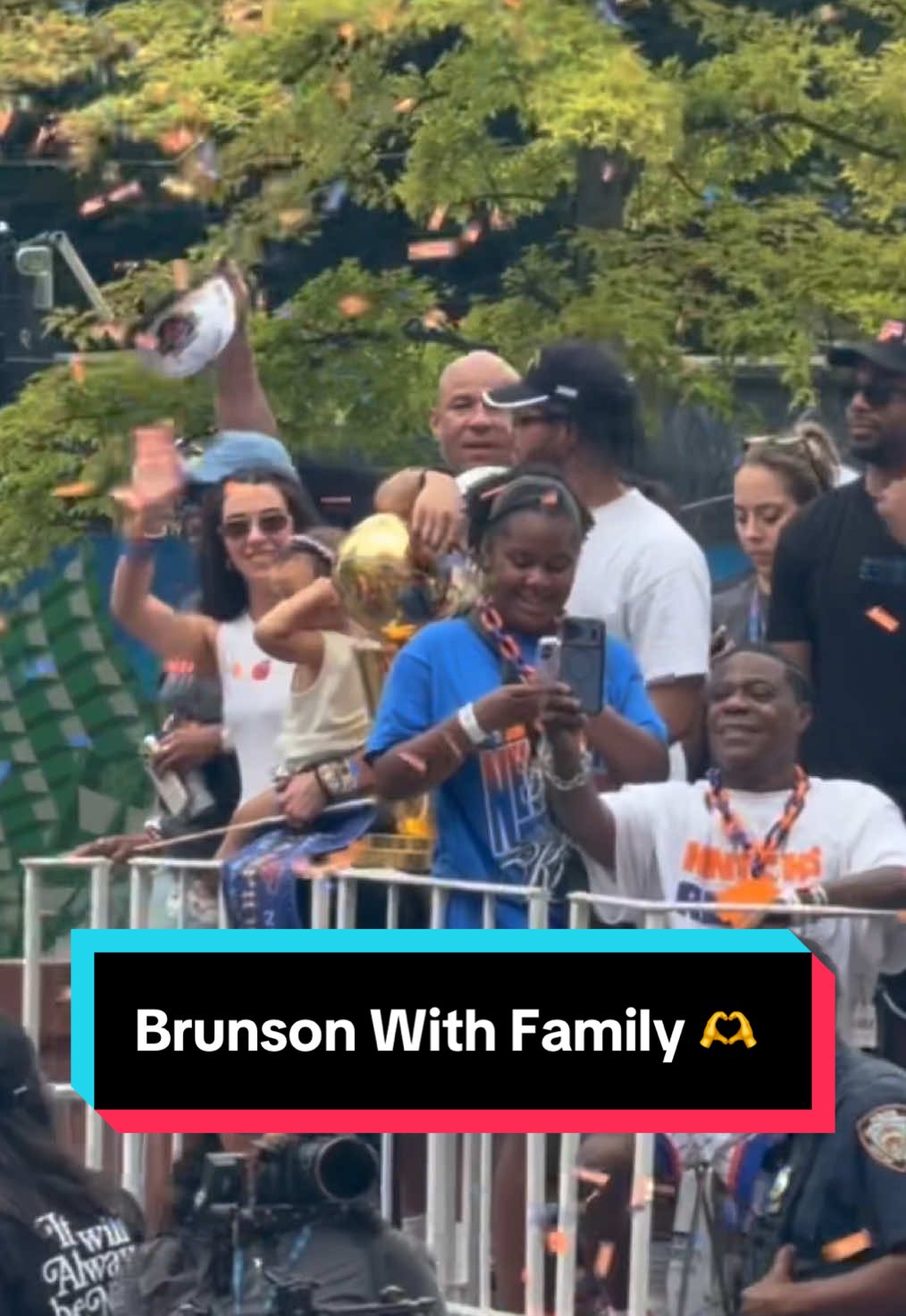
Jalen Brunson on the float with @The Larry O’Brien Trophy ‼️
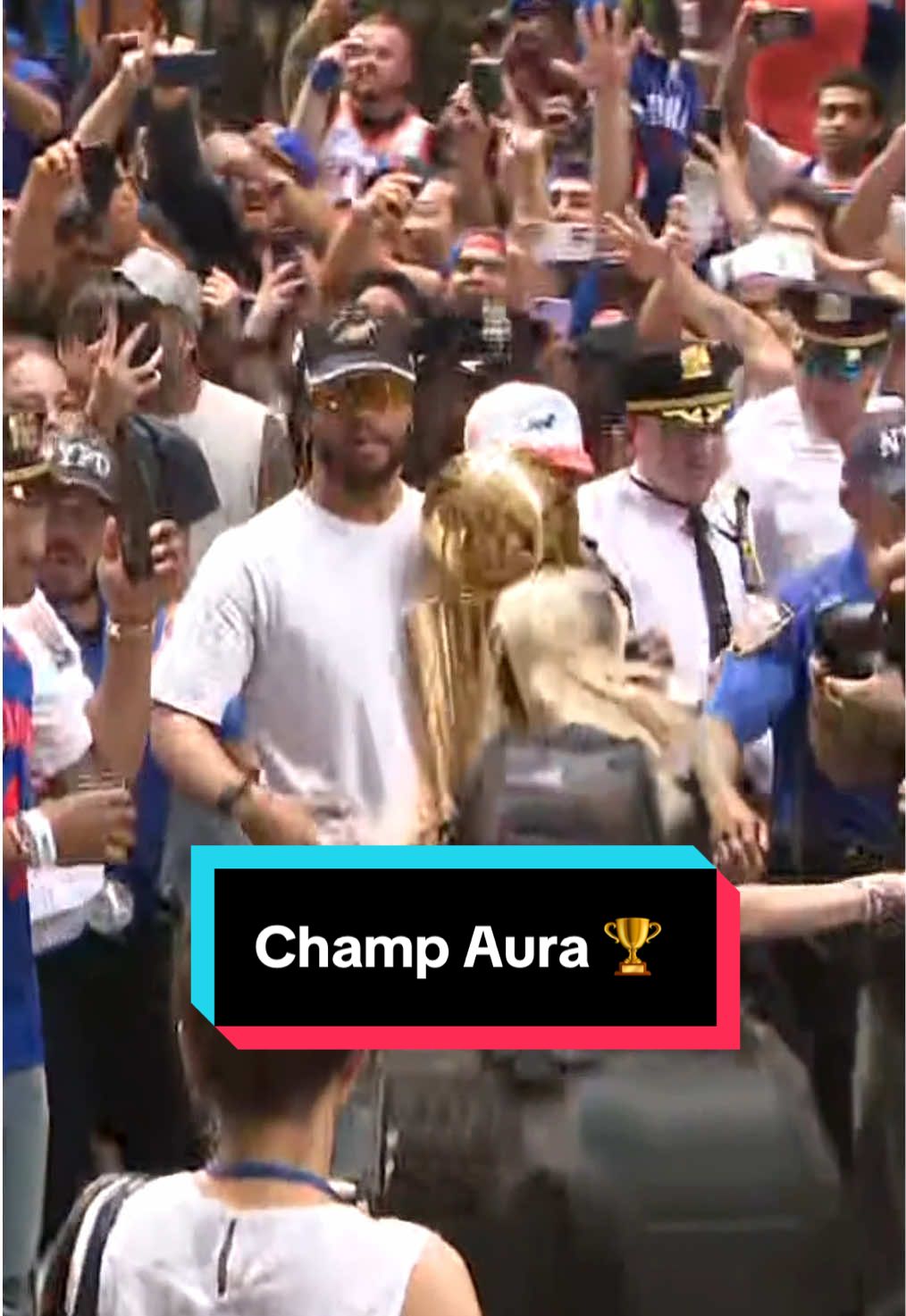
Jalen Brunson with @The Larry O’Brien Trophy at the Knicks Championship Parade 🫡🏆
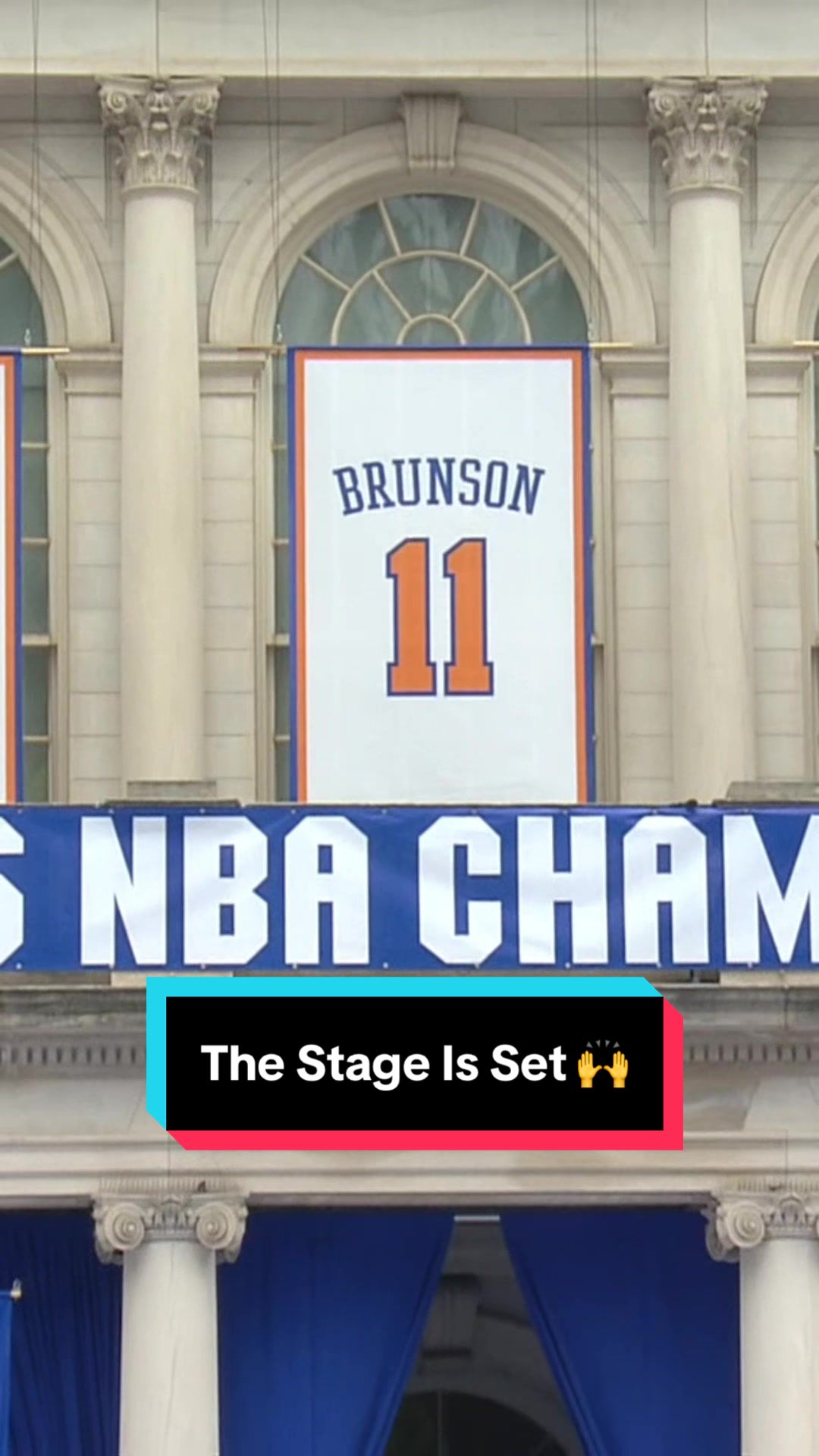
City Hall awaits the @New York Knicks arrival! 🏆
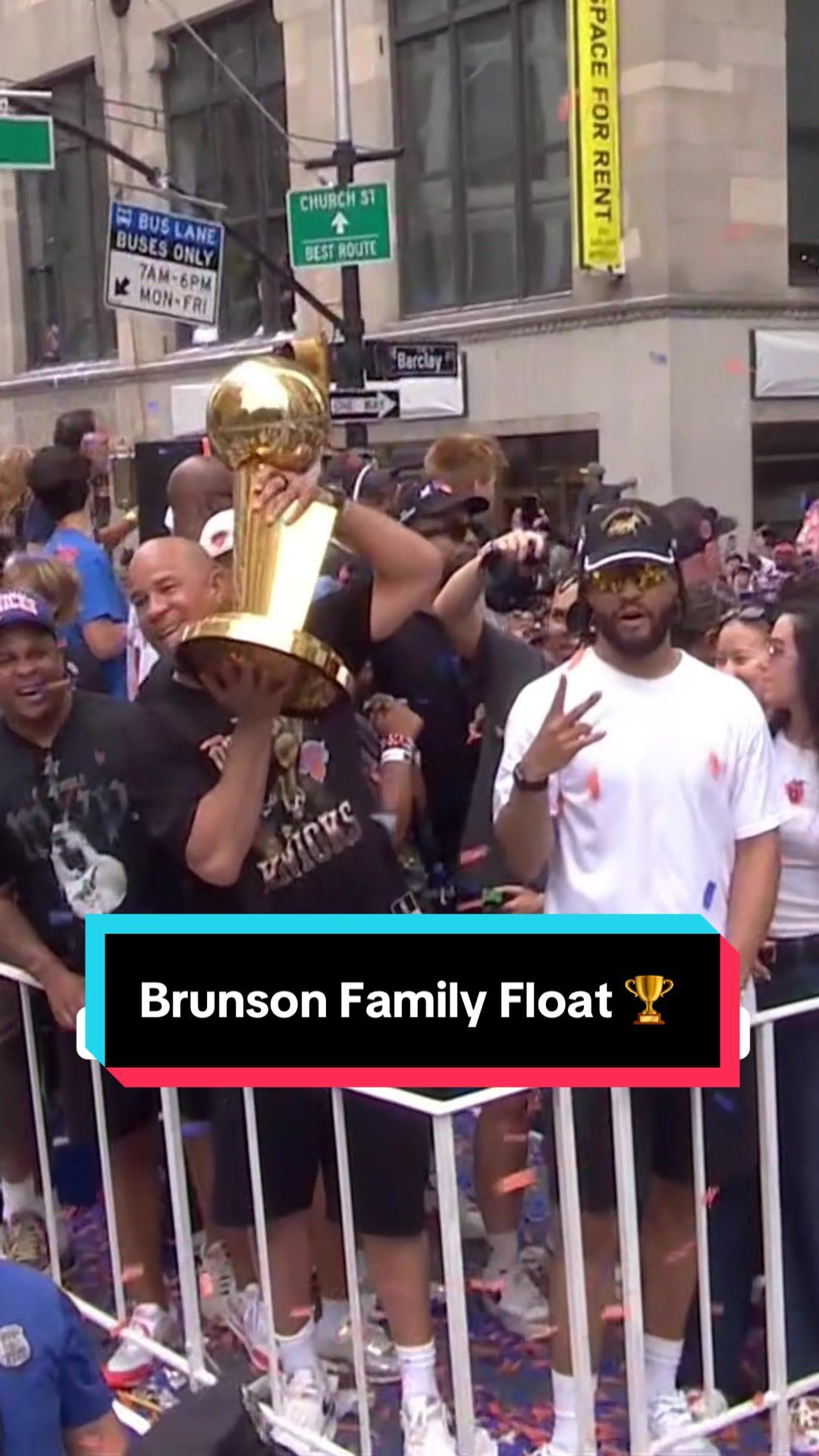
Rick Brunson seen holding the @The Larry O’Brien Trophy on the Brunson family float 🤩

Brunson lifts @The Larry O’Brien Trophy high 🙌 🏆
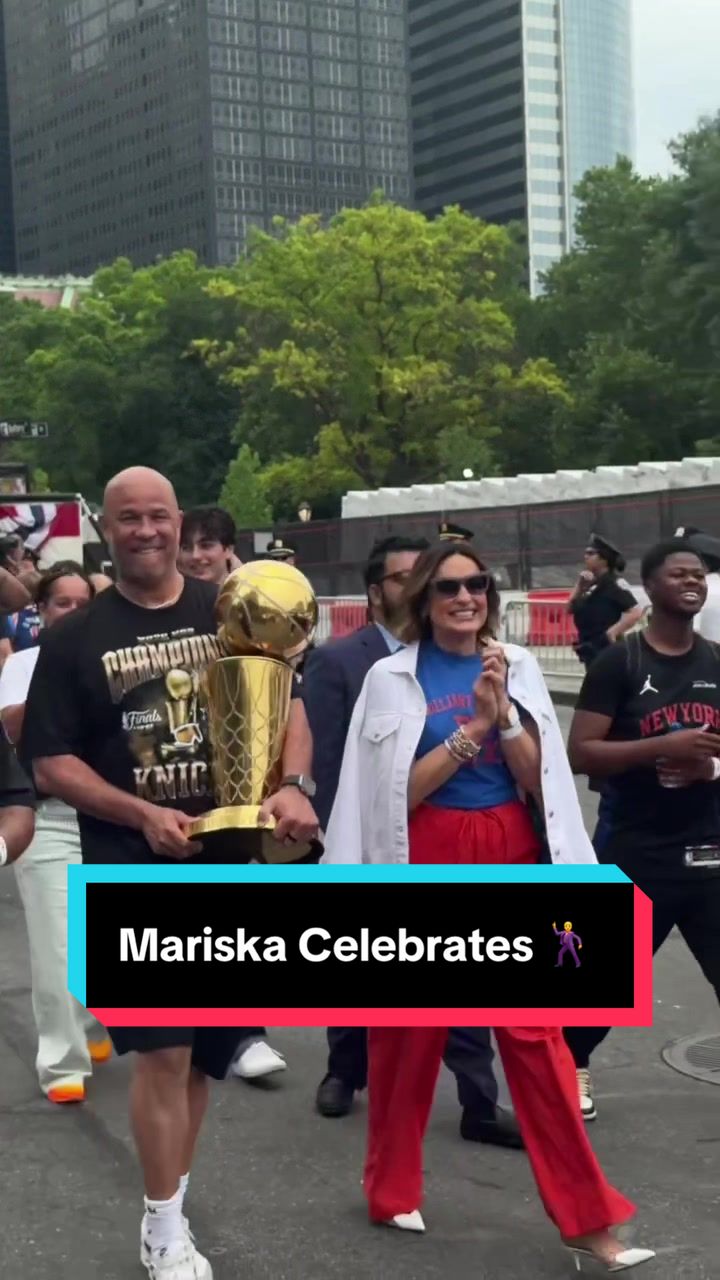
BIG Knicks fan Mariska Hargitay having a blast at the Knicks Championshup Parade 🤩 🙌
 Links
Links
 Contact
 App
App


