



Complete 30-team draft grades released: Grizzlies are big winners with highest A+, Lakers get C, Rockets C+


On June 25, the two-day NBA Draft wrapped up. How did the 30 teams fare? ESPN graded and broke down each team's selections. Memphis had the top draft performance, earning the sole A+ grade. Golden State, Oklahoma City, and San Antonio also impressed, each getting an A. Houston received a C+, the Lakers a C, and Portland—the only team without any picks—got the single lowest grade of F. Here is the detailed breakdown—


Atlanta Hawks: A-
First round: Kingston Fleming (8th pick), Zubi Echoff (23rd pick)
Second round: Henry Visal (52nd pick)

Several guards were taken before Atlanta's first-round pick, but the Hawks still landed their target: Houston freshman point guard Fleming.
Atlanta quietly assembled a complementary backcourt: Nickeil Alexander-Walker as a reliable two-way wing, CJ McCollum as a veteran shot-maker, Dyson Daniels as an energetic defender, and Fleming bringing explosive scoring off the dribble.
Coach Quin Snyder can mix and match lineups, letting the 19-year-old develop at his own pace. Echoff, with his length and toughness, addresses Atlanta's long-standing frontcourt weakness. After four years of college, he is ready to contribute immediately.
Boston Celtics: A-
First round: Chris Senac (27th pick)
Second round: Dillon Mitchell (40th pick)

Brad Stevens made a sharp move, grabbing Senac, a versatile big man. He was a top-10 high school prospect but underperformed as a freshman at Houston.
At 6'11" and 240 pounds, Senac is a tweener forward/center. However, he perfectly fills Boston's biggest weakness: during the playoffs against the 76ers, the Celtics lacked frontcourt depth and experience.
To realize his high school potential, Senac needs several rounds of refinement.
He can first provide physicality off Joe Mazzulla's bench, then work on his three-point shooting and finishing to earn more minutes in Boston's spaced offense.
Brooklyn Nets: C+
First round: Michael Brown Jr. (6th pick), Joshua Jefferson (28th pick)
Second round: Tyler Bilodo (43rd pick)

The Nets dropped three spots in the lottery, missing out on top prospects. They didn't trade up and passed on Arkansas's Darius Acuff to select Louisville freshman guard Brown—a player who missed significant time with a back injury. This choice will be heavily debated as the draft class develops.
Brooklyn selected four guards in last year's first round. If Brown develops his strength and becomes the best of that group with his shooting and tough on-ball play, it will erase some past draft mistakes.
Many fans will later lament that with better lottery luck, the Nets could have landed interior prospects like AJ Dybantsa, Cameron Boozer, or Caleb Wilson.
Currently, Brooklyn's frontcourt core is Jalen Porter Jr. and Julius Randle, leaving the team's direction unclear. However, the Nets did well at the end of the first round by picking Jefferson, a high-IQ senior.
Charlotte Hornets: B-
First round: Hannes Steinbach (14th pick), Christian Anderson (18th pick)

No mistake—Hannes Steinbach and Christian Anderson are basketball players; their names just happen to match famous novelists.
Washington's German center Steinbach is highly efficient around the rim. Texas Tech sharpshooter Anderson fell outside the lottery due to defensive concerns.
Charlotte improved significantly last season, and the two rookies address key needs: the Hornets lack frontcourt size and depth, and as a team ranked second in three-point attempts, they need more shooters. Coach Charles Lee will welcome the addition.
Chicago Bulls: B+
First round: Caleb Wilson (4th pick), Dailyn Swain (15th pick)

After a decade of mediocrity and dull play, drafting Wilson is an exciting move for the Bulls.
Under new management led by GM Bryson Graham and coach Tiago Splitter, Wilson's explosive athleticism and flashy style could revive the franchise from its long slump.
Pairing Wilson with 2024 lottery pick Matas Buzelis gives Chicago two elite fast-break weapons. Next season, alley-oops between him and Josh Giddey will dominate social media.
Wilson boldly stated he aims to "surpass Mike"—referring to fellow North Carolina alum and Bulls legend Michael Jordan. However, both he and Texas forward Swain need to improve their shooting and not rely solely on athleticism.
Chicago traded for non-shooting center Nicolas Claxton this week. Whether this roster can stretch the floor and transition its fast-break success into half-court offense remains questionable.
Cleveland Cavaliers: B-
Second round: Malik Thomas (34th pick)

Thomas is an aggressive, offense-minded shooter. At Arkansas, he focused solely on shooting and often drifted on defense.
However, Cleveland's strong defensive backcourt is a good fit for him. His accurate three-point shooting can energize the team's declining perimeter offense.
The Cavaliers ranked second in three-point percentage in 2024-25 but fell to 13th last season.
Dallas Mavericks: B+
First round: Mo Johnstone Jr. (9th pick), Sergio De Larrea (25th pick)
Second round: Toby Laval (48th pick), Fsevolod Ishchenko (56th pick)

Dallas just hired former Michigan coach Dusty May, then drafted Johnstone, forming a "Michigan Mavericks" core.
During Michigan's NCAA championship run, Johnstone contributed with tireless defense and rebounding, while also developing his three-point shot.
If his three-point shooting becomes consistent, this pick will be a steal. The Mavericks need fresh talent around last year's No. 1 pick Cooper Flagg. When opponents double-team Flagg, Johnstone will get easy scoring opportunities.
Spanish league product De Larrea and Virginia Tech forward Laval are low-risk, high-reward picks. Management gave May several years to rebuild, and this draft is a strong start.
Denver Nuggets: C
Second round: Tre'on Brazile (35th pick), Bryce Hopkins (49th pick)

With Jokic in place, it's hard for the Nuggets to upgrade with only second-round picks. However, Brazile gives coach David Adelman a backup option for the injury-prone Aaron Gordon; Hopkins has a standard forward build and four years of college experience.
Brazile is flashy but inconsistent. His highlight-reel athleticism is impressive, but he never fully integrated his skills over five college seasons.
If he can grab offensive rebounds and finish alley-oops from Jokic, his rookie season will be a success.
Hopkins shot only 32.4% from three over four college years—an area Denver will focus on improving.
Detroit Pistons: B+
First round: Ebuka Okorie (17th pick)
Second round: Ugonna Onyenso (53rd pick)

The playoffs exposed Detroit's biggest weakness: a severe shortage of secondary ball-handlers. Their efficient regular-season offense dropped nearly seven points in the postseason, and Cade Cunningham's usage rate soared to 32.4%.
Stanford freshman Okorie perfectly fills that gap, excelling at driving and breaking down defenses.
The Pistons traded lottery pick Jaden Ivey at the deadline, and backup guard Daniss Jenkins struggled in the first round of the playoffs. Detroit desperately hopes Okorie can quickly earn rotation minutes.
Golden State Warriors: A
First round: Yancksel Lundberg (11th pick)
Second round: Rajay Jones (54th pick)

If the Warriors had a higher pick, management would face a tough choice: draft a ready-now player to help Curry and Green contend, or bet on a high-upside prospect for the future.
With the 11th pick, the choice was clear: Lundberg. This forward's two-way versatility led Michigan to the NCAA title.
The 23-year-old rookie is expected to get heavy minutes immediately. Golden State's frontcourt desperately needs size, skill, athleticism, and switchability—Lundberg checks all those boxes.
Curry has repeatedly said he wants to play competitive basketball in his final years. Among the remaining prospects in this draft, no one helps the Warriors achieve that goal more than Lundberg.
Houston Rockets: C+
Second round: Bruce Thornton (31st pick)

Houston had no first-round pick but opened the second round by selecting Thornton, a sturdy guard who played four years at Ohio State.
Fred VanVleet is returning from a major knee injury, but last season the Rockets lacked backcourt playmaking, leading to a playoff collapse.
Thornton is undersized and prefers scoring over passing, but Houston urgently needs someone who can create offense.
Kevin Durant faced heavy ball-handling pressure in his first season, and lottery picks Amen Thompson and Reed Sheppard also need to improve their passing.
Indiana Pacers: C+
Second round: Braden Smith (38th pick)

Smith, a native of Indiana who played four years at Purdue, was drafted by his home-state Pacers.
Due to his size, expectations for his NBA career are low. But he is a fierce competitor and holds the NCAA all-time assist record.
His training camp battles with TJ McConnell might be worth paying to watch.
LA Clippers: A-
First round: Keaton Wagler (5th pick)
Second round: Baba Miller (36th pick), Nick Matelini (55th pick), Nacisse Ngoy (57th pick)

For the first time since drafting Blake Griffin in 2009, the Clippers had a top-five pick. Previously, they built contenders through trades and free agency.
After the veteran core peaked last season, the Clippers traded Ivica Zubac to the Pacers for this pick, selecting Wagler to inject young blood.
Rather than chasing flashy high school phenoms with uncertain ceilings, LA chose Wagler, a skilled ball-handler who carried Illinois' offense as a freshman.
As the Clippers enter a post-Kawhi rebuild, Wagler will form a new backcourt with Darius Garland.
Critics will question their slight frames and lack of physicality, but both Garland and Wagler provide excellent outside shooting and unselfish passing, creating open looks for teammates.
Los Angeles Lakers: C
First round: Cameron Carr (24th pick)

Carr fits the Lakers' typical profile: 21 years old, three years of college, a consistent three-point shooter at Baylor, especially effective in catch-and-shoot situations.
As the Lakers rebuild around Luka Doncic, a cheap rookie who provides quality spacing is valuable.
However, the wing is severely underweight, listed at just 185 pounds. Until he bulks up, he will be targeted defensively.
Historically, Doncic has succeeded with traditional 3-and-D wings, but Carr doesn't yet meet that standard.
Memphis Grizzlies: A+
First round: Cameron Boozer (3rd pick), Kareem Lopez (21st pick)
Second round: Richie Sanders (32nd pick)

Ja Morant's off-court issues derailed Memphis's previous cycle, so the team pivoted and drafted the versatile Boozer.
Boozer is likely to be the most accomplished player in this class. He has a diverse offensive game, clear playmaking vision, veteran-like rebounding, and fits the modern big man role on both ends. The franchise, which lost its way, needs a focused, disciplined young player like him to stabilize things.
Though Morant's future is uncertain, trading Jaren Jackson Jr. was a savvy move. Boozer fills the void left by Jackson, and his rookie contract is far cheaper than Jackson's $205 million over four years.
Boozer's vertical leap is average, but he can thrive alongside a rim-protecting center. Memphis already has 2024 lottery pick Zach Edey and acquired bruiser Isaiah Stewart from the Pistons to cover for Edey's frequent injuries.
To complete the trade, GM Zach Kleiman made multiple first-round pick swaps, stockpiled five future second-rounders, and used three of them to land Stewart.
Amid the complex moves, he also signed 19-year-old forward Lopez, who played in Australia's NBL. When the dust settled, the Grizzlies had a wildly successful draft.
Miami Heat: B+
Second round: Ryan Conway (37th pick)

After trading for Giannis Antetokounmpo, Miami's top priority was clear: outside shooting.
Last season, the Heat ranked 14th in three-point attempts and 11th in percentage. They traded Tyler Herro, and Norman Powell is testing free agency, leaving a huge perimeter scoring gap.
Conway, 22, played for four colleges and shot consistently everywhere. As a senior at Louisville, the 6'4" guard averaged nearly 10 three-point attempts per game with a 37.6% rate.
Milwaukee Bucks: B
First round: Brayden Burris (10th pick), Nate Ament (13th pick)
Second round: Malik Lewis (60th pick)

Entering the post-Giannis era, the Bucks drafted two freshmen: Arizona two-way guard Burris and Tennessee explosive forward Ament.
Previously, all Bucks acquisitions were built around Giannis, leaving the youth cupboard bare. Burris and Ament are two cornerstones for the rebuild. Ament acknowledged that Giannis's shoes are hard to fill and the team must be patient.
Burris can contribute as a rookie but won't become a primary ball-handler, falling short of the lottery guards ahead of him. Ament has elite physical tools but needs years to add muscle and refine his skills.
Fans will lament that the Bucks should have traded Giannis last offseason to chase a top-five pick. Still, landing two lottery prospects gives Milwaukee fans some comfort.
Minnesota Timberwolves: C-
Second round: Isaiah Evans (33rd pick), Trey Kaufman-Renn (59th pick)

Evans fell to the second round for obvious reasons: the Duke guard is skinny, lacks driving threat, and offers little playmaking for others.
Minnesota hoped he would space the floor for Anthony Edwards, but they desperately need an offensive engine.
After trading Julius Randle to Brooklyn, all playmaking duties fall on Edwards.
New Orleans Pelicans: D
Second round: Jaren Pierre Jr. (58th pick)

Last year, the Pelicans traded an unprotected 2026 first-round pick to Atlanta to move up for Derrick Quinn. Fortunately, that pick landed at No. 8; if it had been higher, New Orleans would face fan backlash.
This year, the Pelicans' draft was completely uneventful—no carnival atmosphere. They had only one pick at the end of the second round, selecting 23-year-old guard Pierre.
Pierre comes from the 2020 All-American high school class, which includes Pistons star Cade Cunningham, entering his sixth season.
New York Knicks: C
Second round: Jack Cail (39th pick), Tyler Nickel (47th pick)

The Knicks begin their title defense next season, leaving little room for rookies. After a series of draft-week trades, they picked German guard Cail, 20, in the early second round; he will likely continue developing overseas.
Later, New York selected 6'7" forward Nickel, who played at three colleges and eventually shot 40% from three.
Oklahoma City Thunder: A
First round: Adai Mara (12th pick), Bennett Stirtz (16th pick)
Second round: Otega Oweh (41st pick)

Losing to the Spurs in the Western Conference Finals was partly due to injuries.
Objectively, Wembanyama dominated the Thunder's interior, while their inconsistent three-point shooting broke the offense.
GM Sam Presley addressed both issues: drafting Michigan giant center Mara in the first round and Iowa ironman guard Stirtz.
At 7'4", Mara is a joy to watch with his slick passing and smooth finishing; Stirtz's accurate three-point shooting balances the defensive-minded backcourt.
Even if painful salary cuts loom in coming weeks, Oklahoma City still boasts the deepest talent pool in the league for 2026-27.
Orlando Magic: C
Second round: Izayah Nelson (51st pick)

By the time the Magic made their only selection, fans had already lost patience.
Nelson, a 22-year-old big man, is in an awkward spot: he can't shoot threes and lacks the height for a traditional center.
However, last season at South Florida, he averaged 1.4 blocks and 1.6 steals per game, making tough defense his NBA calling card.
Philadelphia 76ers: B+
First round: Labaron Philon (22nd pick)

Many Philly fans still resent trading promising guard Jared McCain at the deadline, but Philon's arrival should ease some frustration.
After two years at Alabama, Philon seamlessly fits into the Sixers' second unit as a backup to All-Star Tyrese Maxey and rookie VJ Edgecombe.
Critics have long noted Philadelphia's small backcourt; the 6'3" guard can play on or off the ball, complementing both starters.
Last season, Maxey carried a heavy load. Philon's playmaking will provide crucial offensive support off the bench.
Phoenix Suns: D
First round: Koa Peat (30th pick)

Peat entered the draft after an average freshman season, though many thought he should stay in school to develop.
In the Final Four against Michigan's lottery big men, he was completely neutralized, shooting 6-of-18 in a blowout loss.
Questions about his small size, poor shot selection, and lack of switchability will follow him to the NBA.
On the bright side, Phoenix will give him ample playing time. Last season, they relied heavily on small-ball lineups and got destroyed inside by the Thunder in the first round of the playoffs.
Portland Trail Blazers: F
The Trail Blazers were the only team to forgo all draft picks, making no selections. If you don't show up for the exam, you can't get a passing grade.
Sacramento Kings: B+
First round: Darius Acuff Jr. (7th pick), Alex Karaban (29th pick)
Second round: Emmanuel Sharp (45th pick)

Acuff is a score-first, undersized guard who is unlikely to become the top option on a championship team.
However, the Kings have a more urgent goal: recover from a terrible 2025-26 season and develop a new generation of guards after trading Haliburton and Fox.
As a freshman at Arkansas, Acuff led the SEC in scoring and assists, and Sacramento will give him the green light from day one. Meanwhile, Karaban, a 23-year-old veteran with two NCAA titles, is a prototypical 3-and-D role player.
San Antonio Spurs: A
First round: Jayden Quaintance (20th pick), Tarris Reed Jr. (26th pick)
Second round: Jekobi Gillespie (42nd pick), Malik Brown (44th pick)

This draft showed the Spurs' plan: completely overhaul the frontcourt around Wembanyama. Their only starting power forward was Harrison Barnes, and all backup centers were over 30—a rotation that couldn't go far.
Quaintance is a defensive stopper with a strong frame, perfect alongside the long, switchable Wembanyama. The only concern is his recovery from knee surgery, which will delay his entry into the rotation.
Reed, 22, spent four years at Michigan and UConn and can immediately serve as a backup center. Similarly, Brown, who played at Syracuse and Duke, is an energetic interior defender.
The Spurs can field a top-tier defensive lineup of Wembanyama, Stephen Castle, Carter Bryant, and Quaintance. Quaintance and Reed inside will also help Wembanyama withstand the physical grind of playoff basketball.
In short, San Antonio successfully upgraded its frontcourt size.
Toronto Raptors: B-
First round: Alan Graves (19th pick)
Second round: Jaden Bradley (50th pick)

After rookie Colin Murray-Boyles impressed last year, Toronto followed the same formula, drafting forward Graves. He plays with relentless energy, high IQ, and is a favorite of analytics people.
To avoid positional overlap, the Santa Clara product must prove his 41.3% three-point shooting as a freshman was not a fluke.
He also has slow lateral quickness, making him vulnerable to guards in isolation. Whether he can adapt to NBA-level spaced defense remains unclear.
Utah Jazz: A-
First round: Darryn Peterson (2nd pick)

Nearly four years after trading Donovan Mitchell, the Jazz have drafted another guard who can be a franchise cornerstone. Don't just focus on his explosive scoring; this young player has elite two-way talent and plays with fluidity.
Utah was set on AJ Dybantsa, but Peterson is far from a consolation prize. The Ohio native perfectly fills the team's greatest backcourt need. If he overcomes the injuries that plagued his freshman season at Kansas, he has All-Star potential.
In the Stockton-Malone era, the Jazz relied on discipline and stability; in the Gobert era, they dominated with defense. Peterson's arrival will brand the team with a new label—extreme offensive firepower.
Once they gel, a lineup of Peterson, Keyonte George, Lauri Markkanen, Jaren Jackson Jr., and Ace Bailey will terrorize opposing defenses.
Washington Wizards: B
First round: AJ Dybantsa (1st pick)
Second round: Felix Okpara (46th pick)

The Wizards unsurprisingly took Dybantsa with the No. 1 pick, a decision that will spark debate for years. The BYU forward is the long-term answer: a dynamic scorer who can energize a team that ranked fourth-worst in offense last season. His stellar college numbers suggest an immediate impact as a rookie.
Since devastating injuries to lottery picks John Wall and Bradley Beal, the Wizards have been stuck in an endless rebuild. Management passed on the flashy but injury-prone guard Peterson for the safer Dybantsa. A team that hasn't won a playoff series since 2017 and hasn't had a 50-win season since 1979 can't be faulted for playing it safe.
With Trae Young signing a big contract, developing Dybantsa must be the top priority. Should the Wizards trade Anthony Davis this summer to clear the way for Dybantsa to fully unleash his offensive talents?


Wonderfulshortvideo
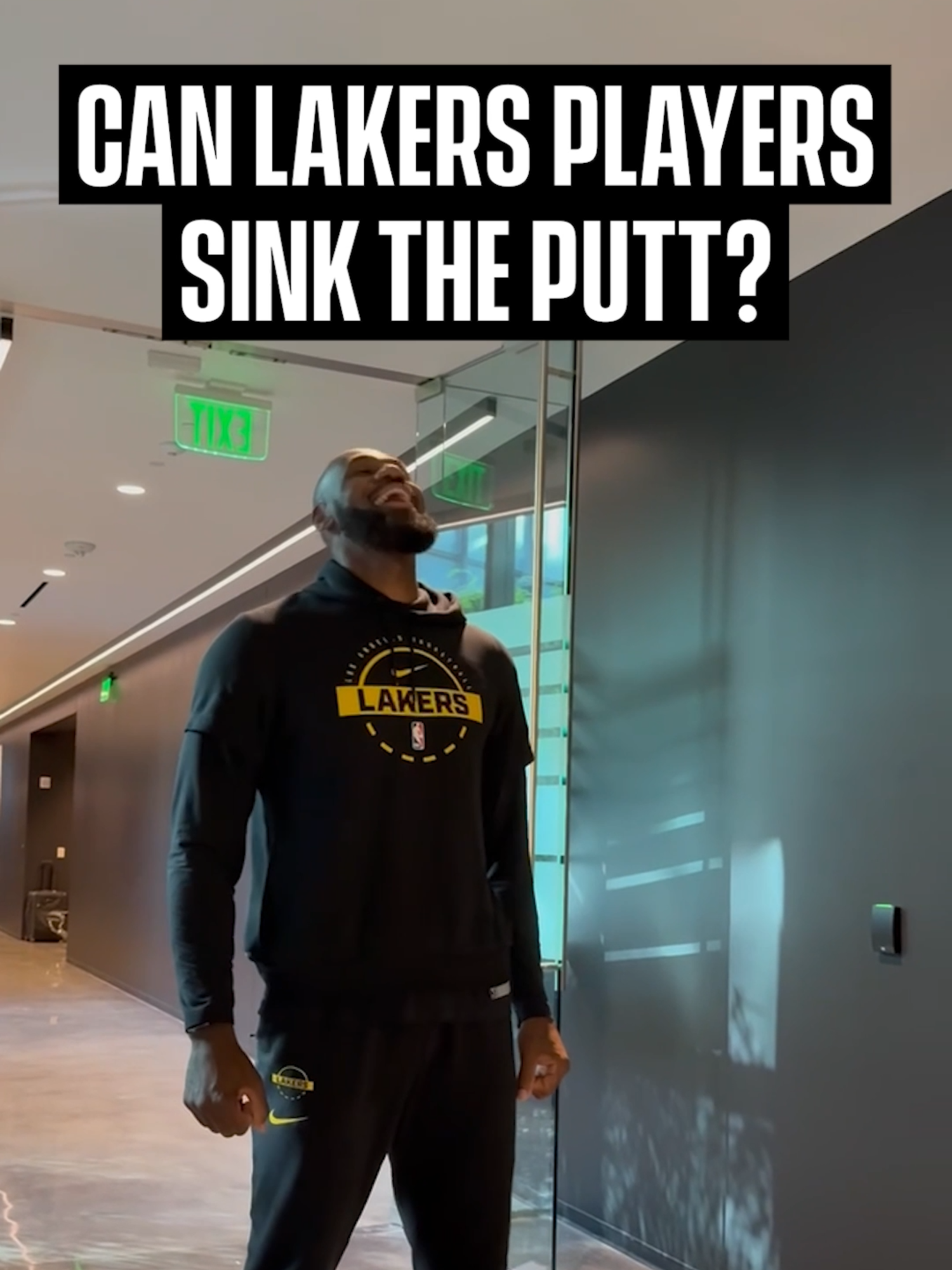
Heard the U.S. Open is today ⛳️


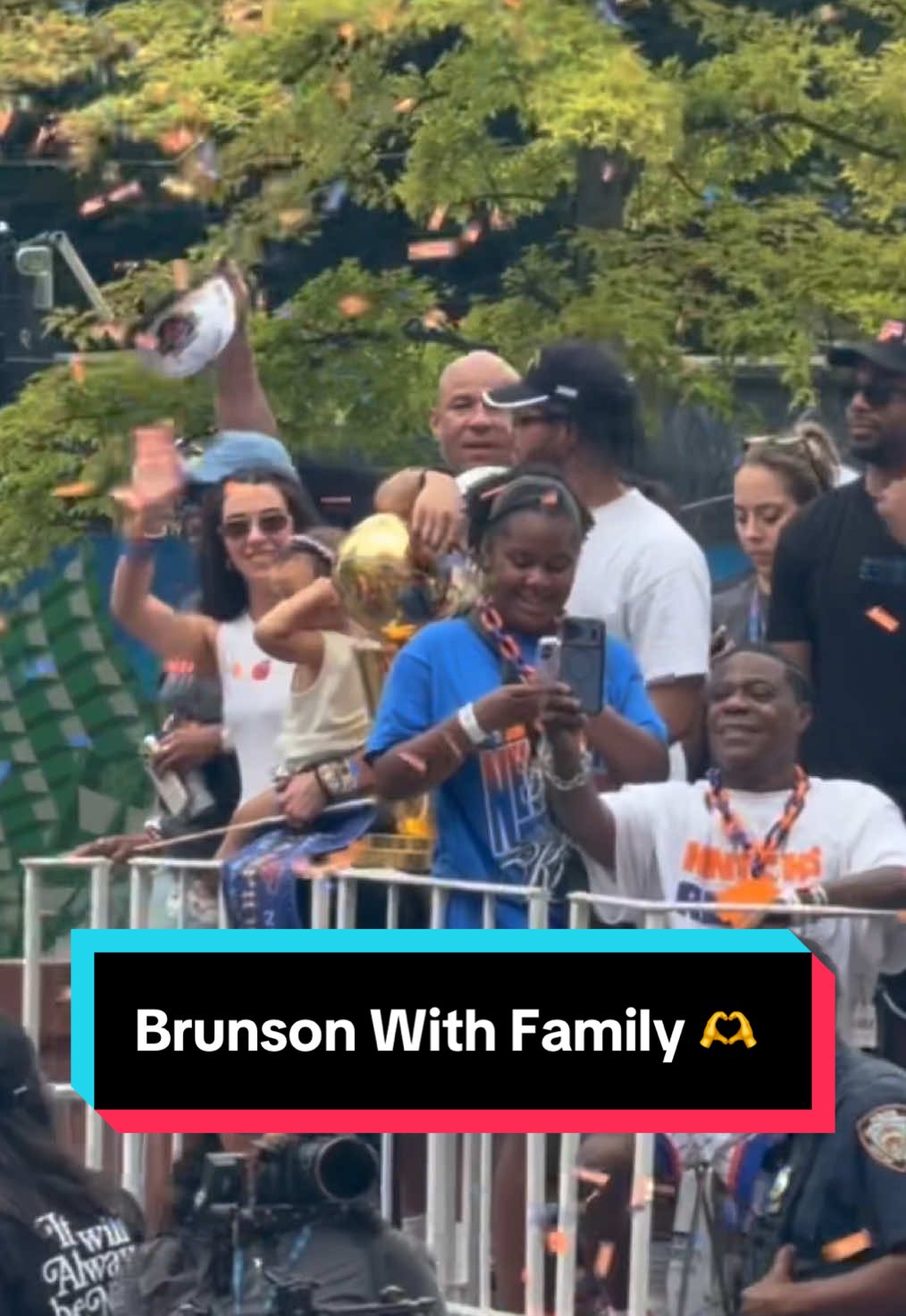
Jalen Brunson on the float with @The Larry O’Brien Trophy ‼️
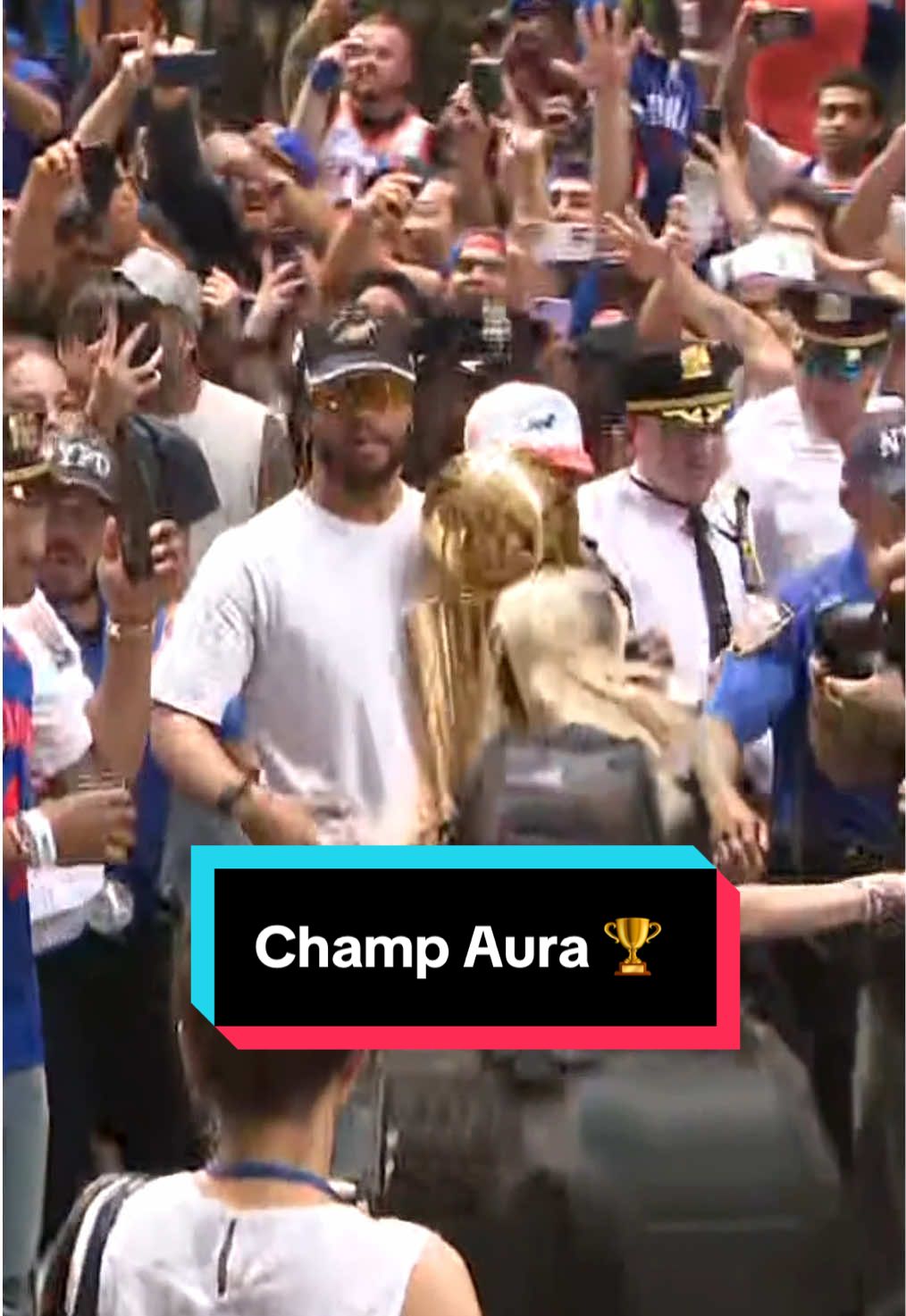
Jalen Brunson with @The Larry O’Brien Trophy at the Knicks Championship Parade 🫡🏆
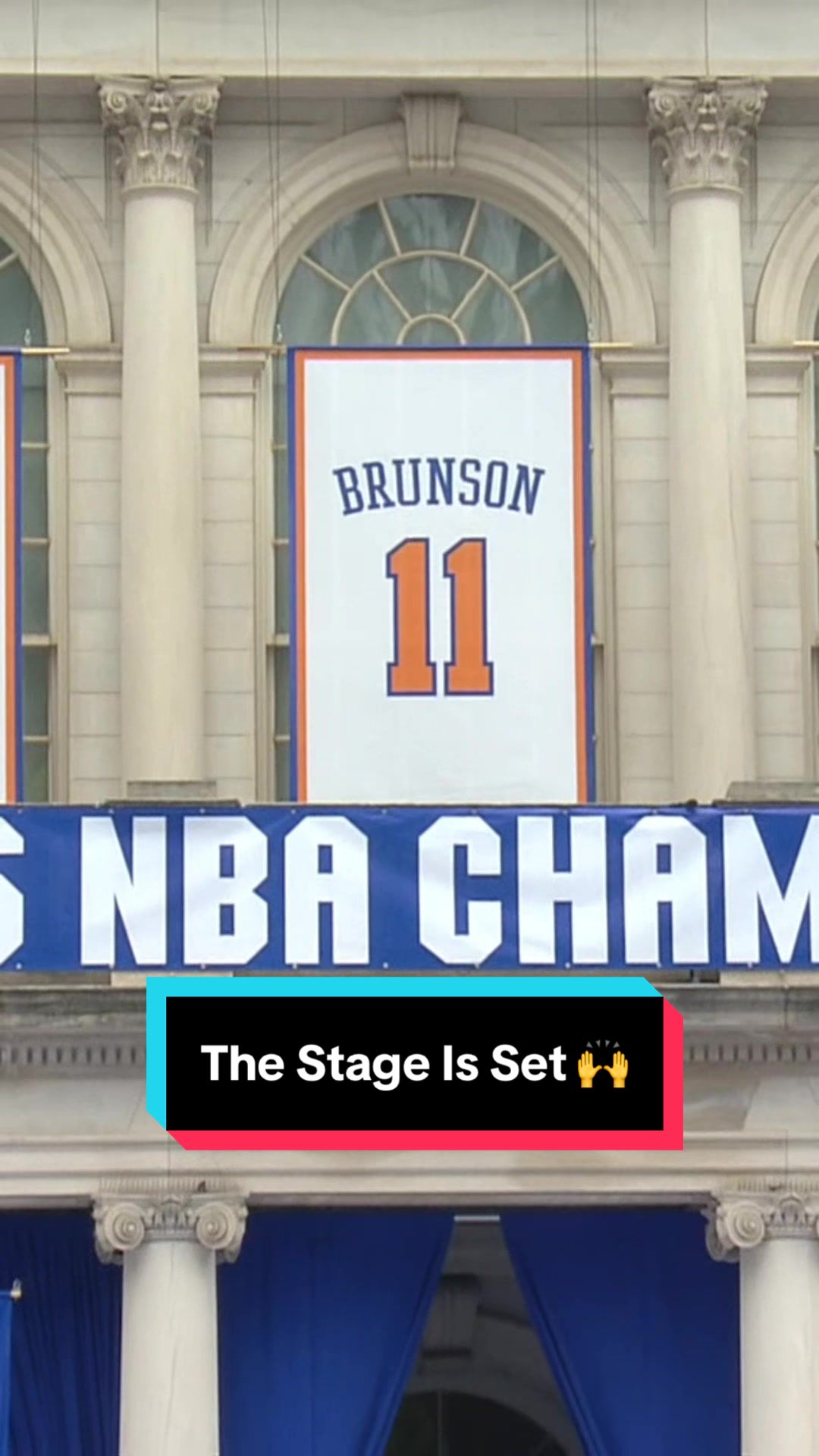
City Hall awaits the @New York Knicks arrival! 🏆
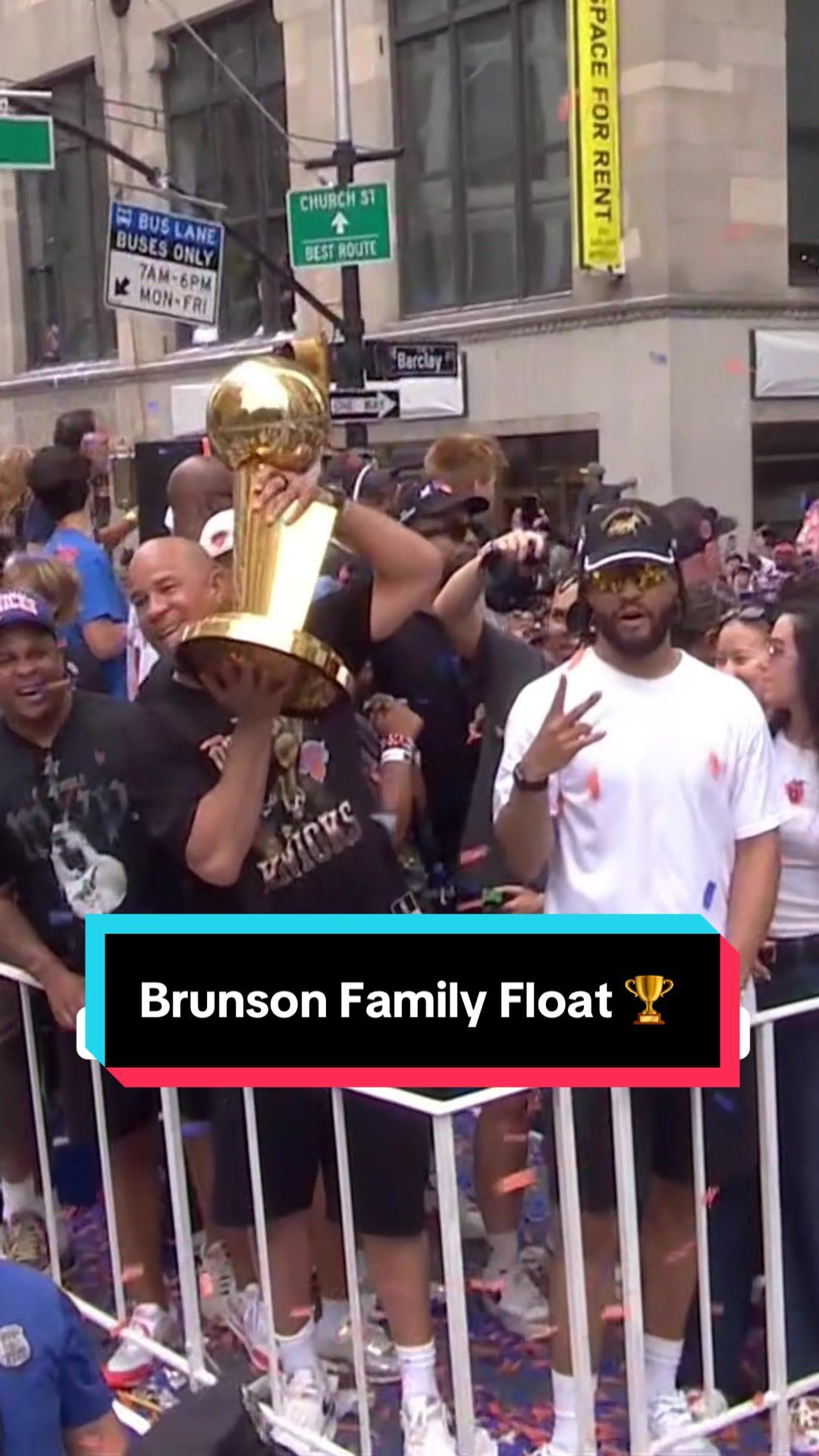
Rick Brunson seen holding the @The Larry O’Brien Trophy on the Brunson family float 🤩
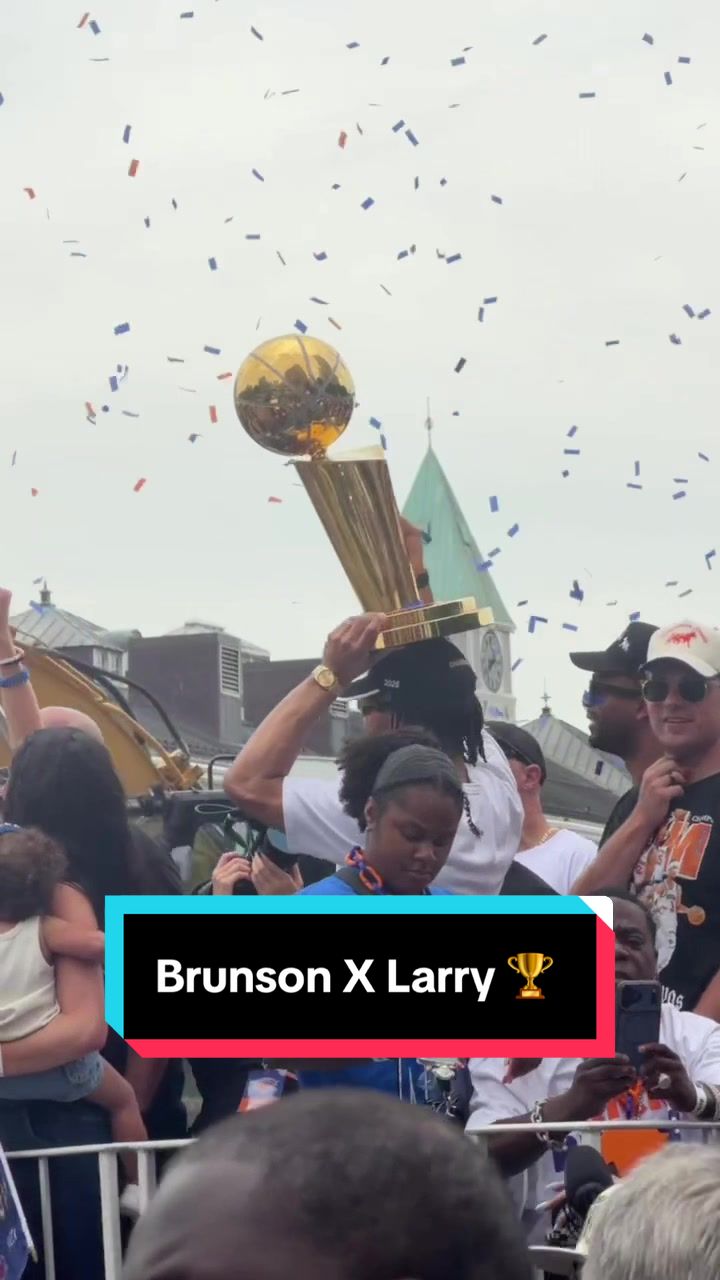
Brunson lifts @The Larry O’Brien Trophy high 🙌 🏆
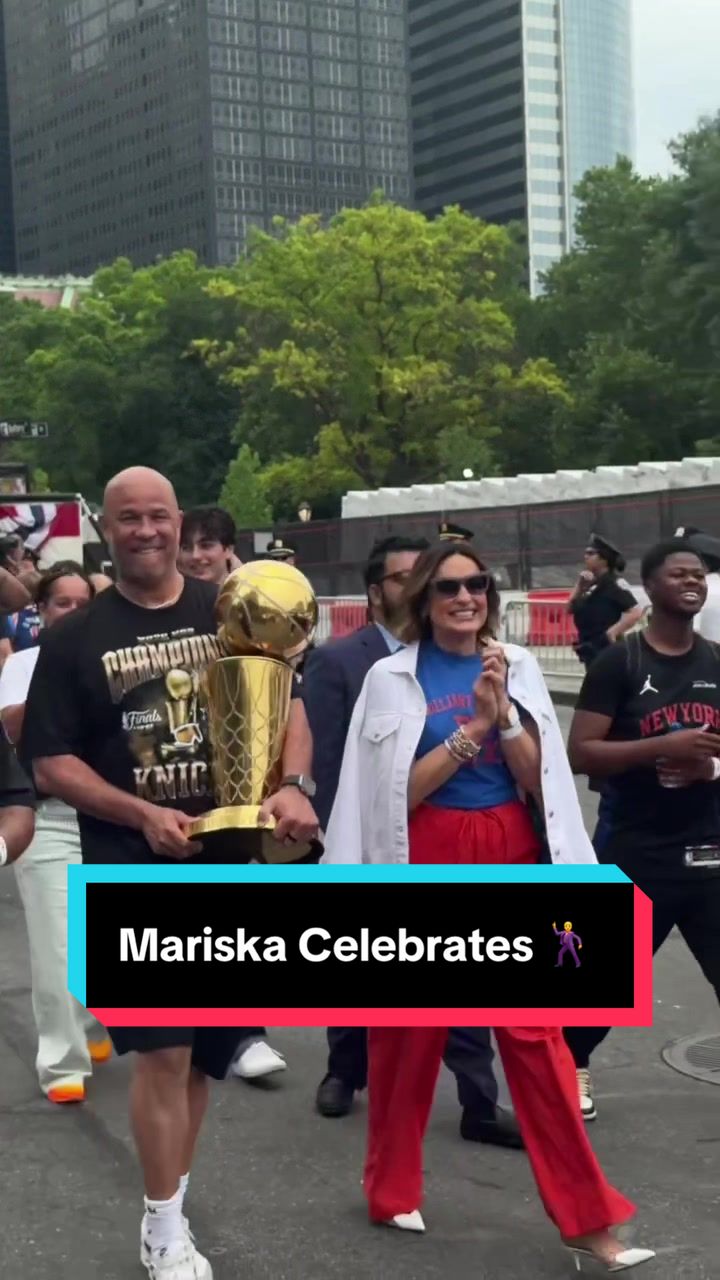
BIG Knicks fan Mariska Hargitay having a blast at the Knicks Championshup Parade 🤩 🙌
 Links
Links
 Contact
 App
App


