



Timberwolves' acquisition of LaMelo Ball Draws Skepticism! US Media Highlights Two Major Concerns, Calling It a Last-Ditch Gamble That Could Trap the Team


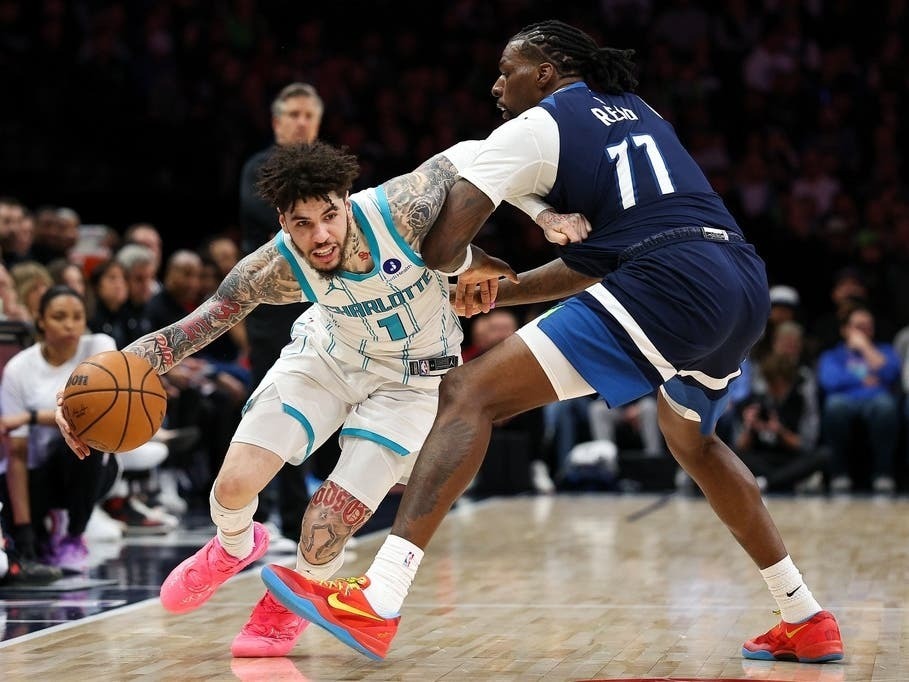
On June 26, Beijing time, the Timberwolves and Hornets completed a major 8-for-2 trade. Minnesota sent out Naz Reid, an unprotected 2033 first-round pick, three first-round swap rights (2028, 2029, 2030), and three second-round picks (2029, 2032, 2033), receiving LaMelo Ball and Josh Green from Charlotte. ESPN is pessimistic about Minnesota's move, giving it only a D+ grade (the Hornets received a B-). Here’s the detailed breakdown —
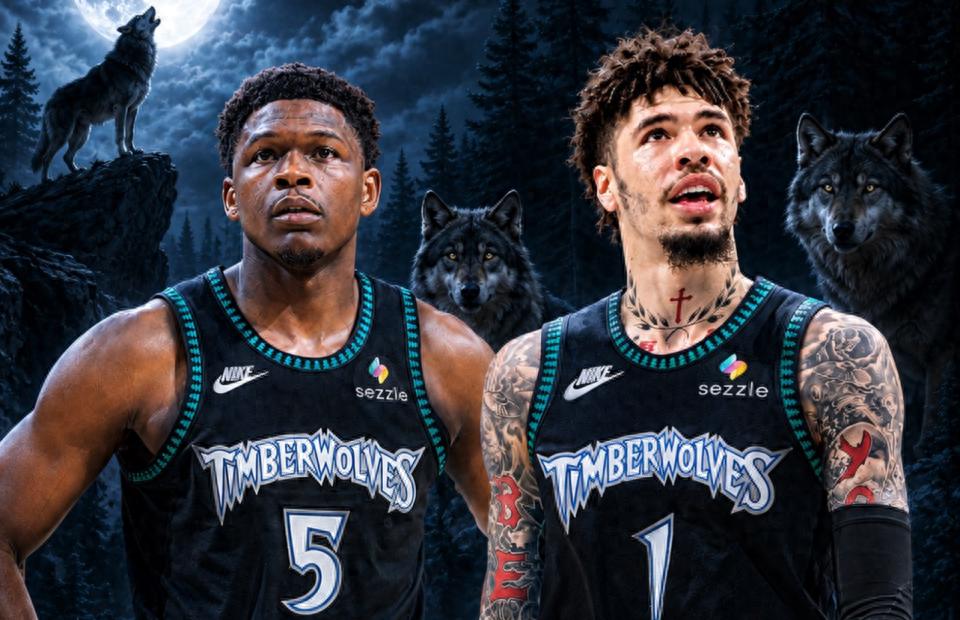
Last summer, the Timberwolves faced a tough decision. Randle, Reid, and Alexander-Walker were all potential free agents. In reality, the team that had reached the Western Conference Finals could only keep two of them. Eventually, Minnesota chose to bolster its frontcourt, re-signing both Randle and Reid while letting the smaller Alexander-Walker go, who later joined the Hawks.
A year later, it's clear the Timberwolves wish they could undo that decision: Alexander-Walker was named Most Improved Player this season, and after two blockbuster trades, both Randle and Reid have now left the team.
In the previous two offseasons, the Timberwolves had already exhausted most of their draft assets to acquire Gobert and Dillingham. Now, the team's 2027, 2028, 2029, 2030, 2031, and 2033 first-round picks are all out of their control. Due to second-apron restrictions, their 2032 first-round pick is also frozen.
In other words, this is Minnesota's final all-in bet to build a roster around Anthony Edwards. The team wants to break through the Thunder, Spurs, and other Western Conference powerhouses to reach the Finals, rather than bowing out after one or two rounds. Will this addition truly deliver?
Let's start with the positives. Despite occasional careless turnovers or rushed, off-balance three-pointers, Ball remains an elite offensive engine.He generates a high volume of shots, has consistent three-point shooting, outstanding passing vision, and runs pick-and-rolls to perfection. (According to basketball analytics firm Genius IQ, he ranked second in the league in total pick-and-roll possessions last season, trailing only Jalen Brunson.)
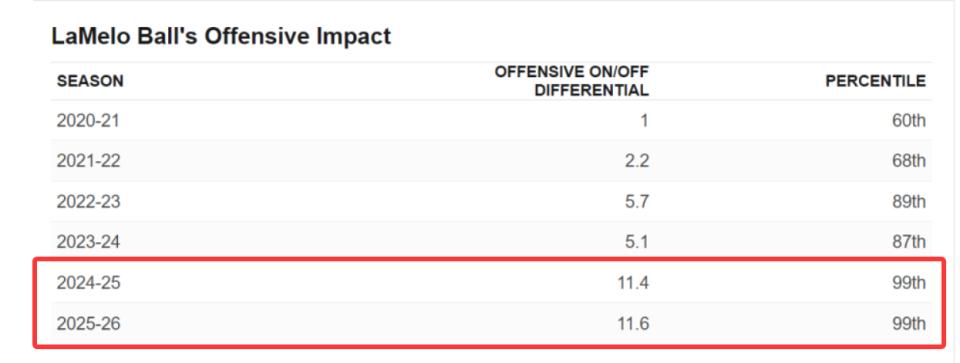
Per Cleaning the Glass, over the past two seasons, Ball's on/off offensive net rating ranks in the 99th percentile among all NBA players.When he's on the court, the Hornets' offense flows smoothly; when he sits, the offense immediately grinds to a halt.
Combining on-court net rating data, with both plus-minus estimation and expected real plus-minus (xRAPM) models, Ball's per-possession offensive impact ranks among the top five in the league. Ever since veteran point guard Mike Conley's decline, the Timberwolves have lacked a primary playmaker, and Ball's arrival fills that void perfectly.
Edwards and Ball are the No. 1 and No. 3 picks from the 2020 draft. Their partnership gives the Timberwolves one of the best backcourts in the entire league. Add in Ayo Dosunmu — who just signed a five-year, $112 million contract to stay with the team — and Minnesota's guard rotation has been completely transformed: the backcourt is no longer solely reliant on Edwards, but has become a major team strength.
Now for the downsides — two very troublesome concerns.The first issue is availability stability. The Timberwolves have essentially staked their future on Ball's health.
Since being named an All-Star in his second season, Ball's game totals over the last four years are: 36, 22, 47, and 72. Clearly, last season's 72 games look more like an outlier. Even with that spike in games, the Hornets kept his average minutes strictly around 28 per game to protect him. Ball may finally be past his injury issues and stay healthy going forward, but this bet carries extremely high risk.
The second fatal flaw is that the trade has shattered the team's roster balance.While the backcourt depth and firepower are maxed out, the frontcourt is suddenly paper-thin. Two of the team's three primary inside players left in the same trade.
The current Timberwolves roster: McDaniels at small forward, Gobert at center, 19-year-old Beringer as backup center, and a glaring hole at power forward. With the league once again emphasizing frontcourt size, this gap will be very hard to fill, and Minnesota no longer has enough assets to upgrade.
The team could move McDaniels up to power forward, but his greatest value lies in locking down opposing guards. According to Genius IQ's matchup data, in the playoffs he primarily guarded guards like Murray and Fox; during the regular season, he matched up against heavy wings like Durant and Leonard, and also cycled through defending primary ball handlers such as SGA and Curry.
The Timberwolves could also try to trade Donte DiVincenzo. He suffered an Achilles tendon tear in the playoffs and will be out long-term. The team would like to swap him for a big man, but with no quality draft picks left, it will be tough to convince another team to make a deal.
Additionally, after signing second-round pick Isaiah Evans and factoring in the hard cap (second apron) triggered by this multi-team trade, the Timberwolves have only about $10 million in cap space left to fill the final three roster spots. That amount is far from enough to sign players of sufficient caliber to build a championship-level rotation.
For a long time, the Timberwolves have been using their remaining meager assets to find a second star to pair with Edwards. Compared to the failed pursuits of Durant and Antetokounmpo, landing Ball is a decent fallback option. He is only 24 years old, and if he stays healthy, his three-year, $130.7 million contract is reasonable value, taking up roughly 25% of the salary cap.
However, the team has placed its final gamble on a guard who is injury-prone and weak defensively: they've filled the playmaking hole, but torn an equally large hole in the frontcourt.This move could leave the Timberwolves in a no-win deadlock. By next summer, if the team wants to tear it down again, their flexibility will be even more limited than it is now.


Wonderfulshortvideo
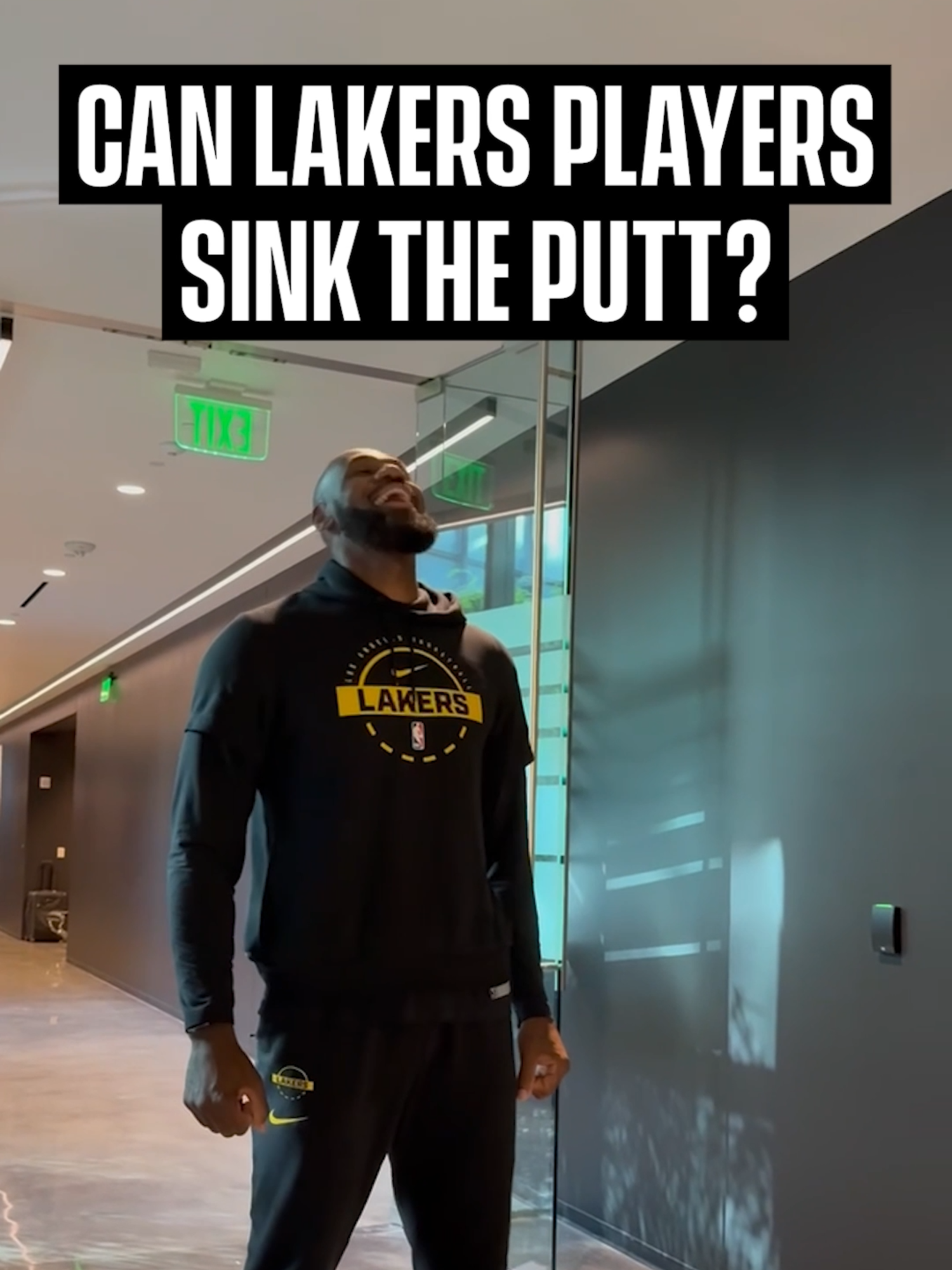
Heard the U.S. Open is today ⛳️


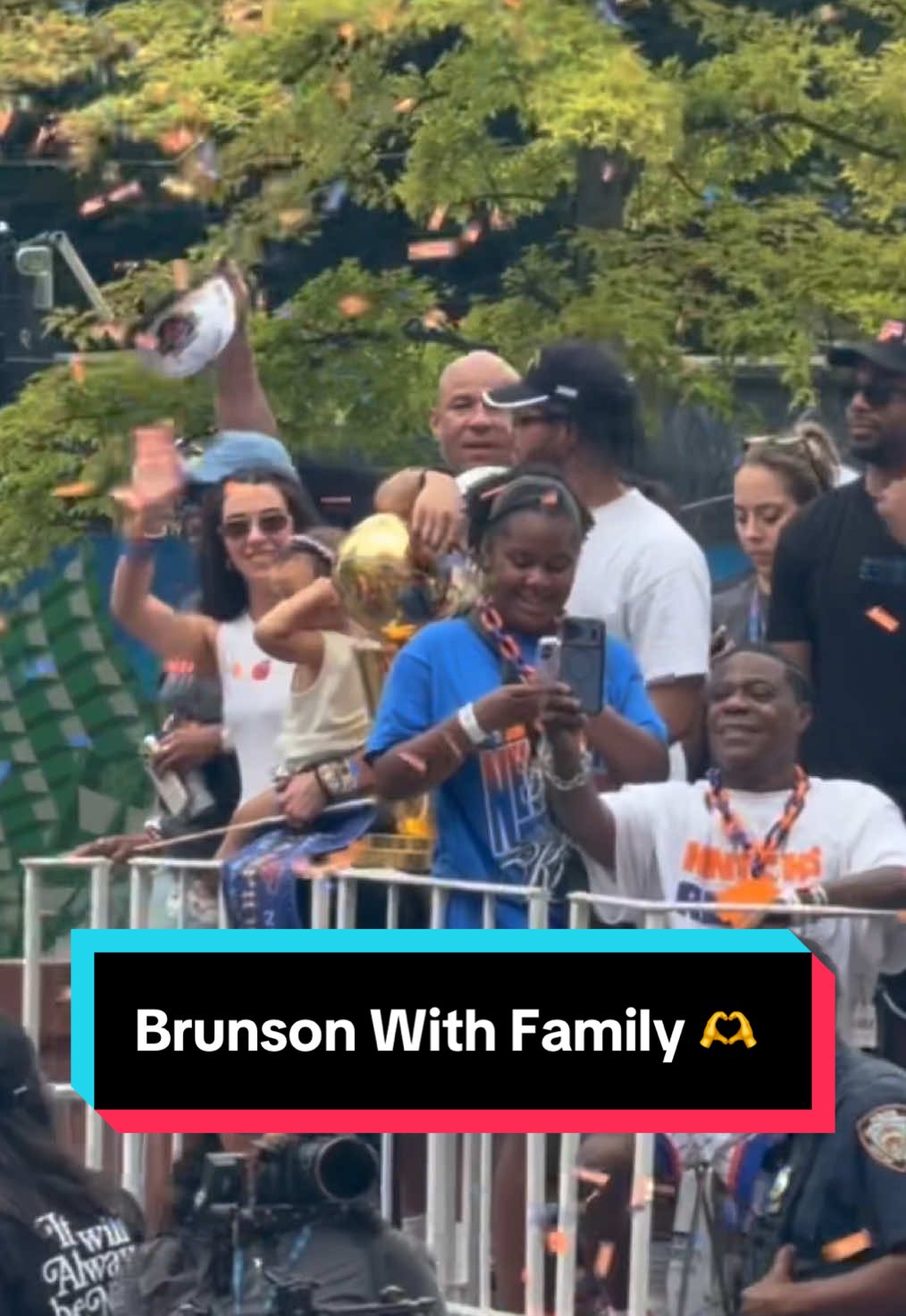
Jalen Brunson on the float with @The Larry O’Brien Trophy ‼️
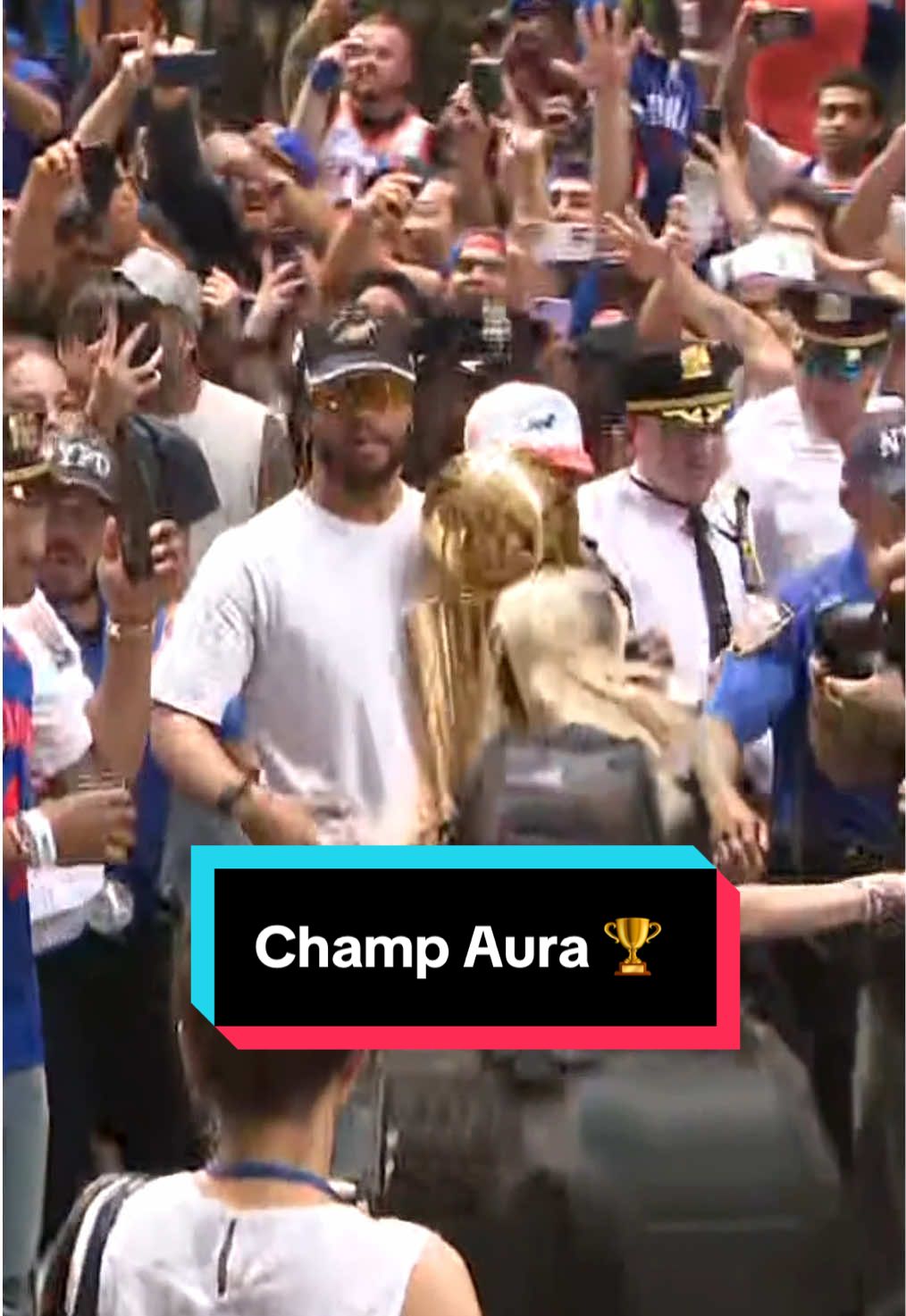
Jalen Brunson with @The Larry O’Brien Trophy at the Knicks Championship Parade 🫡🏆
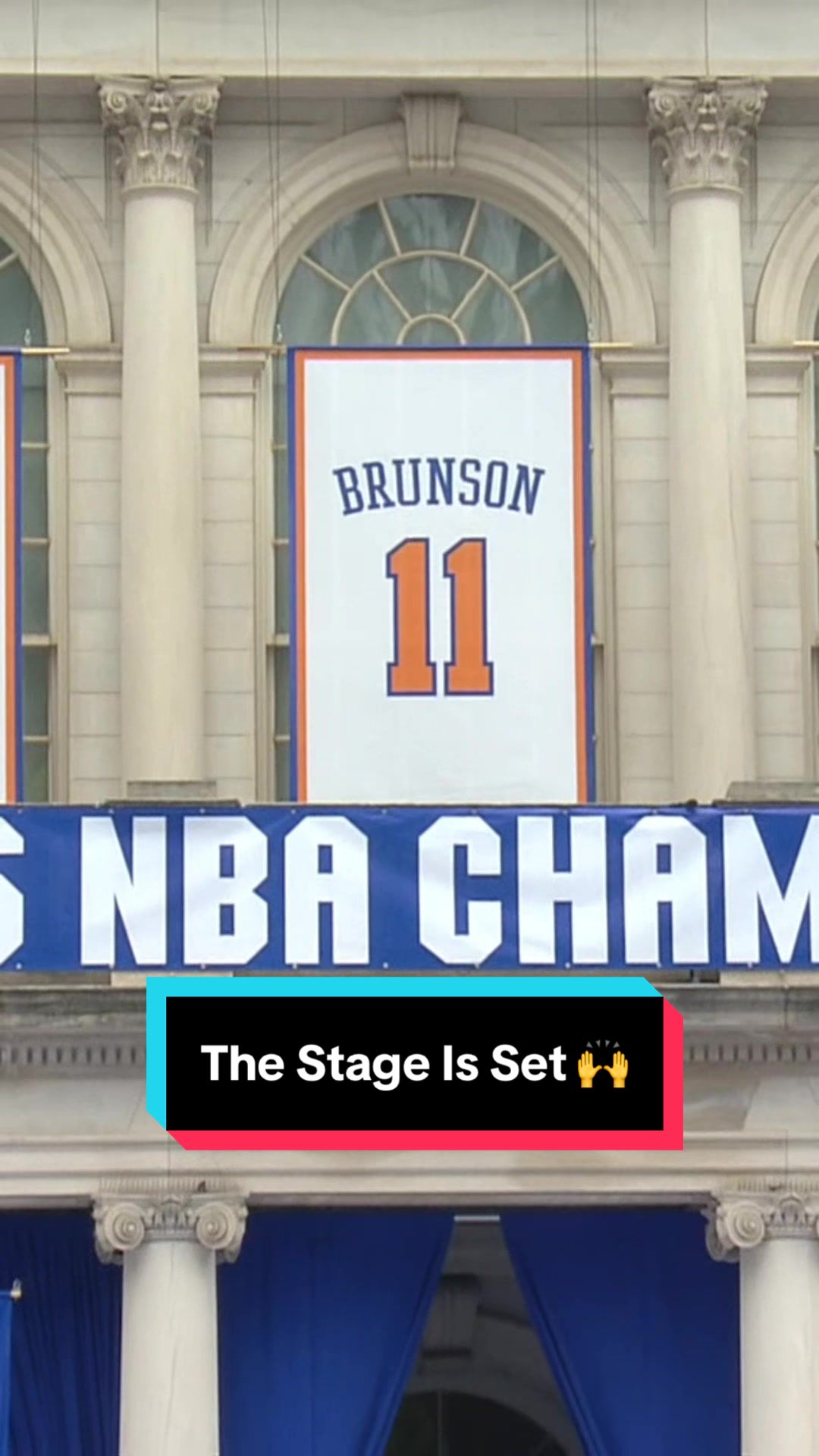
City Hall awaits the @New York Knicks arrival! 🏆
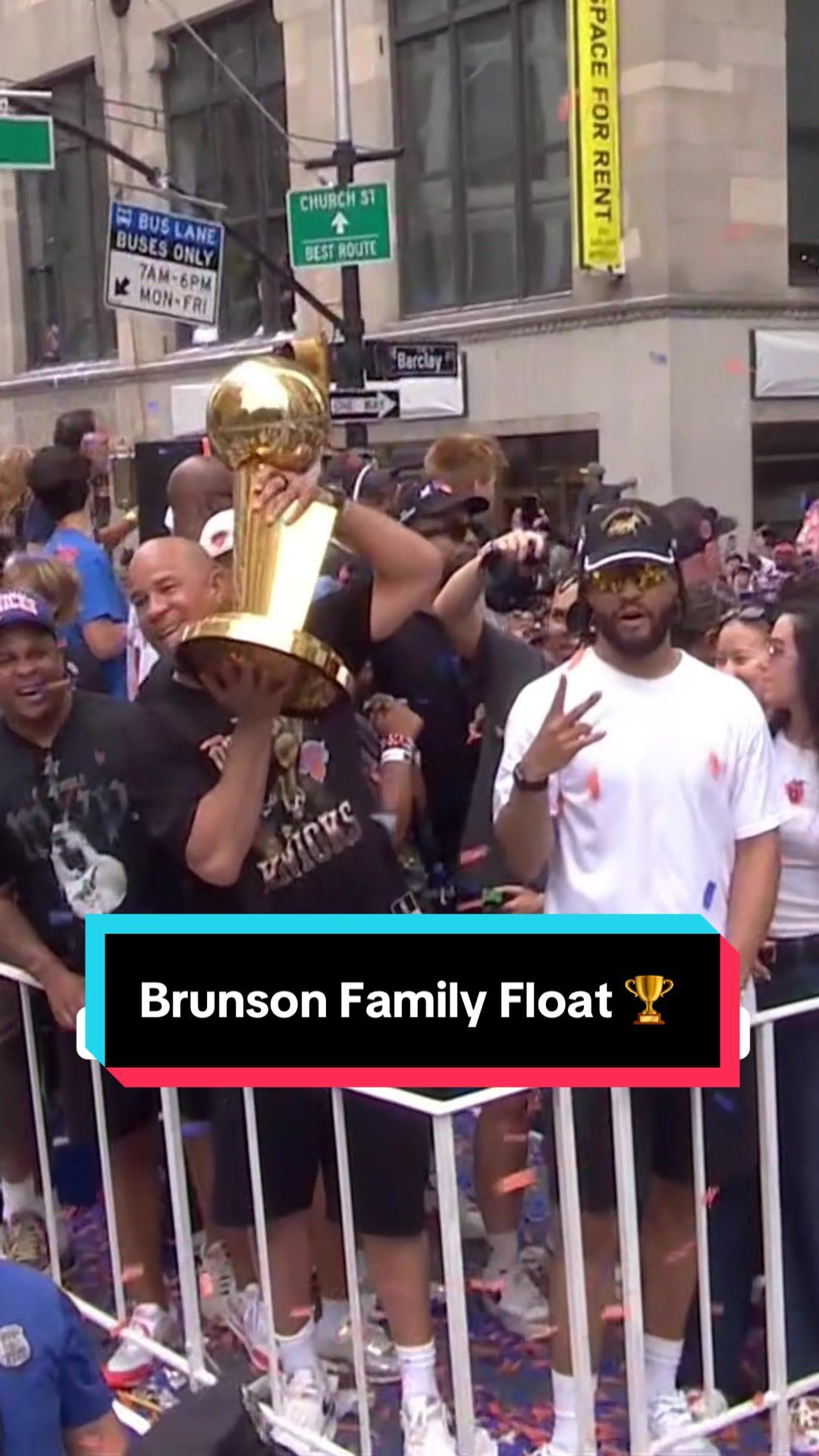
Rick Brunson seen holding the @The Larry O’Brien Trophy on the Brunson family float 🤩
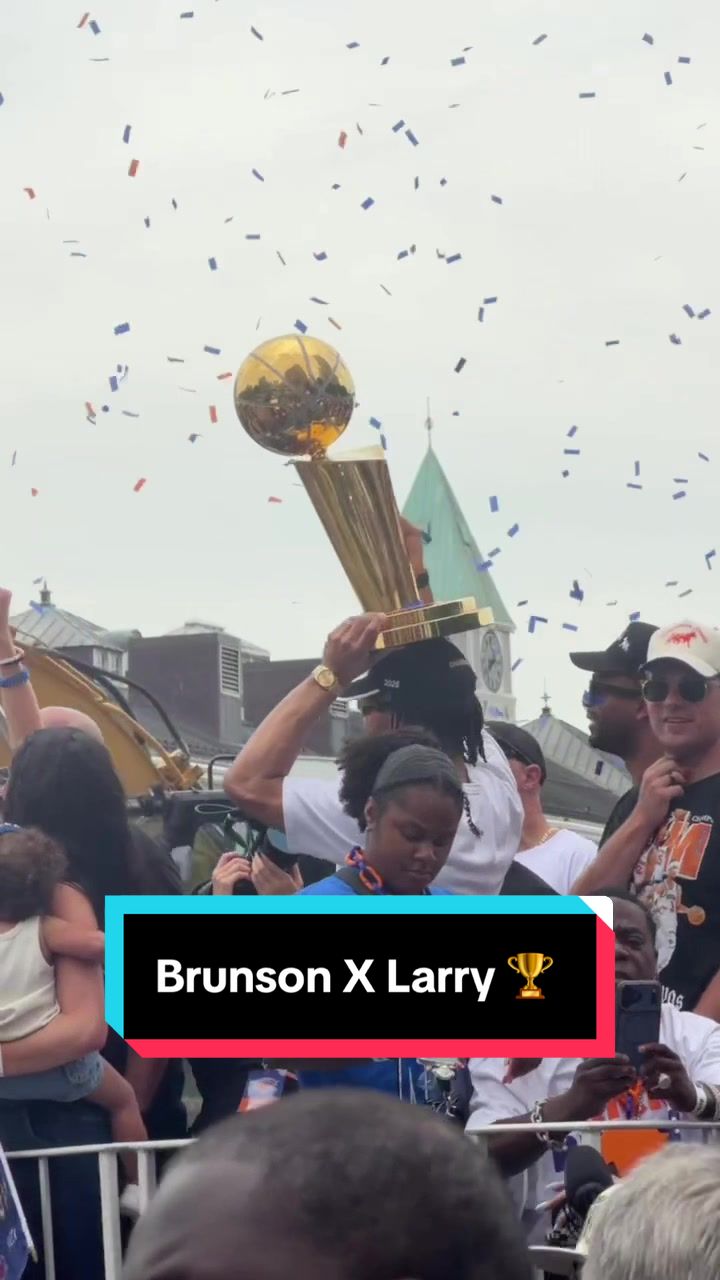
Brunson lifts @The Larry O’Brien Trophy high 🙌 🏆
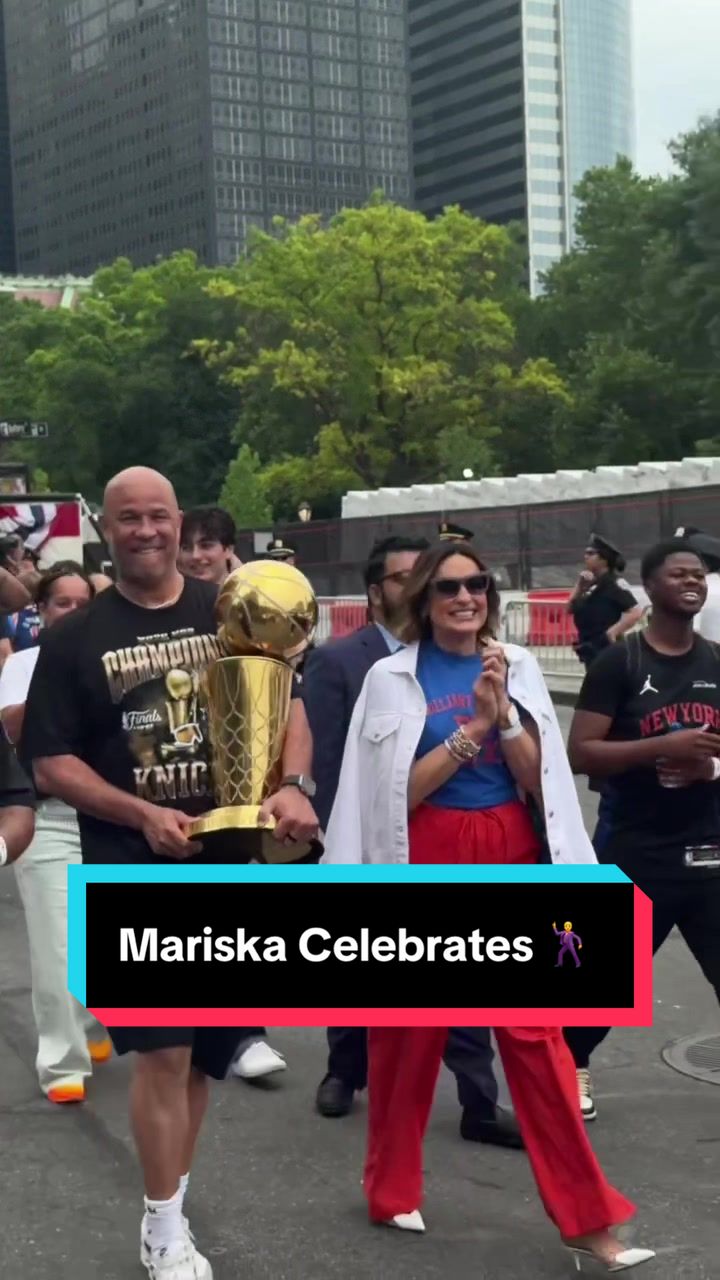
BIG Knicks fan Mariska Hargitay having a blast at the Knicks Championshup Parade 🤩 🙌
 Links
Links
 Contact
 App
App


