



The combination of Ball and Edwards makes this world feel utterly insane.



To be honest, when news broke a day ago that the Timberwolves were interested in LaMelo Ball, I didn't even click the link. I instinctively assumed it was just another clickbait rumor from unreliable media. The Timberwolves did lack a point guard before, but after re-signing Ayo Dosunmu, they had already solidified their starting backcourt. Why would they be interested in Ball?
Unexpectedly, not long after the rumor surfaced, the trade actually happened. The Hornets sent Ball and Josh Green to the Timberwolves in exchange for Naz Reid, an unprotected 2033 first-round pick, three first-round pick swaps (2028, 2029, 2030), and three second-round picks (2029, 2032, 2033).
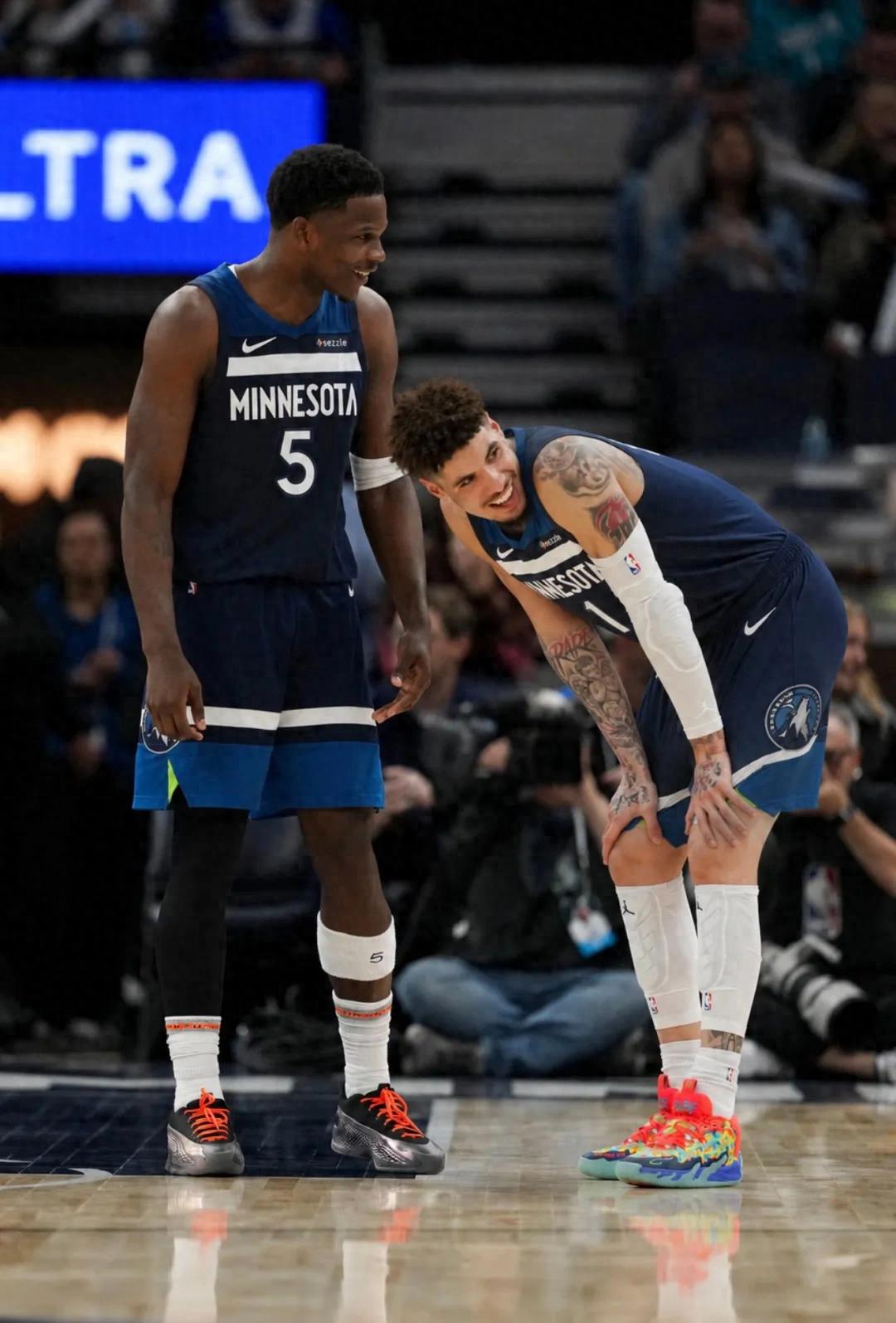
Since the Randle-to-the-Nets deal hasn't been finalized yet, we can also incorporate this trade. In simple terms, Randle and Reid were swapped for Ball and Josh Green, with salaries matching. The Hornets sent out Ball and Green while only taking on Reid's contract, thus creating the largest traded player exception in history at $40.77 million.
The Timberwolves are such a fascinating team. When they offloaded Randle at a loss, everyone thought they were clearing cap space to re-sign Dosunmu and reduce payroll to potentially avoid the luxury tax.
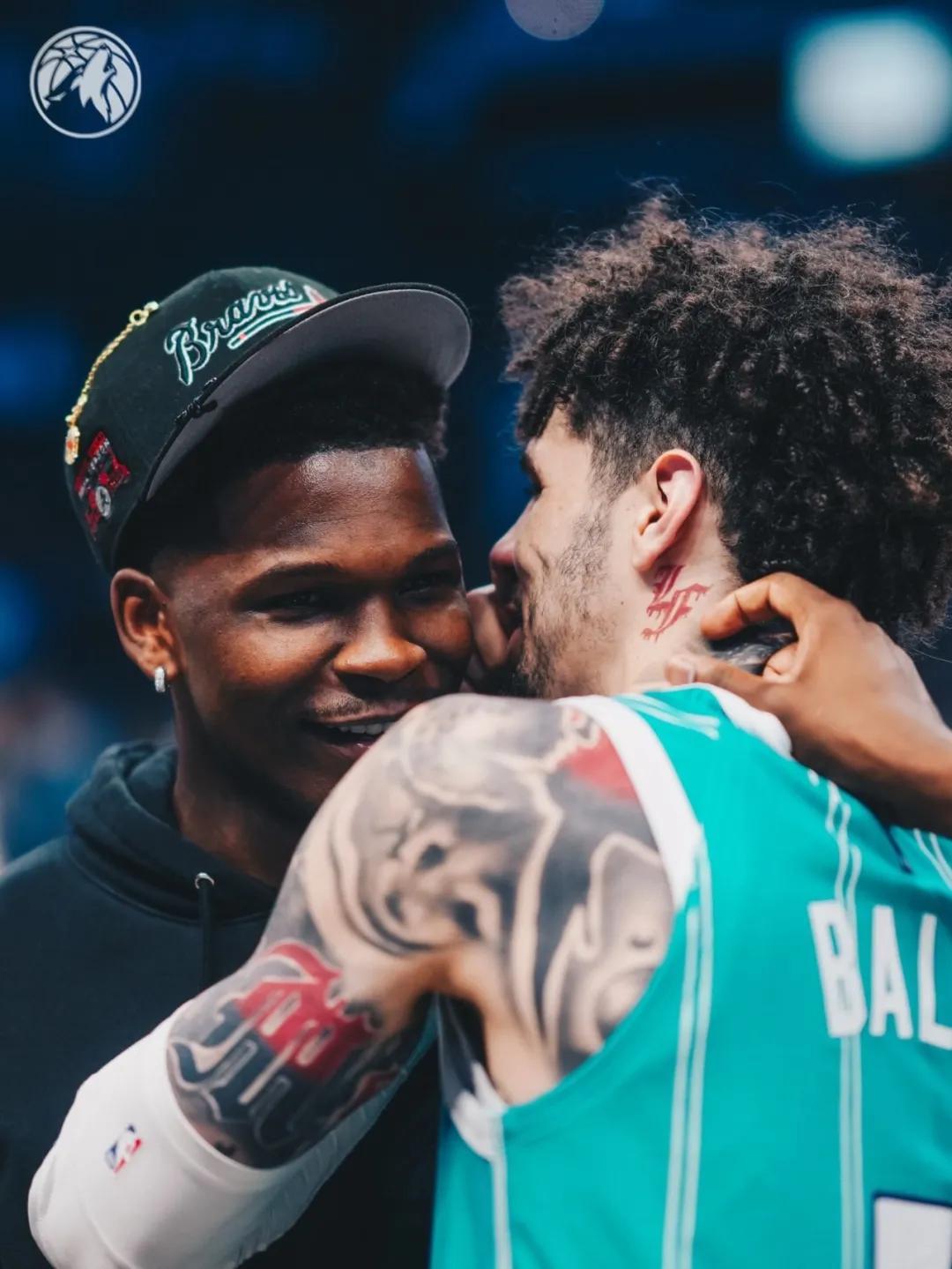
But then, they went and acquired Ball, saving no money at all and trading away both forwards. They were previously short on guards; now they're short on forwards. And they will likely still have to pay the luxury tax next season, marking three consecutive years of doing so—the new owner is truly going all in.
From the Timberwolves' perspective, they've cut nearly half of last season's rotation. Donte DiVincenzo will likely miss next season, and both key forwards—Reid and Randle—are gone, making their once deep frontcourt suddenly thin. If there are no major roster changes, Jaden McDaniels might have to play the four, and the question of who fills the three remains. Is Shannon Jr. ready? And Edwards playing the three would be a stretch.
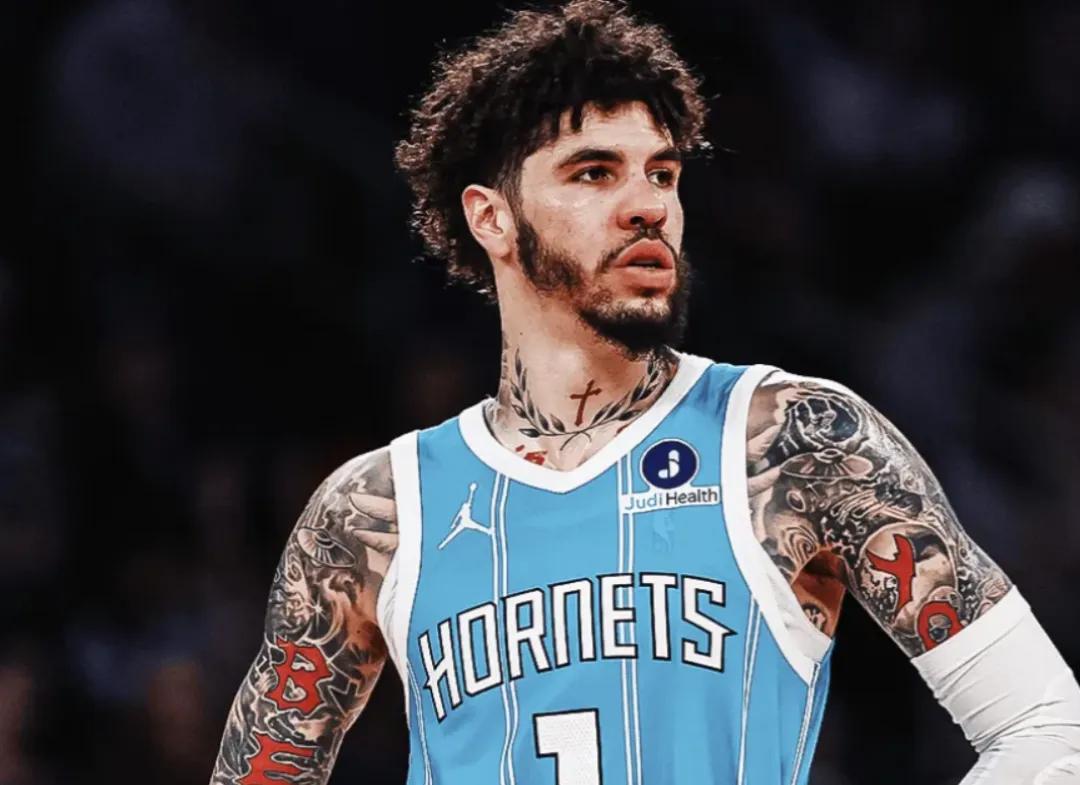
The price paid was heavy, but the rewards are equally substantial. Ball has always been one of the league's most talented ball-handlers. Though his style has drawn criticism, there's no denying his scoring ability and ticket-selling appeal. Last season, Ball averaged 20.1 points, 4.8 rebounds, 7.1 assists, and 1.2 steals in 28 minutes per game, shooting 40.7% from the field and 36.8% from three—his second-lowest scoring and assist numbers of his career.
He also ranked second in the league in three-pointers made last season, trailing only his teammate, Kneuppel. In the Timberwolves' eyes, Ball is a player who can relieve Edwards of some ball-handling pressure and fill the offensive void left by Randle's departure. Now, Minnesota likely boasts the most explosive backcourt in the league, perhaps even surpassing the Lakers' duo, especially with Dosunmu coming off the bench.
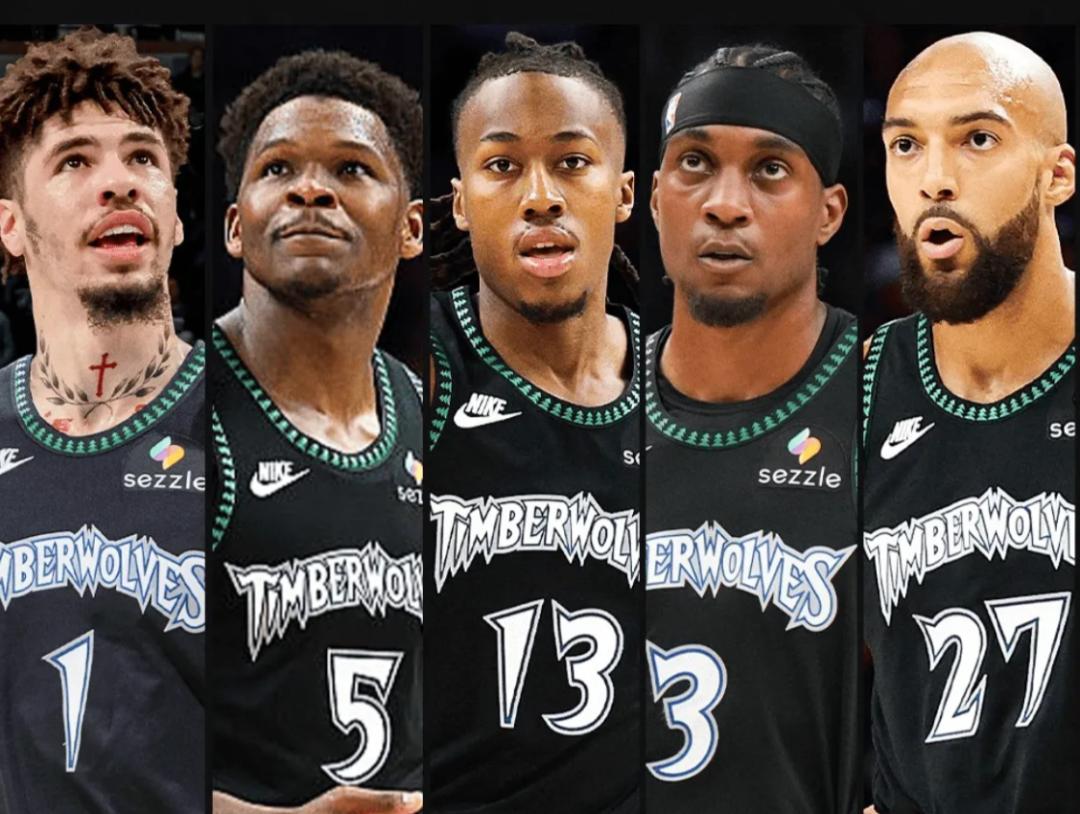
In past seasons, the Timberwolves couldn't take the next step due to Edwards' inability to pass out of double teams. Now, Edwards doesn't have to initiate every possession in crunch time; Ball can draw some defensive attention. In Charlotte, Ball was the deposed former star, but in Minnesota, he'll be the secondary playmaker alongside Edwards, so there shouldn't be concerns about him usurping the lead role.
From the Hornets' perspective, they weren't actively shopping Ball; they simply remained open to trading him. Ball was the team's leader, but with Miller and Brandon Miller (?)—actually "Kang Shen" probably refers to "Miller" and "Kneuppel"? Wait, the original text says "米勒和康神". "康神" likely means "Kneuppel" (since he's known as "Kang" in Chinese). Anyway, as Miller and Kneuppel gradually rose, Ball had already shown some decline last season. Everyone knew Ball would have to make way for Miller and Kneuppel's development, and now might be the peak of Ball's trade value.
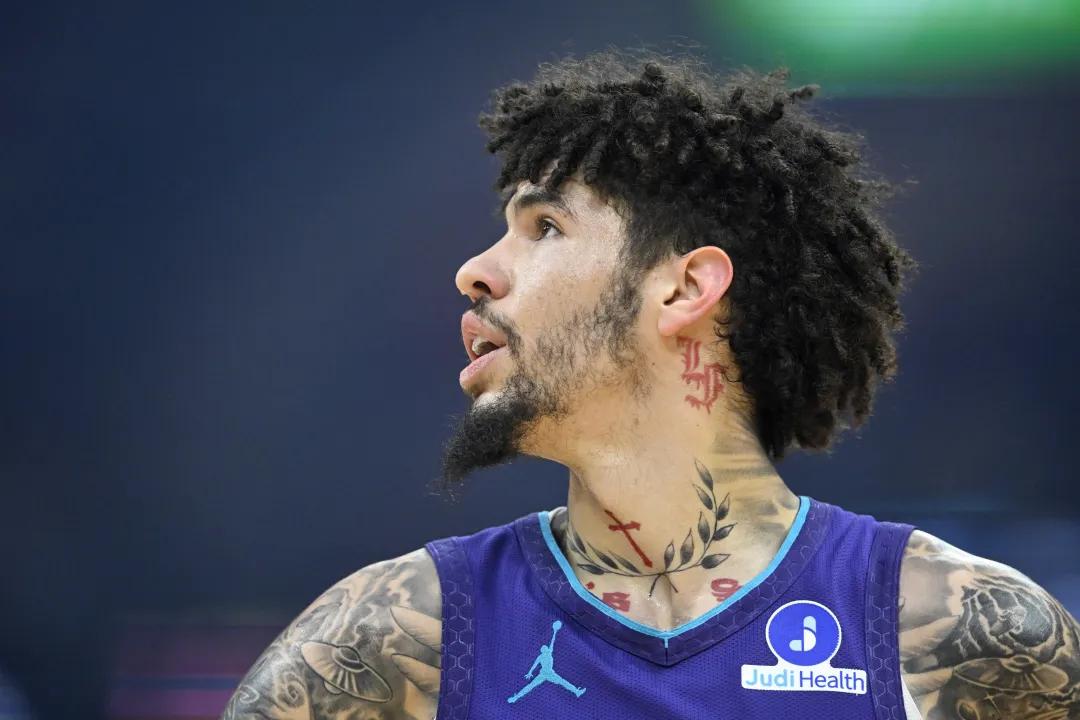
Of course, Ball's trade value wasn't that high, or Timberwolves fans wouldn't think they lost the deal. A sixth-man-caliber forward, an unprotected first-round pick, and some fillers seem to be the best offer Ball could command.
Reid is a solid addition to the Hornets' frontcourt—a big man who can shoot from outside and should fit in anywhere. But the Hornets' biggest issue is that they've lost their primary offensive initiator from last season. Who will handle the offensive creation now? The team will likely struggle early in the season, and their record next year could be worse than this year's.
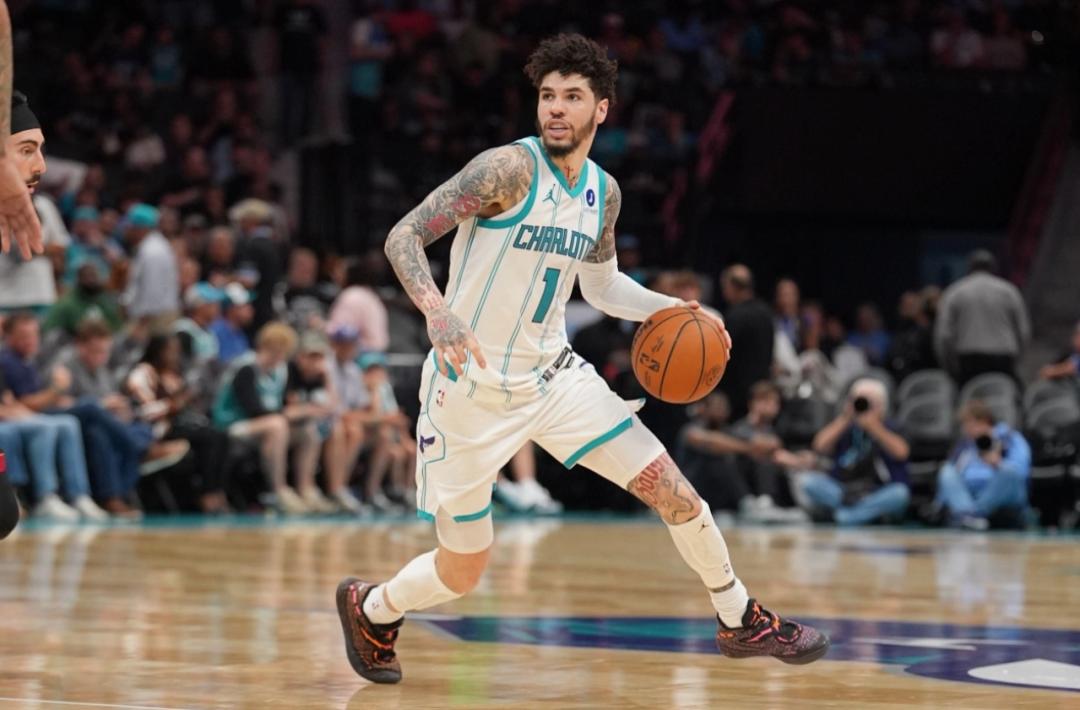
However, if Miller and Kneuppel handle the ball effectively, the trade will have achieved its greatest purpose. Ball's ceiling as a leader was already visible; since entering the league, he hasn't led the Hornets to the playoffs, and even play-in appearances have been limited. Though Ball was the nominal star in Charlotte, he never proved he could elevate the team further.
So after Kneuppel showed his talent, the Hornets' front office had already planned to move Ball. With three years and $130 million left on his contract, selling high while Ball still had some trade value was a decent outcome.
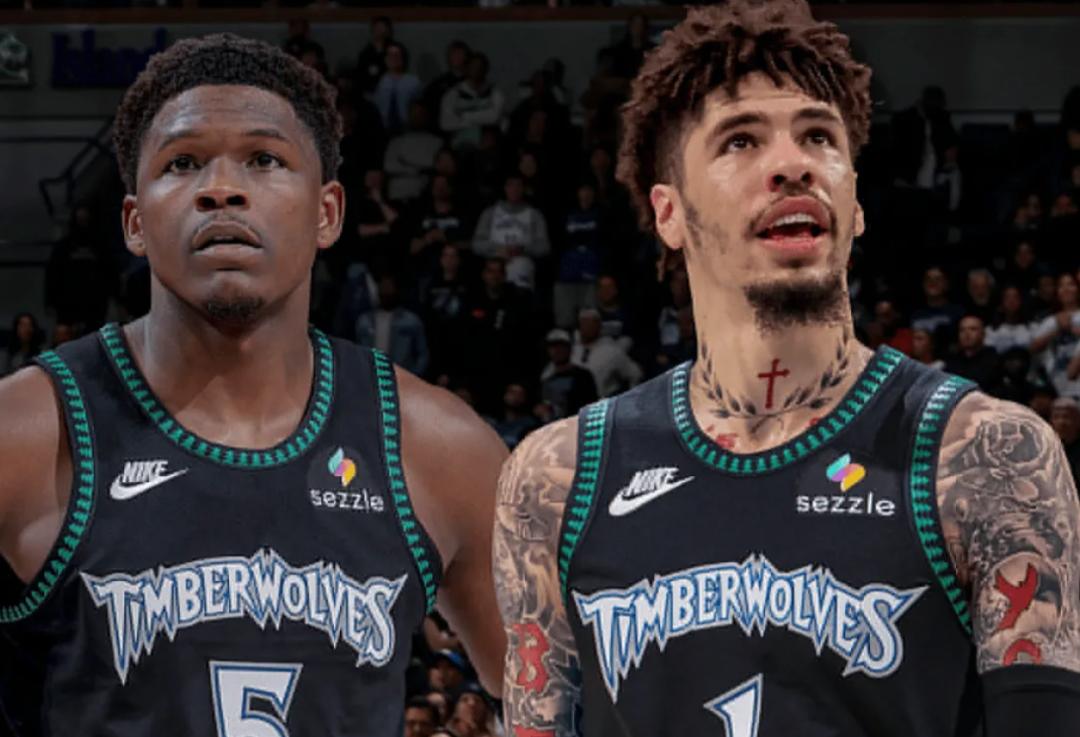
This is probably a deal that fans on both sides find questionable. The Timberwolves sent away a beloved big man in Reid but gained enough talent. Since the roster had already proven its ceiling was the Western Conference Finals, it makes sense to pivot decisively. The Hornets dealt their star but didn't get a huge return, and offensive initiation next season will be their biggest challenge.
Ball might not be as bad as the public opinion suggests, and Reid might not be as good as fans' reputations make him out to be. Only the games will tell how this actually works out.
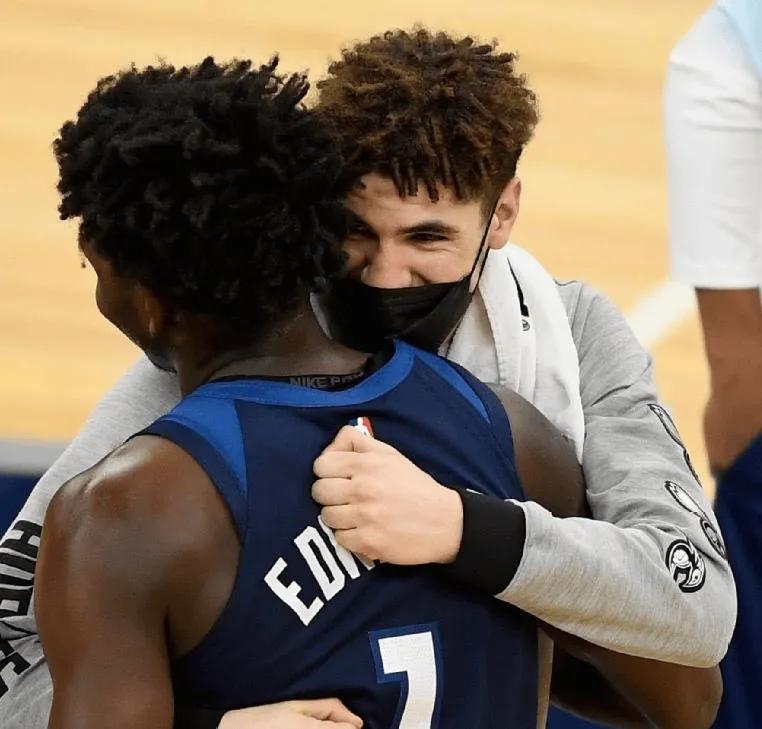
Also, the 2020 draft's No. 1 and No. 3 picks are reunited. Why not bring the No. 2 pick along? James Wiseman is still a free agent, you know.


Wonderfulshortvideo
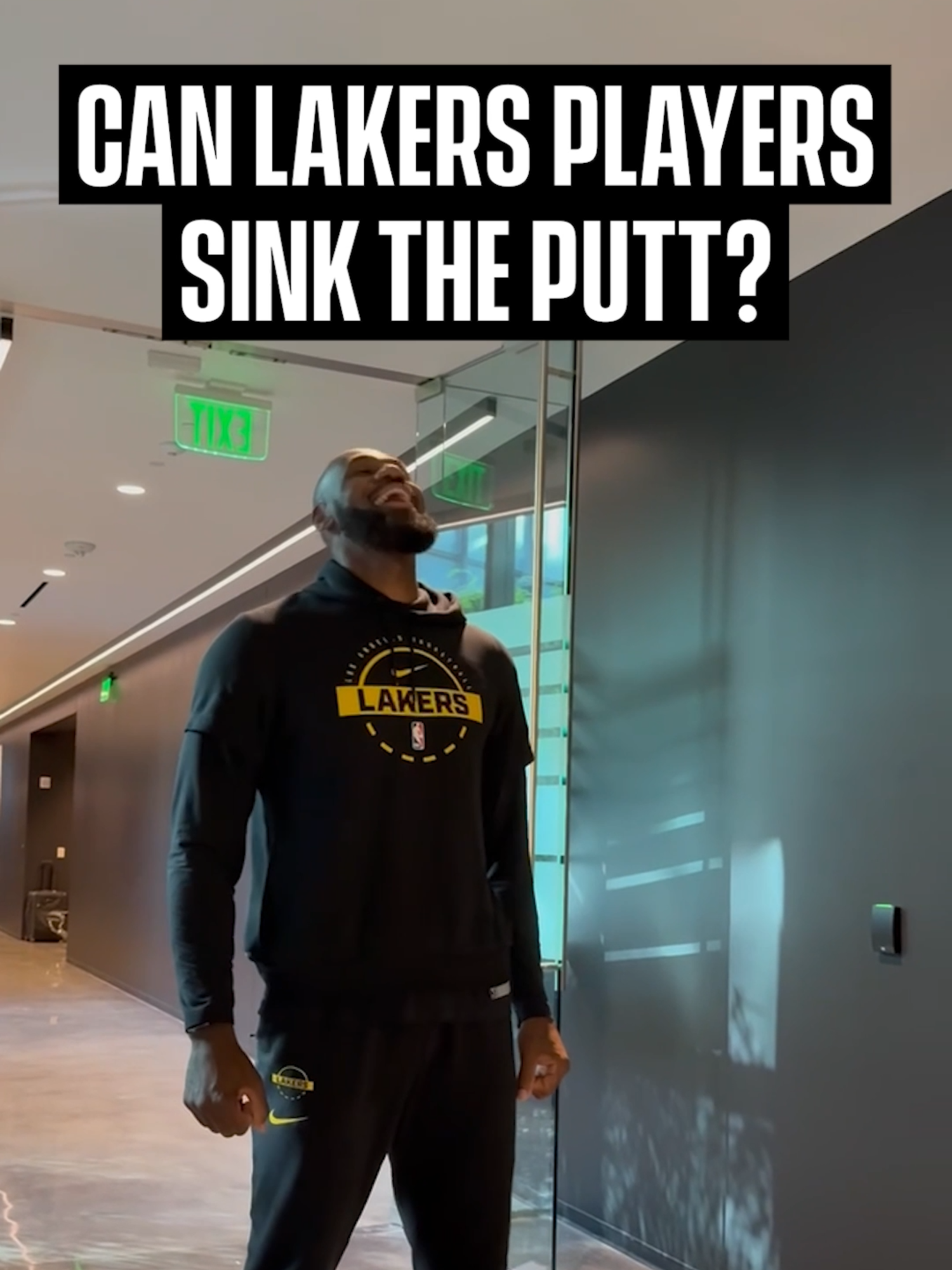
Heard the U.S. Open is today ⛳️


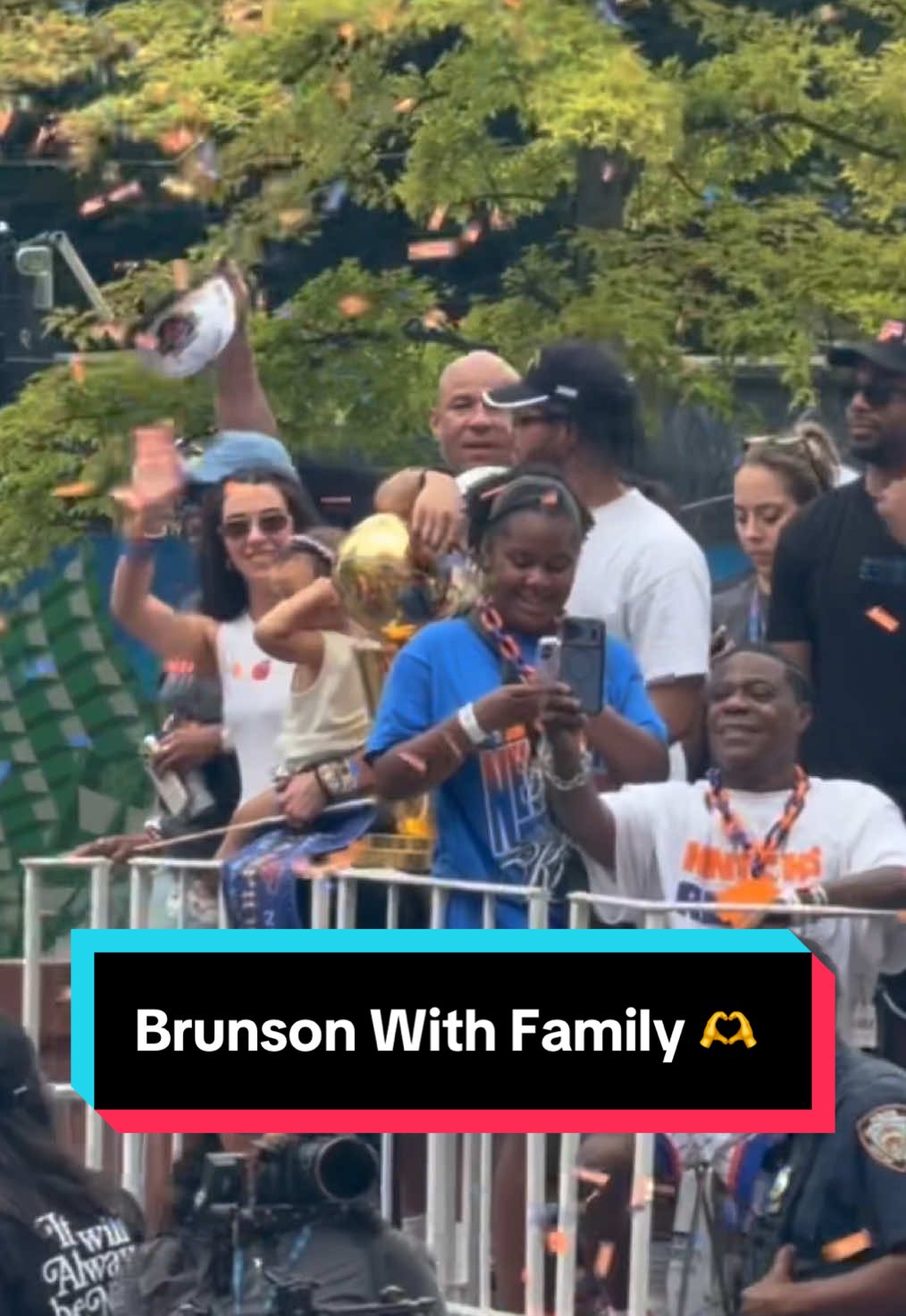
Jalen Brunson on the float with @The Larry O’Brien Trophy ‼️
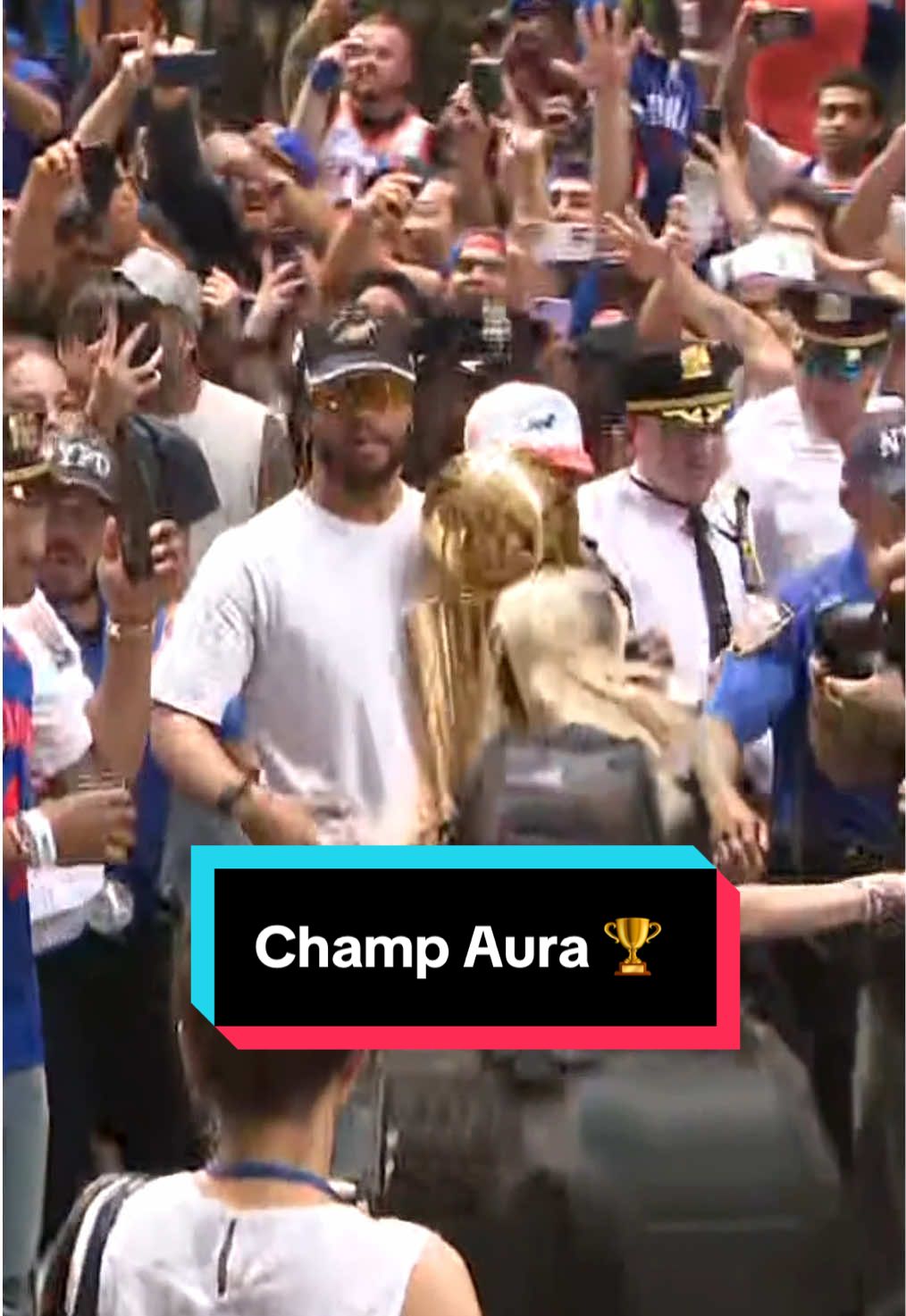
Jalen Brunson with @The Larry O’Brien Trophy at the Knicks Championship Parade 🫡🏆
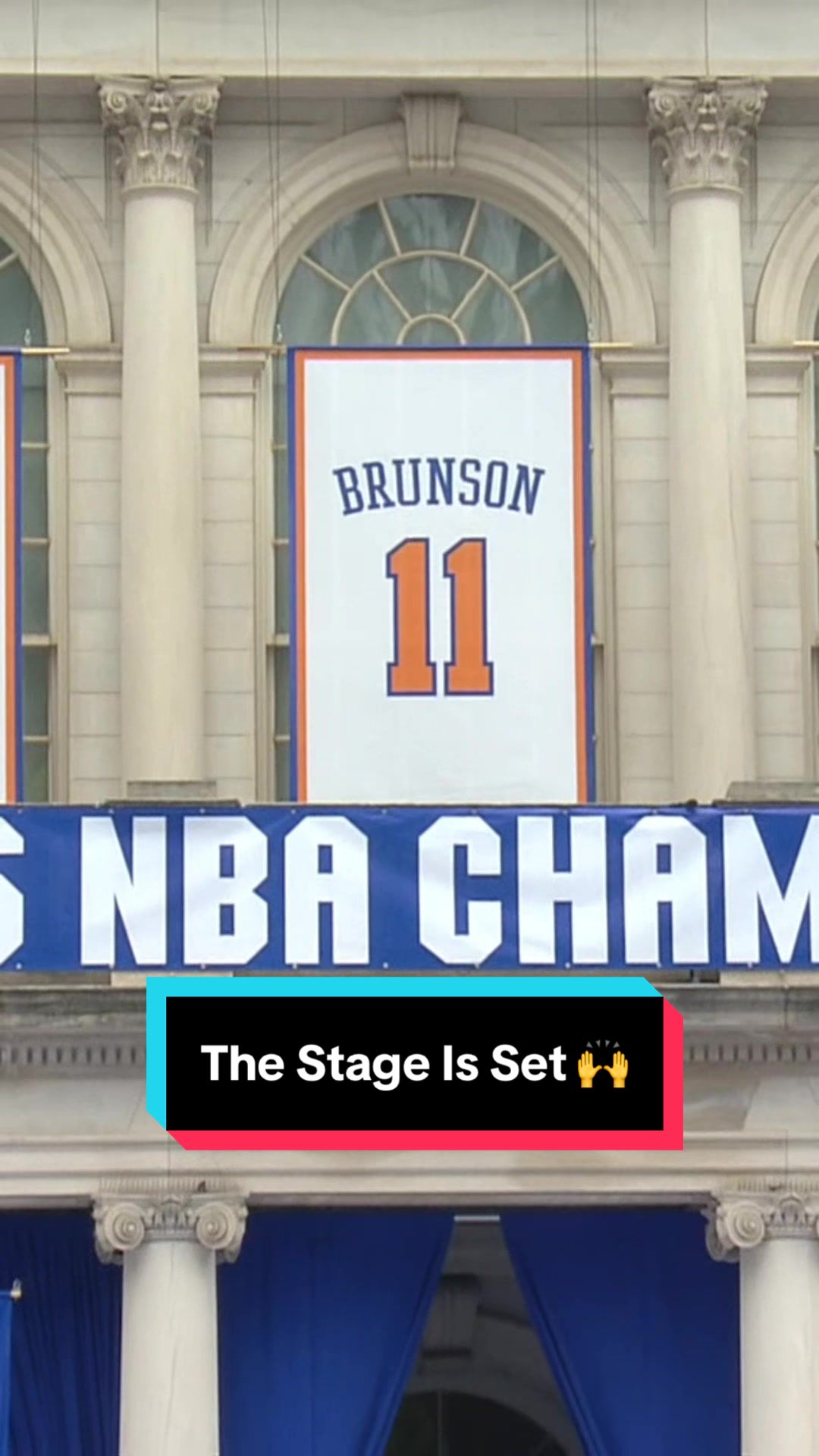
City Hall awaits the @New York Knicks arrival! 🏆
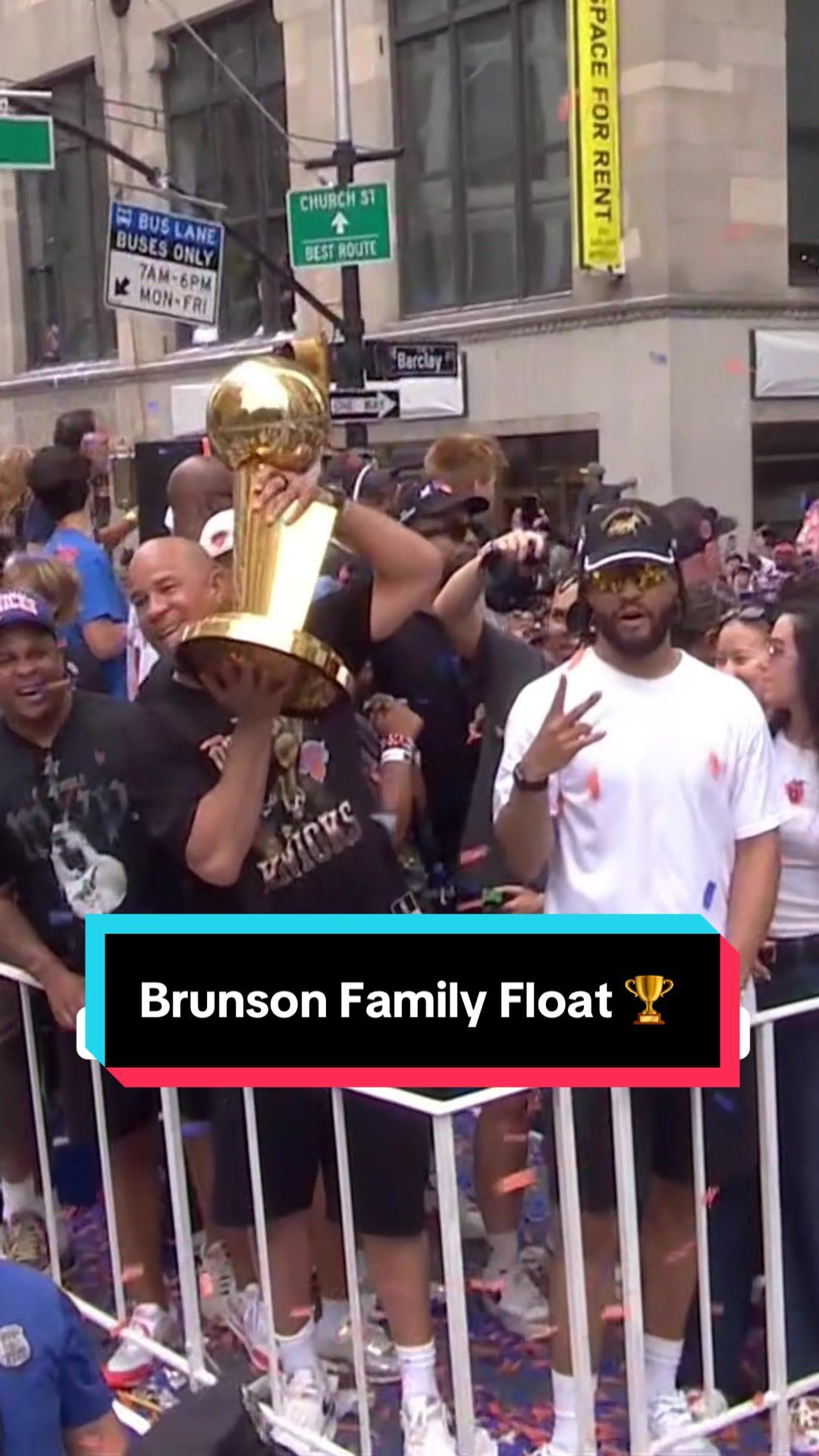
Rick Brunson seen holding the @The Larry O’Brien Trophy on the Brunson family float 🤩
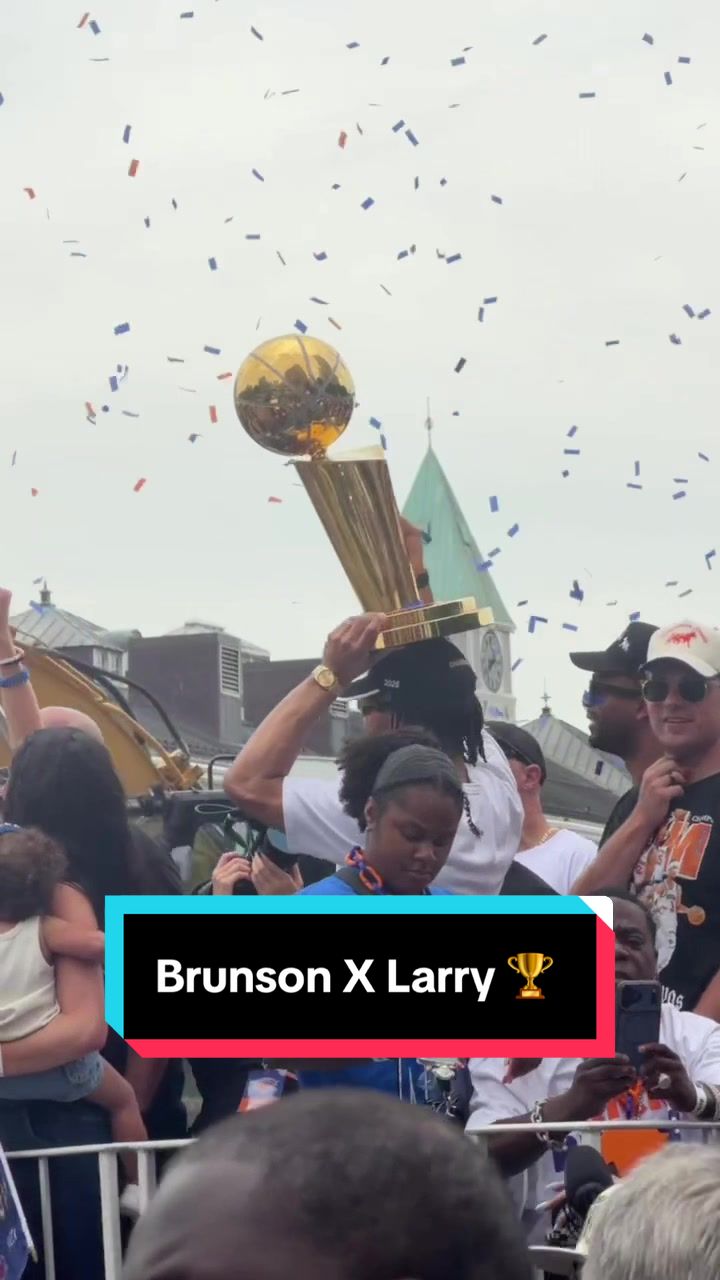
Brunson lifts @The Larry O’Brien Trophy high 🙌 🏆
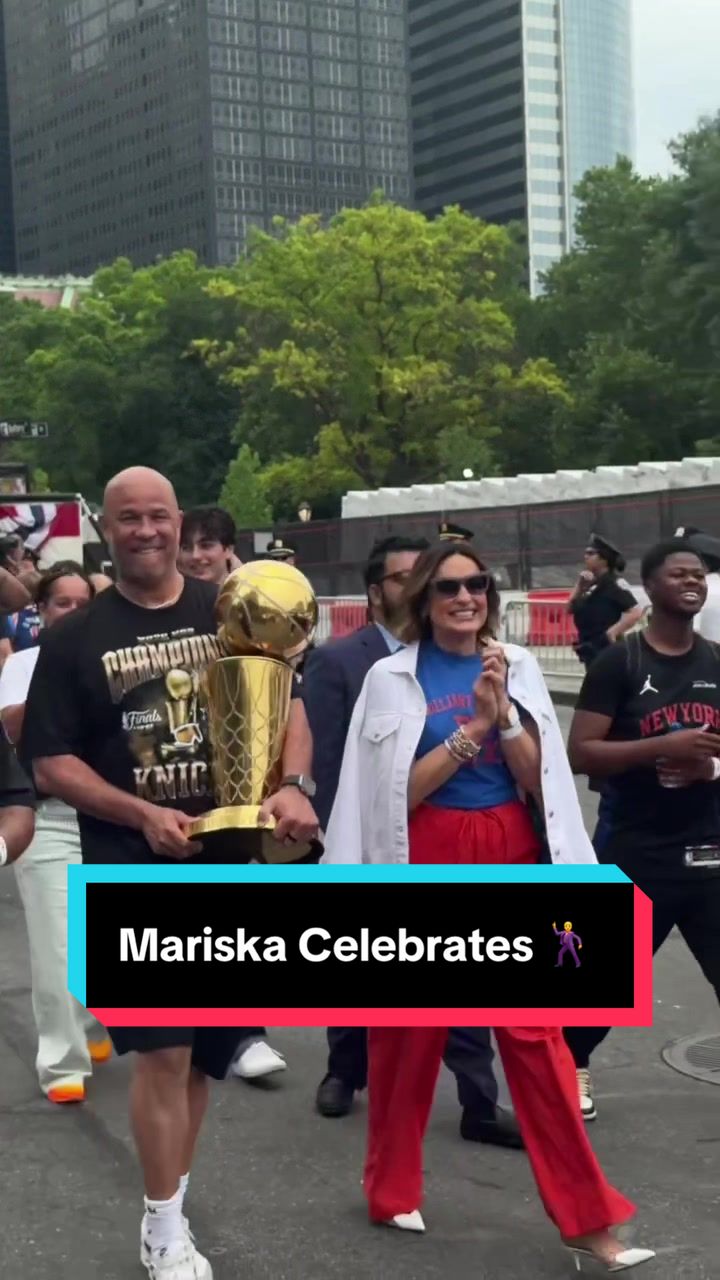
BIG Knicks fan Mariska Hargitay having a blast at the Knicks Championshup Parade 🤩 🙌
 Links
Links
 Contact
 App
App


