



"LCK Shortens Schedule to Reduce Player Burden" Goes Viral; Weekend Match Times Changed to Cater to LPL Fans


Introduction: As the S15 season draws to a close, it’s clear that the majority of players have been paying attention to the recent clashes. The LCK region locked in the final champion ahead of time, signaling a likely decline in LPL’s hype next season. In recent days, major regions have been announcing new formats for the S16 season. Many seem to be easing the burden on teams, adding more entertainment-focused matches to reduce player stress and maximize match quality. The LCK is doing just that by further shortening their schedule despite having fewer teams already. In contrast, the LPL has been increasing pressure on players over the years, making matches progressively less engaging.
LCK Shortens Playoff Schedule Again
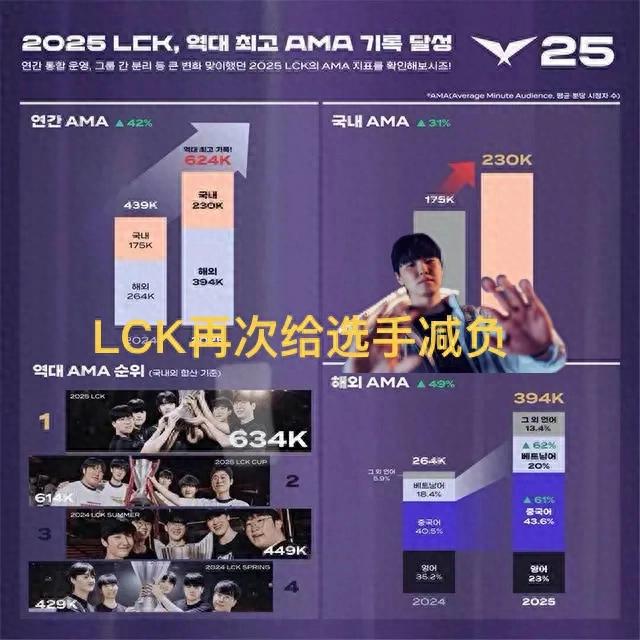
Most players remain quite interested in League of Legends competitions. The rapid growth of the esports industry over the years owes much to official tournaments. Thanks to various efforts, many esports titles have even become official events at the Asian Games. Just as everyone thought esports competitions were improving, the LPL region’s popularity started to decline, and fan engagement dropped significantly. This is mainly due to poor performance—not only did the region only secure a bronze medal at the Asian Games, but on the world stage, LCK teams have repeatedly dominated them mercilessly. Especially with this year’s Worlds held domestically, it replayed the tragedy of S7 by having LCK teams face off in the finals and deciding the champion early.
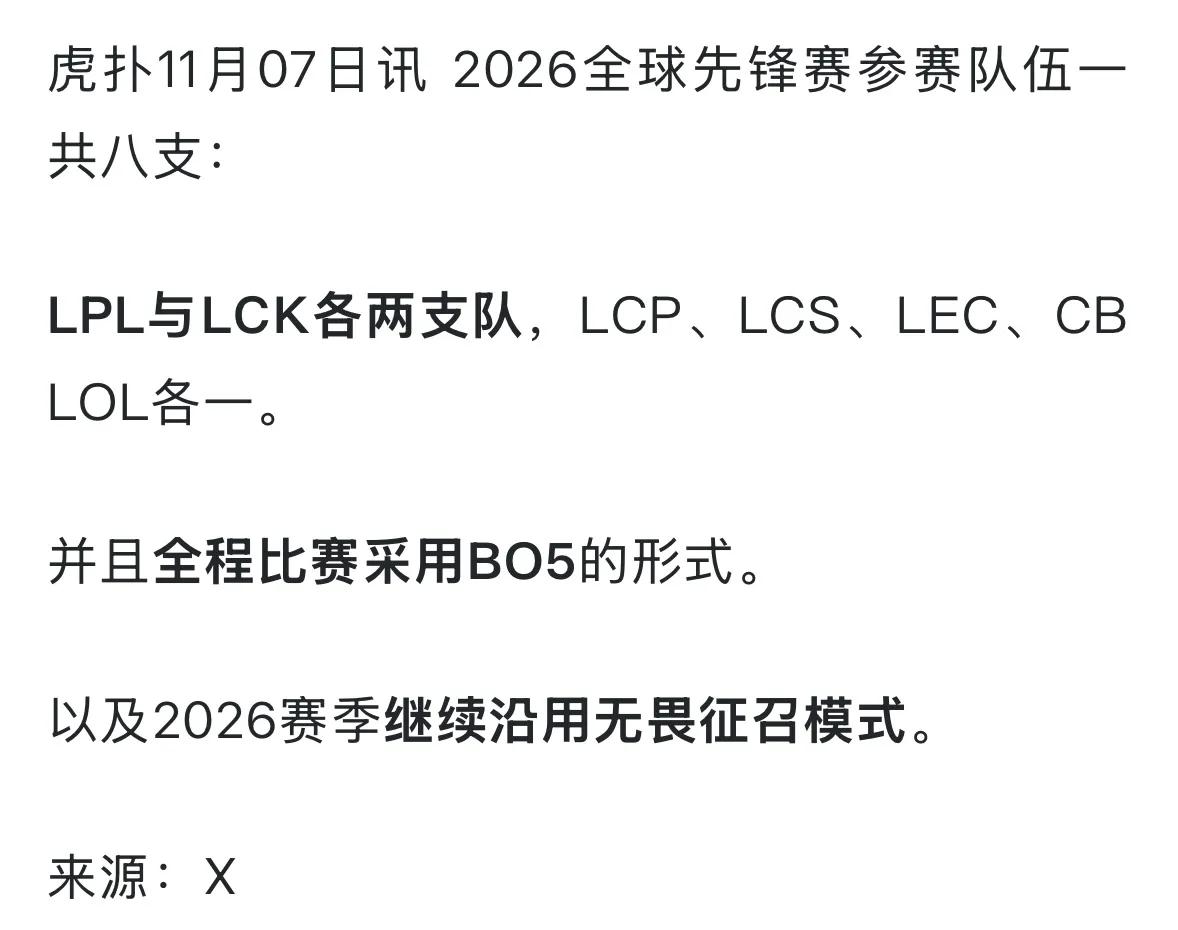
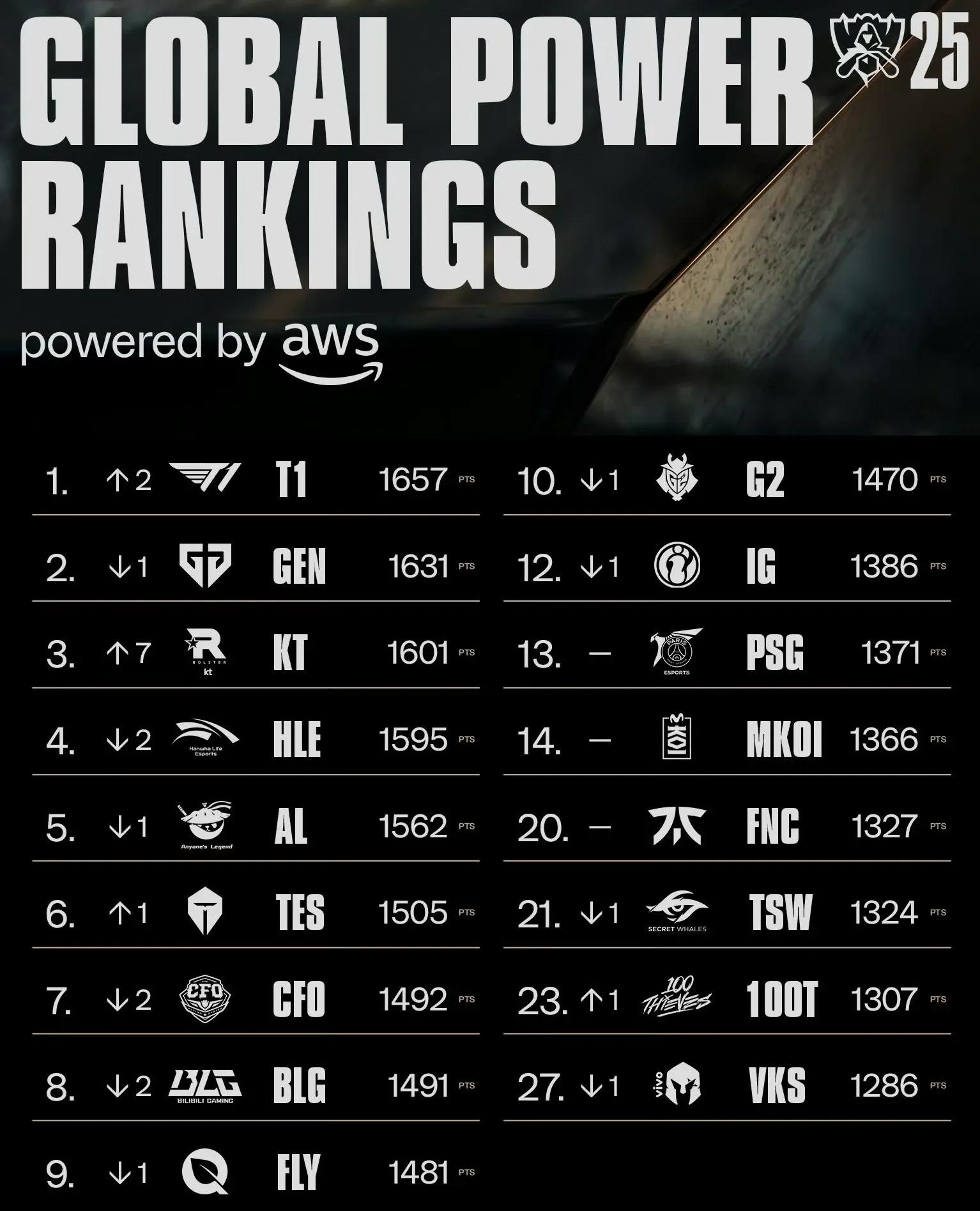
As the World Championship nears its conclusion, regions are announcing their plans for the S16 season. Following tradition, there are significant changes for S16. For example, the first stage of Worlds will feature two teams from both LPL and LCK, while other regions will send one team each, totaling eight teams competing for the world title. This greatly enhances the prestige of the Mid-Season Invitational, which was quite dull this year. The S series also saw some changes, with IG becoming the only team in history to finish 17th at Worlds.
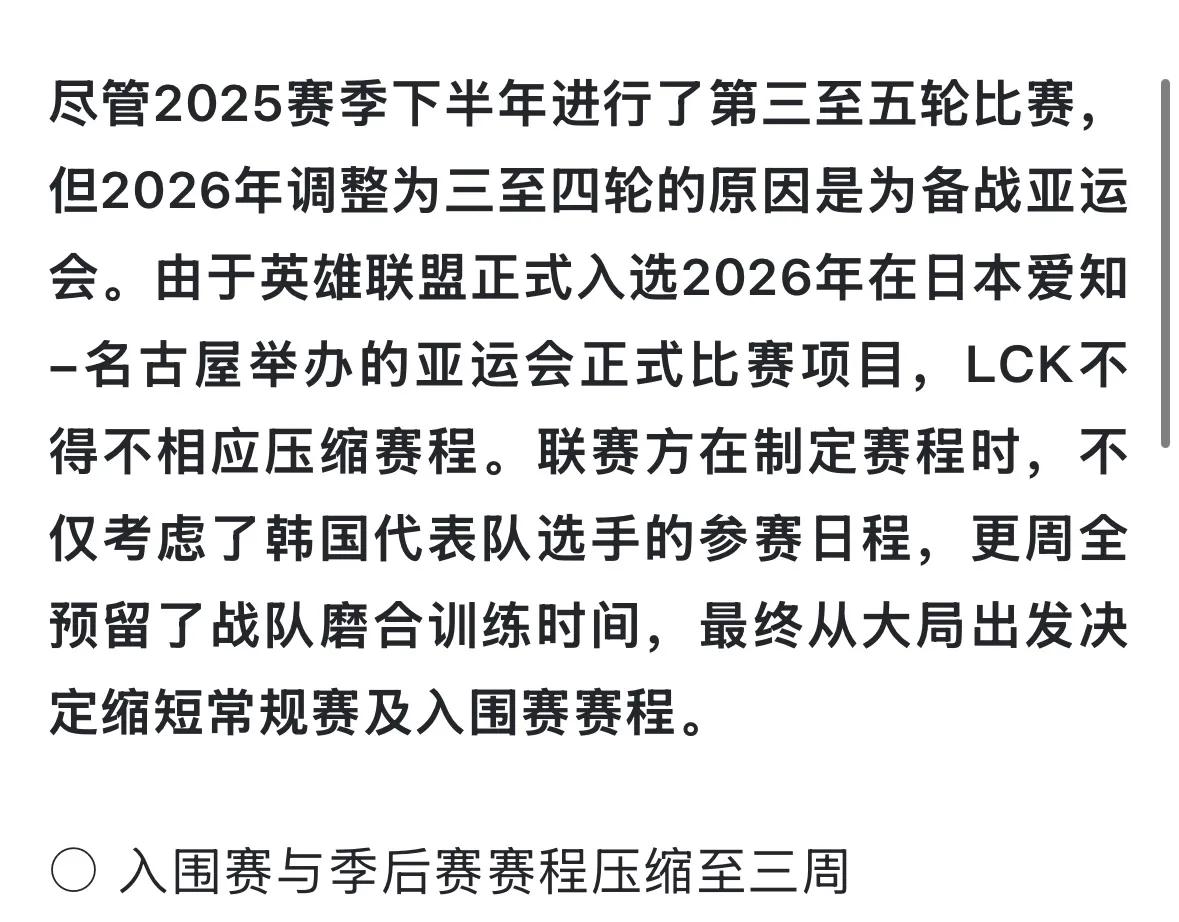
At the same time, the LCK region announced adjustments to the S16 format, once again reducing the workload for professional players. Despite having fewer teams, they continue to prioritize player welfare. This might explain why LCK consistently produces top-tier pros every year. Unlike some marketing-driven regions, LCK focuses on nurturing young talent to replace retiring players. In contrast, those regions prioritize short-term gains, maximizing hype while overworking veteran players, which leads to a gap in young talent and a lack of fresh blood.
This time, the LCK Cup introduced a "Super Week" format, leaning more towards entertainment matches, with cross-group games in the third week to increase excitement. The regular season was shortened to four rounds, and the intra-group triple round-robin in the third stage was changed to a double round-robin. Also, to accommodate LPL fans’ viewing times, weekend matches were moved from 2 PM Beijing time to 4 PM. Overall viewership data shows steady growth for LCK, proving their adjustments are effective. Meanwhile, no matter how LPL tweaks things, they can’t achieve results, and viewership continues to decline, with only top star teams retaining fan attention.
Farewell Thoughts
It’s surprising that LCK’s match times are adjusted to suit LPL fans. The previous 2 PM slot was inconvenient for many, but starting at 4 PM means missing the first game but likely catching the rest. Hopefully, the LPL can learn from their operations and not focus solely on revenue. Performance and fan base matter more; with those two, revenue will naturally increase unless they want to engage in short-sighted, exploitative practices.
What do you, the viewers, think about this matter?

 Links
Links
 Contact
Address:UNIT 1804 SOUTH BANK TOWER, 55 UPPER GROUND,LONDON ENGLAND SE1 9E
Number:+85259695367
E-mali:[email protected]
 App
App


