



Spring Festival Trend: Post-00s Don’t Want Red Envelopes, Just This "Horse Gun"



Who could have imagined that the "Horse Gun" became one of the trendiest Lunar New Year gifts among young people.
After the morning greetings, I asked my siblings who are still in college what gifts they wanted. They both took out their phones, opened "Valorant: Ignite" (hereafter Valorant), and pointed at the striking red Year of the Horse gun skin, saying, "I want this." Coincidentally, my cousin who lives nearby came over in the afternoon, saw them playing, and asked me, "Can you buy one for me too?"
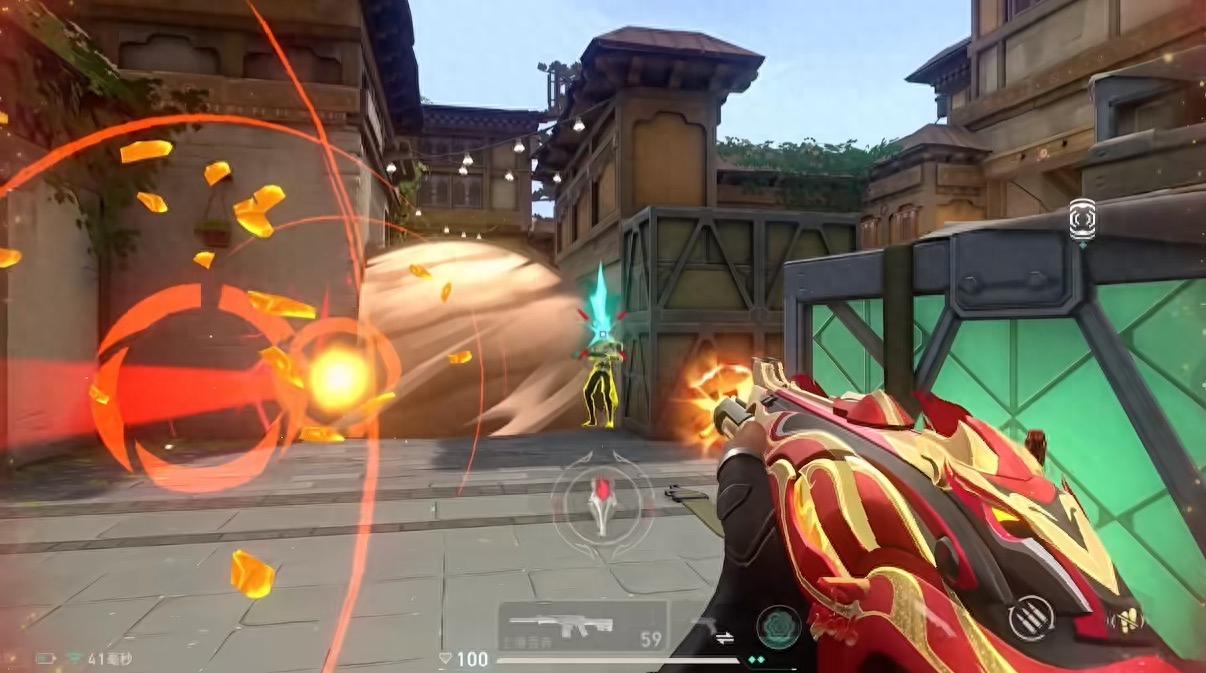
It’s not uncommon for young gamers to want game skins during the New Year, but everyone choosing the exact same set surprised me. When I asked around, I found this gun skin was insanely popular. My cousin told me many friends immediately bought it after getting their New Year budget because "the Horse Gun looks really cool," and "having the Horse Gun makes others more willing to team up with you, it’s a real status symbol."
Later, I noticed social media was also "taken over" — just scrolling casually, there were countless videos of the Valorant Horse Gun set. Highlight clips of five kills with the Horse Gun easily got thousands or even tens of thousands of likes; under New Year Horse Gun videos, many players commented things like "True god among gods, playing with the Horse Gun is just pure joy," as if inviting the whole world to play with it.
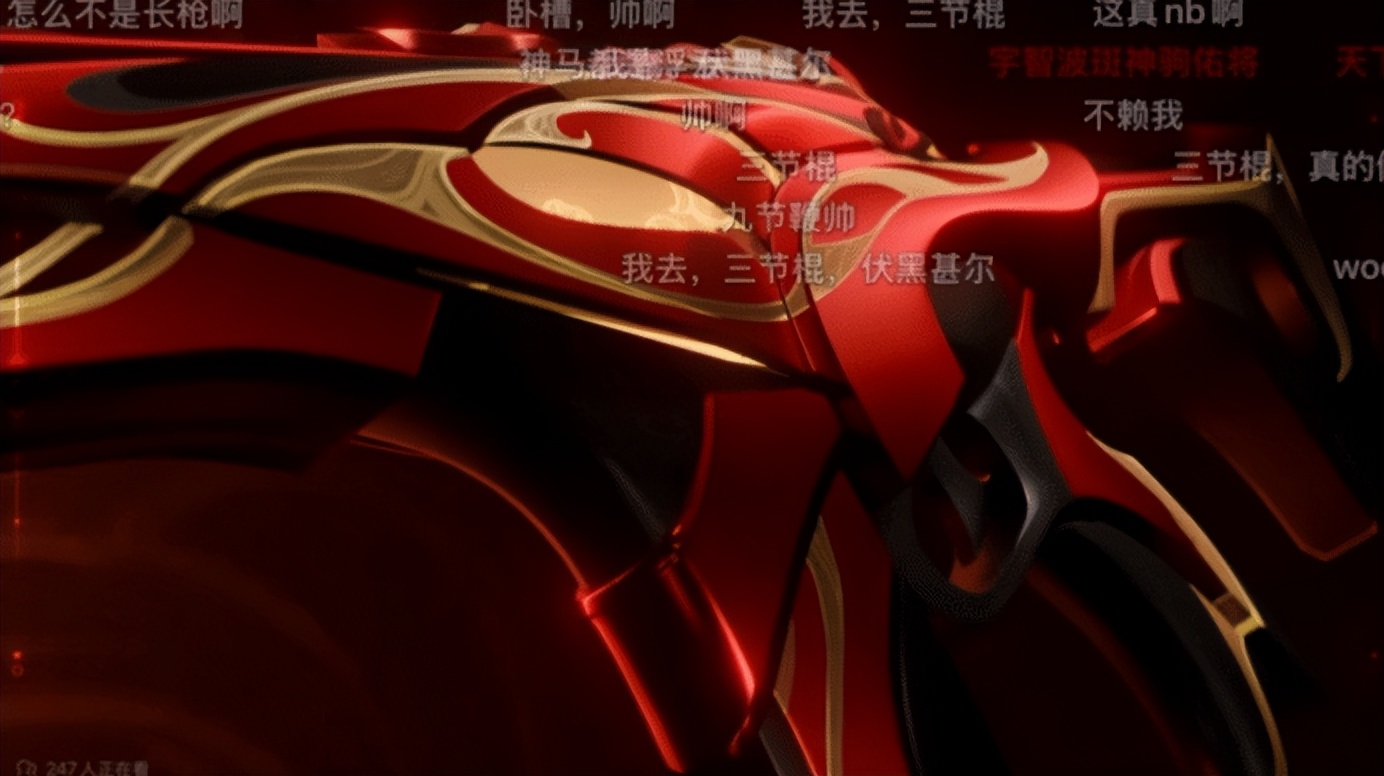
What’s even more amazing is how suddenly this blew up. On February 14, Valorant first revealed the Year of the Horse New Year skin, and a day later the CG video on Bilibili surpassed 1 million views and even hit trending charts. In just four days, "Horse Gun" not only became the exclusive term for this skin set but was quickly elevated by Valorant players to legendary status, starting a reverse redefinition of "Horse Gun" in the shooting game community.

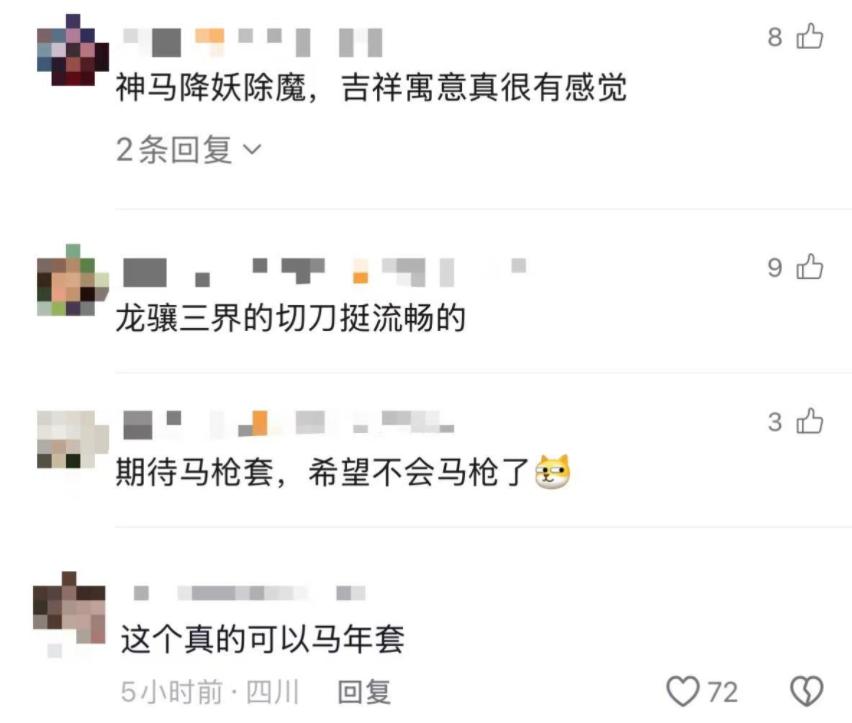
Adding to that, Tao Zhe’s catchy BGM went viral, and the phrase "Play Valorant in the Year of the Horse, don’t be ‘horse’" instantly became the Spring Festival anthem, making the Horse Gun the most "infectious" and memorable presence of the New Year.

Curious, I looked into why the Horse Gun became so popular.
Who wouldn’t love this Horse Gun?
"Horse Gun" refers to Valorant’s original Year of the Horse New Year gun skin "Crimson Shadow Tianxiao," themed around Chinese style and blending the festive atmosphere of the Year of the Horse and traditional culture.
Starting with its appearance, the Horse Gun is undeniably cool. I’ve played many shooting games and seen hundreds of gun skins, but this one still caught my eye at first glance. The skin centers on a galloping steed motif, merging New Year symbols with modern trends to create a distinct and striking style.
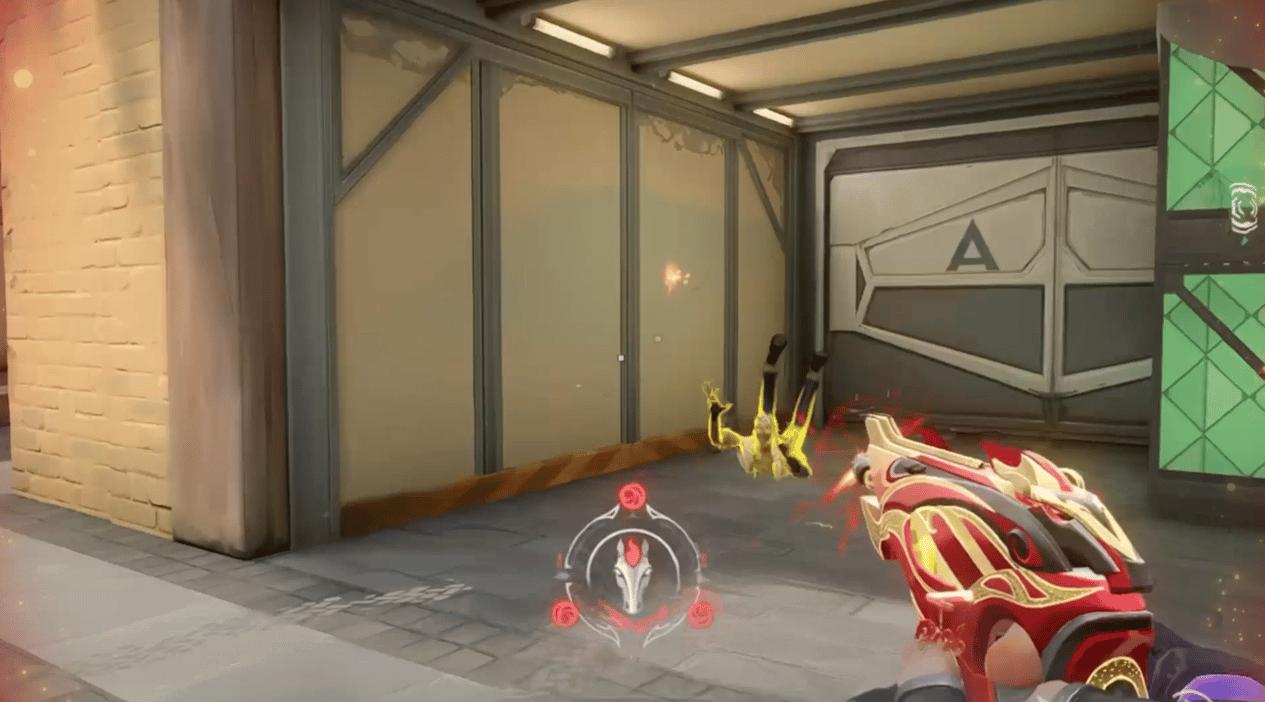
Take the highly popular Phantom, for example — the entire gun looks like a powerful horse ready to charge: its body features horse heads, eyes, and mane as main visuals, the grip and magazine resemble hooves, and dynamic shimmering light effects make it appear as if the horse is galloping across the battlefield, full of energy and visual impact.
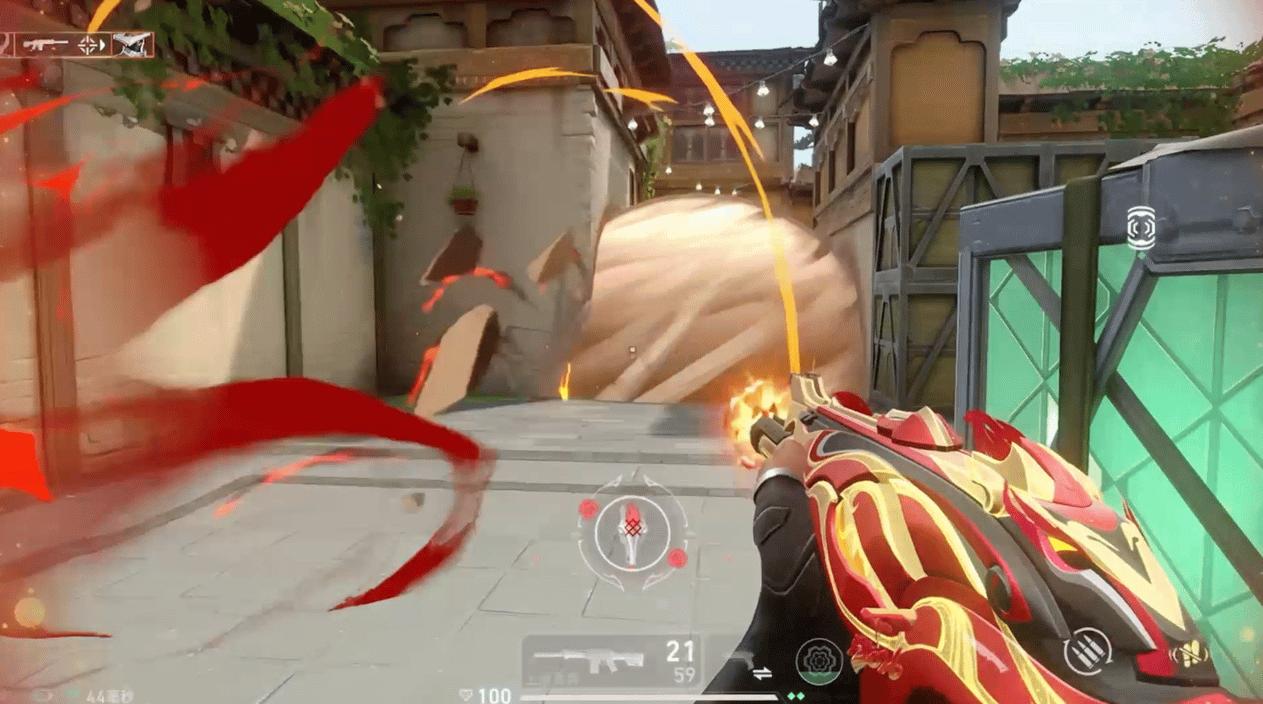
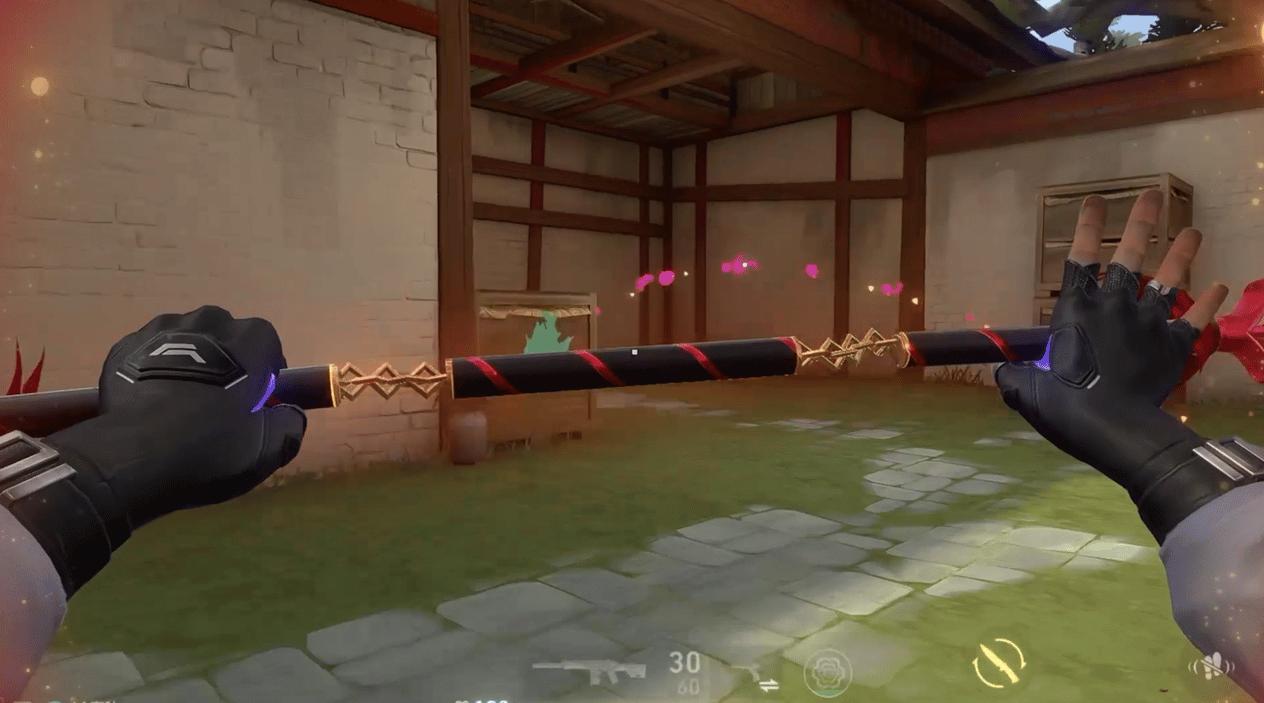
The melee weapon design is also innovative. The blade is shaped like a traditional Chinese three-section staff, combined with a pointed tip, forming Valorant’s brand-new melee module. Whether swinging it during inspection or slashing in battle, the motion is smooth and fluid, blending traditional weapon charm with mobile game controls.
When defeating an enemy, a red-and-gold steed bursts forth in a dramatic stop-and-raise pose, combined with auspicious paper-cut designs and red envelopes, adding a passionate vibe to the competitive duel, making it especially eye-catching.
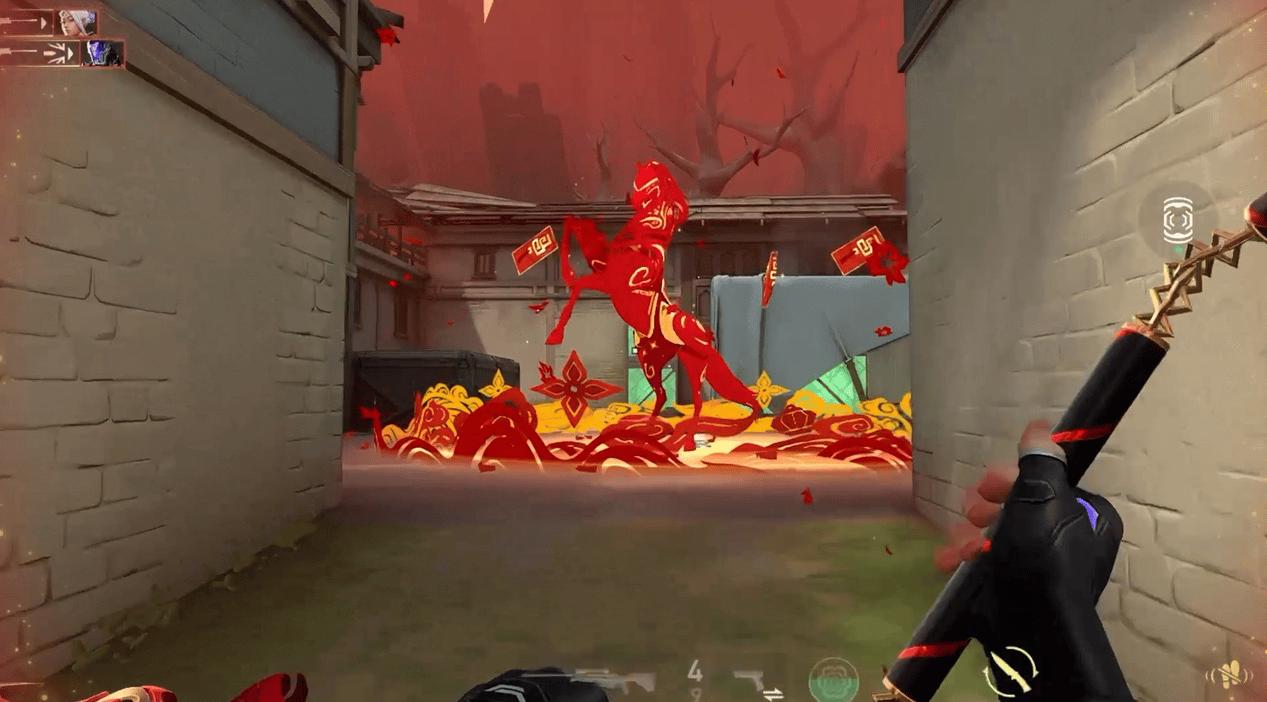
Beyond traditional elements and festive mood, the kill effect’s horse figure uses hollow-out techniques and dynamic symbols to create a youthful and trendy feel.
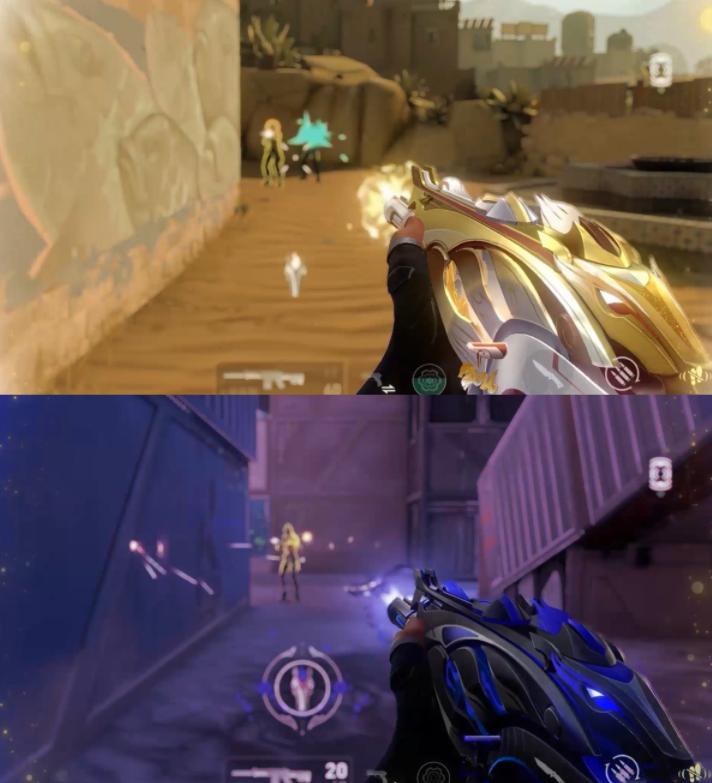
This trendy vibe extends to the material finish of the set. While moving, it shows a hard, glossy shine like sprayed paint. The classic lucky red color can also switch to platinum, blue-black, and other stylish hues in upgraded versions. Such a blend of Chinese style and modern expression is rare in FPS games.
Of course, if it were just about good looks, it wouldn’t have gone viral so quickly.
Its breakout point lies in "magically linking the hope for good luck with satisfying, fiery feedback," creating a shared feeling that using the "Horse Gun" is not "horse" (the latter meaning poor feel and inaccurate shooting in the traditional sense).
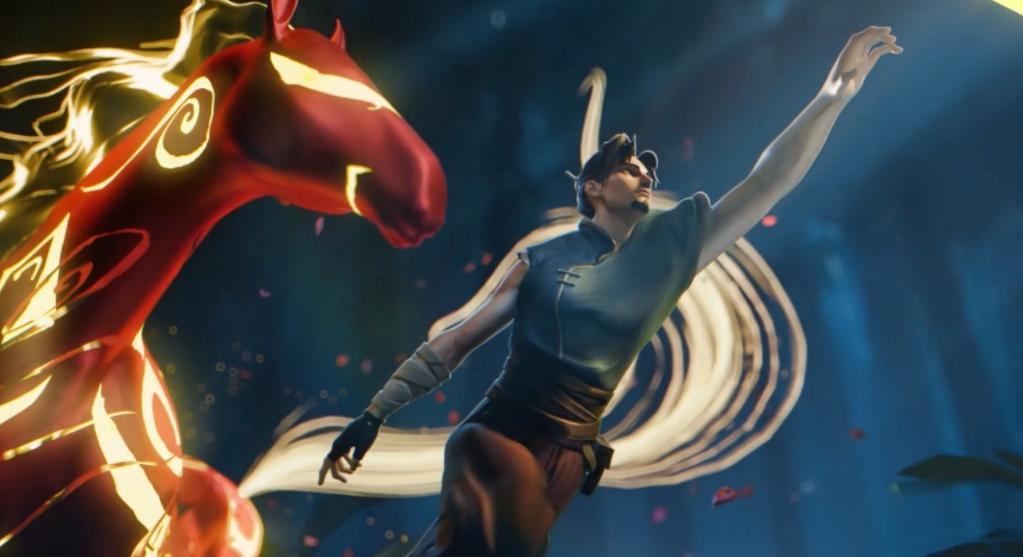
This starts with storytelling. In Valorant’s early promotional CG for the Horse Gun, an old man recalls his youth: as the Year of the Horse approaches, the world suffers dark calamities, and his horse had left him, but in despair, a "special horse" returns.
"The divine steed" returns — this is the essence of the Horse Gun. When danger arrives, the hero wields a weapon transformed from the divine steed, possessing "swiftness" power to defeat the villain. The story echoes "A blessing in disguise," linking the divine horse with good fortune, and with the Year of the Horse coming, everyone naturally hopes to be accompanied by such a steed for lasting luck.
After setting the emotional tone comes precise fulfillment of competitive demands.
The Horse Gun set covers popular guns like Phantom, Spectre, Frenzy, and Ghost, with shooting feedback, aiming dynamics, and gun traits closely matched. For example, Spectre and Frenzy suit run-and-gun playstyles, with flowing light effects adding motion; Phantom’s quick stop and shoot offers strong confirmation — players often credit this to the "Horse Gun set’s amazing feel."
Ultimately, the mystical belief that using the "Horse Gun" won’t be "horse" became a booster for the "good luck" tag, encouraging players to fight boldly and enjoy the thrill of unlocking their huge potential.
With this explanation, it’s easier to see why the Horse Gun exploded in popularity. Beyond great feel and appearance, it successfully connects emotions of "starting the New Year with good shots, good luck, and a good start," bringing multiple layers of satisfaction. This turns a commercial skin into more than just functional and visual upgrades — it becomes a carrier of Chinese New Year rituals and well wishes.
Moreover, the Horse Gun’s rise isn’t an isolated case. In early February’s new season, Valorant released the "Radiant Scale Dragon" set, praised for solid feedback and feel; the "Li Fire Blade," launching February 19, is also considered a top-tier fan-shaped melee weapon in both feel and looks.
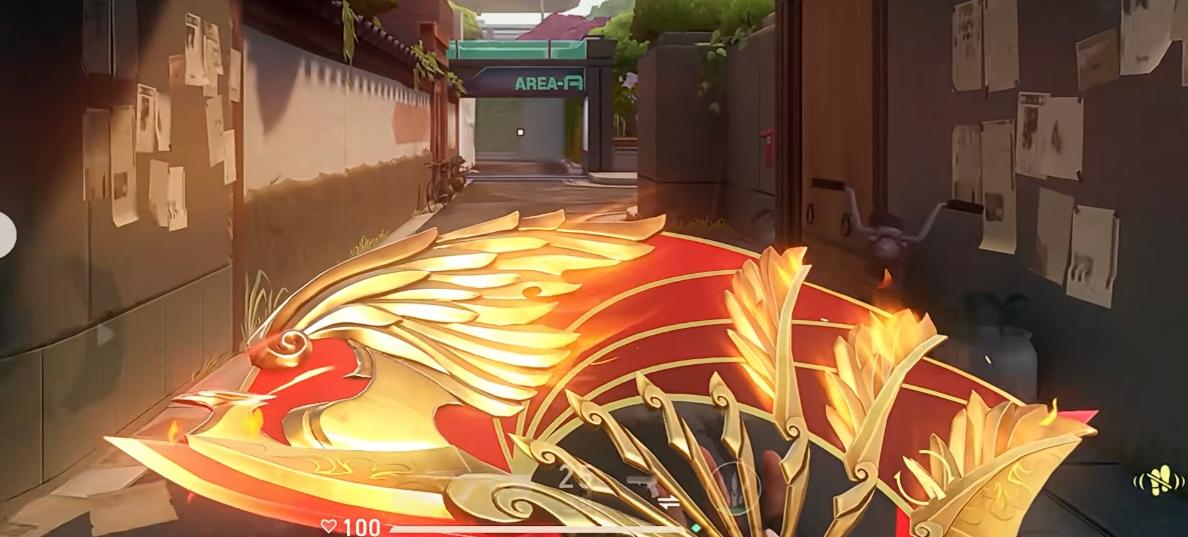
Valorant’s successive new sets and original skins during the New Year all contribute to this wave of popularity. Now, Valorant’s skin design continues to be refined and evolve.
Each generation has its own "Horse Gun"
To be honest, veteran shooting game players are often surprised by the Horse Gun’s popularity, since for years "Horse Gun" was slang in the shooting community meaning lost aim and self-mockery. It was a term used to mock poor performance, yet overnight it became associated with youth, trendiness, and good luck, even breaking out of the circle — somewhat magical.
I studied this carefully and while it’s challenging, Valorant’s achievement isn’t surprising.
Firstly, Valorant laid the groundwork for "semantic reversal." The CG story for the Horse Gun directly borrows the "A blessing in disguise" idiom, guiding viewers to "see things from a different angle": the "horse" isn’t a mistake or bad, but in Chinese tradition, it symbolizes good fortune and protection.
This idiom is widely recognized among the public, with a low barrier to understanding, making the message easier to accept.
Also, during early promotion of the Spring Festival version, Valorant launched the slogan "Play Valorant in the Year of the Horse, don’t be ‘horse’," proactively reclaiming the word "horse" from its negative connotations in the shooting community. Now, with the Horse Gun set officially released, numerous fan creations have flooded platforms, including five-kill highlights, feel reviews, skin showcases, and memes. Players actively link "Horse Gun" with "not ‘horse’ but more accurate," naturally forming a new consensus.
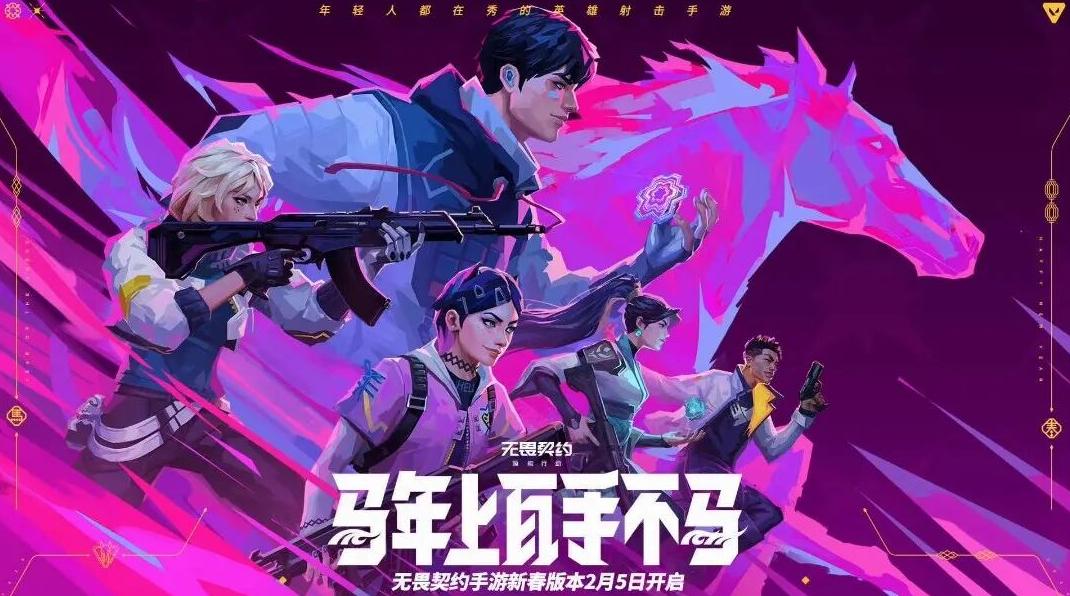
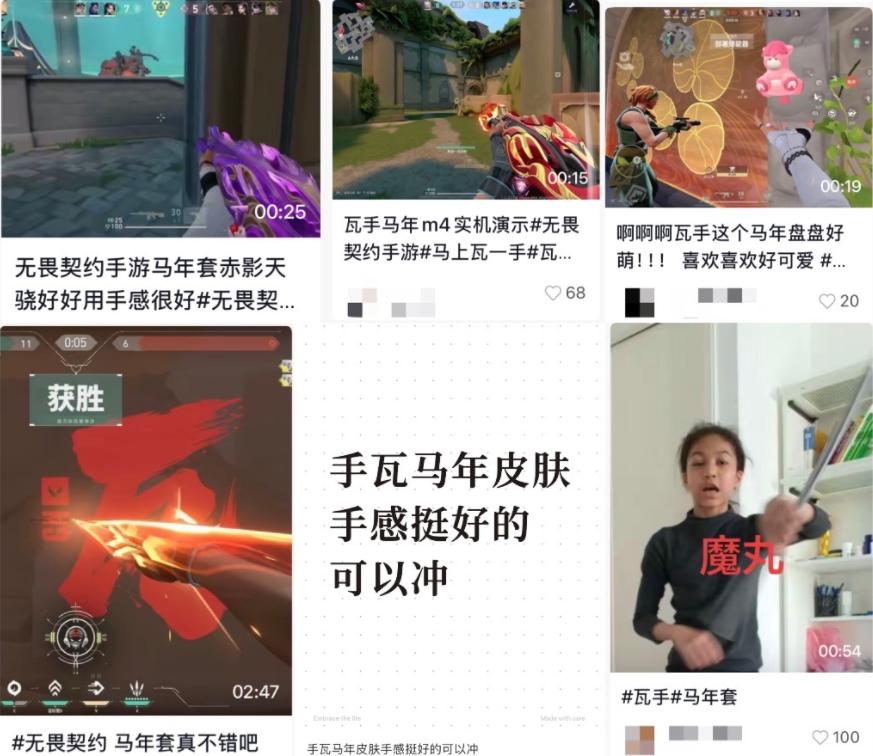
Secondly, Valorant’s IP is targeting a new generation within the fiercely competitive FPS community, who grew up in meme culture’s explosion and are highly proactive and creative in deconstructing old concepts and giving them new meanings.
A glance at the community shows that changes in meanings like "Horse Gun" aren’t unique. For example, in FPS games, teammates often say "good gun" after kills, but in Valorant’s ecosystem, it evolved into "one-shot," a praise for extreme accuracy, used not only by Valorant players but becoming common slang across the shooting community.
Even the "one-shot" audio was turned into a catchy BGM for rhythm, popular not only for editing highlight videos but also for beauty videos, with even official serious accounts joining the meme fun.
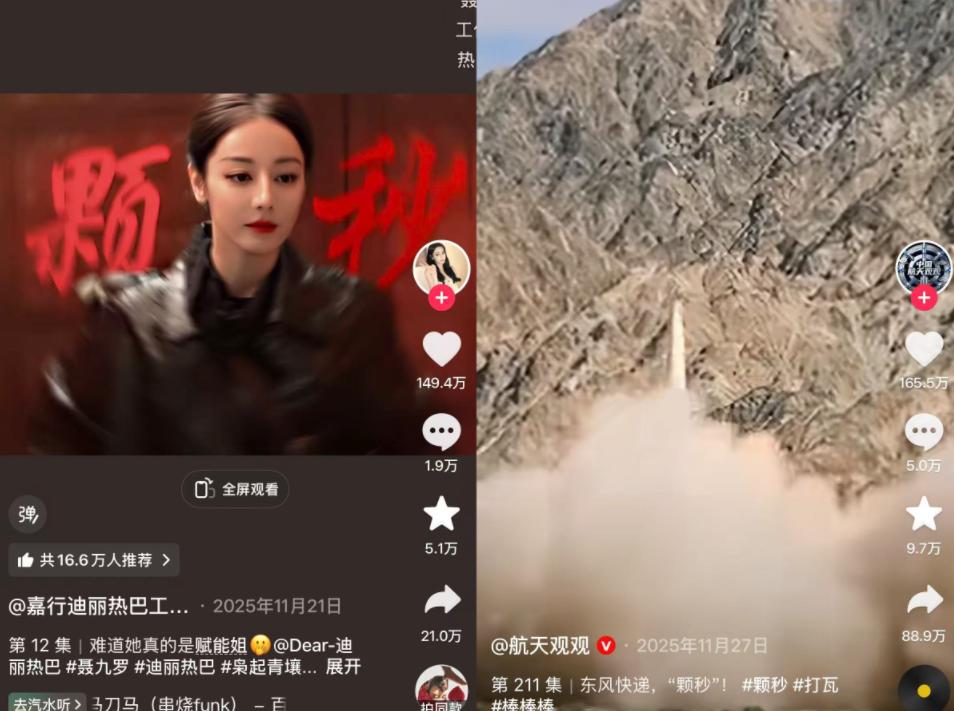
Similarly, the ancient phrase "Mao Sui volunteers himself" evolved in early internet culture into "XX requests to fight," then "XX your troops have arrived," and among Valorant players, it was humorously changed to "Sage, I have talents," turning volunteering into talent showcasing, both funny and catchy.

It’s clear that Valorant’s player base "dares and knows how to meme," never limiting their understanding to a word’s original meaning, but eager to "use symbols for themselves." "Horse Gun" is just that — why must it be a synonym for awkward moments? In Valorant, it’s a blessing, cool, and a trendy New Year phrase.
Each generation has its own "Horse Gun" — probably the best explanation.
A younger Valorant, daring and playful
The fact that "Horse Gun" gained popularity on mobile rather than PC highlights this product’s uniqueness. It not only gathers a huge, young user base but as Valorant’s IP pioneer on mobile, it is actively exploring an even "younger" ecosystem independently.
"Horse Gun" isn’t the only successful example.
Earlier, Valorant already made a name with exclusive original skin series like "Awakening Lion" and "Poseidon." For instance, the four-color "Awakening Lion set" features skins designed as lions with distinct personalities based on gun types, and the melee weapon "Awakening Breaker" resembles a handbell, auspicious and majestic; its showcase video on Bilibili surpassed one million views.
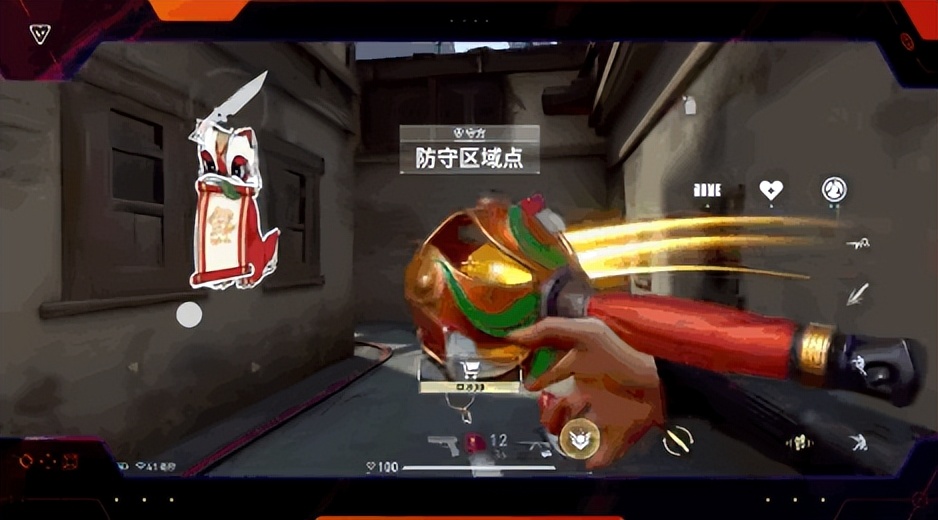
The Poseidon series, themed around the ocean and tridents, features melee weapons evolving from knives to tridents, with a unique design approach. Many players commented "feedback is great" and "feels good" after trying them. These skins are original creations tailored to mobile, not ports from PC games. The Horse Gun set represents a new height in originality and local storytelling.
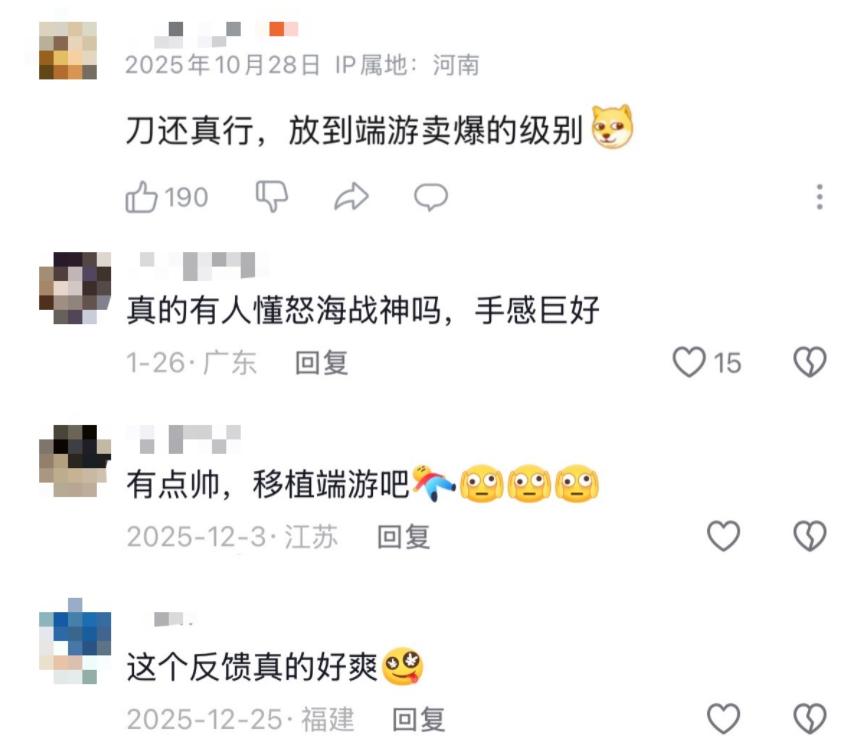
Since its launch in August 2025, Valorant has remained stable in the iOS top 10 sales chart. As a "pioneer," it keeps generating cultural hotspots like the "Horse Gun," adhering to trendy innovation, connecting with young users, breaking boundaries, attracting new attention, and revitalizing the entire IP ecosystem.
From an insider’s slang to a viral Spring Festival blessing; from a commercial skin to a youthful New Year ritual — the Horse Gun’s rise is also a shared resonance of a generation of young people.
And Valorant, together with young people, is redefining its own language and joy.

 Links
Links
 Contact
Address:UNIT 1804 SOUTH BANK TOWER, 55 UPPER GROUND,LONDON ENGLAND SE1 9E
Number:+85259695367
E-mali:[email protected]
 App
App


