



Fu Ming: Gave up becoming a professional player at 10 but still dreams of officiating at the World Cup



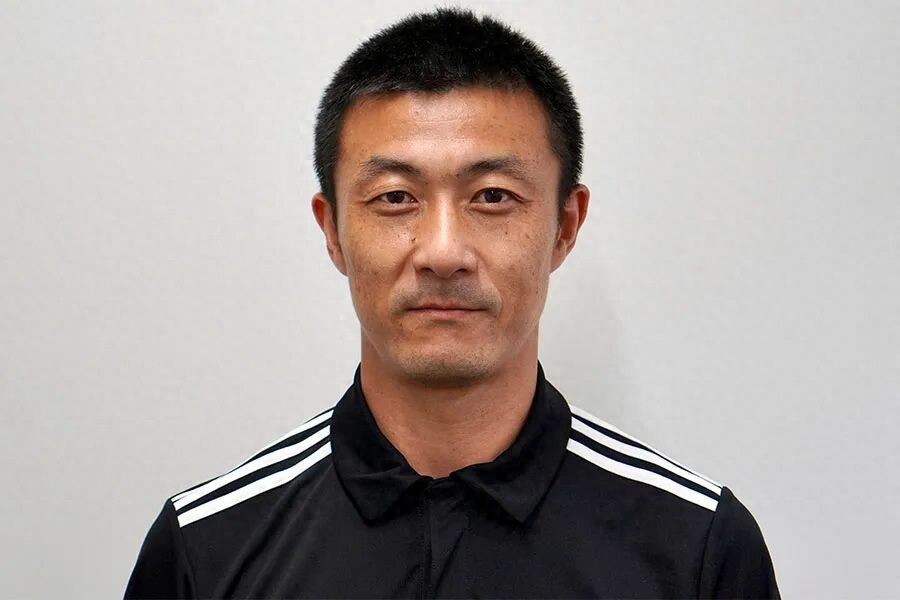
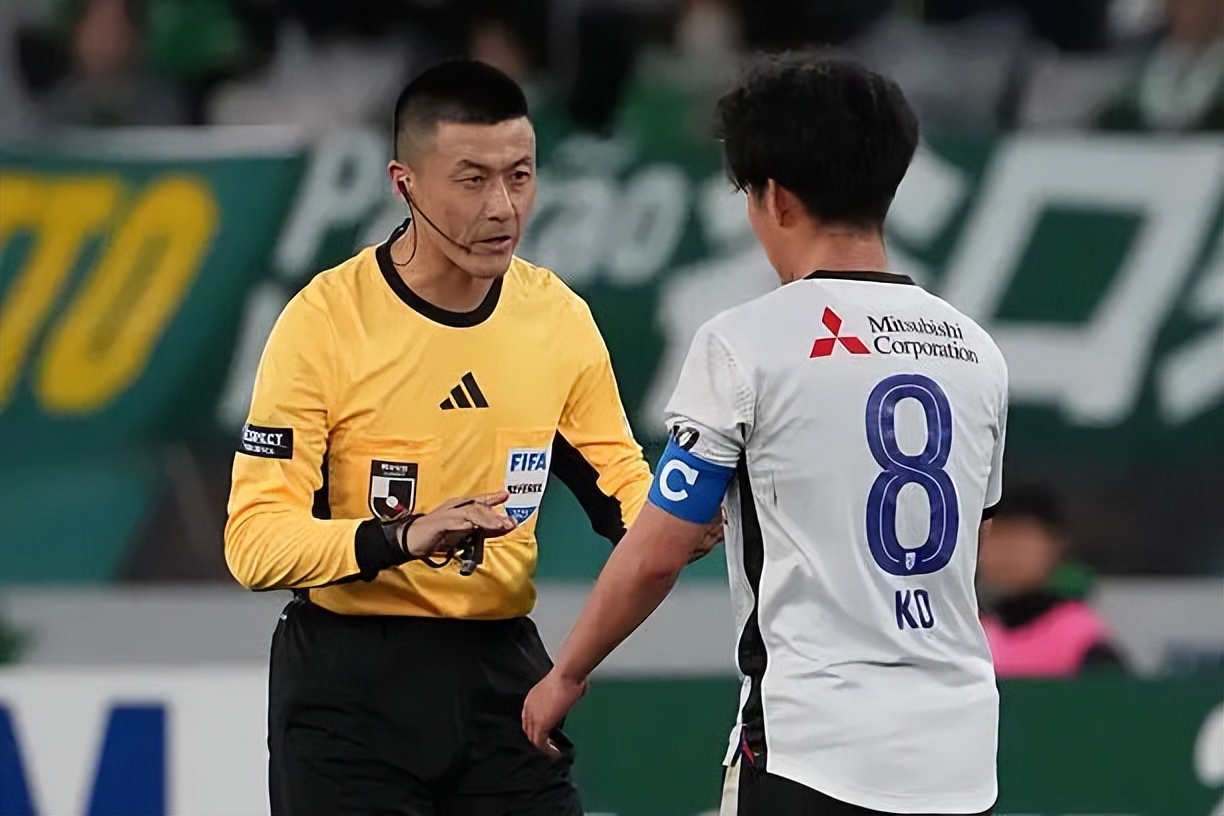
In the 2025 season, 42-year-old Chinese referee Fu Ming became a registered referee with the Japan Football Association due to studying abroad in Japan and officiated matches in both the J1 and J2 Leagues. Recently, Japanese football journalist Mori Masafumi conducted an exclusive interview with Fu Ming, where he reflected on his path to becoming a professional referee and gradually becoming one of Asia’s elite referees. He had the opportunity to become a professional player but chose to give up because he didn’t want to be separated from his family. Regarding the immense pressure and criticism inevitable in refereeing, he said he doesn’t care about outside opinions and focuses solely on fulfilling his duties, describing it as “analyzing mistakes, finding solutions, and continuously improving.”
Having officiated in Japan’s professional leagues, Fu Ming has gained a deeper understanding of Japanese football. Besides the fast pace of J-League matches, he was impressed by how Japanese players rarely get distracted by referees’ decisions. Looking ahead to his career, Fu Ming expressed his intention to contribute to referee education, passing on his experience to the next generation of young referees, and continuing to pursue his dream of “one day officiating at the World Cup.” The following is a full translation of the interview.

— Mori Masafumi: Why did you initially choose to pursue a career in football?
Fu Ming: “I was born into an ordinary family in China and was deeply influenced by my father’s passion for sports, especially football. My father was a professional player in his youth and was my first coach. He often took me to the pitch and encouraged me to consider football as a career. When I was ten, my father and I had a serious conversation. He asked me, ‘If you want to be a professional player, you must leave home to train and study elsewhere. Are you sure?’ I replied, ‘No, I don’t want to leave. I want to stay here to continue my studies and be with my friends. Why must I leave?’ Ultimately, I chose to stay close to my family.”
“In reality, becoming a professional player is not easy. Besides talent, it requires great effort, and even then, there’s the risk of early retirement. Therefore, I decided to keep playing football at school and represented my school team until I graduated from high school.”
— What choices did you make after entering university?
“I majored in football at a sports university and participated in the university league. During that time, I played several positions on the field: defensive midfielder, right winger, and eventually transitioned to center-back. In my senior year, I was appointed team captain.”
“One of my university mentors was an experienced referee. In my second year, he asked me, ‘Do you want to try refereeing?’ This marked the beginning of my refereeing career. While still a player, I started refereeing under his guidance. I gradually found that the more I studied the rules, the better my playing skills became. From my third year, I began professional referee training courses and obtained my certification, progressing from amateur matches to higher-level games.”
“Thanks to my excellent physical fitness that allowed me to run easily from kickoff to final whistle, I fully met the demands of refereeing. I am convinced that this was the key factor in my growth into a top referee. Physical condition is fundamental and has always been my foundation.”
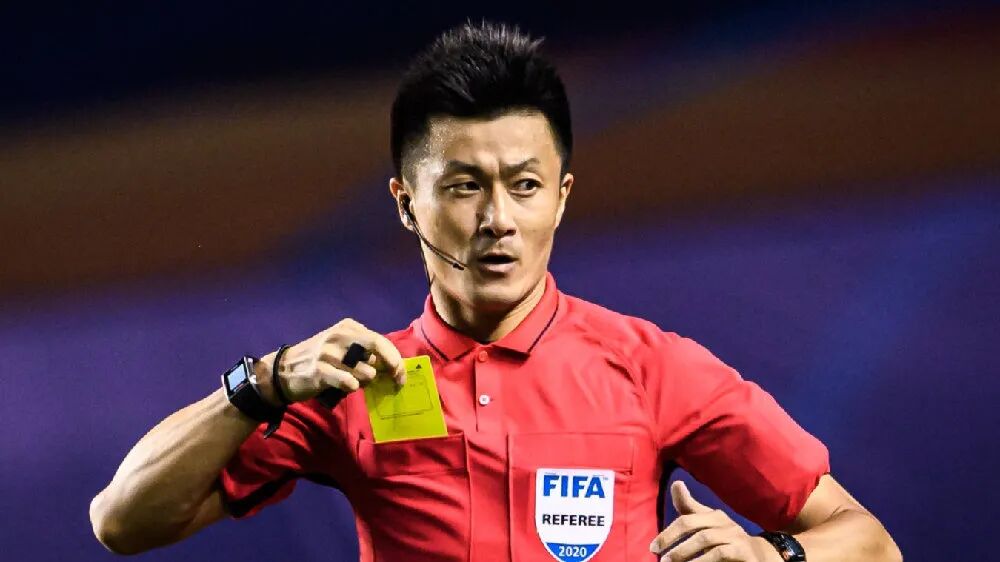

— Mori Masafumi: But as a referee, you must have faced difficult moments, right?
Fu Ming: “The biggest challenge for a referee is making mistakes during matches. The pressure from inside and outside the field can become overwhelming. At such times, adjusting one’s mindset and conducting professional analysis after the game is a skill every referee must master.”
“Of course, nobody is perfect; everyone makes mistakes. Even when doing one’s best, errors happen. I feel deep regret when I err. But football is full of unpredictability; no matter how well prepared you are, unforeseen situations can occur. Coincidentally, my university research focused on the psychological mechanisms and regulation systems of referees, aiming to develop psychological support systems to help referees manage pressure more effectively.”
— How do you deal with criticism?
“During matches, I must fully trust myself and never doubt my decisions. If I find mistakes afterward, I analyze and record them, then seek solutions to avoid repeating them.”
“I cannot control criticism and comments on social media, so I choose to ignore them completely. I have never created any social media accounts — this was advice taught to me by Mr. Nishimura Yuichi.”
“I always hold this belief: ‘Let others handle the arguments; that’s their problem.’ A referee’s duty is clear: analyze mistakes, find solutions, and keep improving. That’s all there is to it.”
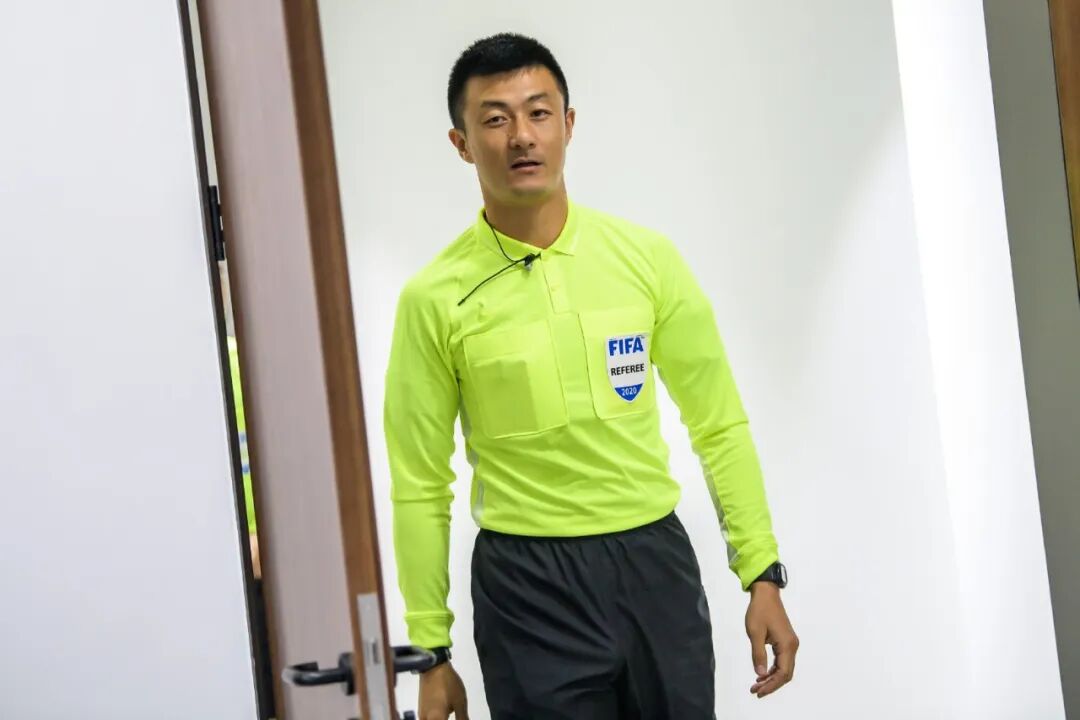

— Mori Masafumi: What roles did you hold while in China?
Fu Ming: “My primary job was a university lecturer. But I always worked as a professional referee. The only difference was the paycheck.”
“If I hadn’t held myself to professional referee standards, I wouldn’t have reached my current level. The proudest moments in my career are the opportunities to officiate in top international competitions. The Asian Cup, AFC Champions League, Tokyo Olympics, U17/U20 World Cups, and the 2025 Club World Cup... these are the most valuable and unforgettable experiences.”
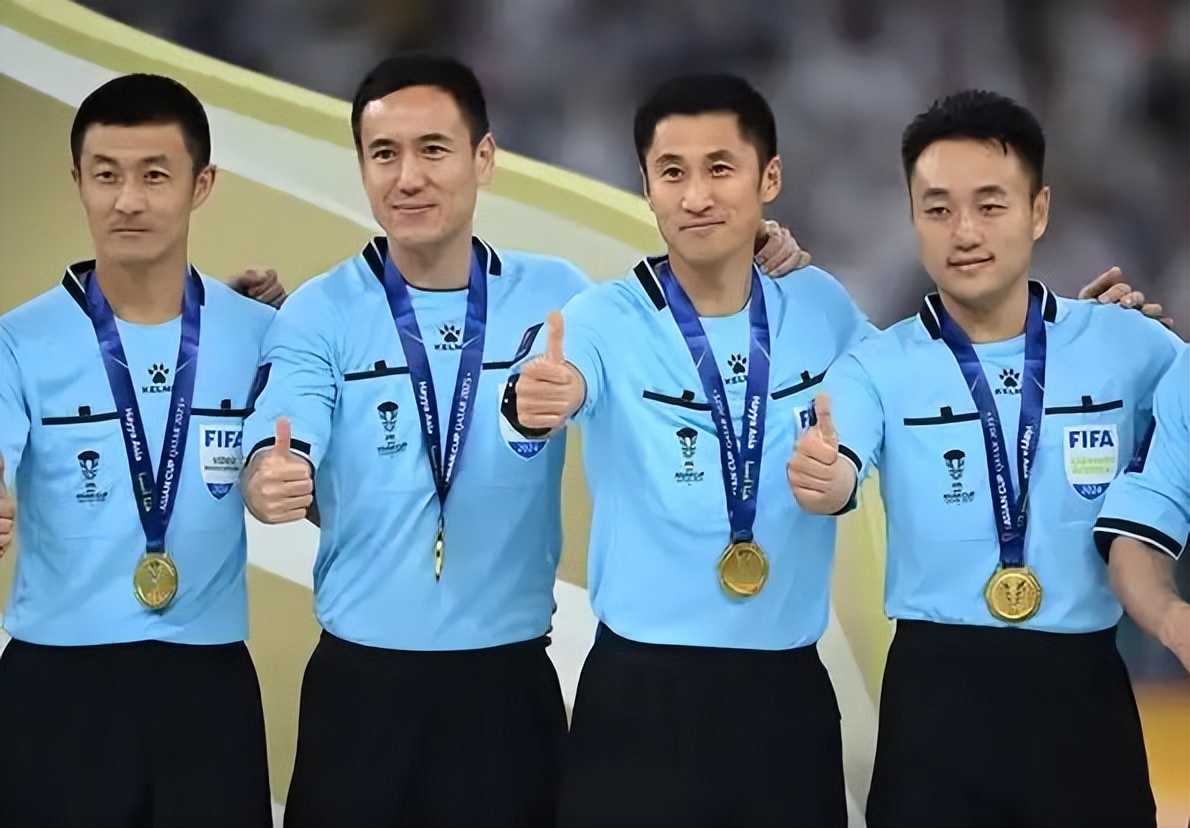
— You are regarded as one of Asia’s top referees
“That is a past honor. I always focus on performing my best in the next match. Past achievements do not guarantee future success. Moreover, referees are not stars. They are workers dedicated to football, and refereeing requires teamwork; there is no place for individual heroism.”
— What subjects do you teach at university?
“At the Capital University of Physical Education, I work on referee training, combining theory and practice to continuously supply fresh talent to the referee system. More young people are choosing refereeing as a career. I also encourage young players to learn the rules through games and training. While skills and tactics are important, understanding the rules helps them prepare better, play smarter, and ultimately win more effectively.”
— What exactly are the responsibilities of a referee?
“If you become a referee yourself, you’ll understand that the role is both challenging and fascinating. Referees face tough decisions on the field at all times. This job demands strictness and tests one’s character. From the day I started refereeing, I have been evaluated continuously. Every match has someone scoring my performance, which directly affects my career prospects. I must constantly prove myself. Fortunately, I passed every assessment and gradually rose to my current position. I have persisted in this career not only because I chose refereeing but also because, in a way, this profession chose me.”

— Mori Masafumi: Why did you come to Japan?
Fu Ming: “I came to Japan to pursue a doctoral degree in coaching psychology at Waseda University. For me, research and academics are valuable opportunities for self-growth. Before coming to Japan, I fully discussed this decision with my family and the Chinese Football Association. Fortunately, everyone supported my dual pursuit of academics and refereeing in Japan. FIFA and the AFC also understood and supported my choice.”
“With the approval and coordination of the Chinese Football Association, after completing registration and verification with the Japan Football Association, I officially started refereeing in the J-League. As an international referee of Chinese nationality, I bear responsibilities in both international and domestic competitions.”
— How did the Japan Football Association react to your arrival?
“I sincerely thank the Japan Football Association for giving me the opportunity to officiate in the J-League and blow the whistle on Japanese soil. But strictly speaking, I am not here as a full-time employee; it’s more like a ‘part-time job during my studies.’”
— What are your impressions after officiating in the J-League?
“The J-League is very fast-paced, and players maintain a high level of focus throughout. This demands referees to have quick decision-making and tactical anticipation abilities. The 20 teams in J1 are evenly matched, and strong teams in J2 are also highly competitive. Japanese players rarely get distracted by referees’ decisions and always quickly return their attention to the game.”
“Officiating both J1 and J2 matches has allowed me to deeply experience the inner workings of Japanese football, which has been very rewarding. Besides refereeing, I also participate in training courses and seminars, receiving education alongside Japanese referees, which is extremely valuable to me.”
— What are your plans after graduation?
“I will return to China to continue my work as a university teacher. At the same time, I will keep contributing to referee education for universities and the Beijing Football Association, passing on experience to the new generation of referees. Although I have not set a long-term plan, I promise to give my best every year and every match. A referee’s mission is to always put 100% effort into every game. No matter the event, it must be approached with thorough preparation and sincerity to achieve the highest standards. Additionally, I still hold onto the dream of ‘one day officiating at the World Cup.’


Wonderfulshortvideo
User esportapi has posted a video.


User FieldFrenzy has posted a video.
Air Kvara ✈️
Jamie Gittens that is rude 🤯
Ronaldo brace 😮💨🔥
Couldn’t be stopped 😤
The midfielder is back in the France squad for the first time in a year! ⚡️
 Links
Links
 Contact
Address:UNIT 1804 SOUTH BANK TOWER, 55 UPPER GROUND,LONDON ENGLAND SE1 9E
Number:+85259695367
E-mali:[email protected]
 App
App


