



How did the highly anticipated Alonso become "Ancelotti's second"?



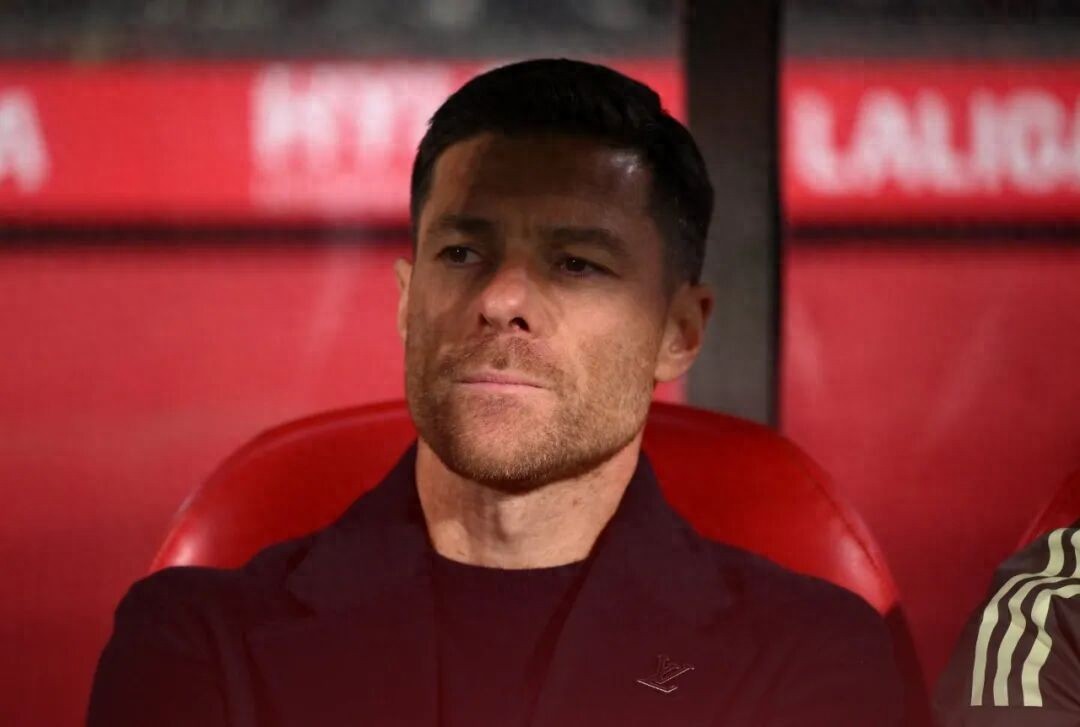
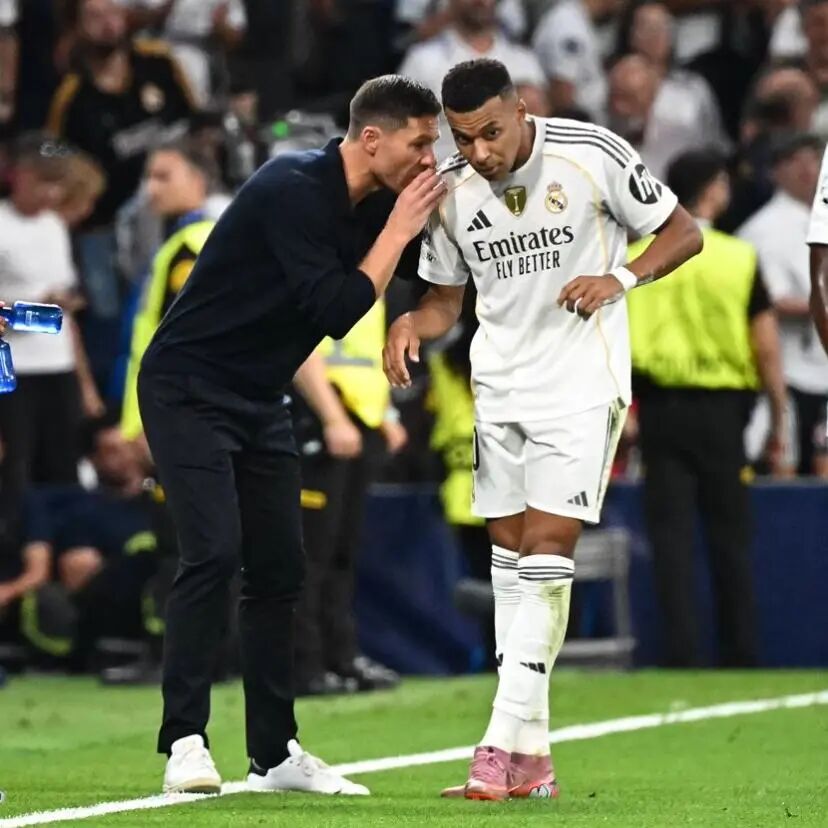
Written by / Han Bing After defeating Barcelona in the Spanish El Clásico, Real Madrid led by 5 points, and coach Alonso’s reputation was at its peak; yet 37 days later, following three straight La Liga draws and losing the top spot to Barcelona, Alonso became the embattled coach in danger of losing his position. The harsh reversal of fortune at such a prestigious club was a new experience Alonso never faced at Leverkusen. From being the highly hoped-for "Ancelotti successor" to being labeled by critics as "just another Ancelotti," the team’s crisis put the coach in the spotlight—but is he truly the sole "guilty party"?
Recently, Real Madrid has won only 1 of their last 5 matches across all competitions, a stark contrast to their previous record of 13 wins and 1 loss in 14 games. Injuries have been a major issue: Rüdiger and Carvajal have been sidelined long-term, Militão missed two games due to injury, destabilizing the defense. Youngster Marsantono had appeared 12 times with a record of 11 wins and 1 loss; without him in these 5 games, Real managed just 1 win, highlighting his importance. After losing away to Liverpool and then drawing with Rayo Vallecano, locker room problems have again been exposed by the media.
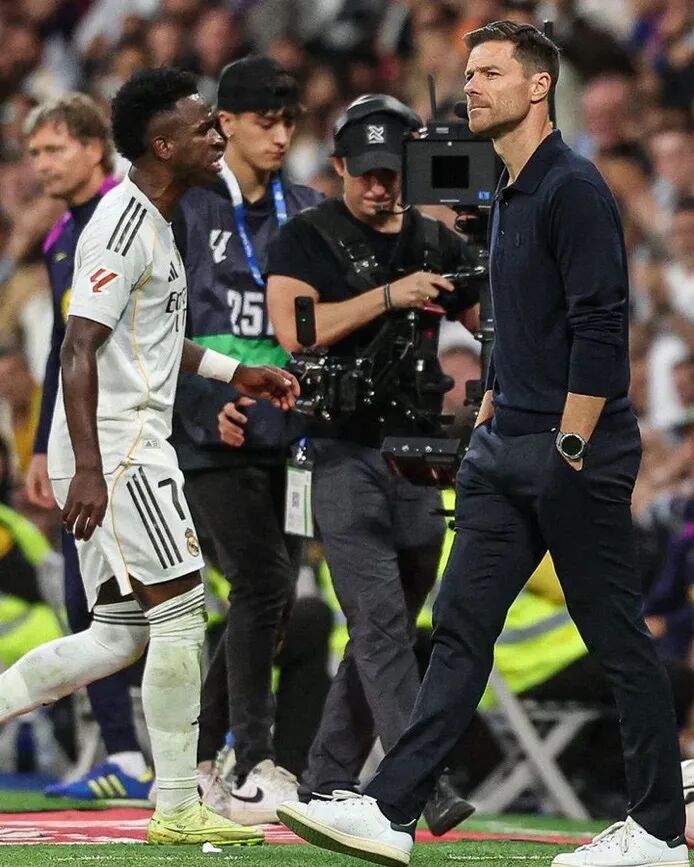
“Good fortune hides disaster.” Since the October 25 El Clásico victory over their rivals, tensions surfaced when Vinícius was substituted and showed dissatisfaction, revealing a rift between Real Madrid’s players and coach. Besides the still tense relationship with Vinícius, Alonso’s strict “semi-military management” style has unsettled players used to Ancelotti’s gentler approach. The Real Madrid locker room has split, with COPE radio identifying midfielders Valverde, Camavinga, Bellingham, and forward Vinícius as the “opposition faction” because they prefer Ancelotti’s softer style. Additionally, sidelined key players like Rodrygo, Brahim, and Mendy are also unhappy. Meanwhile, goalkeeper Courtois, the in-form Mbappé, Gvardiol, and activated players like Tchouaméni back Alonso, as does the heavily promoted Argentine midfielder Marsantono.
Alonso’s real crisis lies in ineffective tactics and substitutions. Over five consecutive away games, the record stands at 1 win, 3 draws, and 1 loss, with a narrow victory against Olympiacos. DAZN commented that Alonso’s attempt to mechanically replicate Leverkusen’s 3-4-2-1 formation ignored the squad’s composition, since Real Madrid lacks flank players like Frimpong and Grimaldo. With Carvajal injured, Arnold, who has that ability, is underutilized. AS newspaper praised Real’s attitude but criticized the tactics, noting insufficient sustained high pressing, slow attacking possession, and unclear tactical plans. Rüdiger’s return from injury and Arnold’s eventual starting role were positives, but the team still failed to produce the sharp attacking style seen at Leverkusen. Real took 38 minutes to register their first shot on target, highlighting that a drop in scoring efficiency is the core issue.
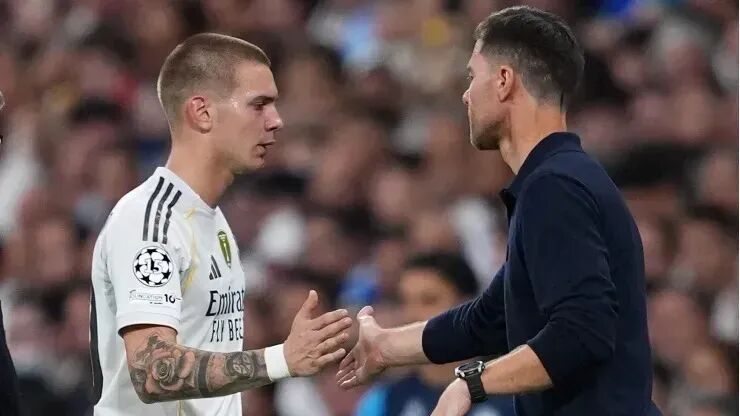
Alonso’s frequent and unsustainable tactical shifts have left key players confused. Once opponents deciphered Real Madrid’s tactics, the team could only rely on Mbappé’s individual skill. The season started with a 4-3-3, with Marsantono or Brahim mainly playing right wing. It gradually shifted to a 4-4-2, with Camavinga moving to the right, performing poorly against Liverpool away. In the Champions League away game at Olympiacos, the three midfielders shielding Gvardiol switched to a 4-3-1-2, then to a 4-1-4-1 against Girona. There are overlapping tactical roles between Mbappé and Vinícius, as well as Bellingham and Gvardiol. When Gvardiol drops back, attacking effectiveness suffers. Alonso’s failure to resolve the resource allocation and clarify roles for these player groups is the fundamental reason behind Real Madrid’s recent poor form.
Alonso aimed to implement “rock and roll football,” and early in the season, key team stats did surpass last year’s. Average tackles per game were 75.6 compared to 69.3; quick recoveries after losing possession were 34.1 versus 28.8; ball recoveries in the opponent’s half were 31.6 against 24.4; and recoveries in the attacking third were 5.6 compared to 4.2. However, in the last five games, average tackles dropped to 61, quick recoveries after conceding fell to 26, recoveries in the opponent’s half decreased to 17.2, and in the attacking third to 2.2. This comprehensive decline in data clearly indicates the problem.
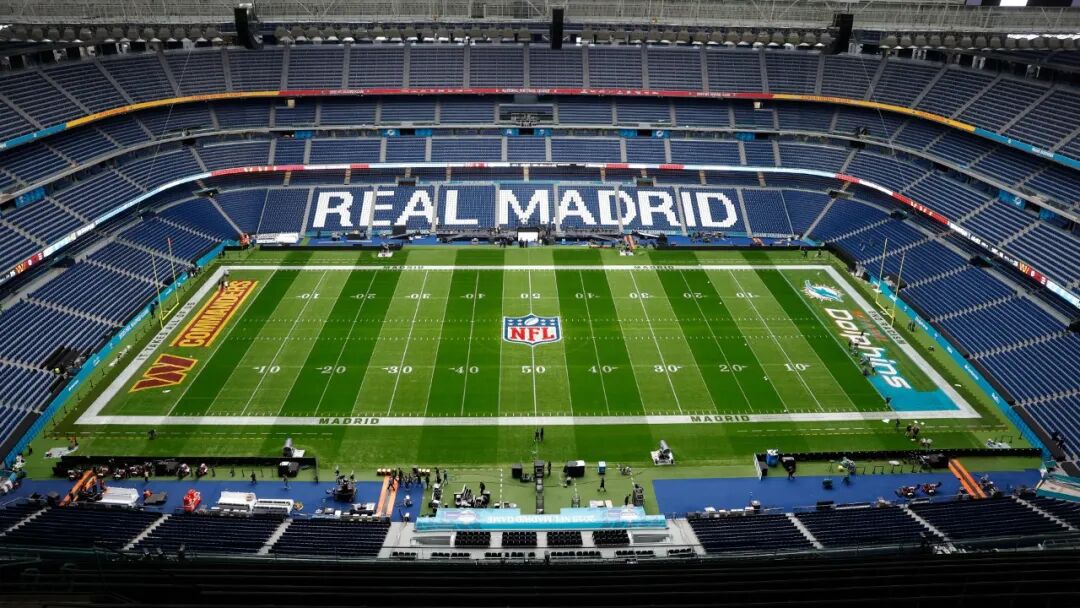
Beyond Alonso’s own issues, Florentino also created objective difficulties. On November 16, the Bernabéu hosted a North American NFL international game. Forbes revealed the match would bring Real Madrid over €80 million in revenue, including at least €8 million from ticket sales, sponsorships, merchandise, and tourism income. However, the price Alonso’s team paid was playing six consecutive away games within one month starting November 4 at Liverpool in the Champions League, continuing until December 4’s La Liga match at Athletic Bilbao. With ongoing injuries and a tense atmosphere inside the squad, the club’s pursuit of profit increased the difficulty of the team’s match environment.
The last time Real Madrid had three consecutive draws in La Liga was December 2019. Spanish media say Real’s management still supports Alonso, but the midweek La Liga away match at Athletic Bilbao must be won. Yet, considering Real’s 25 shots with only 4 on target against Girona away, this looks like wishful thinking. It’s difficult for Vinícius to repair his relationship with Alonso; Rodrygo’s goal drought has matched the club record of 30 games, and his goalless minutes (1339) are just 77 minutes shy of the record (1416).
Alonso must clearly realize that unlike at Leverkusen, Real Madrid’s locker room leaders have never been the coach. Florentino cannot ignore Real’s “€100 million stars,” with only Mbappé delivering performances matching his price tag. Vinícius is Real’s “quasi-Ballon d’Or winner” whom the club is willing to back even if it means rejecting the Ballon d’Or itself. Bellingham and Valverde have yet to find their place in midfield, presenting Alonso’s biggest challenge. If Mbappé is the only one scoring, the internal discord and declining results of the “Galácticos” become inevitable.


Wonderfulshortvideo
hansi flick barcelona goal today barcelona vs osasuna yamal goal today raphinha goal today lewandowski goal today rashford goal today pedri goal today lewandowski goal today


Shartyy @Emily Bourne
joan garcia barcelona joan garcia highlights joan garcia saves
Best duo
Cristiano Ronaldo goal new
User esportapi has posted a video.
 Links
Links
 Contact
Address:UNIT 1804 SOUTH BANK TOWER, 55 UPPER GROUND,LONDON ENGLAND SE1 9E
Number:+85259695367
E-mali:[email protected]
 App
App


