



Milicic’s dismissal is all but certain, with Chang Weiwei emerging as the top candidate for the new head coach of China’s women’s national football team.



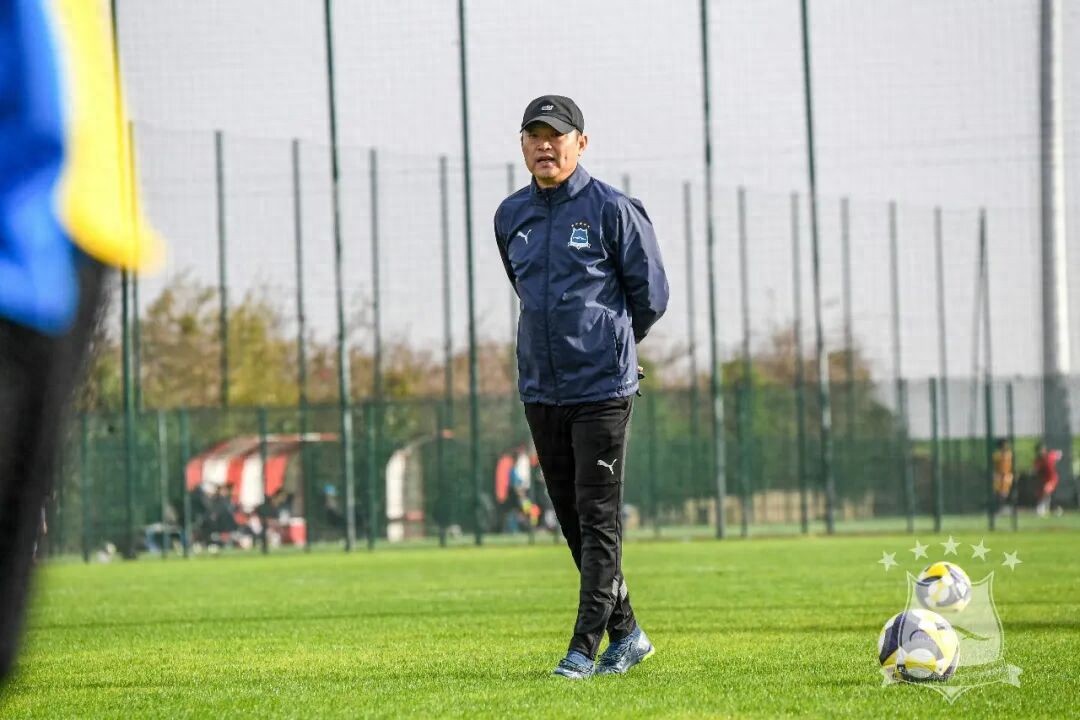
By Han Bing Next March, China’s women’s team is set to participate in the 2026 AFC Women’s Asian Cup in Australia, yet their recent warm-up games have led to demands for a new coach. During their recent tour in the UK, China suffered a heavy 0-8 defeat against the world-class England team and lost 2-3 to a relatively modest Scotland side, prompting media and fans to question the progress under Australian coach Milicic, who took charge last May. His tenure has failed to bring tactical or mental improvements, with one-sided results against strong teams exposing the squad’s weaknesses.
Since 2007, China’s women’s team has employed foreign coaches, hoping to import advanced tactical concepts to boost the team’s strength and tournament performance. Milicic, appointed in May 2024, is the fifth foreign coach but has been the most disappointing. He has not improved tactics nor achieved good results against strong European and American teams. Over more than a year, Milicic’s record stands at 6 wins, 4 draws, and 6 losses in 16 official matches, a win rate of just 37.5%. Moreover, all six wins came against lower-ranked Asian teams such as Uzbekistan, Thailand, Vietnam, and Chinese Taipei, all ranked outside the top 35 globally. Against top-20 teams, China has drawn four and lost four matches, including losses of 0-2 to Australia, 1-4 to the Netherlands, 0-3 to the USA, and a historic 0-8 defeat to 4th-ranked England in late November, equaling the worst loss in the team’s history.
During the East Asian Cup in July, China drew both matches against weakened South Korean and Japanese squads, failing to secure a win. Additionally, last year and this year, the team lost to lower-ranked Mexico (31st) and Scotland (25th). Under Milicic, China’s women’s team has neither shown greater strength nor developed a solid tactical system, with insufficient evidence of real progress.
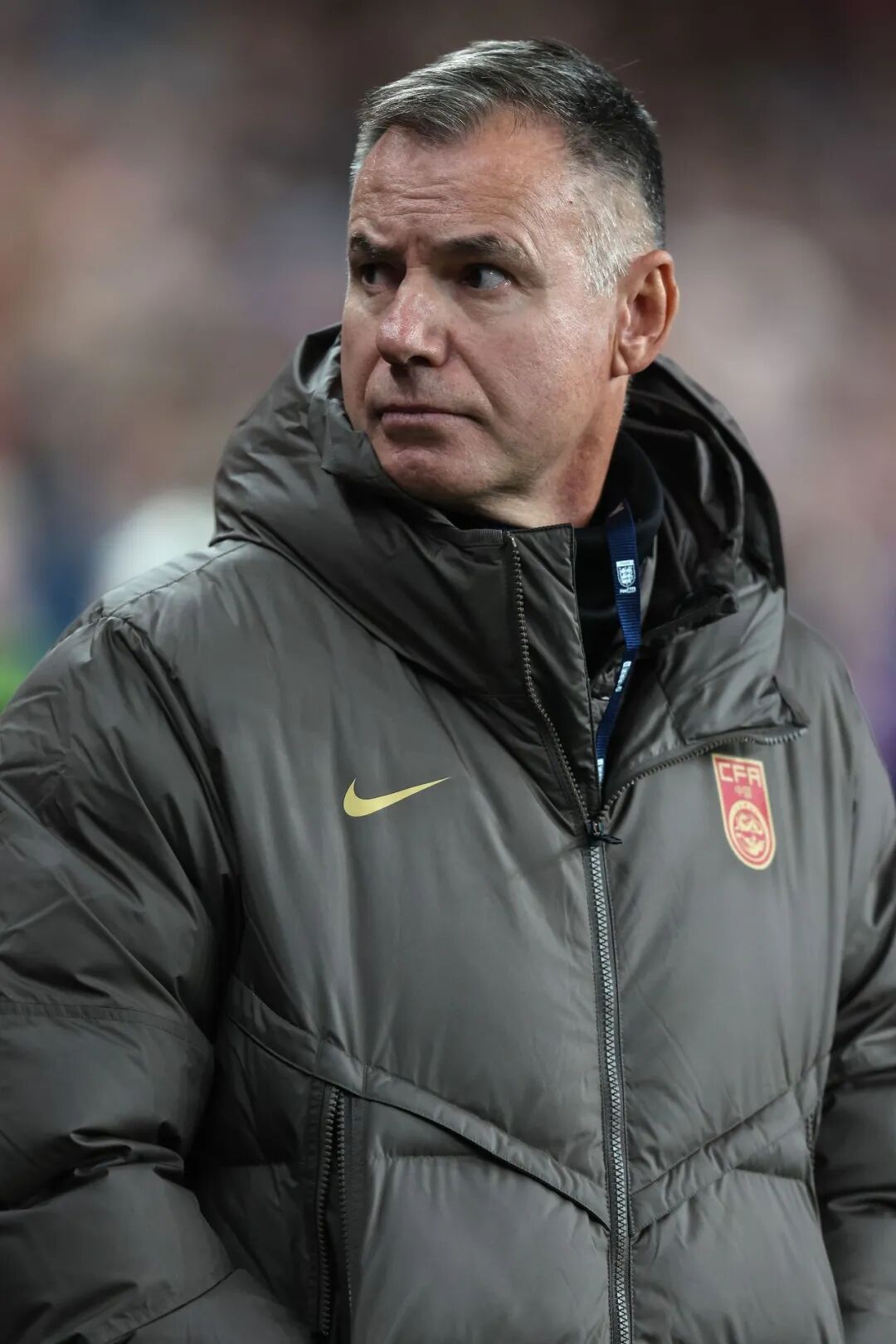
With only three months left before next year’s Women’s Asian Cup, whether Milicic will continue or be replaced has become a major focus for media and fans. Fans’ skepticism towards Milicic is also influenced by the strong performances of domestic coaches this year. Coaches like Chang Weiwei, who led Wuhan Chegu Jiangda to the AFC Women’s Club Championship title; Wang Hongliang, who guided the U17 women’s team to the World Cup knockout stage; Yu Yun, who led Beijing Oriental Yuhong to their first Women’s Super League title in 23 years; and Chen Wanting, who coached Jiangsu to a National Games championship, have all impressed fans and earned recognition.
Against this backdrop, fans have little tolerance for Milicic. Previously, the appointment of Shao Jiayi as head coach of the men’s national team showed the Chinese Football Association’s commitment to nurturing domestic coaches. At the recently concluded 2025 CFA annual coaching seminar, strengthening the development and employment of local coaches was a key consensus. Reports indicate that the CFA has conducted a comprehensive evaluation of Milicic to assess his confidence and capability to continue leading the team. Based on current information, his dismissal is almost certain. Although preparations for the Asian Cup will begin in early January 2026, the CFA remains calm, as there are well-established mid-career domestic coaches deeply familiar with the women’s league and the national team.
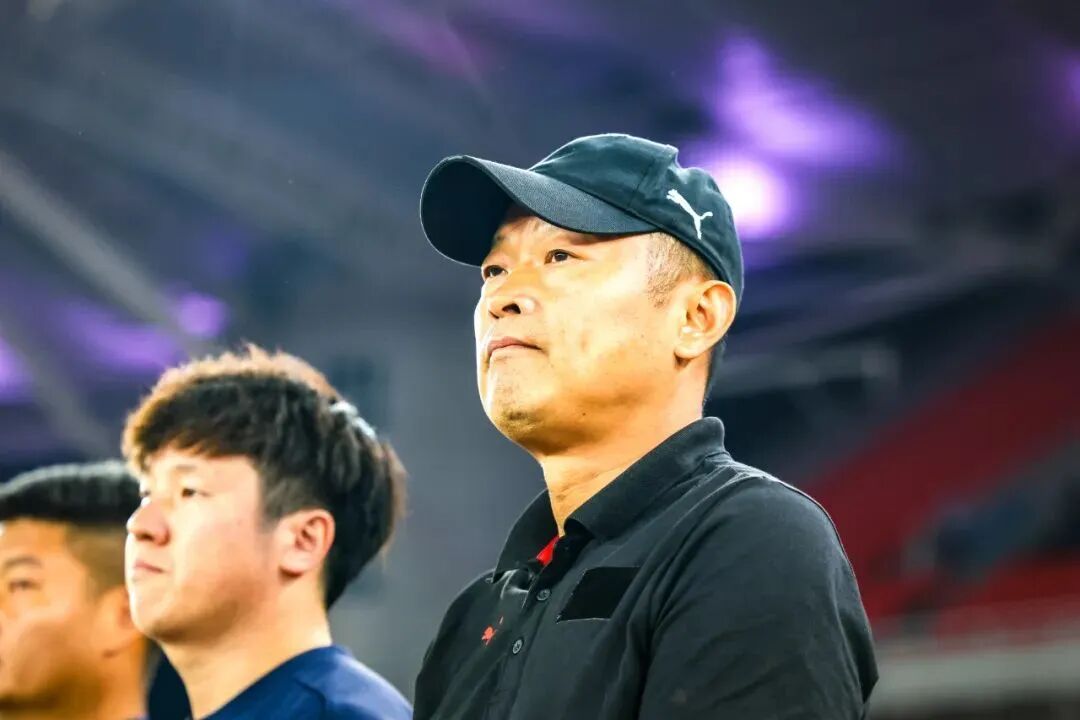
If a coaching change occurs, Wuhan Chegu Jiangda’s head coach Chang Weiwei is the leading candidate, boasting extensive international experience. Since taking charge in 2021, he has led Wuhan Chegu Jiangda to four consecutive Women’s Super League titles and delivered outstanding performances in international competitions. Earlier this year, he guided the team to victories over Urawa Red Diamonds, Ho Chi Minh City, and Melbourne City, winning the inaugural AFC Women’s Club Championship—the best major tournament result for a Chinese women’s club since China’s 2022 Women’s Asian Cup triumph. In November, Wuhan Chegu Jiangda advanced to the quarterfinals of the 2025/26 AFC Women’s Club Championship undefeated in the group stage with 2 wins and 1 draw. In this year's FIFA Women’s Champions Cup, Wuhan defeated Oceania’s Auckland City to reach the second round but narrowly lost 1-2 to African champions and hosts AS FAR Rabat, missing out on the semifinals.
Amidst these intense continental competitions, Chang Weiwei also led Hubei’s women’s team to a silver medal at the 15th National Games, marking Hubei’s best-ever performance there. Beyond practical experience, Chang has studied abroad multiple times and is well-versed in advanced international coaching philosophies. He told our paper that he has not yet discussed the national team coaching position with the CFA, but if called upon, he will give his utmost effort.
Additionally, Chen Wanting from Hong Kong led Jiangsu Wuxi women’s team to the Women’s Super League runner-up position in September and then captured the 15th National Games gold medal in November with an average team age of 20, making her another popular candidate. Chen has often expressed her dream of leading a team to the Women’s World Cup, and after over four years in the Women’s Super League, she has demonstrated her potential.
Furthermore, coaches like Wang Jun and Wang Hongliang, who have experience coaching national youth women’s teams, are also worthy of consideration. In summary, if China’s women’s team changes coaches this time, it would be better to choose a mid-career domestic coach who has already grown within the system rather than searching globally for a foreign coach requiring a long adaptation period.


Wonderfulshortvideo
The footwork, the finish 🤌


Did you get it? 🤔😅
The Wirtz x Sané link-up 🔗
Haaland’s movement 🥵
Which counterattack is
“afcon funny moments”
🤤🤤
 Links
Links
 Contact
Address:UNIT 1804 SOUTH BANK TOWER, 55 UPPER GROUND,LONDON ENGLAND SE1 9E
Number:+85259695367
E-mali:[email protected]
 App
App


