



Under the western sky, there lies a broader dream of football.



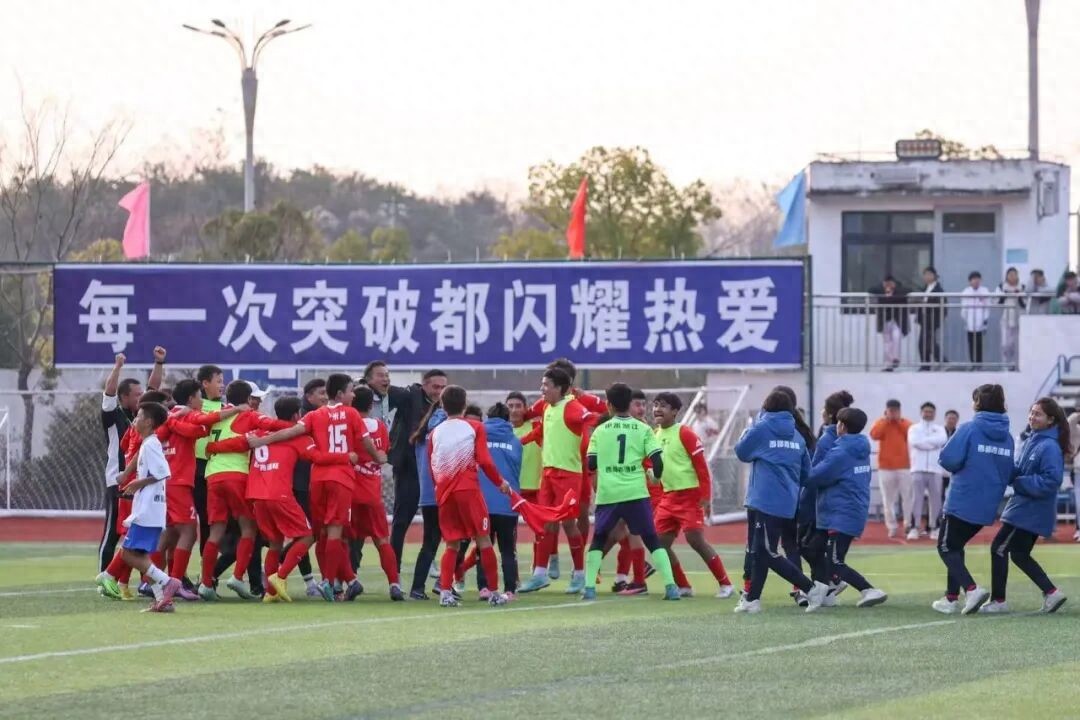
Written by Zuo Rui At this year’s Western Youth Training Cup local representatives’ forum, the leaders of eight pilot units all sought to address a persistent problem — the shortage of top-tier coaches. With former women’s super league player Zhong Doudou, young Spanish coach Daniel, and national team coach Ma Quan successively moving west, they demonstrate through their deeds that the western region is the broadest frontier for Chinese football and is in greatest need of talent like you.

At 11, Zhong Doudou entered professional football training through selection, despite her parents’ disagreement. She left her original primary school and began her athlete life at Huai’an Sports School. Two years later, she joined the Jiangsu women's youth training team; retiring from Jiangsu women's football at 22, she didn’t want to miss her final year at university and preferred to continue her football career through coaching.
When facing major life decisions, Zhong Doudou always follows her heart. While competing in the women’s super league, she passed the coaching qualification exam and even served as an assistant coach for a U9 team during injury recovery. She enjoys coaching immensely, finding the sense of achievement and joy even greater than playing on the field herself.
Since entering sports school, academic study became increasingly scarce. After earning the athlete excellence title, her team was admitted to Jiangsu Normal University’s sports program without entrance exams. Leaving the women’s super league and entering university, she experienced a period of confusion and even “breakdown” — graduation internships left her feeling lost, realizing she “seemed to know nothing.”
After university, civil service exams were not her strength, but she earned a teaching certificate and returned from Nanjing to Huai’an: coaching a women’s team and guiding players through football talent special admissions. Unexpectedly, these skills found a larger stage far away in Xinjiang, seemingly destined by fate.
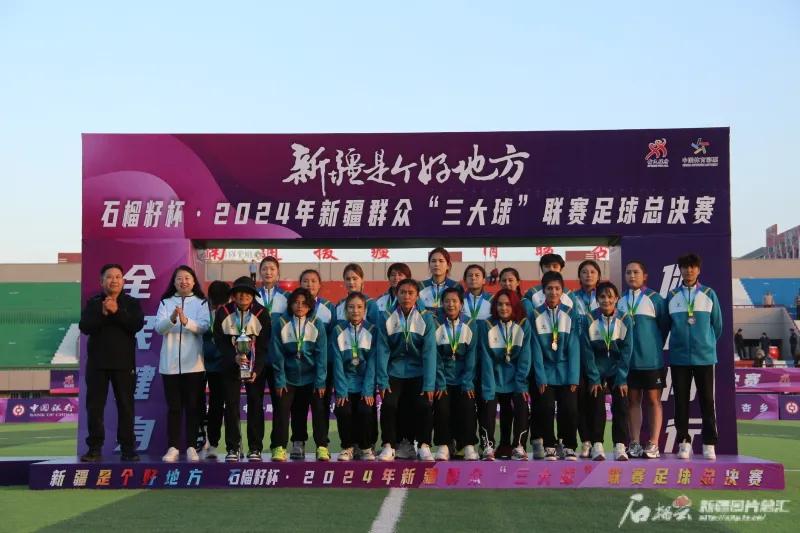
▲ Zhong Doudou (third from left in front row) won runner-up in the 2024 Xinjiang Mass “Three Balls” League Football Finals Women’s Group (via Shiliuyun)
Not wanting to “stay in familiar places forever,” Zhong Doudou joined Jiangsu Sports Bureau’s aid Xinjiang talent program, spending half a year in Ili. Near the end of her service, local authorities persuaded her to extend another six months. During this time, she led her team to second place in the Xinjiang Mass “Three Balls” League Football Finals Women’s Group. At the second “Western Youth Training Cup,” 24-year-old Zhong served as assistant coach for Ili’s U14 girls’ team.
On one hand, Ili has limited football coaching resources, especially female coaches with professional experience, making talents like Zhong Doudou highly needed; on the other, Zhong was touched by Ili’s “purer football” and the players’ “more positive attitude,” finding her life’s calling there. Both sides quickly reached an agreement, and Zhong secured a teaching position at Ili Sports School through exams, interviews, and political review.
“Here, not only is the food good, the people friendly, and the scenery beautiful, but there is also great potential for career development.” During breaks, she visited Urumqi, Kashgar, and Altay, but Ili remains her favorite. At work, she opened two windows for her players: access to professional leagues and university campuses.
“I know which universities offer more matches and opportunities to improve skills.” Having suffered from limited schooling herself, she encourages her players to study more. “I always tell them life isn’t just about football; the world outside football is vast, so no matter what you do in the future, never neglect your education.” In Ili, many parents still don’t fully understand the concept of “football talent students,” making Zhong’s experience and views even more persuasive.
With help from Jiangsu’s counterpart aid Xinjiang project, Ili also brought in AFC professional-level coach and Chinese Football Association instructor Zhang Xiaofeng as youth training director. “My term in Ili is three years; Zhong Doudou might stay her whole career,” Zhang said, praising Zhong’s prospects. “Ili treasures her, so she will surely work wholeheartedly for western football and Chinese women’s football.”
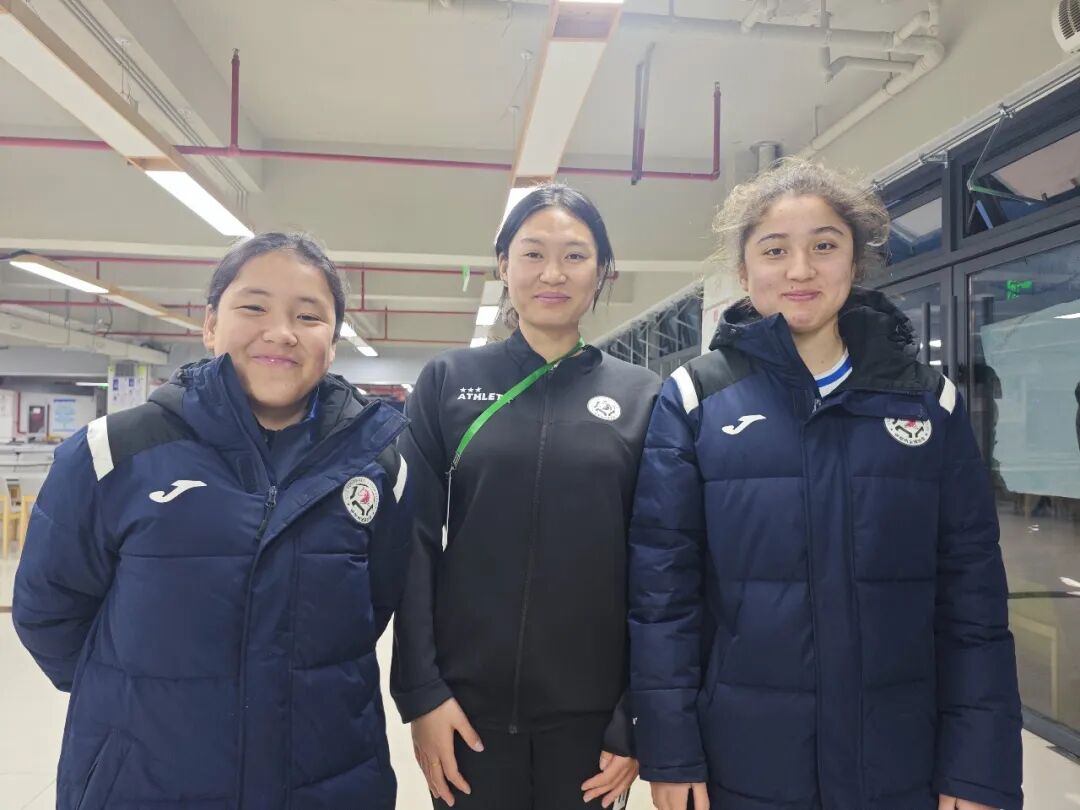
▲ Zhong Doudou and her Ili U14 girls’ football protégés

Over a thousand kilometers away, Spanish youth training director Daniel Orsina recently signed a one-year contract with Kashgar Youth Training Center. Kashgar Football Association president Wang Yongyi said, “Without special funds from western pilot areas, we couldn’t afford to hire such high-level coaches.” Wang noted Daniel is happy in Kashgar, enjoys local food, and expressed willingness for long-term cooperation.
Though only 36, Daniel has a rich playing and coaching background. His career began in Valencia’s youth ranks, and as an adult, he played in La Liga, Segunda División, Segunda B, and even less mainstream leagues in Belarus and Nicaragua. Toward the end of his playing days, he began working simultaneously as a youth coach and scout.
In 2018, Daniel, who enjoys traveling and has no fixed home, first came to China, spending time at a campus in Zunyi, Guizhou. Afterwards, he worked in Kenya, Cameroon, and Costa Rica as assistant coach, head coach, and technical director at youth training clubs. Returning to China in 2024, after 10 months with a public welfare football project in Quanzhou, Fujian, he went to coach in the Philippines, where he earned the AFC A-level coaching license.
On his third trip to China, the long-roaming Daniel witnessed Kashgar children’s passion and talent firsthand. He firmly believes his journey was worthwhile, having found a reason to restart his career and a desire to stay long-term. He feels only with patience and sustained effort can one truly achieve results and leave a meaningful contribution to the land they nurture.
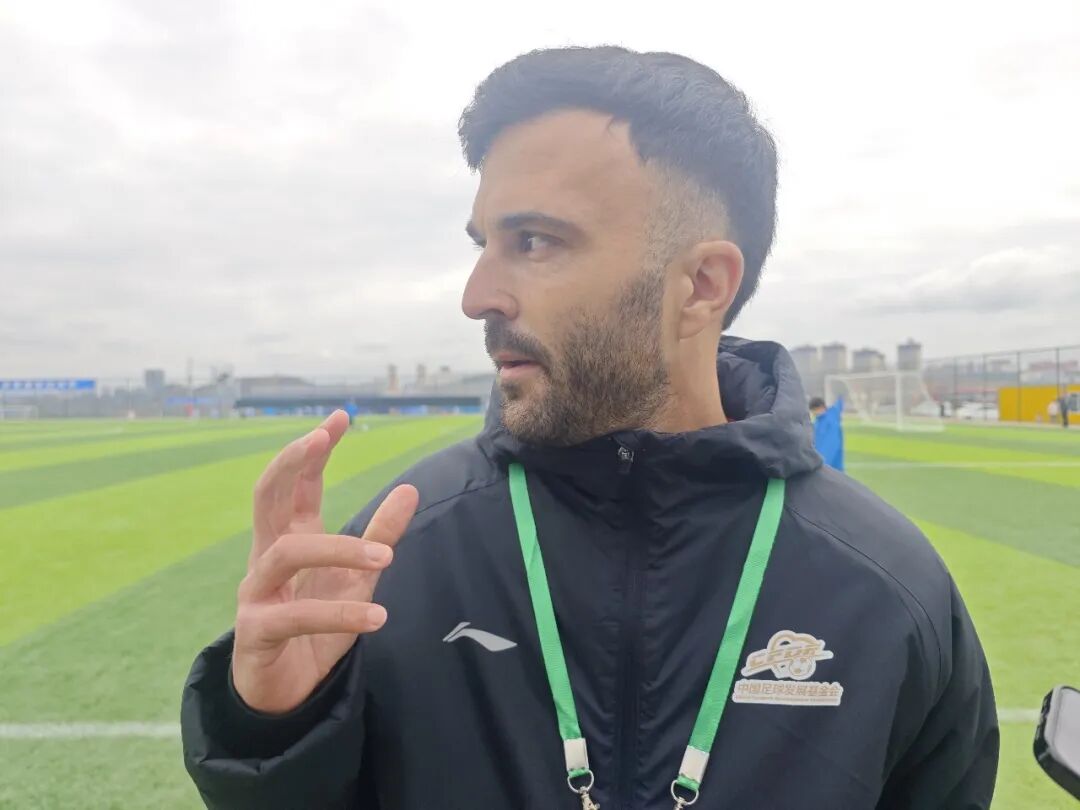
▲ Daniel Orsina
“We need daily training and to cultivate a professional mindset,” he said. Football’s challenges go beyond the field; players must be good people, maintaining healthy lifestyles at home and school. Since arriving in Kashgar over a month ago, he has emphasized to Chinese colleagues the need for a professional attitude and avoiding distractions like smoking or phone use during work hours. “We are role models for youth players and must lead by example.”
Daniel believes Kashgar players have strong physical and technical skills; the current focus is on tactics. “Not only Kashgar’s kids but players across China need to pay more attention to tactical training.” He hopes children develop tactical awareness, learning to play strategically and position themselves smartly, rather than mechanically repeating technical moves.
Though new and rarely involved in match tactics at the “Western Youth Training Cup,” Daniel demands strict team management, punctuality, and disciplined lifestyles. This left a deep impression on Wang Yongyi, who said, “The key is he holds himself to high standards. We hope he not only develops excellent players but also elevates the entire coaching staff.”
Besides finding a suitable youth training director, Kashgar Youth Training Center also sought support from Shanghai through counterpart aid. To fully showcase their ambitions at the “Western Youth Training Cup,” the team trained in Shanghai with strong assistance from local coaches, significantly improving training quality. Former pro coach Huang Yi even followed the team from Shanghai to Bijie to strengthen on-site match guidance.
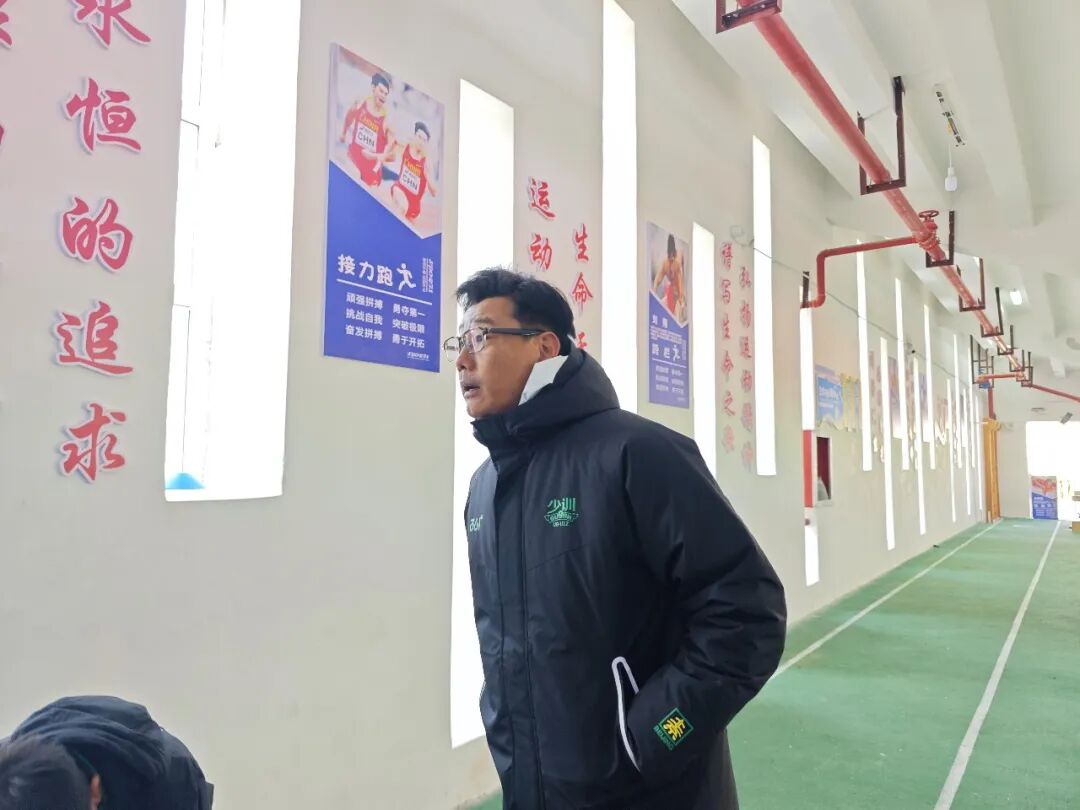
▲ Ma Quan

Currently, Bijie Youth Training Center is preparing to collaborate with Spanish youth training director Iñaki Lariño, while two months ago, Ma Quan was invited by Bijie Xinliliang Club to serve as youth training director. Since the club represented Bijie in two consecutive “Western Youth Training Cups,” Ma has appeared on the coaching bench. He said, “Such competition opportunities are rare and right at the kids’ doorstep.”
Perhaps even more valuable is Ma Quan’s arrival. The 48-year-old Ma began his career with Beijing Guoan, made his name at Sichuan Quanxing, spanning both Jia A and Chinese Super League eras. After retiring, he devoted himself to youth training, recently serving as assistant coach for China’s U21 and U17 men’s teams, and as team leader for Henan in the Super League. He told reporters he admires Guizhou’s young players, and among the team that won runner-up at the “Western Youth Training Cup,” “at least three players have the potential to compete for the national youth team.”
Ma did not come empty-handed; through personal connections, he secured a batch of Beijing Guoan gear for Bijie players. “This sponsorship is purely to help, with no other purpose.” Player Wang Yucheng said after Ma’s arrival, the team saw two clear changes: improved training efficiency and higher demands and difficulty in matches.
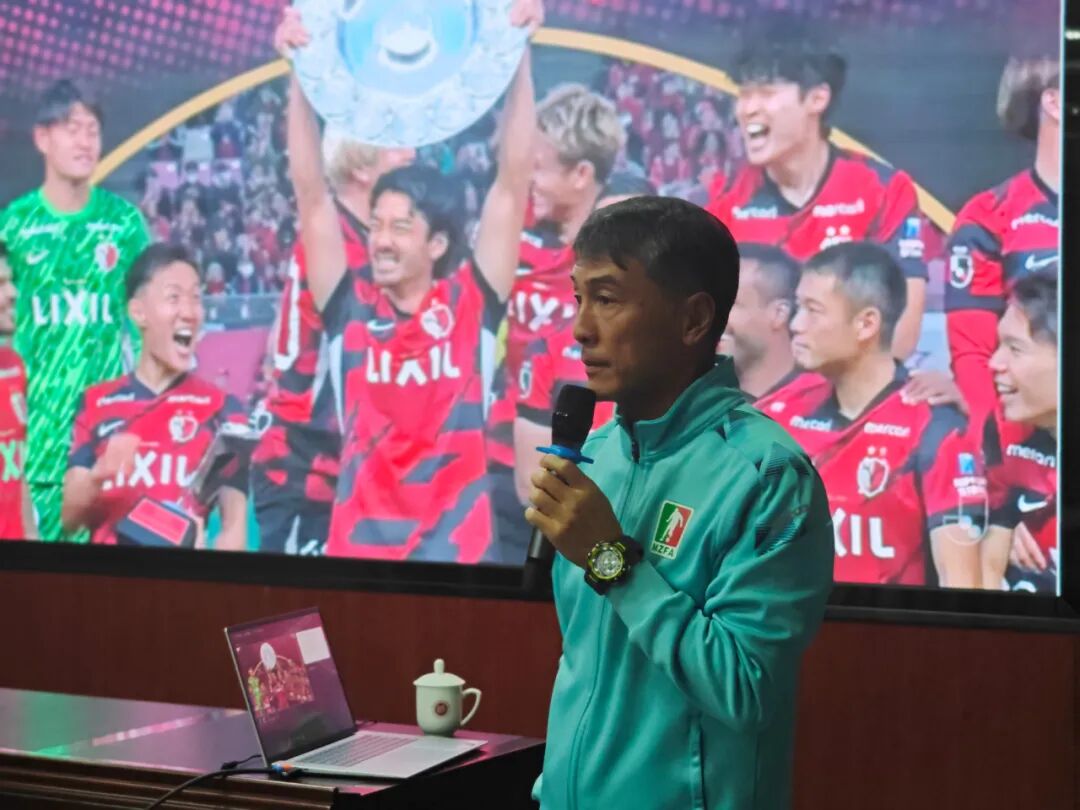
▲ Inoue Kazunori
Although there has been some progress locally in addressing the shortage of high-level coaches in the West, the core issues of “not finding, unwilling to come, or unable to retain” remain. To tackle this, the event organizers arranged for three experienced foreign coaches from Bijie, Yanbian, and Meizhou to provide specialized training sessions during evening breaks on “build-up play from the back,” “overall attack and defense,” and “youth player selection” for all team coaches.
In the interactive class, Meizhou Football Association’s Japanese youth training director Inoue Kazunori shared his own failed experiences, advising Chinese peers to avoid biases in player selection — since players’ family, region, and life backgrounds often unconsciously shape coaches’ prejudices. For example, favoring left-footed players due to personal preference; assuming kids from wealthy families lack mental toughness; or judging that players from certain places or countries must be good based on stereotypes.
After days of matches, Inoue observed the overall status of the eight western pilot regions closely. He encouraged his Chinese colleagues: “Although the West’s youth training level may currently lag behind that of eastern and central big cities, we must have confidence and dreams. Perhaps the next Chinese superstar is right here.”


Wonderfulshortvideo
The footwork, the finish 🤌


Did you get it? 🤔😅
The Wirtz x Sané link-up 🔗
Haaland’s movement 🥵
Which counterattack is
“afcon funny moments”
🤤🤤
 Links
Links
 Contact
Address:UNIT 1804 SOUTH BANK TOWER, 55 UPPER GROUND,LONDON ENGLAND SE1 9E
Number:+85259695367
E-mali:[email protected]
 App
App


