



Li Ming Ends Nine-Year Tenure as General Manager — The Guardian of Survival in Guoan's Harsh Winter


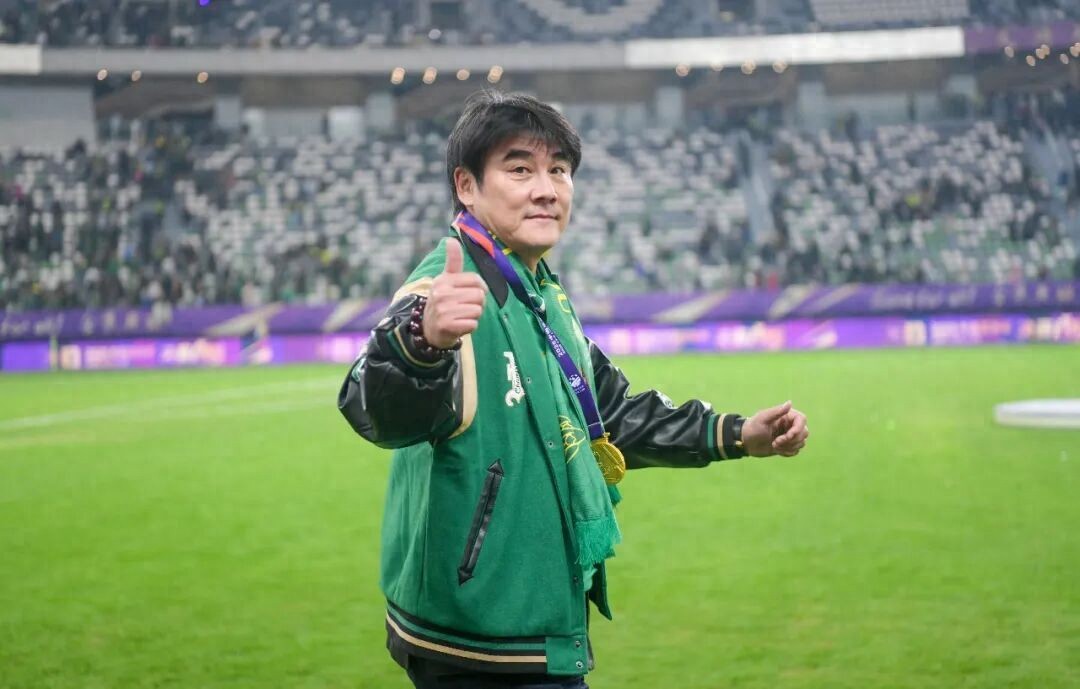
Special Contributor / Song Ci On December 11, Beijing Guoan played their last match of the 2025 season. Following this game, many had their final curtain call at the Workers' Stadium. Apart from the players leaving Guoan, one farewell stood out more, with the individual’s feelings more complicated than anyone else’s. This individual was Li Ming, the General Manager of Beijing Guoan Football Club.
As it was the season’s final game, the team gathered once more, inevitably facing changes. Players, coaches, and staff all exchanged their goodbyes. Unexpectedly, it was General Manager Li Ming who gave the closing farewell speech.
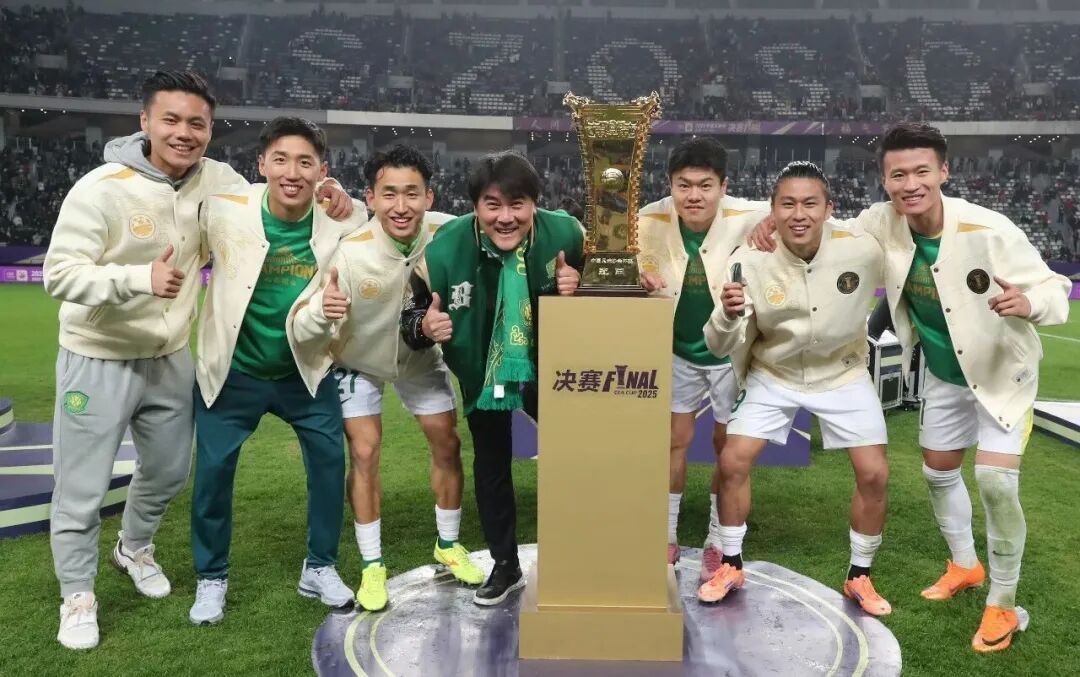
Li Ming’s farewell was mainly one of gratitude. He thanked everyone again for their hard work in winning this year’s FA Cup, a championship very important to the club and a new starting point for Guoan’s work next year. Every year-end is a time of parting; he knew some players would leave and not return next season. This time, those preparing to depart included himself. Having worked at Guoan for nine years, he expressed thanks for everyone’s support, especially appreciating Chairman Zhou’s (Zhou Jinhui) trust and understanding, and thanked every individual...
Thus, after nearly nine years as General Manager, Li Ming officially announced his imminent departure internally. Afterwards, he exchanged hugs and farewells with everyone. As the event ended and people dispersed, Li Ming’s career as Guoan’s General Manager came to a close.
Looking back over Li Ming’s nearly nine years at Guoan, although fans have expressed dissatisfaction at times, his contributions are clear. He brought in many outstanding domestic players in their prime and led Guoan to two FA Cup titles and set the club’s highest-ever Chinese Super League points record. Most importantly, during Guoan’s most critical crisis, he acted as a guardian of survival, helping Chairman Zhou Jinhui maintain "steadfastness and pioneering." Li Ming’s work is considered more merit than fault and deserves a place in Guoan’s historical honors.
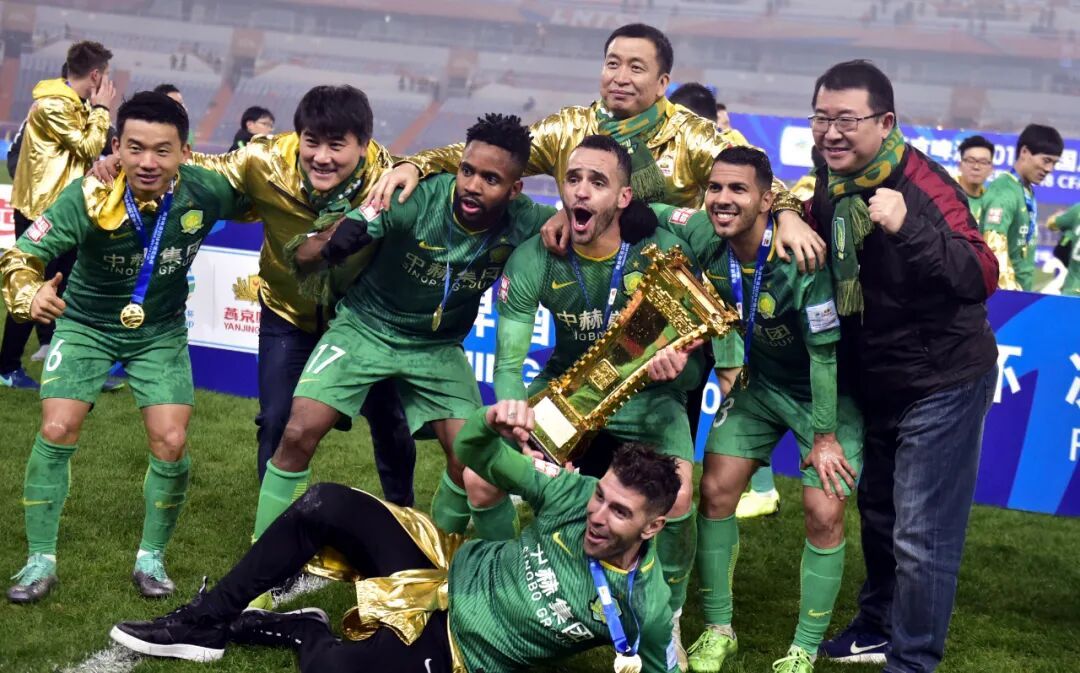

Since officially taking office in March 2017, Li Ming served as Guoan’s General Manager for nearly nine years. He holds the record as the longest-serving General Manager in Guoan’s history and ranks among the longest-tenured professional managers in the Chinese Super League.
After Li Ming became General Manager, Guoan won the FA Cup twice. In the 2018 FA Cup final, they defeated Shandong Taishan over two legs on away goals, marking Guoan’s first national title since winning the Chinese Super League in 2009. This was not only Li Ming’s first championship but also the first major honor after Zhonghe Group took over Guoan, carrying significant meaning for both Zhonghe Group and the city of Beijing.
Following that, Guoan finished as runners-up in the 2019 Chinese Super League with 70 points, setting a club record and falling just two points short of the league giants Guangzhou Evergrande. Throughout the 2019 season, Guoan led the points table for much of the time, won the mid-season championship, and achieved a 10-game winning streak, demonstrating strong competitiveness.
In the AFC Champions League, Guoan performed excellently in 2020, achieving five wins and one draw in the group stage. They defeated Tokyo FC 1-0 in the round of 16, reaching the quarterfinals for the first time in history. This remains Guoan’s best performance in the AFC Champions League, showcasing their regional strength.
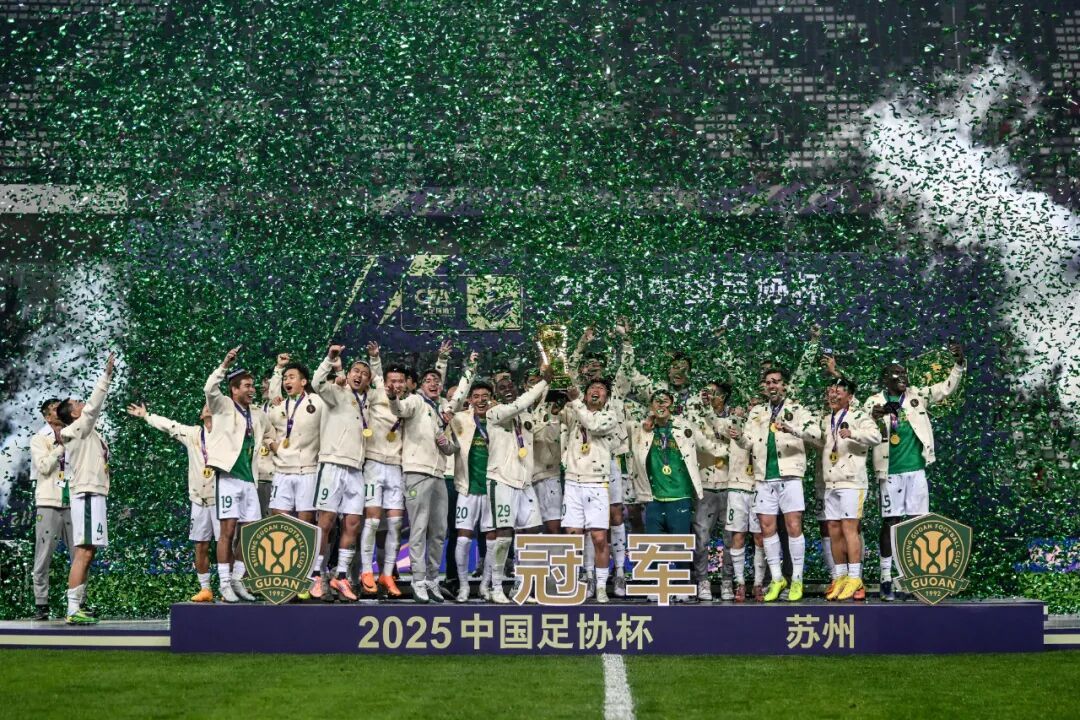
In the 2025 season, Guoan once went unbeaten for 16 consecutive matches in the Chinese Super League, winning the mid-season championship. They also reached the FA Cup final for the first time in seven years, defeating Henan 3-0 in the final to lift the FA Cup for the fifth time in history, further solidifying Guoan’s traditional competitiveness in the tournament. These are key honors during Li Ming’s tenure.

During Li Ming’s time, Beijing Guoan signed almost all the top talents born in 1997, which relates closely to Li Ming’s previous role as China’s youth team coach and the strong bonds he formed with those players in their youth. With personal trust in Li Ming and his industry connections, Guoan signed multiple national team-level players such as Zhang Yuning, Yang Liyu, Lin Liangming, Zhang Yuan, Feng Boxuan, and Cao Yongjing at reasonable transfer fees and salaries.
These players helped Guoan smoothly complete the transition between generations, rebuilt the core lineup, strengthened the foundation of domestic strength, and brought multiple national team players to the squad. This enhanced team culture and cohesion, becoming a key factor for Guoan to maintain competitiveness during times of financial restraint. Guoan’s 2025 FA Cup victory and fourth-place league finish owe much to their outstanding performances.
Additionally, the arrivals of players born in 1998, 1999, and 2000 such as Bai Yang, He Yupeng, Fang Hao, Han Jiaqi, Wu Shaocong, and Zhang Jianzhi prevented an age gap in the squad. Although Zhang Yuan chose to leave after this season, the retention of Zhang Yuning, Lin Liangming, Cao Yongjing, Han Jiaqi, and Wu Shaocong helps maintain the team’s fighting strength. More importantly, these players have gradually become team cores, reducing tactical reliance on expensive foreign players.
It can be said that the 1997 generation brought in by Li Ming is his signature recruitment achievement and a successful milestone in the club’s transfer history. More crucially, these players enabled Guoan to achieve a triple balance of “competition + economy + talent” during difficult times, ultimately confirmed by the 2025 FA Cup championship as a testament to his strategic value.

During Li Ming’s tenure, Guoan faced the most difficult and critical period in its 33-year history. This crisis was not merely about poor results or weakened strength but a genuine survival threat.
During the CITIC era, Guoan never blindly spent money or made market-irrational moves and never encountered survival difficulties. However, in recent years, although Guoan narrowly passed league entry requirements each time, repeated FIFA bans on player registrations have exposed the club’s wage arrears problem to the public.
After 2020, with the collapse of the big-spending football era in the Chinese Super League and Zhonghe Group struggling in the real estate downturn, Li Ming, at Guoan’s most critical moment, used his football industry resources, perseverance, and resilience to help Chairman Zhou Jinhui maintain “steadfastness and survival.”
Speaking of steadfastness, as the oldest club in the Chinese Super League, neither Li Ming nor Zhou Jinhui would allow Guoan to withdraw from football or suffer fates like Evergrande, R&F, Huaxia, or Suning. This “steadfastness” meant first ensuring Guoan’s survival because Beijing must have a top-tier football team.
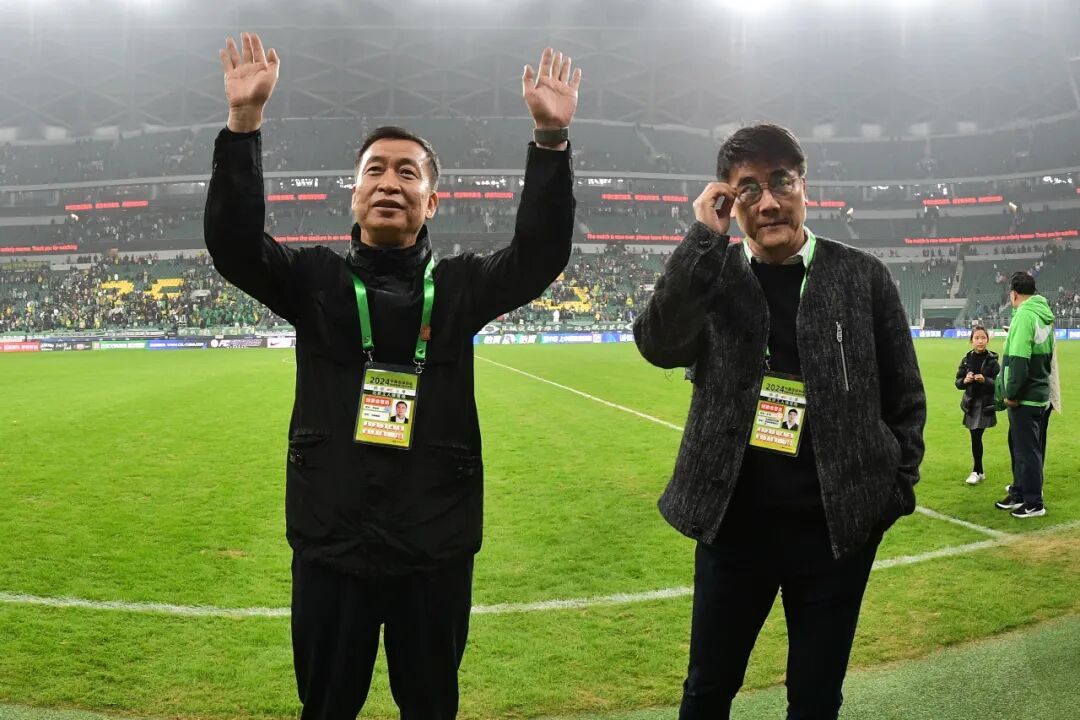
In extremely tough times, Li Ming assisted Zhou Jinhui in securing loans totaling 210 million RMB to get through the hardest phase after the end of the big-spending football era. He also used his resources to resolve wage arrears with foreign players and coaches, facilitating settlements. Even amid 2025 rumors of wage arrears leading to dissolution, he helped the group stabilize the team’s morale by issuing back pay before the FA Cup and offering championship bonuses, ultimately aiding the team to win the FA Cup again after seven years.
Regarding survival, when the club faced existential threats, the General Manager’s role became immensely challenging. Li Ming reduced foreign player spending and shifted resources toward domestic players, successfully recruiting many outstanding local talents despite limited funds. This ensured the team’s competitiveness and laid the groundwork for future championship contention, demonstrating excellent resource management.
Another important point is that during long-term wage arrears, Li Ming adopted a humane management approach toward employees, ensuring the club’s daily operations remained orderly and stable. At Guoan, from middle management to grassroots staff, including drivers and cleaners, many highly appreciate Li Ming’s character and conduct. One staff member said: “During the club’s difficulties, Li’s emotional support was perfect — something very rare in a company with wage arrears.”
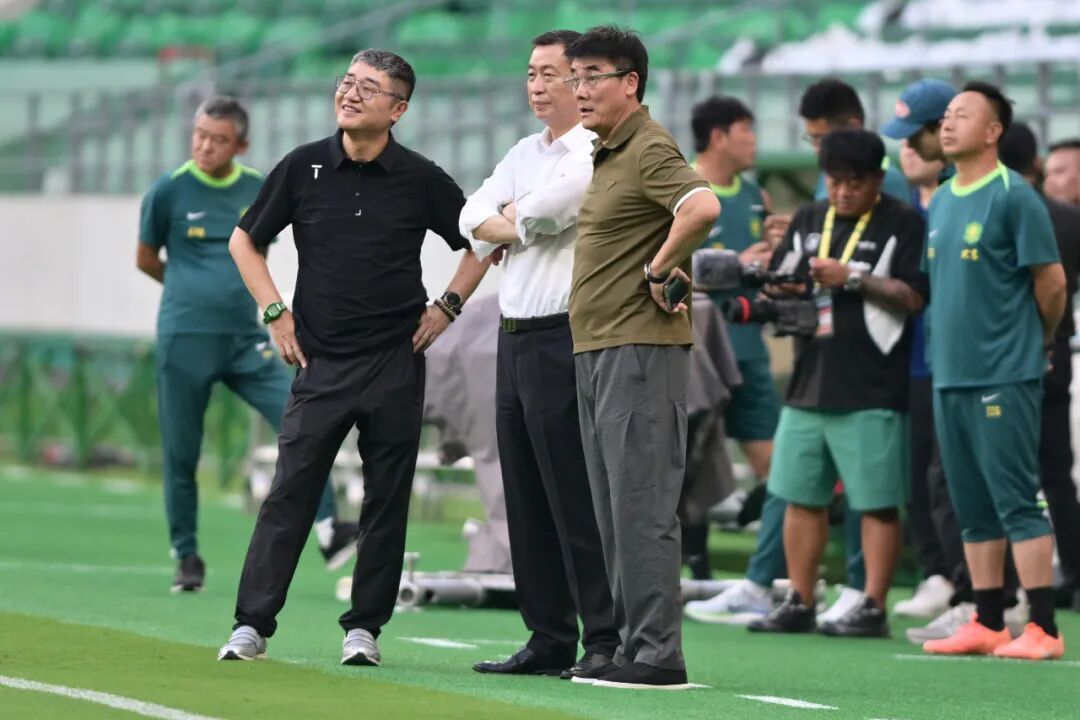

Many Guoan fans once instinctively rejected Li Ming, but as more operational difficulties surfaced, understanding grew. Especially after news of Li Ming’s “resignation” spread recently, comments like “Li has had a tough time,” “The successor might not be better,” and “Li’s merits outweigh his faults” have become mainstream.
One fact must be acknowledged: from day one, Li Ming faced significant controversy mainly because he is not a native Beijinger. For Guoan fans, the club embodies the city’s emotional identity. A General Manager born and raised in Beijing, preferably a local player, carries an authentic connection to Beijing football culture and traditions, bridging psychological gaps with fans and lowering initial trust barriers. Conversely, outsiders like Li Ming naturally face skepticism, especially when results fluctuate or management issues arise, leading to strong criticism or outright rejection.
No professional club manager, regardless of tenure length, can avoid mistakes or oversights, especially when “executing owner’s intentions” conflicts sharply with “meeting fan expectations.” Finding the best balance is very difficult. Investors usually set strategic directions, so the General Manager must strictly oversee professional operations in crucial areas like player transfers and coaching appointments.
In these nine years, Guoan changed nearly ten head coaches. The club also signed foreign players like Dabro and Silva, whose performances were widely criticized, and “Sai Paoli” became a joke among fans. These issues sparked dissatisfaction with Li Ming. However, overall, transfer errors and coaching controversies affected reputation but did not undermine the club’s foundation.
Throughout nine years of turmoil, Li Ming remained steadfast, safeguarding the team’s core during hardships. Guoan transformed from a cash-fueled club reliant on its parent company to a sustainably developing club moving toward financial self-sufficiency. Despite flaws and mistakes, as the guardian of survival in a harsh winter, Li Ming’s results are satisfactory, and history should judge him as more meritorious than blameworthy. The 2025 FA Cup victory may be the most fitting summary of his tenure: not a “peak masterpiece,” but a “breakthrough in adversity.”



 Links
Links
 Contact
Address:UNIT 1804 SOUTH BANK TOWER, 55 UPPER GROUND,LONDON ENGLAND SE1 9E
Number:+85259695367
E-mali:[email protected]
 App
App


