



Henan Team 2025: Writing a Legend of Rebirth Through Sweat and Courage



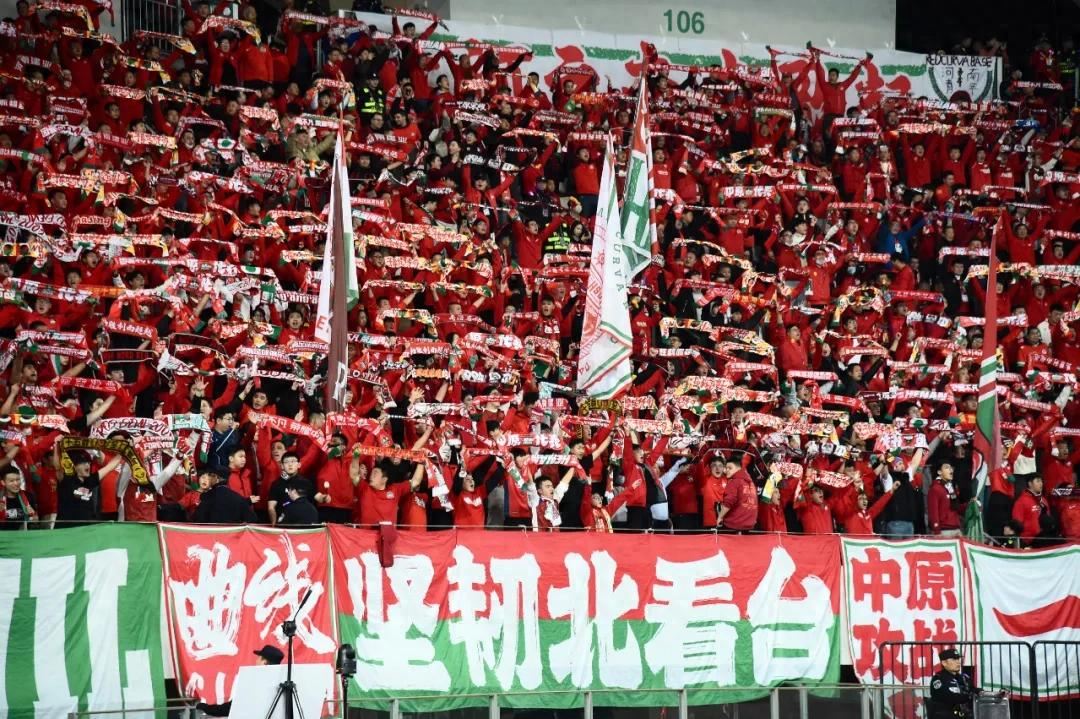
Reported by journalist Luming From struggling near the bottom of the league at the start of the season to making it to the FA Cup final and setting the club’s best record in top competitions, Henan Team climbed steadily, a comeback story marked by the dedication of the club’s management, coaches, and players.
Although the FA Cup title slipped away, this season Henan Team has already forged a unique reform path. The cheers echoing in stadiums and the unwavering perseverance in adversity have become the driving force for football in Central China. In the new season, this reborn Central Plains army will carry the hopes of Henan fans and continue to write new legends on the pitch.

In the 2025 FA Cup final, Henan Team lost to Guoan, narrowly missing the championship. But as fans say, “An imperfect result doesn’t mean we are not excellent,” and “We didn’t lose to the first-place team to get second; we beat many teams to earn second.” These words go beyond consolation after defeat; they reflect the empathy of fans who have stood by Henan through lows over two years and witnessed their comeback and transformation.
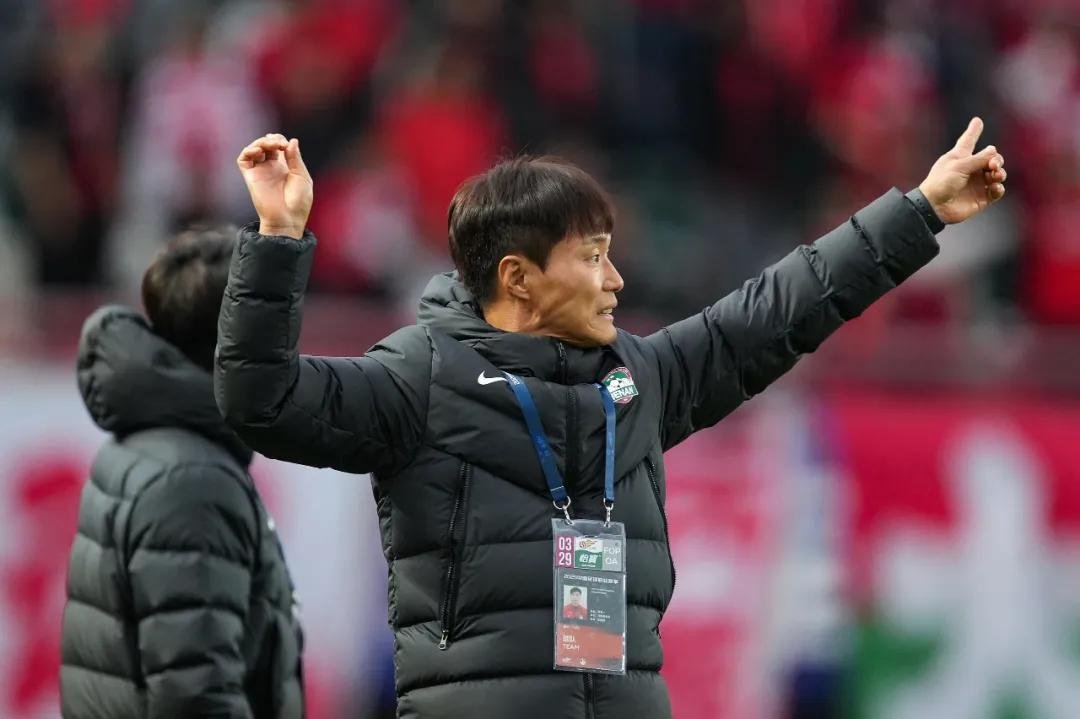
Considering their early season league form, no one expected Henan Team to reach the FA Cup final. Among this year’s stats, Henan tops two categories — nine times scoring first but failing to win, and conceding 12 goals after the 80th minute. The team’s inability to maintain leads and defensive instability late in matches are two obvious issues.
These striking stats mainly occurred early in the season, a key reason Henan felt relegation pressure deeply. Starting with a 1-3 home loss reversed by Shanghai Shenhua, followed by a 2-3 comeback defeat to West Coast, then losses to Wuhan Three Towns and Tianjin Jinmen Tiger, Henan’s defense seemed cursed, with results stuck at a low level. Ramos’ first match in charge was a loss to Tianjin; he said, “Being overturned is common, but scoring three goals and still losing is rare.”
At that time, both newcomer Ramos and newly appointed Sporting Director Bella felt the heavy burden. As Henan’s first-ever sporting director, Bella first changed the club’s training philosophy, negotiated termination with Nan Ji Yi, and identified the problem of the club revolving around the head coach’s demands, where team building and adjustments were coach-dominated. “In modern football management, I believe coaches, players, and technical staff are equally important, but players are the core — they directly fight for wins and points on the field. Our focus is to build good communication and cooperation with players, respect and listen to them, meet reasonable demands, and help them build confidence and a team-first mindset,” Bella stated.

Whether the management team or the first team, a great deal of effort was invested. Through psychological training, deep communication, and comprehensive support on and off the pitch, player cohesion and fighting spirit were enhanced. After the shift in philosophy, the team delivered impressive performances.
From the away match against Changchun, the team switched into point-grabbing mode, winning 1-0 to break a 19-year away winless streak against that opponent. Then they drew with Zhejiang and defeated strong China League One side Chongqing Tongliang Long in the FA Cup. In June, the team made qualitative progress in overall tactics and scoring. Competing on two fronts, they beat Chengdu Rongcheng, knocked Zhejiang out of the FA Cup, and fought back from two goals down at home to draw with Shandong in the league.
The team turned set pieces into highly effective scoring weapons, becoming a key pillar for their comeback. They earned 12 penalties (top in the Chinese Super League), scoring 10 (also first), with high efficiency and frequency. This shows their strong ability to create threats and chances in the box, breaking deadlocks via penalties. Corner kicks were also effective, with 12 goals from corners ranking second in the league, enriching scoring methods and allowing the team to overturn or equalize when open play was difficult.
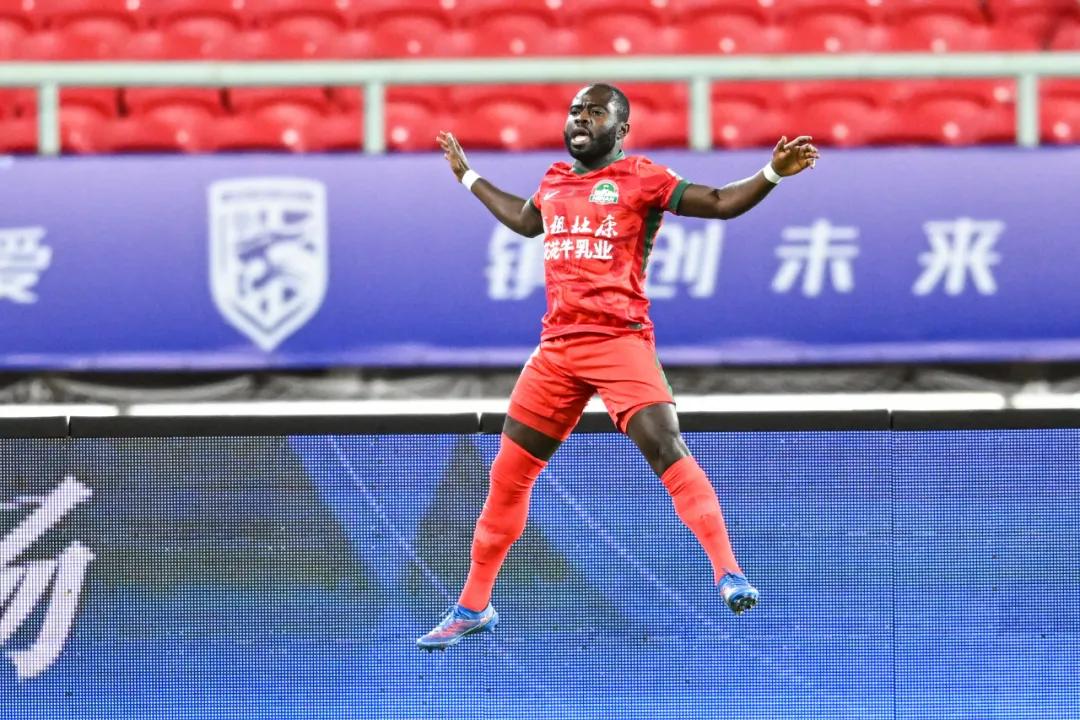
Achimpon won 7 penalties for the team; Nasario led the league with 93 key passes and ranked second with 21 chances created; players like Cardoso and Zhong Yihao also “awoke” from early-season confusion to become indispensable team members.
Fully revived, Henan Team fought their way out of early relegation struggles, securing safety early in the league and delivering classic moments in the FA Cup — back-to-back fierce battles with Shenhua, exhausting all resources to qualify for the FA Cup knockout; beating Chengdu Rongcheng three times on two fronts to reach the FA Cup final, setting a historic high in the club’s 31-year history.
All loyal followers witnessed firsthand how this team gritted their teeth in desperate times, using sweat and courage to write a football legend of rebirth and tempering through fire.
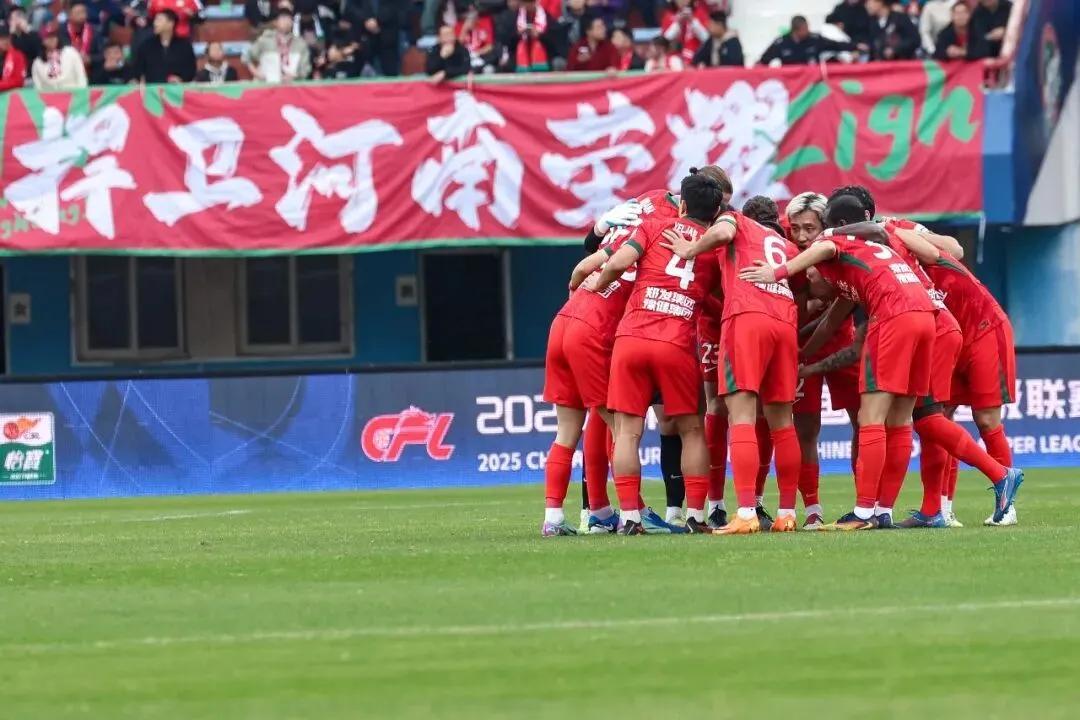

Before departing for Suzhou to compete in the FA Cup final, the club announced contract renewals for head coach Ramos and Sporting Director Bella, undoubtedly a recognition of their work.
In April, when Bella joined Henan Club, the team was in a difficult situation both internally and externally. At that time, the club operated under a head coach full authority system, where the coach had absolute control over team management and roster building. This highly centralized model planted hidden risks for the team’s development.
Facing entrenched problems, the management and Bella did not rush but adhered to respecting football and club operation principles, initiating deep reforms. The first step was to confront the core management issue. The operations team, together with technical director Hao Qi and first team leader Zhang Bo, formed a special assessment group. After a comprehensive, objective evaluation, they made the tough decision to replace the Korean coaching staff.

After reporting to the club’s management, the team quickly finalized a new coaching staff led by Ramos. This decision precisely matched the team’s situation and was strictly within reasonable financial limits, laying a solid foundation for reform. According to Bella, as long as the direction is right and execution strong, the team’s performance rebound is inevitable.
The management reform was not smooth initially. Early days under the new coaching team involved inevitable adjustment pains. Bella used this as an opportunity to simultaneously upgrade club operations — from medical care to fitness training, travel arrangements to logistics — all first-team support was re-planned and implemented in detail, bringing the team’s daily operations into a more standardized and institutionalized track.
Henan introduced the sporting director system for the first time in 31 years, creating a unique dynamic under its state-owned enterprise background. First, it completely discarded the previous head coach autocratic model. Under the new system, the head coach must deeply communicate and collaborate with club management and technical staff, balancing short-term results with long-term development. This concept’s implementation was key to the team’s successful transformation.
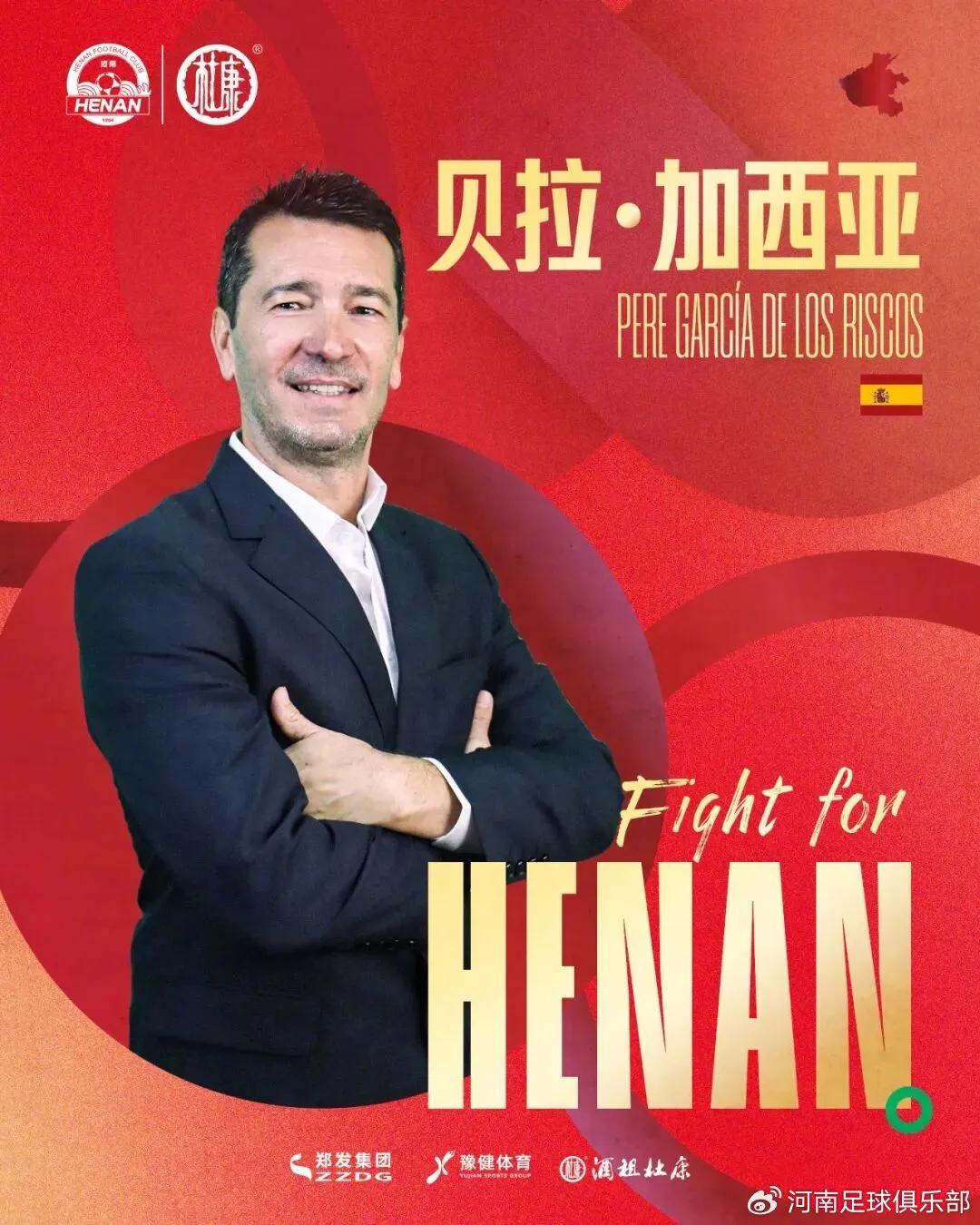
As a club with a state-owned enterprise background, Henan’s reform path demonstrates distinctive courage and responsibility. Compared to private clubs with shorter decision chains and faster responses, state-owned clubs have rigorous processes and longer decision cycles, requiring thorough planning and evaluation for any reform. Bella, experienced in Chinese professional football, understands this difference well and, while adapting to the state-owned work style, focused reform efforts on team building.
Bella and his team worked on reshaping the team’s values through deep communication with coaches and players to rebuild team spirit. They also boldly optimized daily management systems and improved reward and punishment mechanisms. When problems arise, management, coaches, and players no longer work in isolation but sit together to discuss and solve issues collaboratively. This top-down cohesion became the team’s confidence in overcoming difficulties.
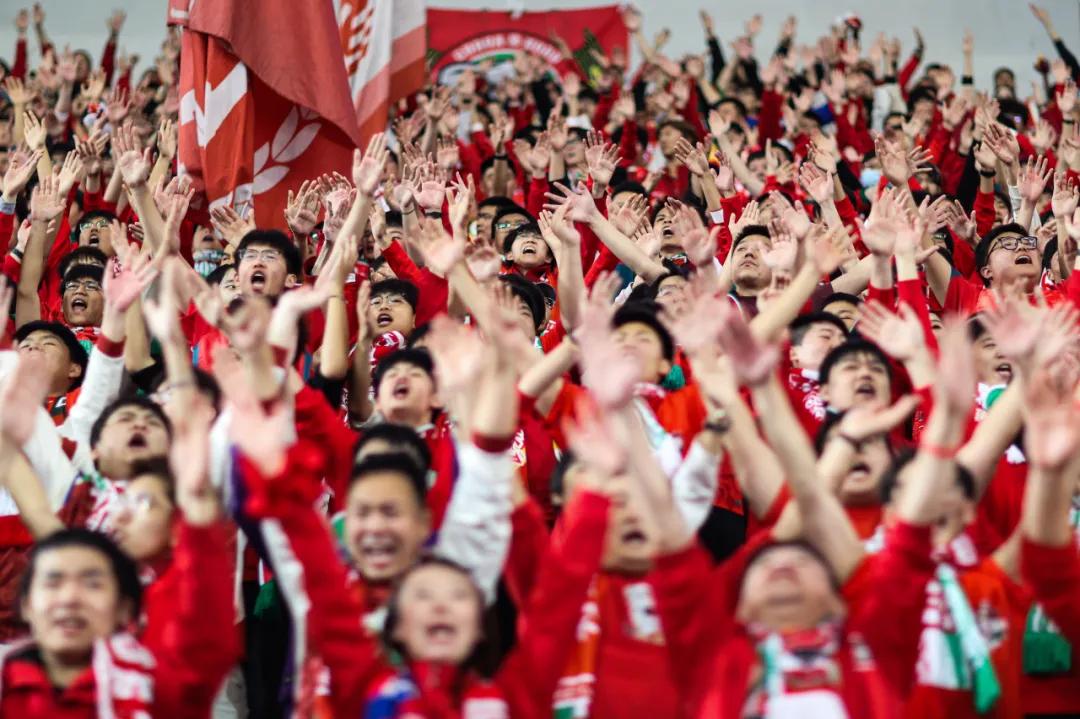
The effects of these reforms were most directly reflected on the field. Although they ultimately did not lift the FA Cup trophy, this cup run showcased Henan football’s deep foundation and fighting spirit. At the Suzhou venue, the passionate support from Henan fans electrified the stadium, and the team’s excellent performance gained wide attention from government officials to ordinary supporters. This made all club staff and players deeply realize that the jersey they wear represents not just a team but the entire image and hopes of Henan football.



 Links
Links
 Contact
Address:UNIT 1804 SOUTH BANK TOWER, 55 UPPER GROUND,LONDON ENGLAND SE1 9E
Number:+85259695367
E-mali:[email protected]
 App
App


