



From coaching changes to player signings, Zhejiang team is getting a head start on 2026



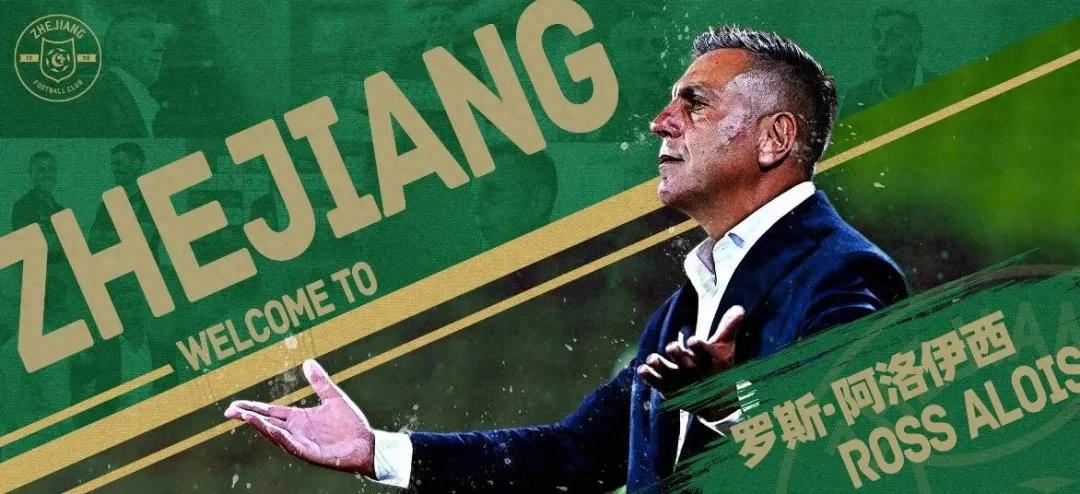
Special Contributor / Xu Yi Ross Aloisi, currently in Australia, spent a joyful holiday with his family, yet he is aware that demanding work lies ahead once the relaxation ends.
Early next month, Aloisi will return to China to lead Zhejiang team’s preparation for winter training. During January and February’s combined domestic and overseas training sessions, he will focus on building the team’s fitness, instilling his coaching philosophy, and completing pre-season team cohesion.
After officially announcing the new head coach this week, Zhejiang FC has also accelerated their player recruitment. Whether it’s confirming the coach or deciding on player transfers, Zhejiang FC is proactively seeking change this time.


Having had two consecutive head coaches from Spain, plus Sergi who coached Zhejiang for one and a half seasons starting in 2018, the team’s playing style has clearly reflected the Spanish football trait of skillful ground passing.
The “Spanish style” offers attractive attacking play and goal-scoring ability, but Zhejiang’s defense has shown obvious weaknesses over the past two seasons. Last season, Zhejiang scored 60 goals but conceded 51. In the 2024 season, the team allowed 60 goals, which is five more than their scored goals, making Zhejiang the second most conceding team among the 16 Chinese Super League clubs. Jordi’s serious flaw of “strong attack but weak defense” has drawn external criticism and was a key reason for Zhejiang ultimately parting ways with him.

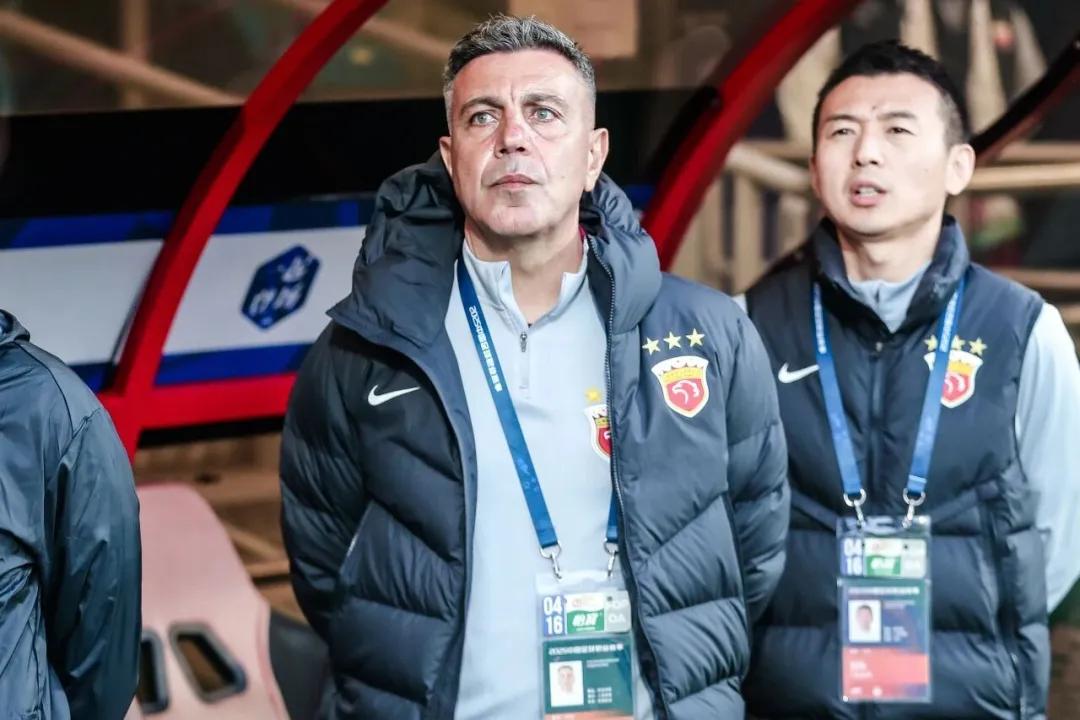
Last season, Caneda’s team also suffered from “strong attack but weak defense.” Besides tactical ideas and some controversial substitutions, his limited knowledge of the Chinese Super League affected tactical arrangements in some matches. To address these issues, Zhejiang FC chose Aloisi, who has been an assistant coach at Shanghai Port for two years and is valued for his understanding of the CSL. Although Aloisi was Muscat’s assistant, he was responsible for the group’s offensive and defensive training at Shanghai Port. Moreover, before joining Shanghai Port’s coaching staff, he was the head coach of Brisbane Roar in the A-League, fully capable of leading a team as head coach in the CSL.
Zhejiang FC’s desire for change in the head coach position also aligns with the team’s youth development strategy. Players like Wang Yudong rarely get as many appearances at other CSL clubs from the start of the last season. Furthermore, Zhejiang’s main squad last season frequently included several U22 players from the national team. Aloisi has a strong track record of nurturing young talent in his previous coaching roles and has expressed a youth training philosophy that aligns well with Zhejiang FC’s vision. This continuity in prioritizing young players is clearly beneficial for the development of Chinese football. Zhejiang FC’s expectations of Aloisi focus on remedying the “strong attack but weak defense” issue and continuing to emphasize youth development.

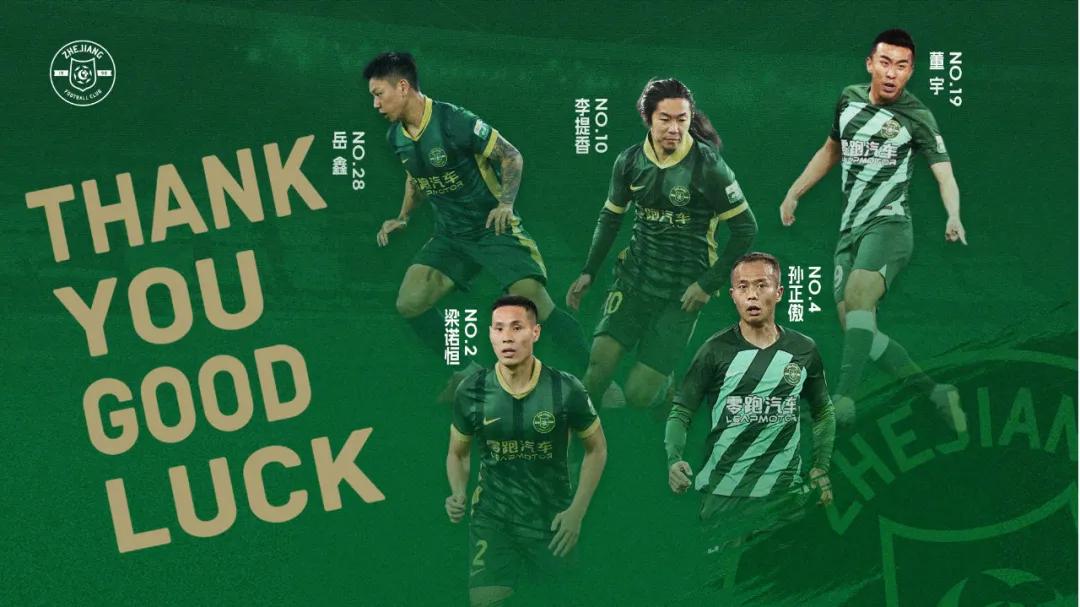
In recent days, Zhejiang FC has only announced the new head coach in terms of “additions,” while five players have been announced to leave the club all at once. Among these five, two are products of Zhejiang FC’s youth system, and four have made significant contributions to the team’s return to the CSL. Li Tixiang, who joined Zhejiang FC last, appeared 103 times, while Yue Xin served the club for 10 years with 223 appearances. Along with captain Frank, who held a farewell ceremony after the last league match, Zhejiang fans will not see these popular players on the team next year.
Regarding player departures, Zhejiang FC continues to “actively seek change.” Since the youth strategy is set, some veterans must leave to promote the team’s renewal.
Fortunately, the players understand the club’s intentions well and expressed their reluctance in farewell messages on social media when leaving. Hong Kong player Leung Nok Hang told reporters, “Our group of players returned to the CSL with the team and played in the AFC Champions League. Now Zhejiang has many young players, and some domestic and foreign signings will join in the future. I hope the team can achieve honors we never did. I look forward to the day Zhejiang wins the CSL championship, and I will be waiting for that day.”
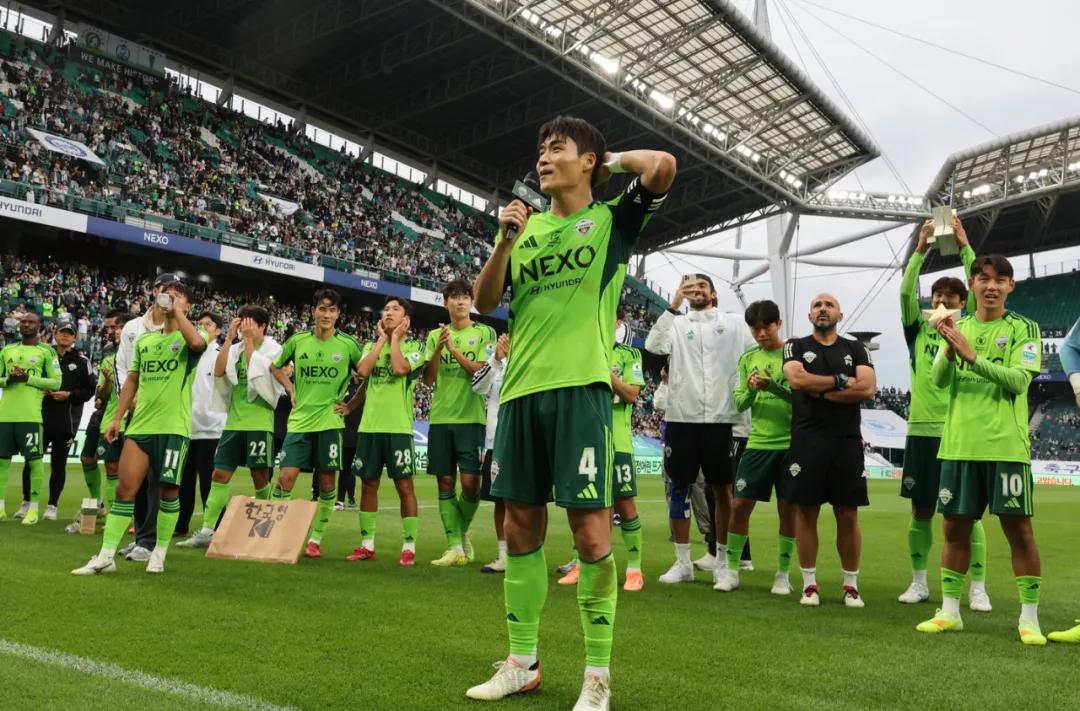
Among Zhejiang’s existing foreign players, besides Mitriță, Lucas, who still has one year left on his contract, is close to staying. Regarding other foreign player options, Zhejiang FC is also trying to make changes. According to Korean media, Jeonbuk Hyundai’s captain Park Jin-sub is expected to join Zhejiang FC. Park recently led Jeonbuk Hyundai to win both the K League 1 and Korean FA Cup last season, so Korean media were surprised by the possibility of him moving to the CSL. Reports say two CSL clubs are interested in Park, with Zhejiang being the most likely to sign him.
As a versatile defensive player, Park Jin-sub is a crucial part of South Korea coach Hong Myung-bo’s tactical system. Park is likely to participate in the upcoming World Cup in the US, Canada, and Mexico as a South Korean international. Jeonbuk Hyundai’s defense, led by Park, conceded the fewest goals in last season’s K League 1. If Park joins Zhejiang, he will undoubtedly strengthen the team’s defensive capabilities in midfield and defense.
Additionally, Romanian media report that a CSL club has made an offer to Romanian Liga I side Universitatea Craiova for striker Steven Ensimba Rabe. Universitatea Craiova is the parent club of Zhejiang’s foreign player Mitriță, and Ensimba is close to joining Zhejiang FC.
Born in 1996, French striker Ensimba joined Universitatea Craiova in July this year, shortly after Mitriță left the club to join Zhejiang FC. After 21 rounds this season in the Romanian Liga I, Universitatea Craiova leads the table with 40 points. Ensimba and Bayam have both scored 6 goals, making them the team’s top scorers this season. However, a Saudi league club has also made an offer for Ensimba, meaning Zhejiang FC faces competition from Saudi teams.



Wonderfulshortvideo
User ceshi has posted a video.


 Links
Links
 Contact
Address:UNIT 1804 SOUTH BANK TOWER, 55 UPPER GROUND,LONDON ENGLAND SE1 9E
Number:+85259695367
E-mali:[email protected]
 App
App


