



U23 Asian Cup clash between China and Australia: a do-or-die battle, with words taking center stage



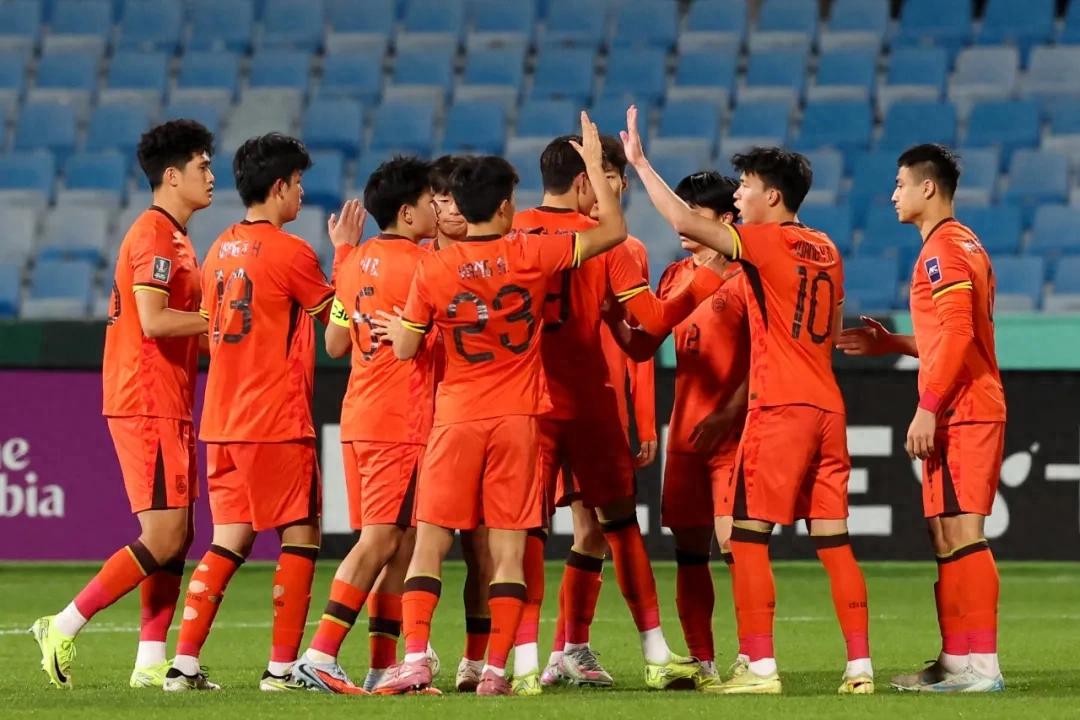
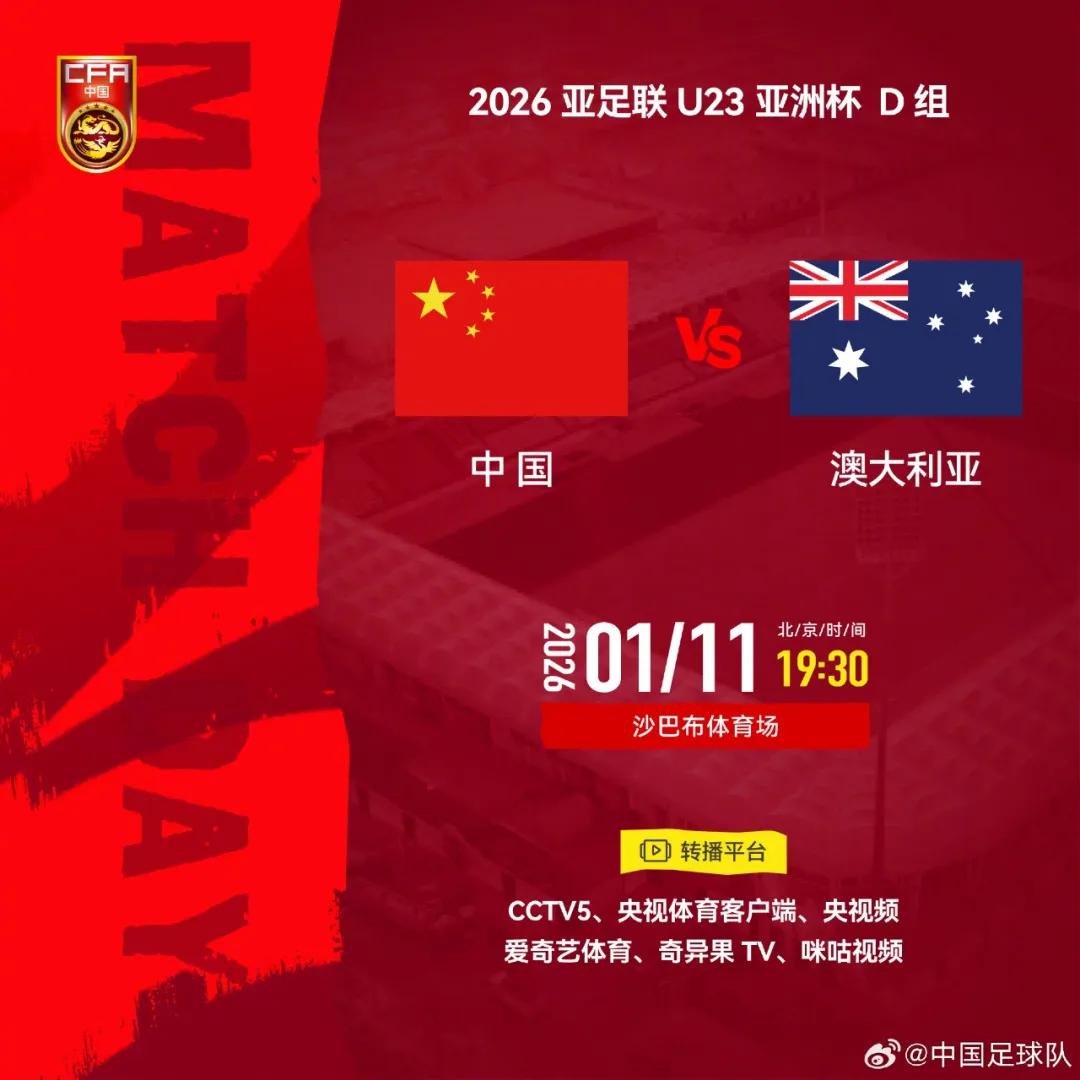
Written by Lu Mi and Han Bing At 19:30 on January 11, the second round of Group D in the 2026 U23 Asian Cup will witness a critical encounter between China’s U23 national team and Australia’s U23 men’s team. Following a goalless draw with Iraq in the first round, China’s U23 side faces the twin tests of defensive injuries and the pressure to qualify. The result of this match will directly influence the team’s destiny within the group.

After the first round, the overall recovery of China’s U23 men’s team has been steady. On January 9 local time, the team conducted a recovery training session where key starters from the first match focused on light jogging and avoided intense physical contact. Substitutes and those who played less received targeted exercises to build stamina for the next game. Head coach Antonio is likely to continue with the solid 5-3-2 formation used last year, which demonstrated strong defensive resilience against Iraq. However, the team’s recovery has been affected by injuries, with the defensive line being the most worrisome area.
Injuries in the defensive line pose the biggest uncertainty for China’s U23 men’s team in this match. Within the first 10 minutes of the opening round, fullback Bao Shimeng left the field due to injury, and his recovery looks uncertain, possibly ruling him out against Australia. Additionally, center-back Liu Haofan remains troubled by injury with unclear prospects for playing; another center-back, Zhang Aihui, has resumed team training but has been out of action for some time, so his form is yet to be tested; defender Peng Xiao is playing while injured, which may limit his stamina and physical competitiveness.
The severity of the group qualification situation has made this matchup a true “do-or-die” contest. After the first round, the points table in Group D stands at 3-1-1-0: Australia leads with 3 points, Iraq and China both have 1 point, with China third due to a yellow card disadvantage, and Thailand last with zero points. China’s U23 team needs to secure at least 4 points from the remaining two matches. A victory over Australia would put them firmly in control of qualification; a draw would mean they must win decisively against Thailand in the final match; a loss would drastically reduce their chances of advancing.
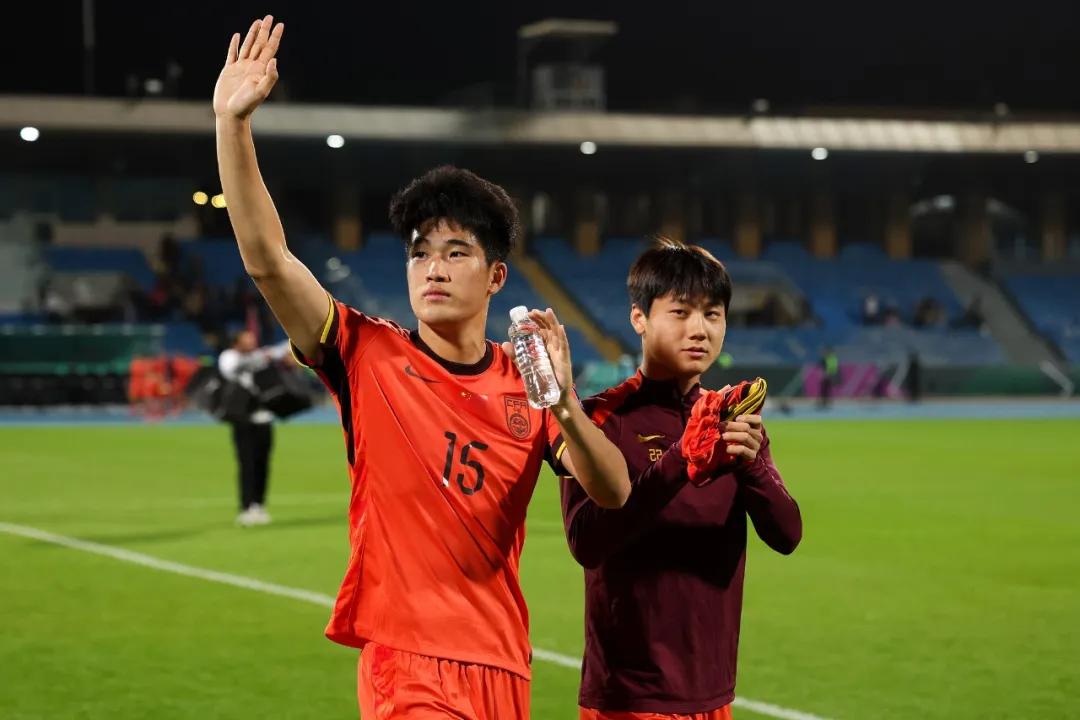
Facing Australia, goalkeeper Li Hao, who performed excellently and saved the team multiple times in the first match, said: “We will definitely give our all. They are tough and tactically clear, making them a very difficult opponent. Whoever we face, we will fight with everything we have.” The captain Xu Bin’s pre-first match rallying cry, “Let’s start strong for Chinese football,” still resonates, and it’s expected that the next match will be another fierce battle.
Hu Hetao also spoke to the media before this game, stating that the team reviewed the first match but now needs to shift mindset to “secure this point and prepare for the next game.” He noted that although the opponents are tall and physically strong, China’s team has its own characteristics and will leverage them to strive for victory.
Although Australia did not call up all their key players, eight overseas-based players are present, and their 4-3-3 formation’s aerial attacks and wing crosses pose a significant threat. However, China’s U23 team is not without chances — their qualifying match ended in a 0-0 draw against Australia, and their solid defensive system (conceding only 3 goals in the last 9 matches) is a source of confidence. China must focus on two points: using the five-defender system to limit Australia’s aerial advantage, and exploiting Wang Yudong’s speed for counterattacks and set pieces to find scoring opportunities. Most importantly, they need to improve their finishing in front of goal.
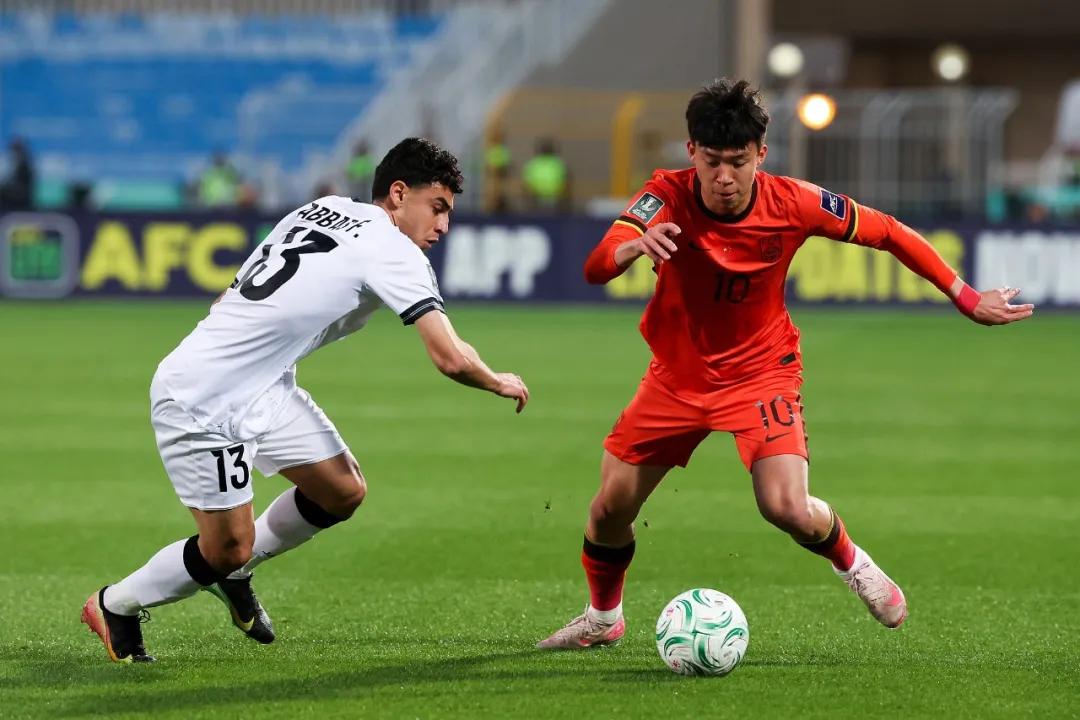

Australia’s U23 team narrowly defeated Thailand U23 2-1 in their first match, capitalizing on a red card to the opponent within 11 minutes. Despite playing with a numerical advantage for over 80 minutes, they did not dominate the game comprehensively. Missing key players like goalkeeper Pitch, midfielder Segočić, forwards Rick, Grimaldi, and Kuol, Australia’s U23 side has shown significant issues on both offense and defense.
Compared to last year’s qualifying match where Australia’s U23 drew 0-0 with China, only three players—fullback Bovalina, center-back Bauer, and captain Alagic—started again against Thailand. Left-back Simmons, left winger Dukuri, and forward Hammond were all substitutes who did not play. Seven of Australia’s starting eleven are regulars in the A-League, with right winger McAllister lacking A-League experience. Goalkeeper Hall and right-back Bovalina are overseas-based players.
Coach Vidmar substituted Bovalina at halftime, bringing on Ovili from Manchester United’s youth squad. In the second half, three more overseas players—Drew, Pior, and Agosti—entered the game. Although Vidmar expressed satisfaction with Australia’s performance, he also acknowledged Thailand’s vigor, tactical execution, and ability to create attacking threats even when down a player, praising their effort.
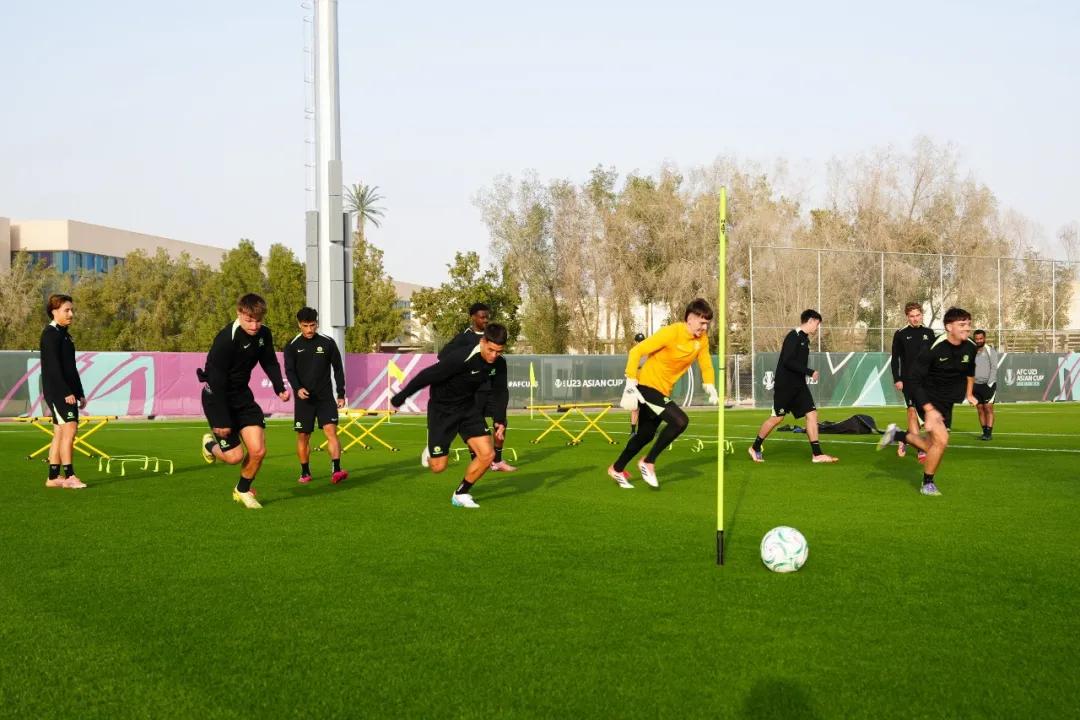
Vidmar emphasized that this Australian U23 team had limited preparation time, with most players assembling for the first time, yet they showed unprecedented unity, determination, and energy. He also pointed out that unnecessary mistakes nearly caused major problems during the match. Nevertheless, the team created good chances and hopes to maintain this form into the next match against China’s U23 team.
Australian online media outlet The Roar considers China’s U23 team the opponent Australia has the best chance of taking points from, with Iraq as a traditional powerhouse and Thailand showing potential. The first match proved Thailand’s strength is not weak, while China’s U23 team was held scoreless at home by Australia last year and is less threatening offensively than Iraq and Thailand. Considering the worst result Australia achieved two years ago in the U23 Asian Cup—exiting at the group stage without scoring—Vidmar’s team will aim to secure all three points against China to qualify early.
Australian media predict that against China’s U23 team, Vidmar will adjust the starting lineup. Underperforming right-back and winger positions from the first match may see changes, with more overseas-based players introduced to try to break the deadlock early and seize control.



Wonderfulshortvideo
Class personified.


yamal getting better raphinha goals today raphinha vs osasuna yamal barcelona highlights yamal pass today
Griezmann with the cool finish 🥶
“afcon funny moments”
🤤🤤
cherki assist today cherki man city highlights rayan cherki goal cherki skills cherki dribbles dribble
User SportScoop has posted a video.
 Links
Links
 Contact
Address:UNIT 1804 SOUTH BANK TOWER, 55 UPPER GROUND,LONDON ENGLAND SE1 9E
Number:+85259695367
E-mali:[email protected]
 App
App


