



Feel the gap, embrace the pressure! Teams in the China-Korea youth showdown say this kind of competition brings the greatest improvement.



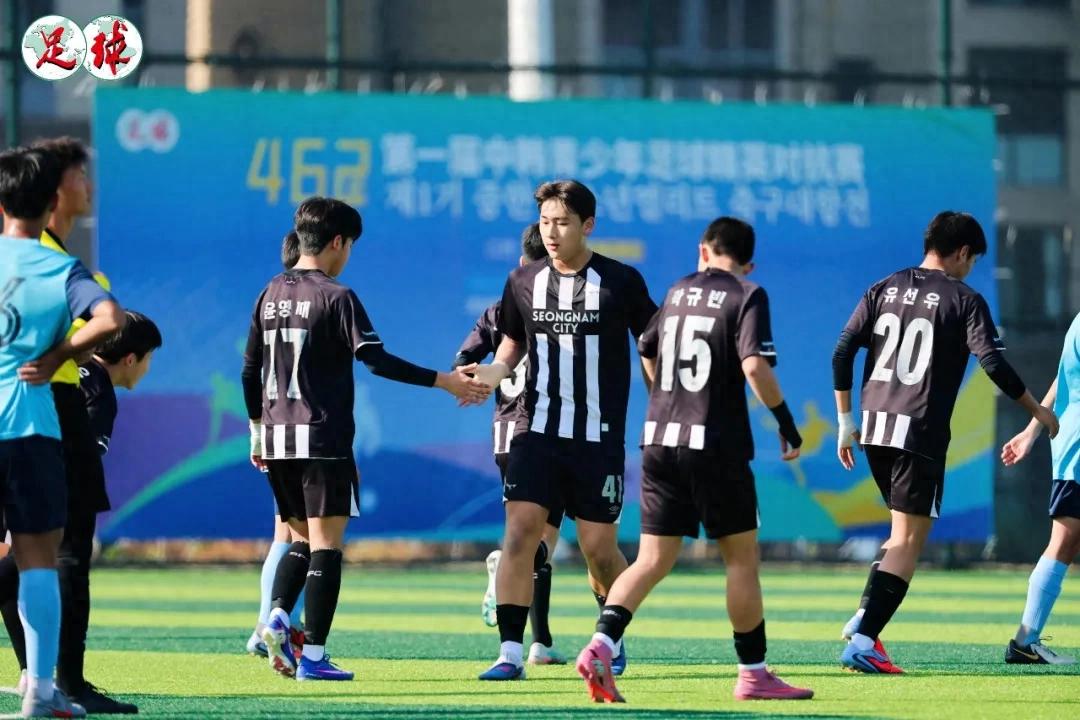
Written by Zuo Rui and Han Bing. The purpose of organizing the inaugural "462 Cup" China-Korea Youth Football Elite Challenge was to bring in strong Korean youth teams, allowing domestic teams of the same age to undergo saturated "high-pressure" training through intense, competitive, and high-quality matches. On January 11, during the first day’s matches, four Korean teams remained unbeaten with three wins and one draw in regular time, demonstrating comprehensive advantages from training to gameplay. However, while the gap was evident, the progress of domestic youth football was also apparent.
Xi’an Sports School, Zhejiang FC, and Shanghai Port all managed to score against Korean teams. Notably, in the evening matches, Zhejiang FC and Shanghai Port engaged in high-intensity pressing battles against HSFA Hwaseong and Yongin FC. Shanghai Port even defeated Yongin FC in a penalty shootout, becoming the first Chinese team to beat a Korean opponent in this China-Korea youth challenge. For the domestic youth players participating, such high-quality experience is just the beginning...
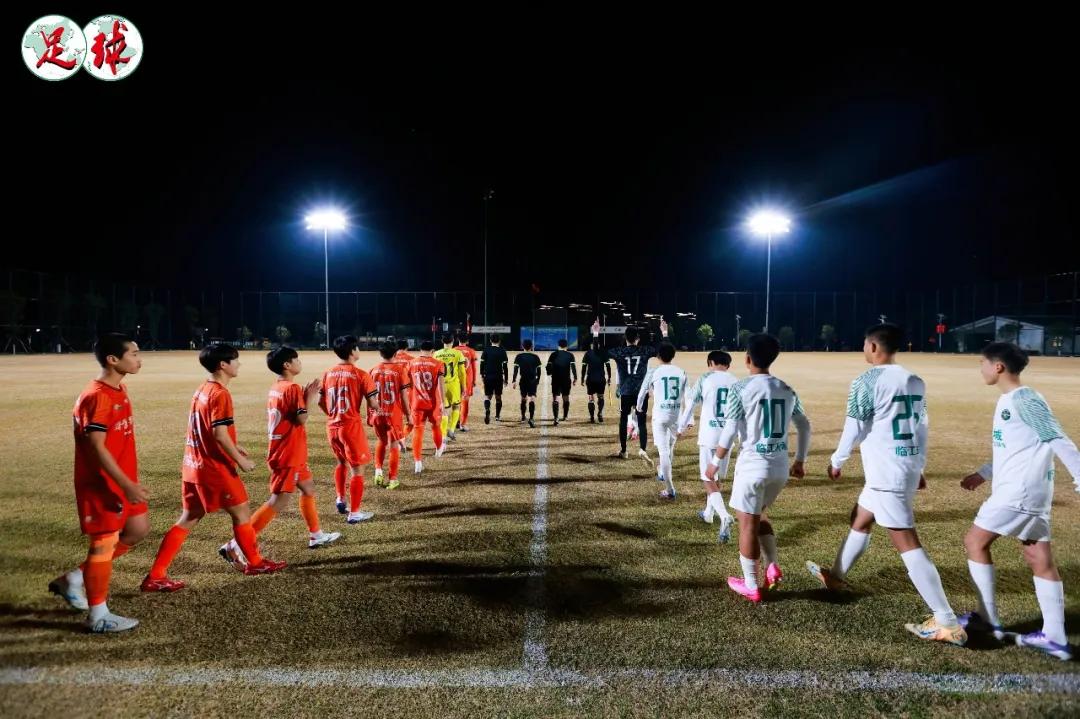

The results of the first round of the China-Korea youth football elite challenge were both expected and surprising. Expectedly, the four visiting Korean teams dominated with three wins and one loss. In the opener, Seongnam FC defeated Jeonnam Dream 4-0, Incheon United beat Xi’an Sports School 3-1. In the evening, although HSFA Hwaseong and Yongin FC both conceded first, HSFA Hwaseong came back to win 2-1 against Zhejiang FC, and Yongin FC equalized Shanghai Port in stoppage time but lost 3-4 in penalties.
In the two afternoon China-Korea matches, Seongnam FC and Incheon United clearly had physical, technical, and tactical advantages over Jeonnam Dream and Xi’an Sports School. Jeonnam Dream held out for 37 minutes before Seongnam FC’s wide switching and crossing tactics broke the deadlock. The second half exposed fitness gaps, with Seongnam scoring three goals within 12 minutes to seal the victory. After the match, Seongnam FC coach Zhao Dongxi said: "Jeonnam Dream’s defense suppressed our attacks in the first half, but the second half went very smoothly."
In the match between Incheon United and Xi’an Sports School, Incheon United also showed clear superiority in individual skills and overall coordination, controlling the game. Like Seongnam FC, their forwards wasted chances, or the score could have been higher. Notably, during pre-match ball-winning drills, the Korean team’s ten starters trained not in 5v5 but in a 4v6 setup with two players constantly moving, putting the defending side at a numerical disadvantage and increasing pressure. Their training was fully focused on realistic match situations.
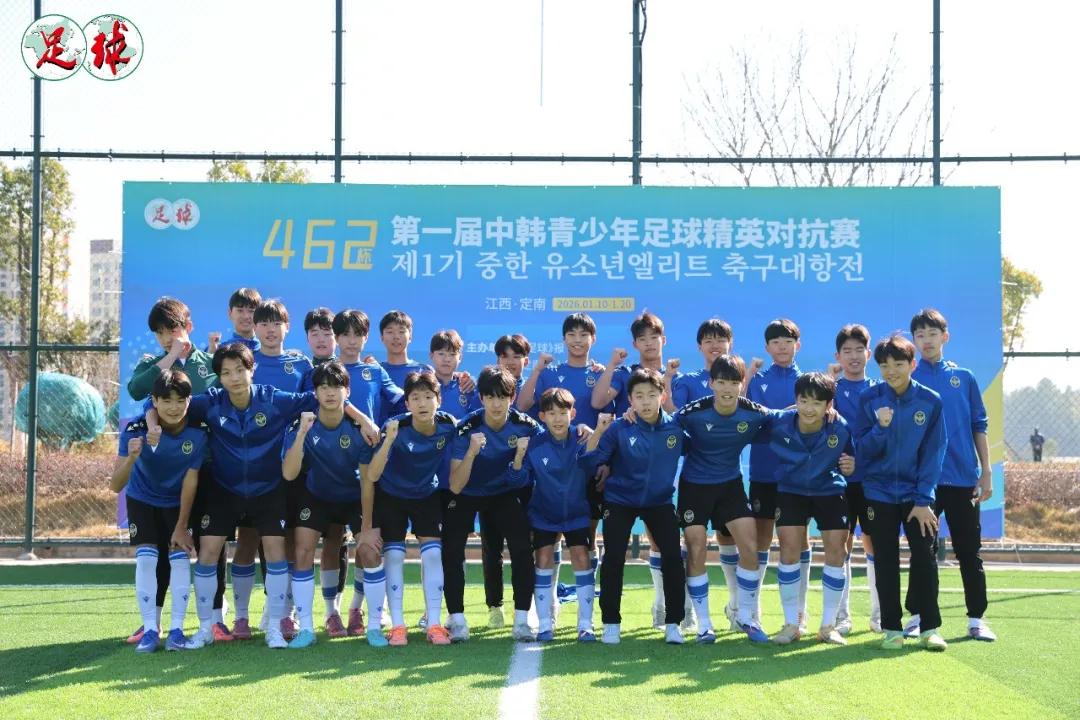
Incheon United’s head coach, Mida Park, said that due to travel fatigue, the team’s performance was "far from their best," but he believes as the tournament progresses, the team’s tactical execution will improve, and performances will get better. To give more players time on the pitch, he used all seven substitutions in the second half and frequently rotated left-footed players Kim Heolan (#24) and Liu Canrong (#14) across winger, attacking midfield, and center-back positions. "This match is a chance for every player to improve, and playing in different roles helps them develop more comprehensive ball skills," said Mida Park.
In the evening, two Korean teams, HSFA Hwaseong and Yongin FC, took the field. Zhejiang was dominated by HSFA Hwaseong, who created over ten corner kick opportunities and launched intense attacks that troubled Zhejiang greatly. The goal that put Zhejiang behind came from Hwaseong’s relentless corner kick pressure.
Although Yongin FC’s coach Kim Sangwon was unhappy with the team’s first-half performance, Yongin maintained high pressing and aggressive pressure in the second half against Shanghai Port, creating multiple scoring chances. Near the end, Yongin trapped Shanghai Port inside their penalty area and scored the equalizer from a set-piece.
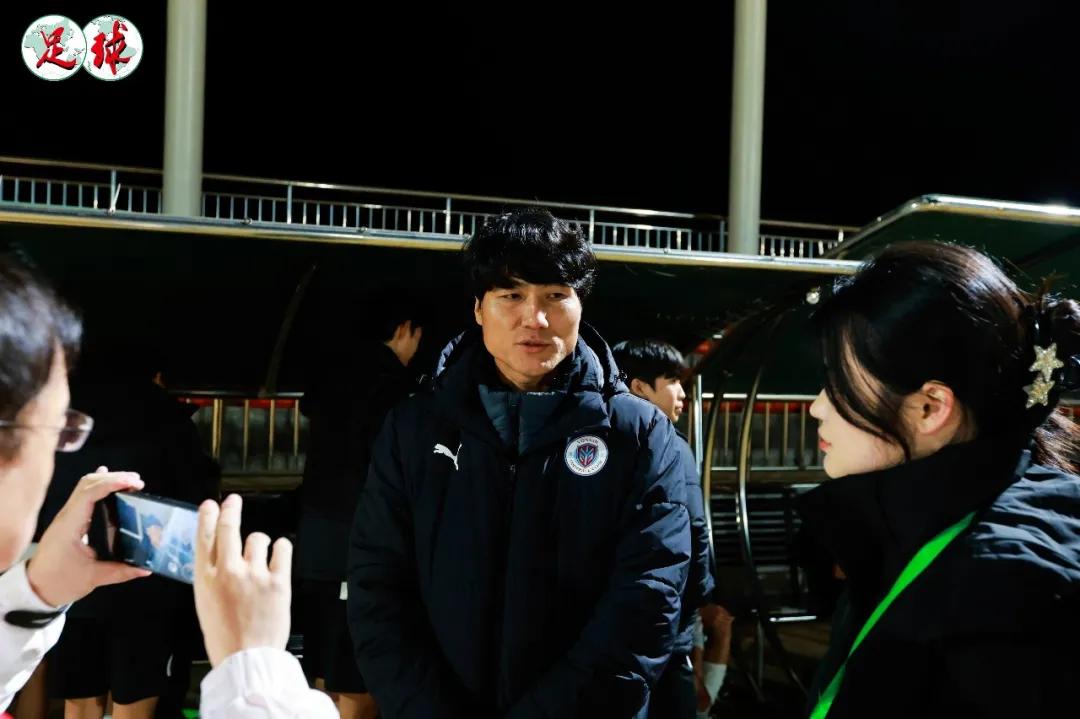
After the match, Yongin FC coach Kim Sangwon said that due to nearly a full day of traveling by plane and bus to Jeonnam, the players were not in top condition, but given the circumstances, securing a draw against Shanghai Port was the best effort from the team.
Surprisingly, despite playing the first match on the evening of the 11th and having another game on the afternoon of the 12th, Yongin FC still asked the organizing committee to arrange a warm-up match on the morning of the 12th to give their 2012 age group players more playing opportunities.
Korean youth football’s high-intensity model of learning through competition was fully demonstrated on the first day of the China-Korea challenge, which is precisely the event’s purpose: to invite strong Korean youth teams to provide domestic teams with thorough experience through top-level training and matches.
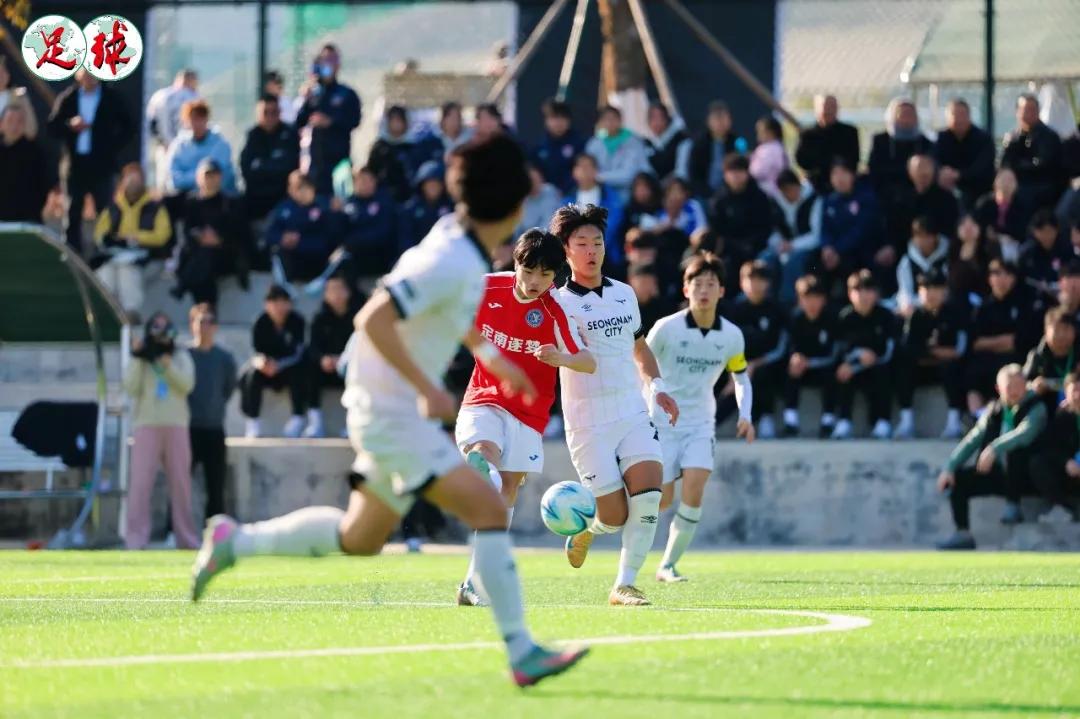

Although Jeonnam Dream and Xi’an Sports School both suffered heavy defeats in the first round, both teams acknowledged they gained valuable experience. The hosts earned their opponents’ respect, and the traveling Xi’an Sports School clearly saw the gap and found motivation and direction for improvement.
Jeonnam Dream showcased their capabilities in this international challenge; behind the 0-4 scoreline lies the ambition of the Football New City. They effectively contained the Korean youth attacks in the first half. After the match, both No. 11 Liao Yulong’s individual skills and the team’s tactical discipline were praised by opposing coach Zhao Dongxi.
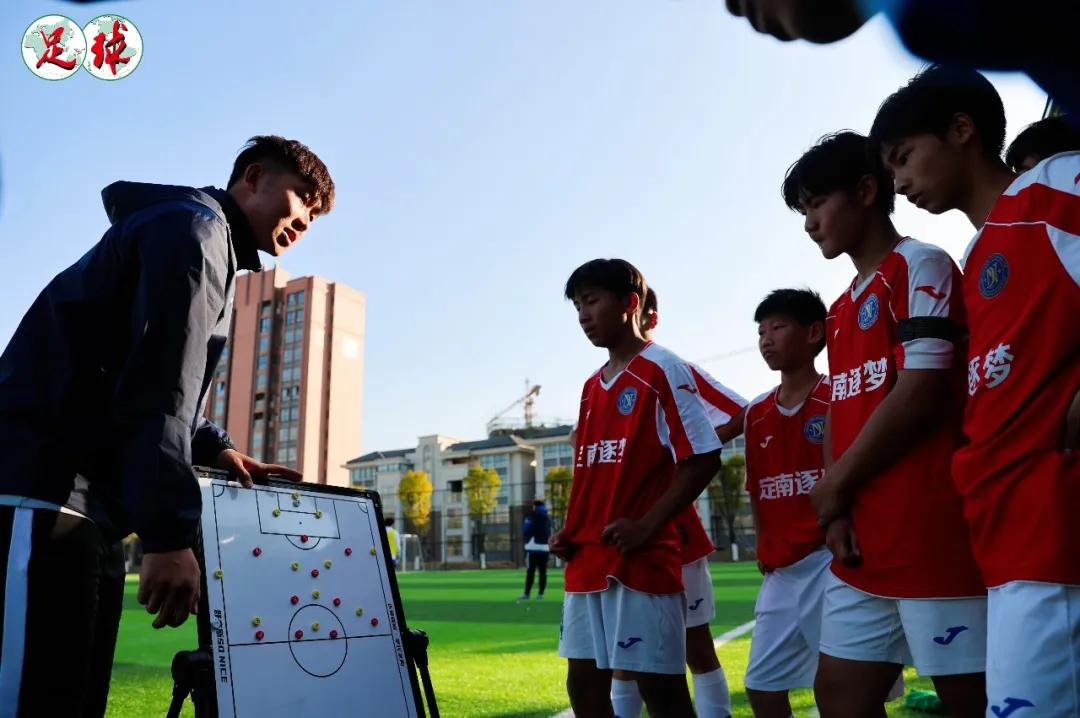
Xi’an Sports School lost 1-3 to Incheon United. Head coach Liu Yibing was pleased with the team’s "performance beyond pre-match expectations." Although the match was generally passive and often outnumbered in local areas, the team’s spirit did not falter. Players dared to dribble forward and challenge physically. "Next, the coaching staff will organize video reviews and raise expectations," he said.
According to Liu Yibing, Incheon United’s faster pace and quicker transitions reflect a more modern style of play: "This was our players’ first encounter with such strong opponents. The gap in overall tactical quality and individual ability is significant." That makes these match opportunities rare and highly valuable for development: "What did we gain? What is the gap with the opponent? I believe understanding these questions is more important than the result."
Xi’an Sports School’s wing-back No. 32 Ding Peiyan was matched against the best performer, Kim Heolan, who contributed one goal and one assist. Although Ding is only four months younger, he was clearly disadvantaged in height, physique, speed, and strength. Still, Ding made several successful tackles and disruptions: "Today I learned how to compete against taller, stronger opponents. I must prevent him from turning with the ball, and my coordination with teammates in defense needs to improve."
Ding’s teammate, midfielder Luo Yuxuan, who previously developed rapidly in the 2nd “Centennial School Cup” organized by Football Newspaper, gained a clearer understanding of his weaknesses through this China-Korea challenge: "Our rhythm is always half a beat slower than theirs, and their dribbling skills make the ball very hard to win." Facing strong opponents gave him much insight, but his future goal remains unchanged: "To play professional football, I must work even harder." Coach Liu Yibing hopes the players remember today’s efforts and shortcomings and looks forward to at least one more match against Korean opponents where they can show improvement.
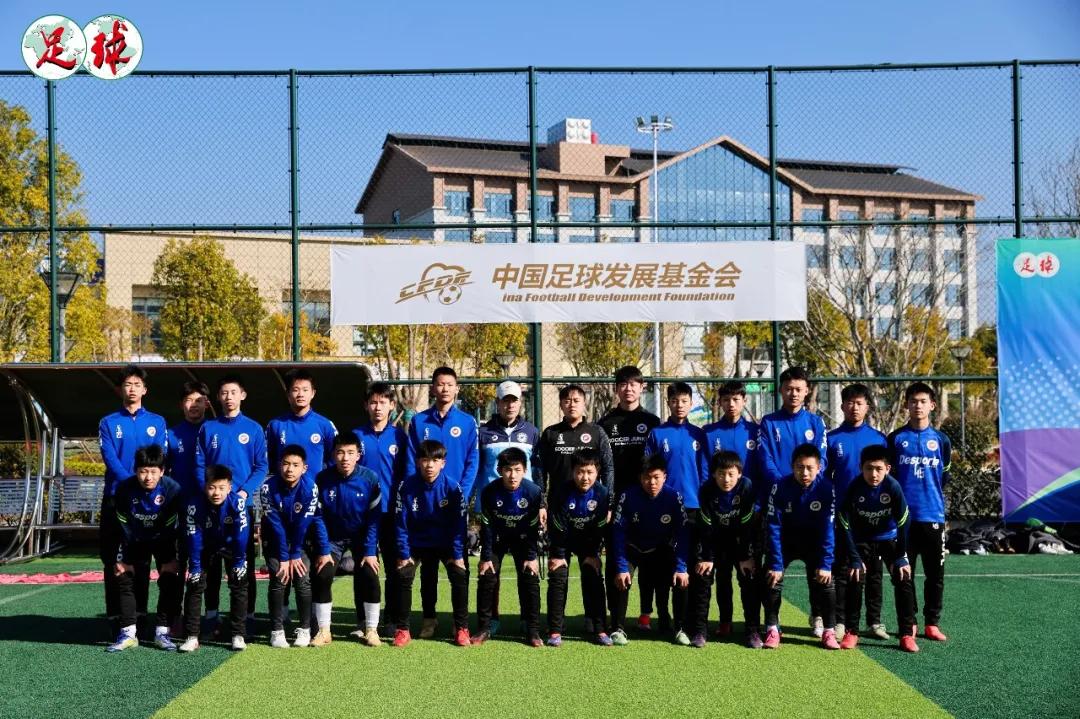

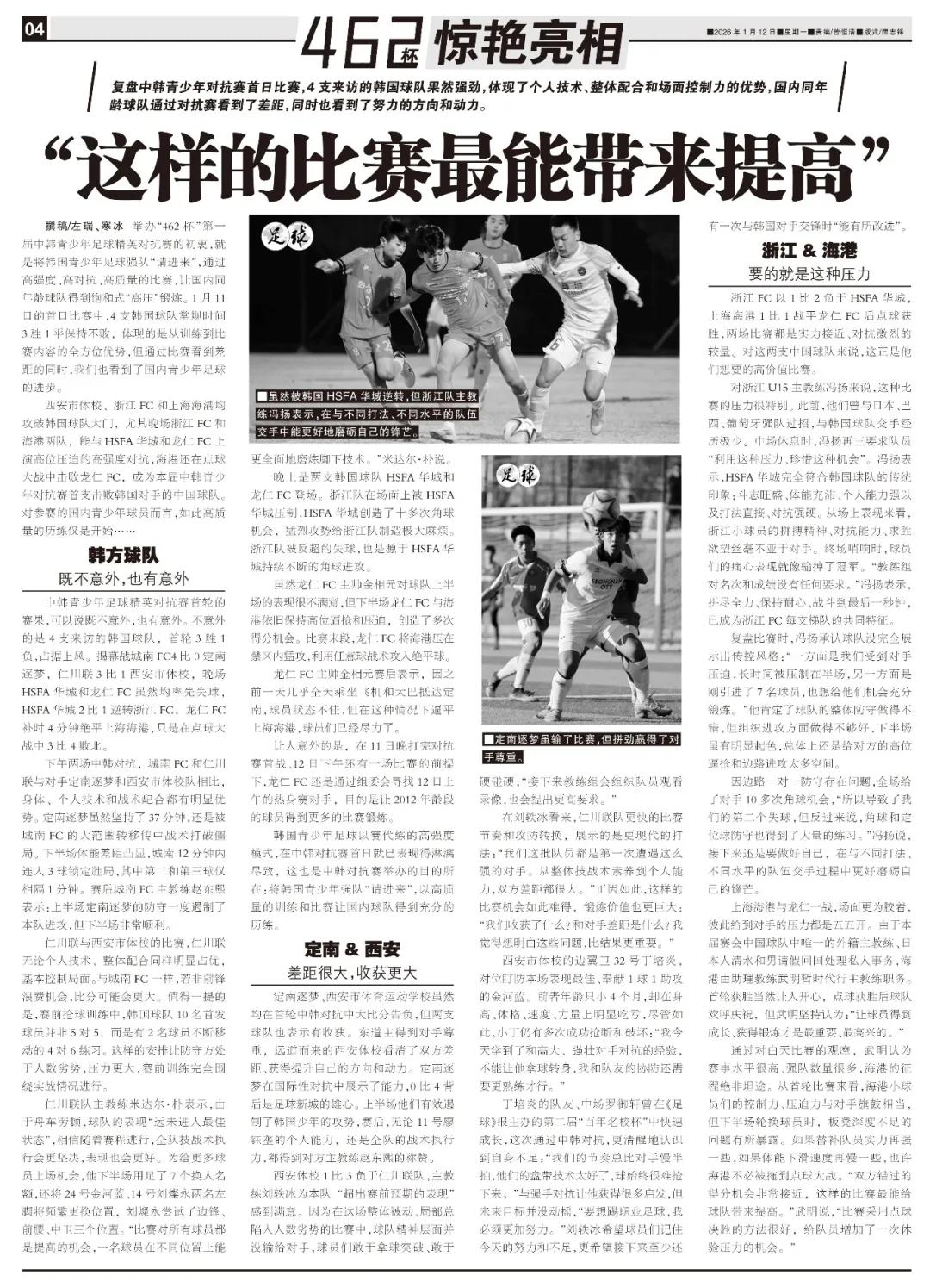
Zhejiang FC lost 1-2 to HSFA Hwaseong, and Shanghai Port drew 1-1 with Yongin FC before winning on penalties. Both matches were closely contested battles between evenly matched teams. For these two Chinese sides, this is exactly the kind of high-value competition they seek.
For Zhejiang U15 coach Feng Yang, the pressure in these matches is unique. Previously, they have faced strong teams from Japan, Brazil, and Portugal but had limited experience against Korean teams. At halftime, Feng repeatedly urged his players to "use this pressure and cherish this opportunity." Feng described HSFA Hwaseong as embodying the typical Korean team traits: spirited, physically fit, technically skilled, direct style, and tough in challenges. Judging by their performance, Zhejiang’s young players matched their opponents in fighting spirit, competitiveness, and desire to win. When the final whistle blew, the players’ disappointment was like losing a championship. "The coaching staff has no demands on rankings or results," Feng said. "Giving their all, staying patient, and fighting until the last second have become hallmarks of every Zhejiang FC team."
Reviewing the match, Feng admitted the team did not fully display their possession style: "On one hand, we were pressed and confined to our half for long periods. On the other, we recently introduced seven new players and wanted to give them ample playing time." He acknowledged the team’s overall defensive work was good but offensive organization was lacking. Although the second half showed improvement, overall they gave the opponent too much space for high pressing and wing attacks.
Due to one-on-one defensive issues on the wings, the team conceded over ten corner kicks, "which led to our second goal, but conversely, it gave us plenty of practice defending corners and set pieces," Feng explained. Moving forward, the focus remains on improving themselves and sharpening their edge by facing teams with different styles and levels.
The match between Shanghai Port and Yongin was more evenly matched, with both sides applying balanced pressure. Since the only foreign coach among Chinese teams this tournament, Japanese Kazuo Shimizu, took leave to handle personal matters, assistant coach Wu Ming temporarily acted as head coach. Naturally, the first-round victory brought joy, and the team celebrated after winning on penalties, but Wu insisted: "The most important and rewarding thing is for players to grow and gain experience."
After observing the daytime matches, Wu believed the overall level of competition was very high with many strong teams, meaning Shanghai Port’s journey will not be easy. From the first round, Shanghai’s young players matched their opponents in ball control and pressing, but when substituting in the second half, the bench depth issues surfaced. If the substitutes were stronger or fatigue set in more slowly, perhaps Shanghai would not have been dragged into a penalty shootout. "The missed scoring chances on both sides were very close. Matches like this bring the greatest improvement to the team," Wu said. "The penalty shootout format is good as it gives players an extra chance to experience pressure."


Wonderfulshortvideo
The footwork, the finish 🤌


The Wirtz x Sané link-up 🔗
Class personified.
yamal getting better raphinha goals today raphinha vs osasuna yamal barcelona highlights yamal pass today
Griezmann with the cool finish 🥶
“afcon funny moments”
🤤🤤
 Links
Links
 Contact
Address:UNIT 1804 SOUTH BANK TOWER, 55 UPPER GROUND,LONDON ENGLAND SE1 9E
Number:+85259695367
E-mali:[email protected]
 App
App


