



What was the reason behind Real Madrid terminating Xabi Alonso's contract?


Up to now, it remains unclear whether Real Madrid dismissed Alonso or if he voluntarily resigned and was accepted. Regardless, Alonso had to leave. So, what caused the 44-year-old coach to lose his job after 8 months in charge?
Main points
Loss of pressing system
The 44-year-old coach impressed with a high pressing style, a new feature in their play that mysteriously vanished after a 2-5 defeat at the Metropolitano against neighboring Atletico, the first loss in a season starting to show dangerous signs of instability. Since then, Los Blancos’ style became weak and lacked clear direction in big matches. According to Spanish media, it was from this match that Real’s management began to consider dismissing Alonso. Alonso’s unclear approach also caused frustration among his players due to his flexible yet inconsistent methods, leaving them confused about the game plan.
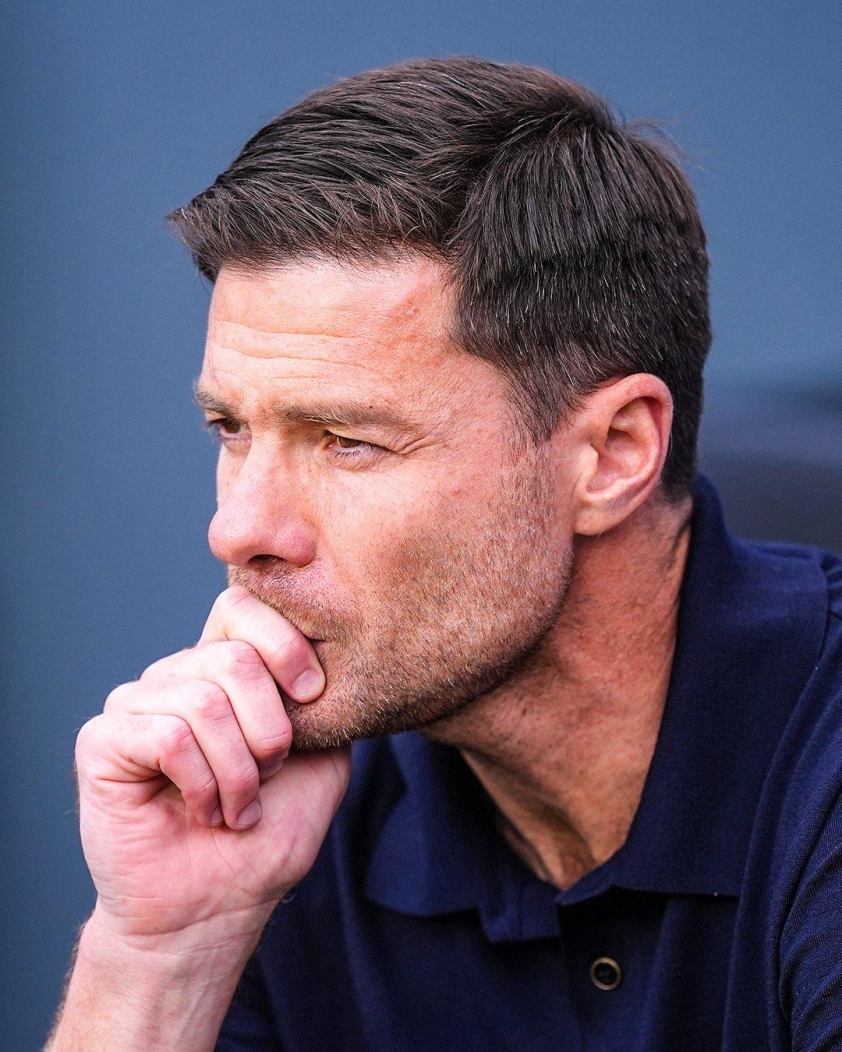
Even worse, the fiery, passionate style Alonso promised never materialized. The Alonso who once elevated Leverkusen in the Bundesliga was nowhere to be seen. Instead, after a decent start, Real gradually appeared lifeless and became a one-man team—completely reliant on a single player, Kylian Mbappe. Furthermore, lacking a full summer break for rest and tactical preparation forced Alonso to constantly worry about his players’ fitness. To be fair, Real was prone to energy depletion and fitness concerns.
Midfield lacking a “brain” to control the game
Not everything should be blamed on Alonso; he requested a playmaker, but the club failed to provide one. Conversely, Real let Luka Modric leave and invested €60 million in Mastantuono, almost the same amount Arsenal spent to acquire Martin Zubimendi. Losing Modric and bringing in a young player who had never played for a major club was a very risky decision, going against the coach’s and players’ wishes.
This caused Los Blancos’ midfield to lack sophistication and a controlling brain. Players like Aurelien Tchouameni, Eduardo Camavinga, and Fede Valverde have many strengths but do not possess the ability to regulate the game’s tempo or coordinate delicate plays. Only Jude Bellingham has that quality, but he has played in many positions and even he seems "lost" in his versatility. Still, it’s important to note that Bellingham is not quite the type of player Modric or Kroos was.
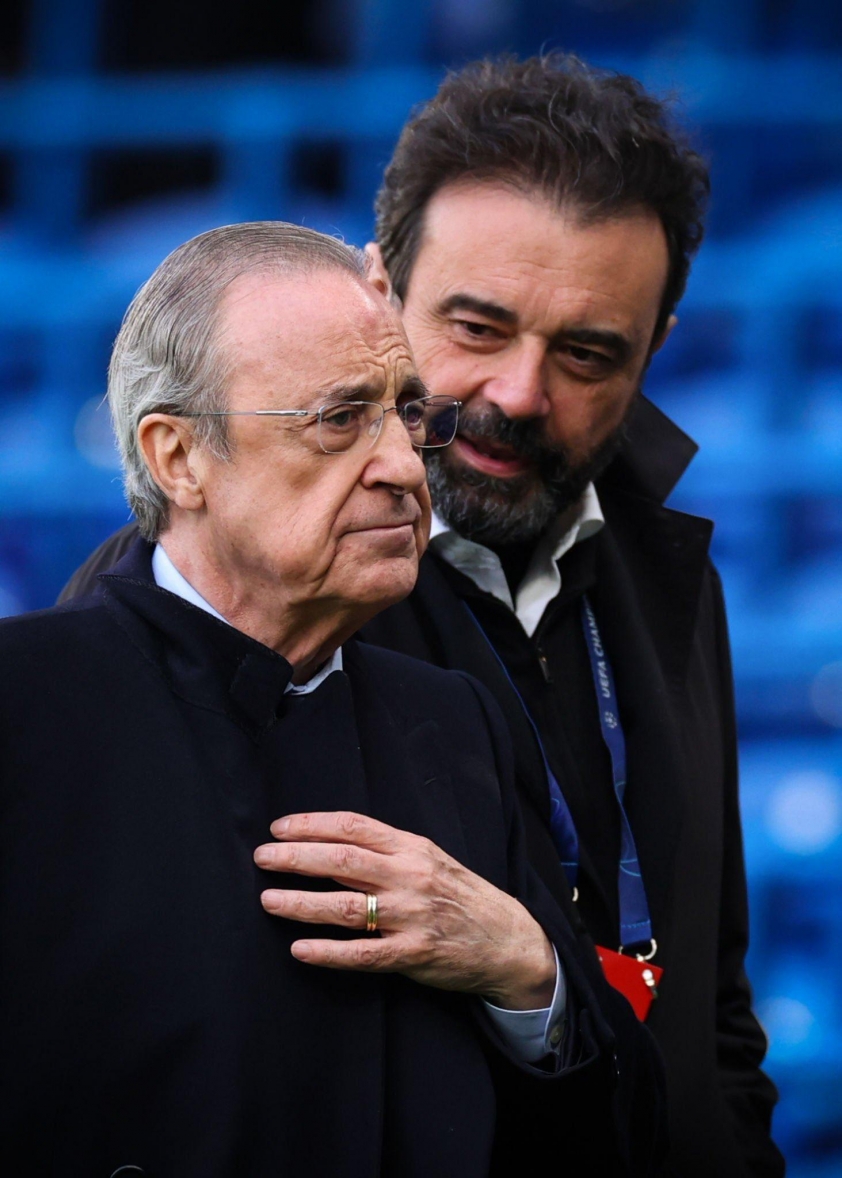
Conflicts with Vinicius and the locker room
In fact, criticism of Alonso appeared almost from the start. He is a coach who pays great attention to tactical details, video analysis, and strategy boards, which many Real Madrid players disliked after enjoying less restrictions under Ancelotti and earlier under Zinedine Zidane. In short, Alonso was not as skillful as Zidane or Ancelotti. Soon, cracks emerged, such as Vinicius being benched in some early season matches, Rodrygo similarly sidelined, and worst of all, Endrick. The situation exploded during El Clasico when Vini was substituted despite playing well, prompting the Brazilian forward to show his displeasure before 80,000 fans at Bernabeu and millions watching on TV. The club stayed silent, leaving Alonso to handle the issue without punishing the player. This illustrates that apart from Zidane and partly Ancelotti, Real’s coaches have been true captains rather than the likes of Sir Alex, Pep Guardiola, or Jose Mourinho.
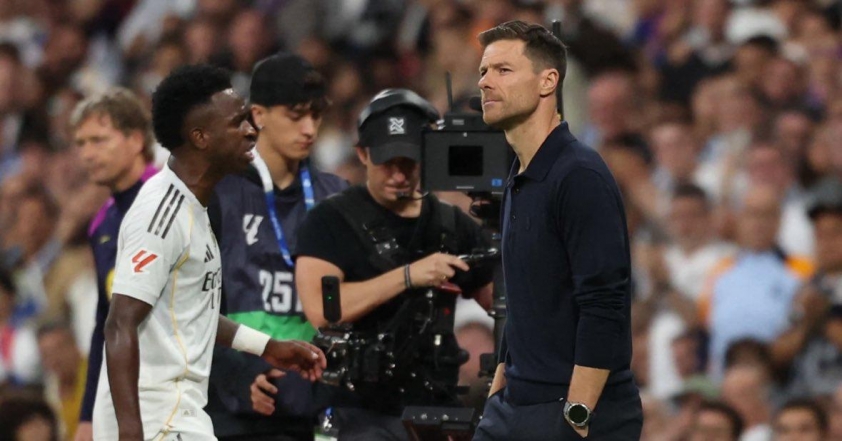
The crisis was resolved superficially, and the relationship between the Brazilian player and the Basque coach resembled water simmering on low heat—at a certain temperature, everything would either explode or burn. But Vini was not the only one criticized. Deep divisions in the locker room also contributed to Alonso’s dismissal. He was also criticized for not continuing to trust young players like Guler, giving too many chances to Mastantuono, and having issues with Valverde.
Is there hope for Arbeloa?
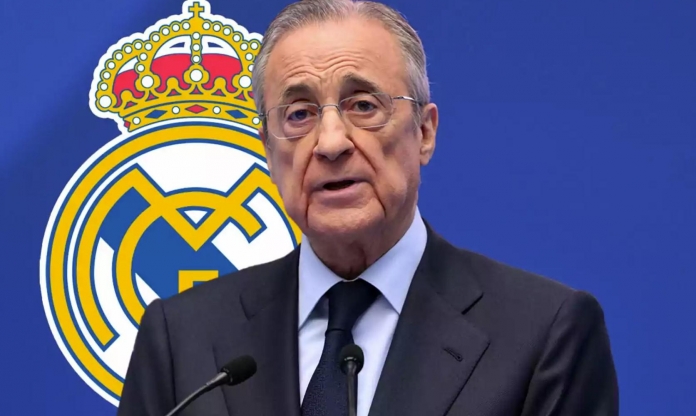
Perhaps there is. Arbeloa was supposed to replace Alonso as early as December 2025—when Alonso’s position suddenly became “hot” due to a series of poor results and deteriorating relations with the stars. President Florentino Perez believed Arbeloa had the qualities needed to handle the “hot seat” at Bernabeu.
Although once a close teammate and admirer of Xabi Alonso, Arbeloa is expected not to follow his predecessor’s coaching model. He understands that path leads to destruction. According to journalist Fabrizio Romano, Arbeloa will adopt a coaching style heavily influenced by Carlo Ancelotti.
Specifically, the new Real Madrid coach will prioritize people management, respect in the locker room, and "discipline through love" rather than implementing radical or overly complex tactical changes. As former midfielder Pirlo said, when you have a team full of stars, just let them play. Now, we wait to see how Arbeloa will revive Real.


Wonderfulshortvideo
Which counterattack is


 Links
Links
 Contact
Address:UNIT 1804 SOUTH BANK TOWER, 55 UPPER GROUND,LONDON ENGLAND SE1 9E
Number:+85259695367
E-mali:[email protected]
 App
App


