



U23 Chinese National Team: Plans Changed? Strategy Remains Unaltered!



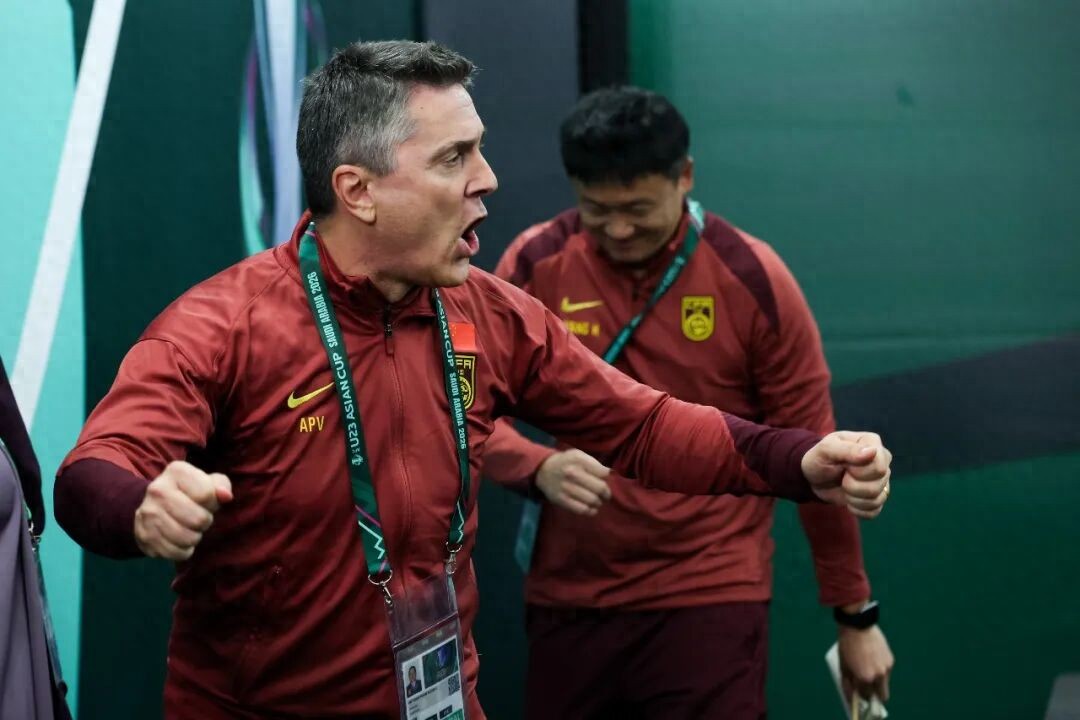
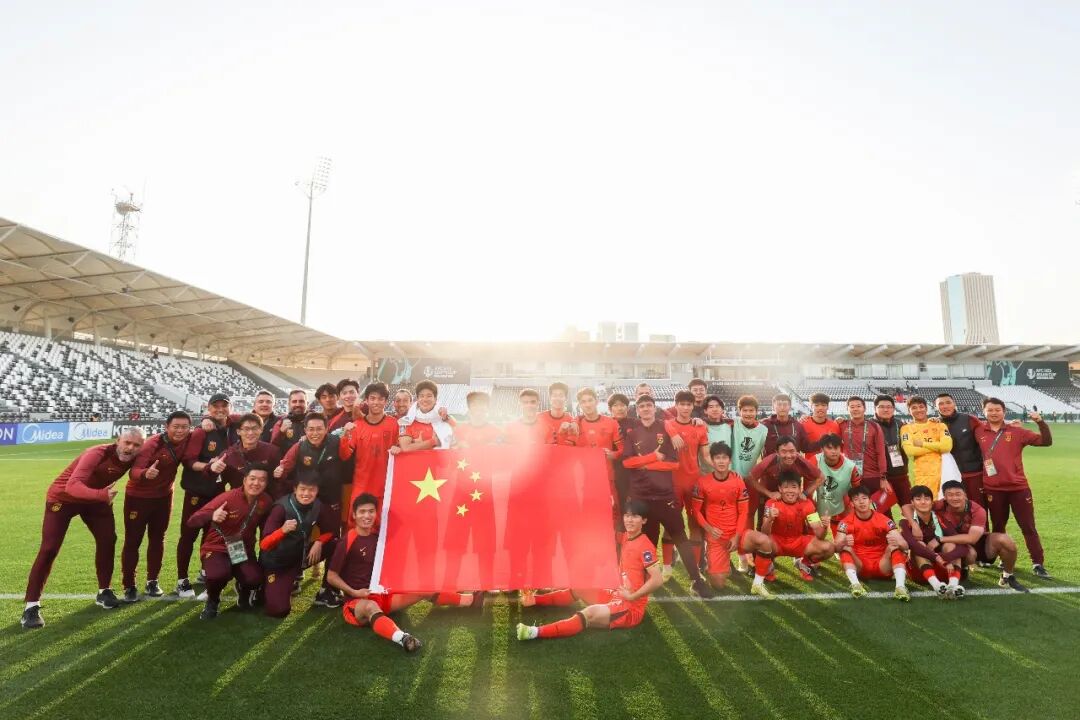
Written by Lu Mi and Han Bing When the U23 Chinese team broke records to reach the Asian Cup semifinals, the players celebrated passionately, exclaiming “plans have changed,” implying their goal now is the final. Since they have made it this far, everyone is determined not to stop, including coach Antonio. However, facing Vietnam, unbeaten in four matches, the U23 team cannot afford to relax; tightening defense and grit will continue to be the best approach for this tough young squad.
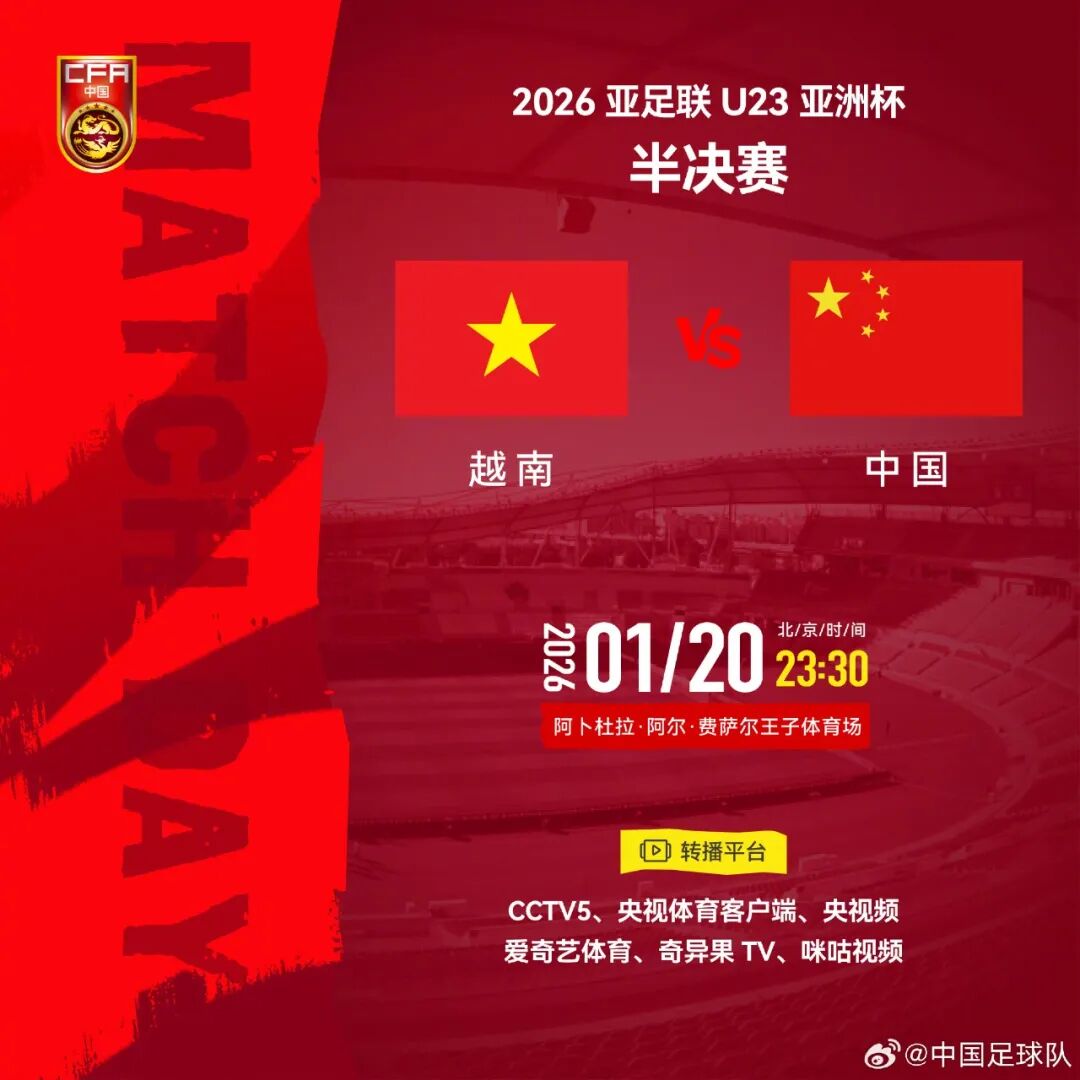

Looking back at their path in this tournament, every step taken by the U23 Chinese team has been marked by overcoming adversity. Before the competition, neither media analysis nor fans predicted them as favorites for the semifinals, especially since China had never advanced past the group stage before and the group draw was unfavorable. After a tough breakthrough into the knockout rounds, facing a young but top-tier Uzbekistan team, the common expectation was “just lasting to extra time would be a success.” The match statistics confirmed this gap: China held only 29% possession, was outshot 6 to 23, and had zero shots on target compared to Uzbekistan’s eight.
Yet, precisely in this underestimated and dire situation, the U23 Chinese players relied on belief, bravery, precise tactical execution, and a bit of crucial “luck” to achieve what the numbers suggested was nearly impossible.
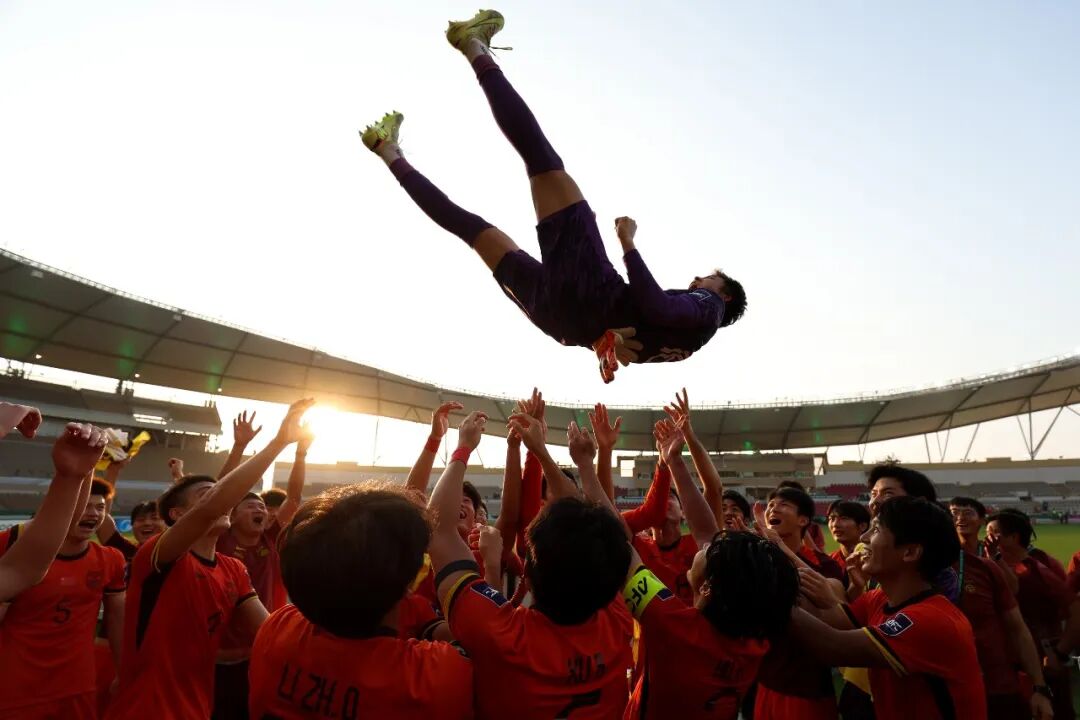
The standout hero Li Hao was undoubtedly the key figure in the team’s advance to the semifinals, making multiple critical saves with excellent technique, and in the penalty shootout, his calm anticipation and psychological tactics secured vital saves. Hu Hetao’s tireless runs on the flank, Xu Bin’s efficient sweeps in midfield, and the entire defensive line’s relentless effort until exhaustion together built a flawless defensive wall — four matches so far without conceding a goal, proving the solidity of their defensive system.
It is even more notable that this breakthrough was not accidental but the result of Antonio’s long-term dedication. Since taking charge of the national youth teams in 2019, Antonio has nurtured this group step by step — from the U15 team reaching the Asian finals, to the U20 team making the quarterfinals, and now the U23 team reaching the semifinals. He has consistently adhered to tactics suited to the players’ strengths. His teams have often had possession rates below 30%, yet have relied on intense defensive discipline, efficient counterattacks, and precise set pieces to create chances. This tournament’s sole goal came from a set piece, and at the U20 Asian Cup, the team also scored first from a corner kick. This pragmatic approach of “not chasing flashy play but focusing on winning” is the key to their repeated success despite being the underdog.
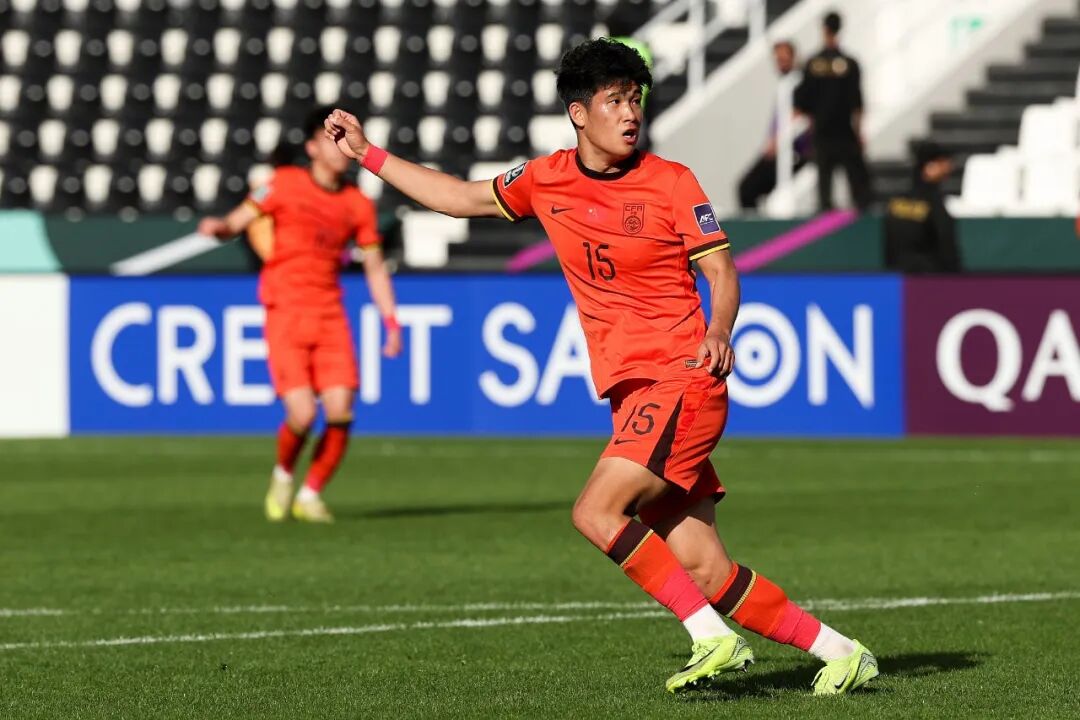

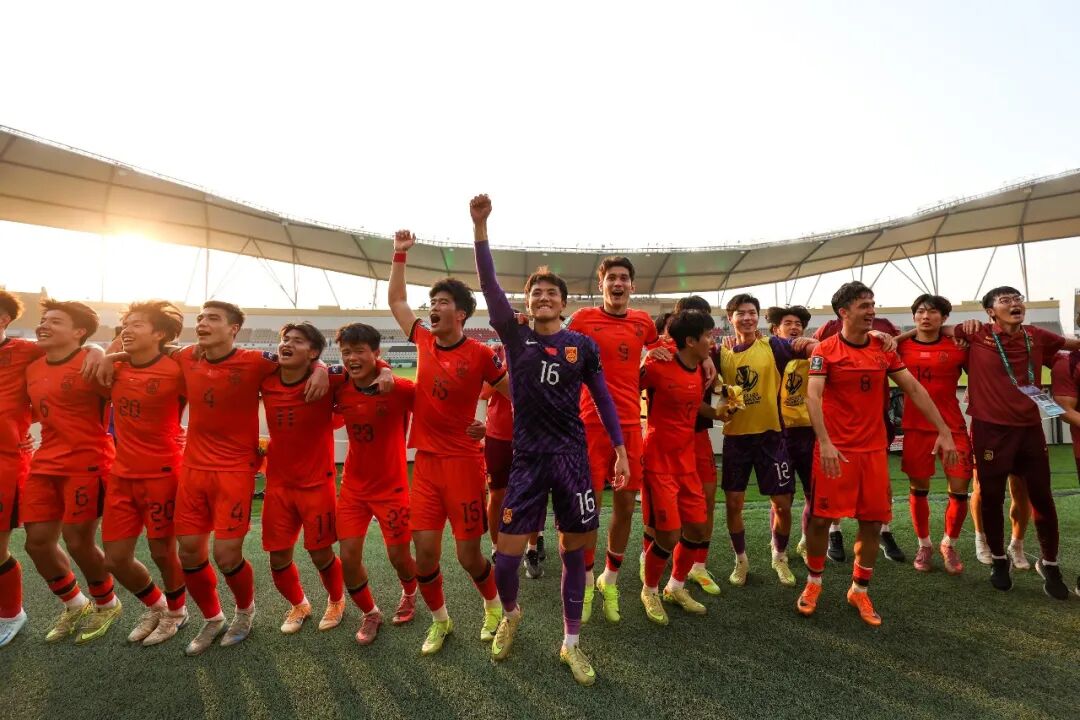
Having made history by reaching the semifinals, the U23 Chinese team now confidently aims higher — within the locker room and on social media, the players have already proclaimed “plans have changed.” If advancing from the group was dismissed by critics as mere luck, then prevailing over Uzbekistan after 120 minutes and a penalty shootout has won over more skeptical fans — they may not be the best team in Asia for their age group, but they are certainly not afraid to compete with any Asian peers.
After achieving the best result in team history, the players’ mindset has relaxed, which may allow them to perform even better. Historically, teams that have kept clean sheets before the semifinals in the U23 Asian Cup have all reached the final. This pattern adds confidence that making the final, or even contending for the championship, is not an unreachable dream for China.
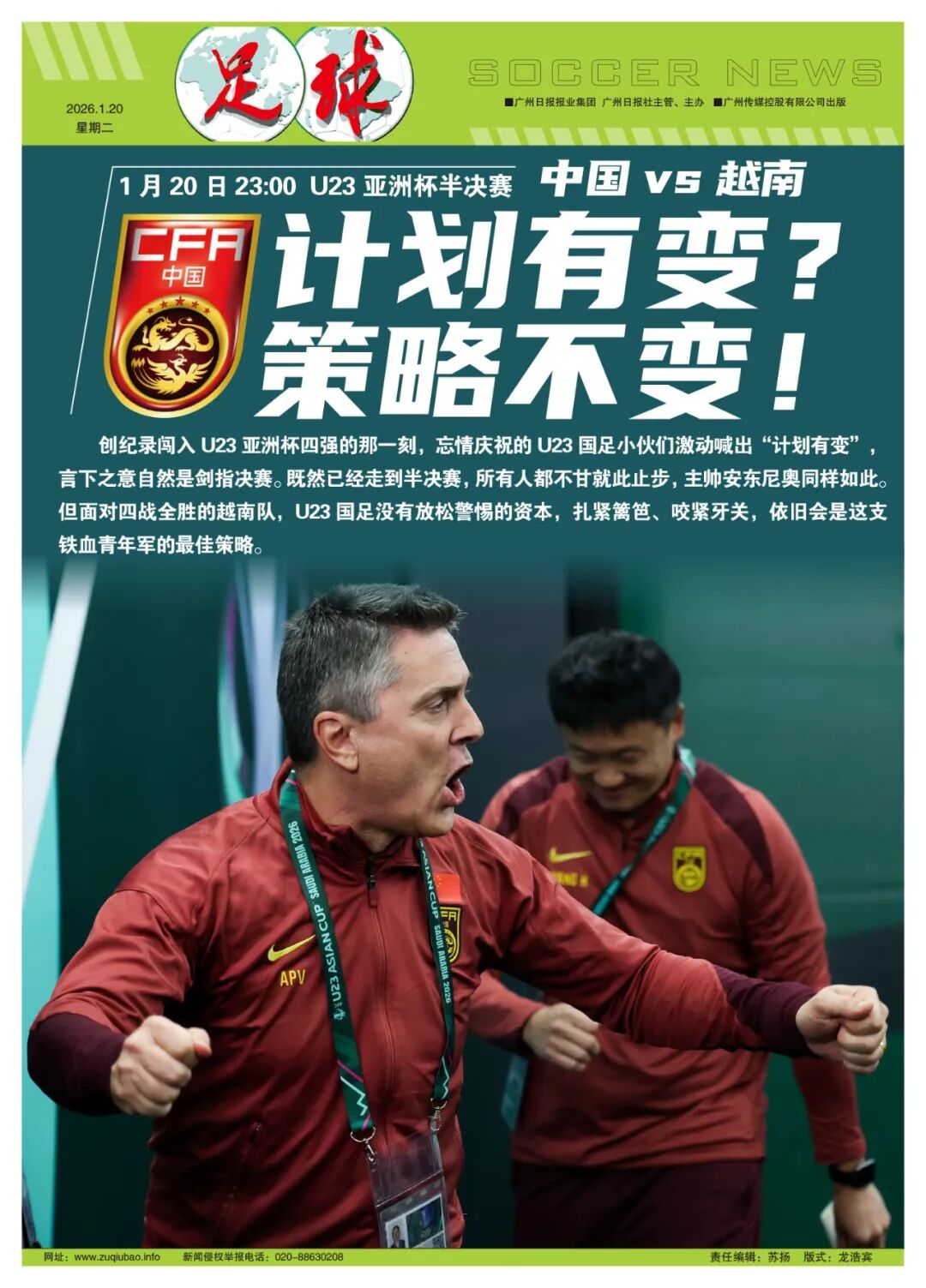
“Earlier we said we would take it one game at a time, which is a good approach. This is a huge dream, and we will fight to reach the final. We are here now and will give our all. We know Vietnam well; we’ve played them two or three times before. They are excellent, very well organized, and hard to break down. Tomorrow will be a very, very tough match, and my players understand this,” Antonio said at the pre-match press conference.
Despite the upgraded goal and keeping tactical plans under wraps before the match, Antonio is unlikely to make major changes. For the Chinese U23 team, Antonio’s 5-3-2 formation, high pressing defense combined with quick counterattacks and set-piece attacks align well with the players’ current capabilities. The team may lack in possession and technical passing but compensates with physicality, defensive intensity, and tactical discipline. If they can capitalize on set pieces as a scoring weapon, this underdog U23 Chinese team has every chance to make more history and push on toward the final.

Vietnam’s best previous U23 Asian Cup result was runner-up in 2018, losing in extra time to Uzbekistan in the final. Under Korean coach Kim Sang-sik, the Vietnam U23 team won both the U23 Southeast Asian Cup and the Southeast Asian Games last July and December, entering this tournament in excellent form. Vietnam topped their group with three wins, then defeated Jordan and host Saudi Arabia, and eliminated UAE in the quarterfinals after extra time, making a strong run through West Asian powerhouses.
Chairman Doan Nguyen Duc of the Gia Lai Hoang Anh Group announced a reward of 1 billion Vietnamese dong (about 265,000 RMB) for the Vietnam U23 team. Five players who trained at Gia Lai Hoang Anh’s academy — goalkeeper Tran Trung Kien, defender Pham Ly The, Nguyen Nhat Minh, midfielder Nguyen Tai Quoc Cuong, and forward Nguyen Quoc Viet — each received 50 million dong (about 13,000 RMB). Vietnamese media see this as Vietnam’s best chance to win an Asian title. Historically, Vietnam U23 holds a superior record against China U23: in five encounters, two wins, two draws, and one loss. Last year, they met twice in Yancheng and Chengdu with one win and one draw. The Vietnam U22 team at the Panda Cup was almost identical to this Asian Cup squad and defeated China U23 thanks to a goal from right wing-back Pham Minh Phuoc.
Vietnam U23 coach Kim Sang-sik thoroughly prepared for this match, watching China U23’s victory over Uzbekistan with six assistants. At yesterday’s press conference, Kim expressed his hope to meet South Korea in the final and recalled last year’s Panda Cup 1-0 win over China U23. “I noticed China has changed some players since last year, but we will still give our all. We will push beyond limits and fight to win.”
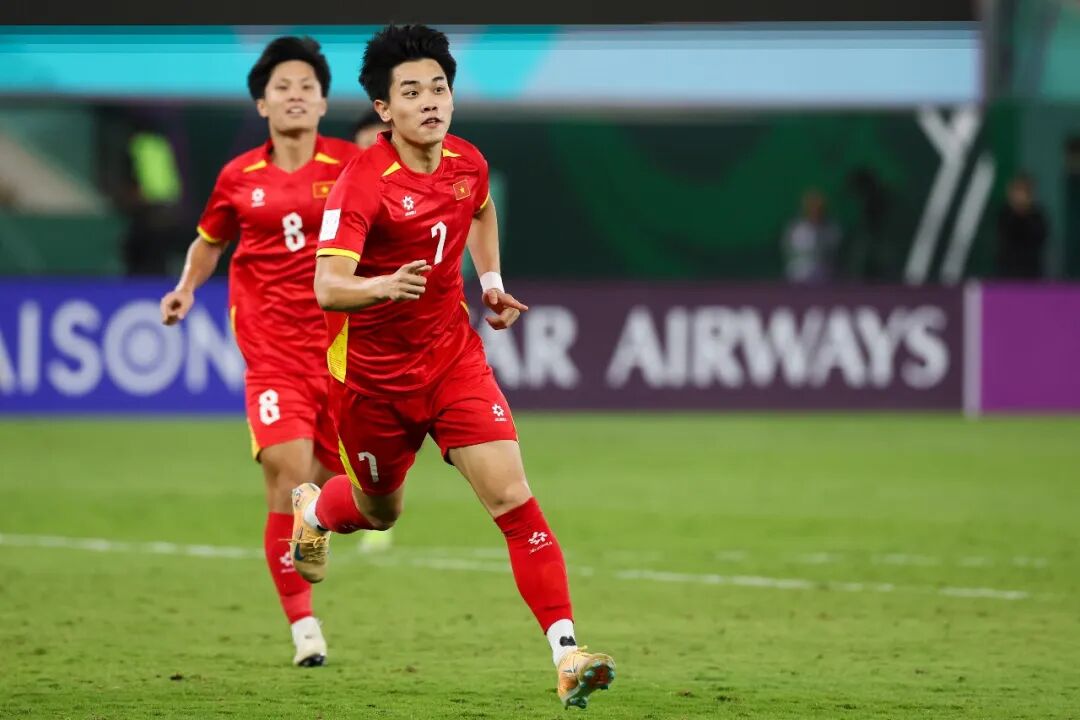
Former coach Troussier, who has coached in both China and Vietnam, believes Vietnam U23’s aerial defense is weak, noting the two goals conceded to UAE came from lost aerial duels. Vietnam U23 plays a 3-4-3 formation, with forward Nguyen Thanh Binh scoring three goals in the Asian Cup, posing the biggest threat to China’s defense. Troussier called up Thanh Binh to the Vietnam team in the 2023 Asian Cup, making him the first Vietnamese player born after 2004 to be capped. This year, he is a key player in Vietnam’s back-to-back Southeast Asian titles and was named the best player at the U23 Southeast Asian Cup. Vietnam’s U23 squad includes seven national team players: goalkeeper Tran Trung Kien; defenders Nguyen Hieu Minh, Pham Ly The, Nguyen Nhat Minh; midfielders Nguyen Tai Son, Quach Van Cong; and forwards Nguyen Thanh Binh, Nguyen Qing Xian. Quach Van Cong, Nguyen Thanh Binh, and Nguyen Tai Son have all played over 10 matches.
Vietnam U23 mainly uses a 3-4-3 formation, with goalkeeper Tran Trung Kien and defenders Nguyen Hieu Minh, Pham Ly The, and Nguyen Nhat Minh forming the core defense. Defensive midfielders Nguyen Tai Son and Nguyen Xuan Bac hold the midfield, while captain Quach Van Cong and Pham Minh Phuoc manage the wings. Offensively, there is more variation: after scoring in the opener against Jordan, Nguyen Thanh Binh was moved to the bench but came off the bench to score against Saudi Arabia and UAE, becoming a major attacking weapon for Vietnam U23.
Other forwards like Nguyen Le Phat and Nguyen Ngoc My have started more matches, while Vietnamese-Russian naturalized player Victor Ly is gradually becoming the main left winger. However, Victor Ly was injured and forced off 35 minutes into the UAE match. It is expected that the groin-injured Nguyen Thanh Binh will start in the China-Vietnam match. Additionally, China’s U23 team must watch out for right wing-back Pham Minh Phuoc, who scored the winning goal against China U23 at last year’s Panda Cup and, together with Nguyen Thanh Binh, provided key assists and goals in the U23 Asian Cup quarterfinals, making him one of Vietnam’s main threats on the flanks.


Wonderfulshortvideo
The footwork, the finish 🤌


Did you get it? 🤔😅
The Wirtz x Sané link-up 🔗
Haaland’s movement 🥵
Which counterattack is
“afcon funny moments”
🤤🤤
 Links
Links
 Contact
Address:UNIT 1804 SOUTH BANK TOWER, 55 UPPER GROUND,LONDON ENGLAND SE1 9E
Number:+85259695367
E-mali:[email protected]
 App
App


