



"The shelving of Wenger's offside reform again reveals a fundamental debate in football's core logic"



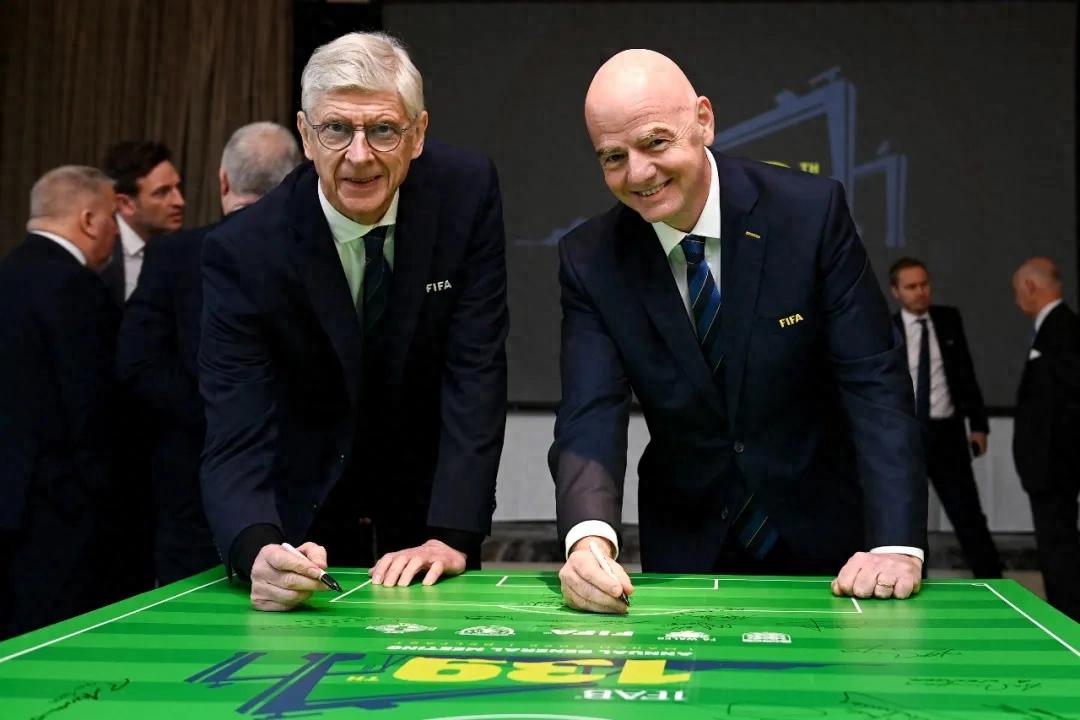
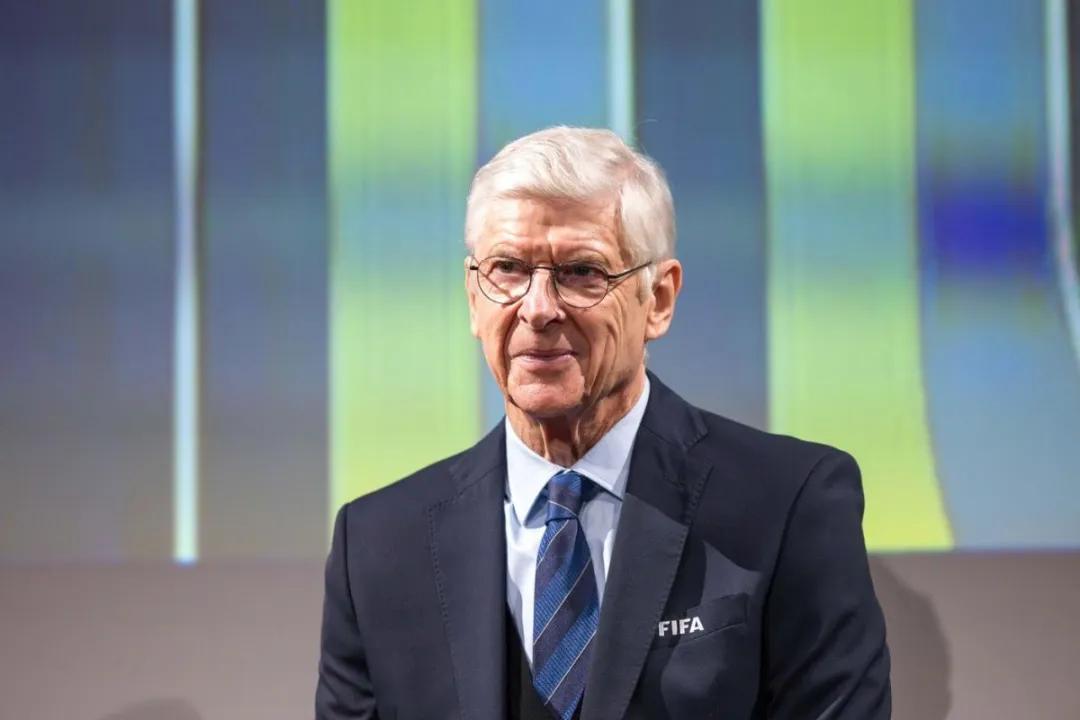
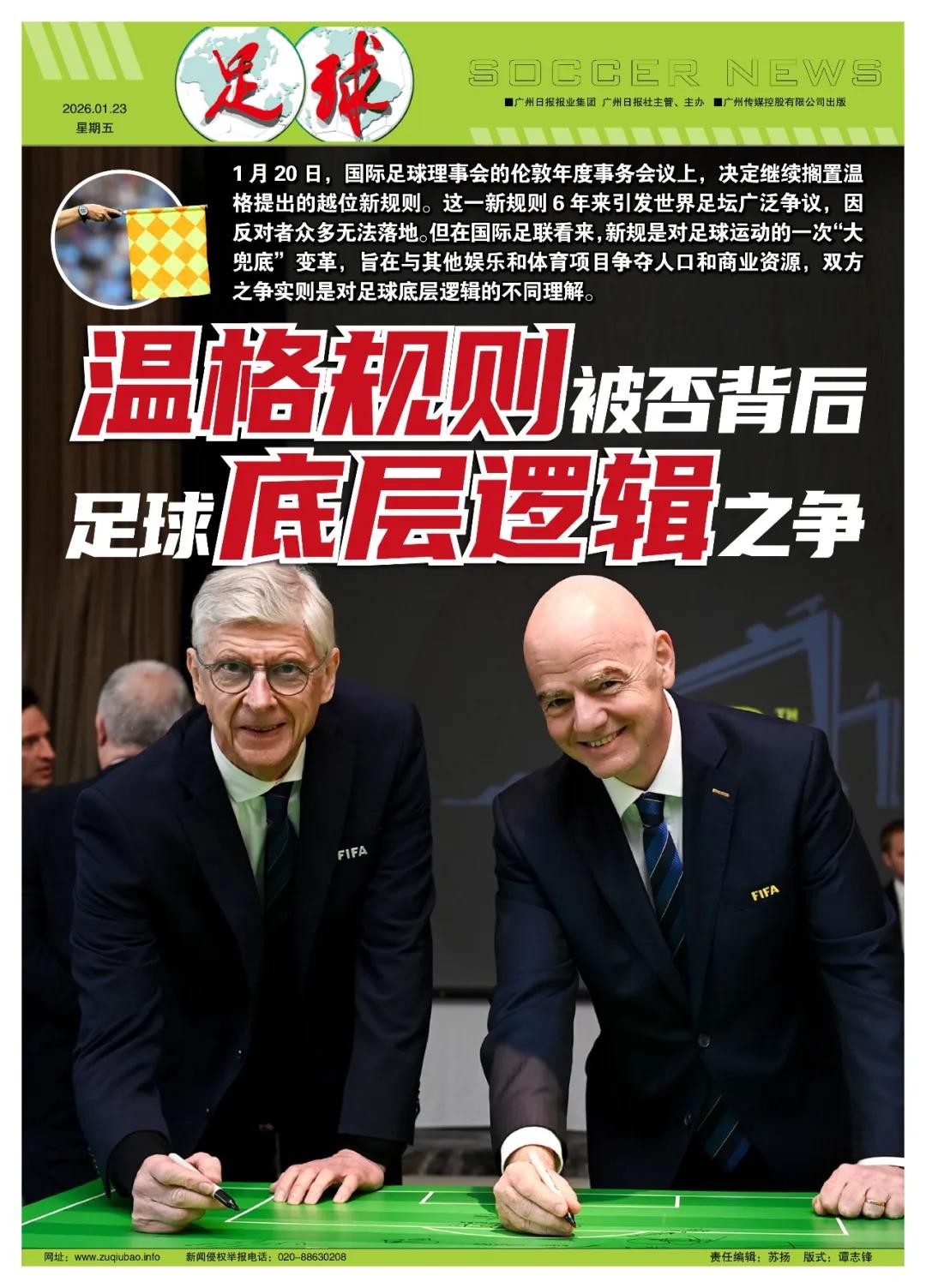
By Han Bing On January 20th, at the IFAB annual meeting in London, the decision was made to continue postponing the offside rule proposed by Wenger. Introduced in 2020 by FIFA's global football development director Wenger, the new offside rule has sparked widespread controversy in world football for six years and has failed to be adopted due to strong opposition. The mainstream football community generally considers the rule too radical.
However, from FIFA’s perspective, the new rule represents a comprehensive reform aimed at making football more competitive against other entertainment and sports industries for audience and commercial resources. Currently, the new offside rule has not been abandoned but is still being tested in the Canadian Premier League. It is expected that FIFA will continue lobbying for its acceptance and implementation in the future.

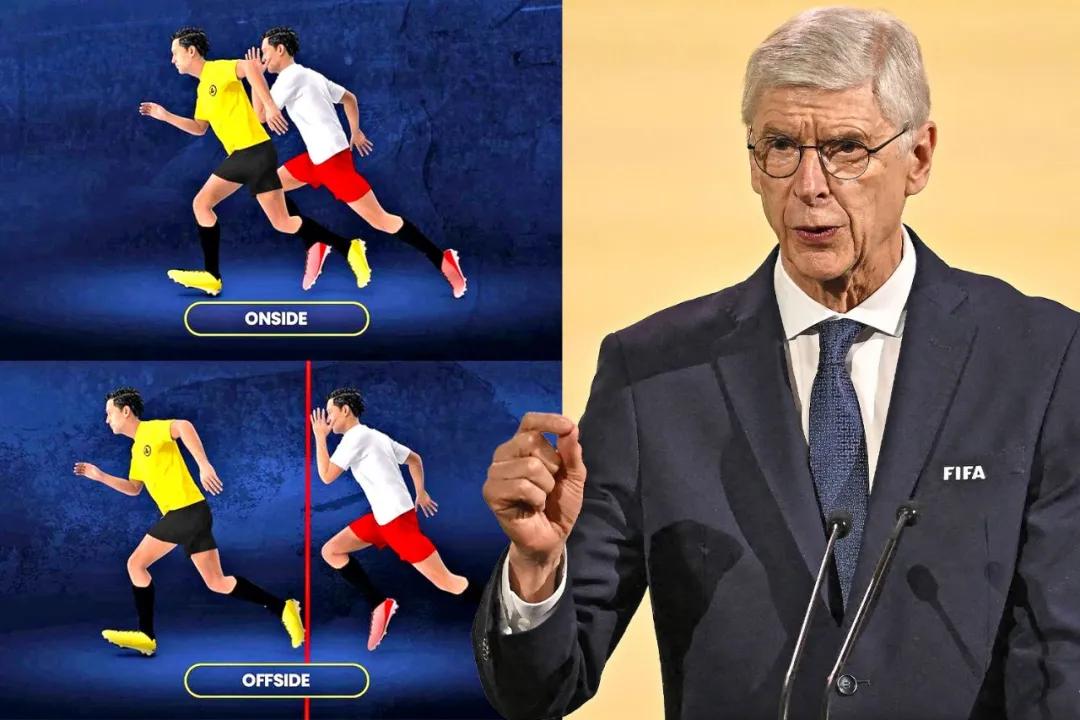
Wenger’s new offside rule is based on the core principle of "visual separation" between attacking and defending players, known in European and American media as the "Daylight" rule. This means an attacking player is only offside if their body’s scoring parts are completely beyond the second-last defender visually. The current offside rule works oppositely: an attacker is offside if any part of their scoring body is closer to the goal line than the second-last defender.
The offside rule is one of the foundational logic rules of modern football. Since its establishment in 1863, it has only undergone two major revisions in 1925 and 1990. Significant changes to the offside rule are rare because it underpins modern football tactics and gameplay. The most recent major amendment in 1990 was prompted by the overly conservative World Cup that year. IFAB adjusted the rule so that an attacker is not offside if their scoring body parts are level with the second-last defender, greatly favoring attacking play.
Since 1990, the current offside rule has become familiar to every football professional and fan, even becoming part of the game itself. However, the past 30-plus years have seen enormous changes in both society and football. So, is it possible to revise the existing offside rule to better fit or guide these internal and external changes in football? Wenger’s proposed "new offside rule" was put forward under FIFA President Infantino’s vision along these lines.
During the last seven rounds of the 2021/22 season and the entire 2022/23 Italian U18 youth league, Wenger’s offside rule was trialed, with generally positive feedback. The average goals per game increased from 3.58 to 3.94. The Italian Football Federation reported that the new rule helped enhance match entertainment: participants clearly felt there were more goals and scoring chances, while the style of play did not drastically change. However, the sample size was small, and IFAB approval is required for full adoption.
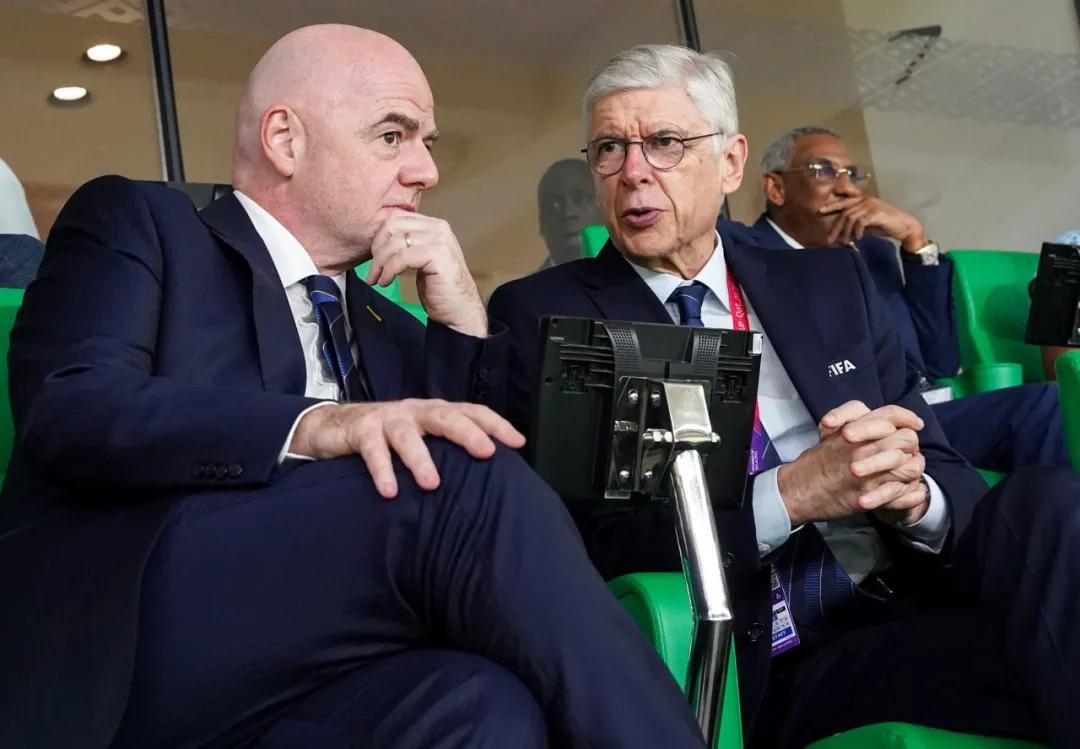
IFAB is the global football rules-making body, composed of FIFA and the four British football associations (England, Scotland, Wales, Northern Ireland). FIFA holds four votes, each British association has one vote, and any rule change requires at least six votes to pass. FIFA strongly supports Wenger, but the four British associations are known for conservatism and rarely change established rules.
According to IFAB data, under Wenger’s "new offside rule," 11 goals disallowed for offside this Premier League season would have counted. However, current coaches and players like Fabregas and Courtois believe Wenger’s rule is too radical and could backfire by encouraging defensive teams to drop deeper to avoid offside traps. Yet, deep defense also risks conceding goals. Coaches in the Italian U18 league did not alter their tactical systems due to the new offside rule either.
Both sides have valid arguments, and with no consensus, IFAB has decided to "wait a bit longer."

IFAB’s cautious approach is not baseless. The football world has seen several hastily implemented rules that failed, such as the 2000 rule moving free kicks 10 yards forward after protests, and the 2017 ABBA penalty shootout sequence, both eventually abandoned due to poor results.
While shelving the "new offside rule," IFAB proposed other changes to favor attacking play and increase net playing time. For example, players receiving treatment must leave the field for 30 seconds; goalkeepers receiving treatment must be substituted off by another player for 30 seconds. VAR’s authority will also expand to review all corner kicks, not just those leading to goals, and intervene in cases of a player’s second yellow card leading to a sending off.
Several minor rule adjustments by IFAB will be voted on at the annual meeting on February 28th. However, the rejection of Wenger’s "new offside rule" marks a significant setback for FIFA’s efforts to attract more young fans through enhanced match entertainment.
What does this mean?
The offside rule is a fundamental logic underpinning football matches, fundamentally shaping many tactics’ birth and use. Wenger’s new rule favors organized attacking teams and naturally supports strategic and purposeful creation of attacking space and layers. Logically, it could make scoring easier and thus improve the game’s entertainment value from an attacking perspective. Naturally, this new rule also restricts existing tactics like offside traps and high pressing.
Of course, under any rule, both offense and defense develop counter-strategies. New tactics and approaches would emerge to adapt to the new rule. If implemented, predicting how exactly Wenger’s "new offside rule" would influence football’s development is difficult.
But one principle stands: FIFA wants football to be more intense, more direct, and more goal-rich.
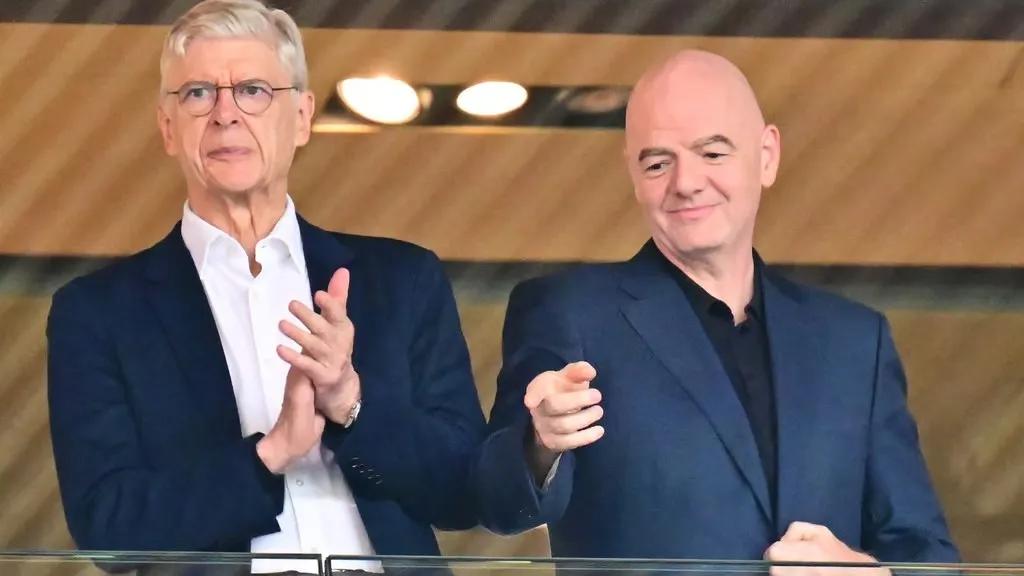
Infantino has publicly supported Wenger multiple times, hoping the offside rule reform will increase goals, enhance match excitement and suspense, and thereby attract more young people to join football’s growing population. This reflects deep concerns from Infantino and FIFA.
A recent German media survey shows that major European football countries are experiencing stagnation or decline in youth player numbers. In England, football participation among 16-24-year-olds dropped 27% between 2015 and 2023. Germany lost nearly 6,000 U17 and U19 male youth teams over the past 19 years. The rise of social media platforms is one reason young people are abandoning football. German media believe that differences in entertainment preferences and lifestyles between today’s youth and previous generations play a role. Fast, simple entertainment, consumption, and life philosophies have deeply penetrated youth football, contrasting sharply with football’s inherent long-term training, unpredictable outcomes, and high elimination rates.
To compete with social media platforms and digital entertainment products for young people, football must undergo fundamental changes: more goals, faster pace, greater suspense... In this sense, Wenger’s "offside rule" may be too radical, but its goal is to save the sport. Clearly, conservatives have yet to fully embrace the visions of Infantino and Wenger.


Wonderfulshortvideo
The footwork, the finish 🤌


Did you get it? 🤔😅
The Wirtz x Sané link-up 🔗
Haaland’s movement 🥵
Which counterattack is
“afcon funny moments”
🤤🤤
 Links
Links
 Contact
Address:UNIT 1804 SOUTH BANK TOWER, 55 UPPER GROUND,LONDON ENGLAND SE1 9E
Number:+85259695367
E-mali:[email protected]
 App
App


