



The Vice President of the German Football Association calls for a boycott of the USA-Canada-Mexico World Cup! There is precedent, and there may be others to follow.




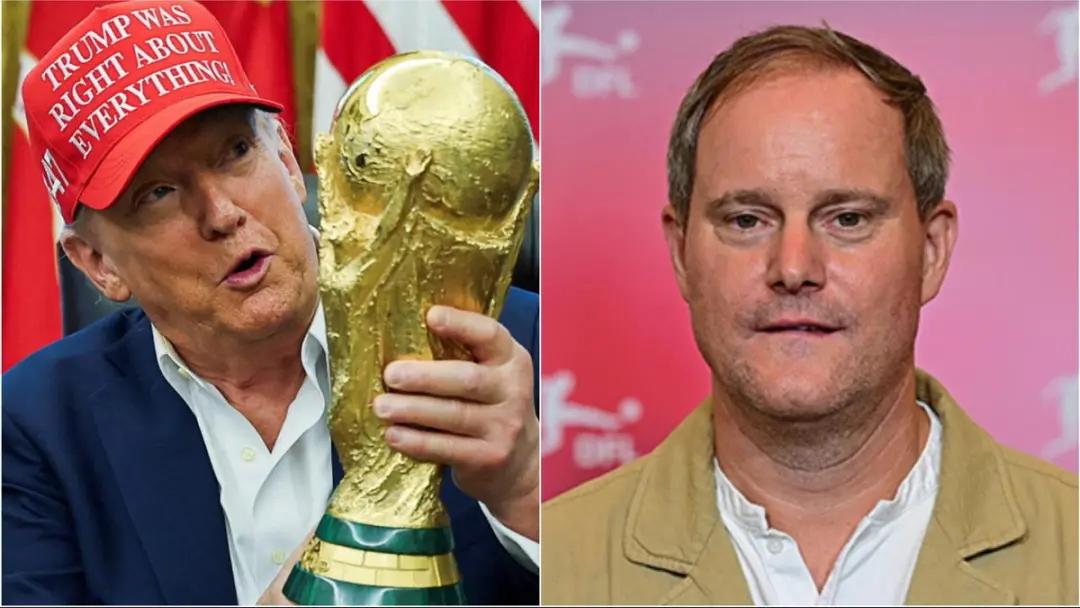
Written by Han Bing The Vice President of the German Football Association and chairman of Bundesliga club St. Pauli, Gertelich, recently called in an interview with the Hamburger Morgenpost for the German Football Association to hold an emergency meeting to consider boycotting the USA-Canada-Mexico World Cup. His reasons include the US’s attempt to forcibly take over Greenland and its threats to impose trade wars on eight European countries, including Germany, France, and the Netherlands. Additionally, FIFA has allowed the US to drastically raise World Cup ticket prices, making it unaffordable for most fans.
Moreover, at the beginning of January, the US announced an indefinite suspension of visas for 75 countries, including 15 World Cup participants such as Algeria, Brazil, Cape Verde, Colombia, Ivory Coast, Egypt, Ghana, Haiti, Iran, Jordan, Morocco, Senegal, Tunisia, Uruguay, and Uzbekistan, as well as three hopefuls— Iraq, Democratic Republic of Congo, and Jamaica—who might qualify through intercontinental playoffs. Although delegations of these teams are likely to receive visa exemptions, fans from these countries are barred from entering, which is highly unfriendly to their supporters.
Gertelich emphasized that he has considered the consequences of boycotting the World Cup and suggested hosting the tournament in Europe this summer with teams not participating in the World Cup to compensate for economic losses. A poll by the German agency Insa shows that 47% of respondents support Germany boycotting the World Cup, 35% oppose it, and 18% are undecided. Meanwhile, the football associations of France and the Netherlands have stated they will not boycott the 2026 World Cup. Since 74 of the 104 matches will be held in the US, and given the enormous economic benefits of the World Cup, a boycott is unlikely. However, there have been multiple historical precedents for World Cup boycotts, so others might follow.
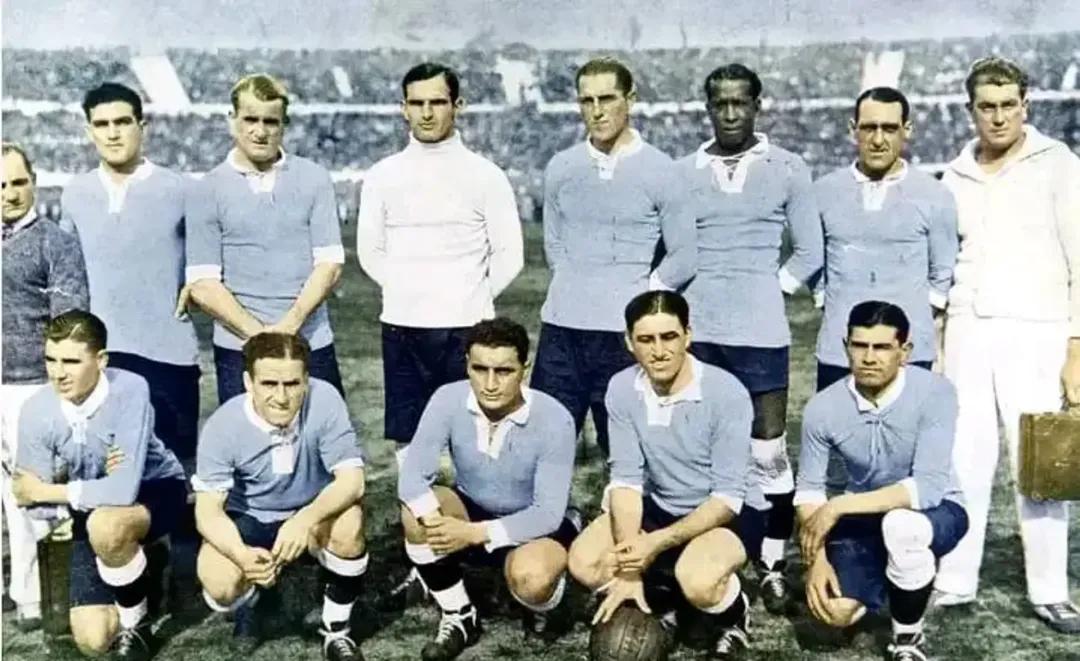
As early as the 1930 Uruguay World Cup, many European teams declined to participate, citing long travel distances and high costs. The host nation Uruguay viewed their refusal as a sign of disrespect towards its national status and the South American continent. At the 1934 Italy World Cup, the defending champion Uruguay refused to participate, becoming the only reigning champion to voluntarily skip the tournament. In the 1938 World Cup, which South American football confederation hoped to alternate between Europe and South America, the tournament was again hosted in Europe by France after Italy in 1934, leading Argentina and Uruguay to withdraw in protest.
England, Scotland, Wales, and Ireland—the birthplaces of modern football—only joined FIFA in 1946. Before that, they insisted on only participating in the British Home Championship with four British national teams and refused to compete in the first three World Cups. In 1950, the British Home Championship served as World Cup qualifiers, with the top two teams qualifying. However, Scotland declared they would only participate in the World Cup if they won the championship. After finishing second, Scotland declined to take part in the World Cup.
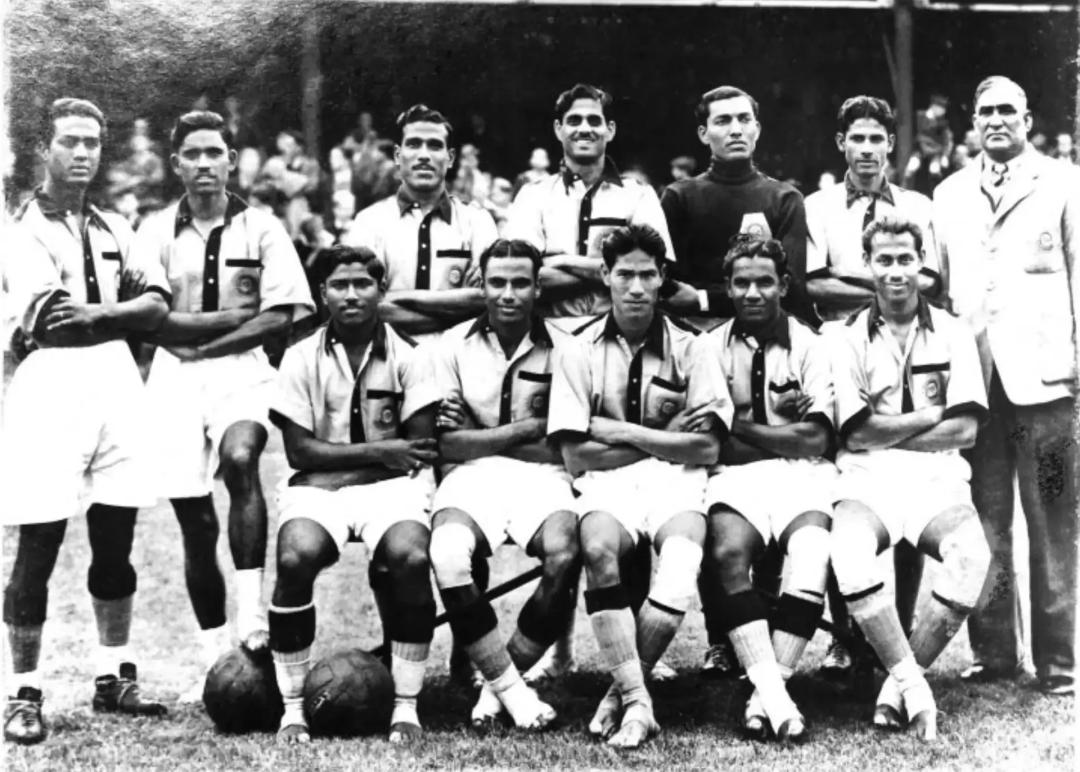
In the 1950 World Cup, all four Asian teams—Burma, Indonesia, and the Philippines—withdrew. India initially qualified without playing but refused to participate because FIFA required players to wear shoes, while Indian players insisted on playing barefoot. Turkey, due to post-WWII reconstruction and economic crisis, could not afford to send its team to Brazil.
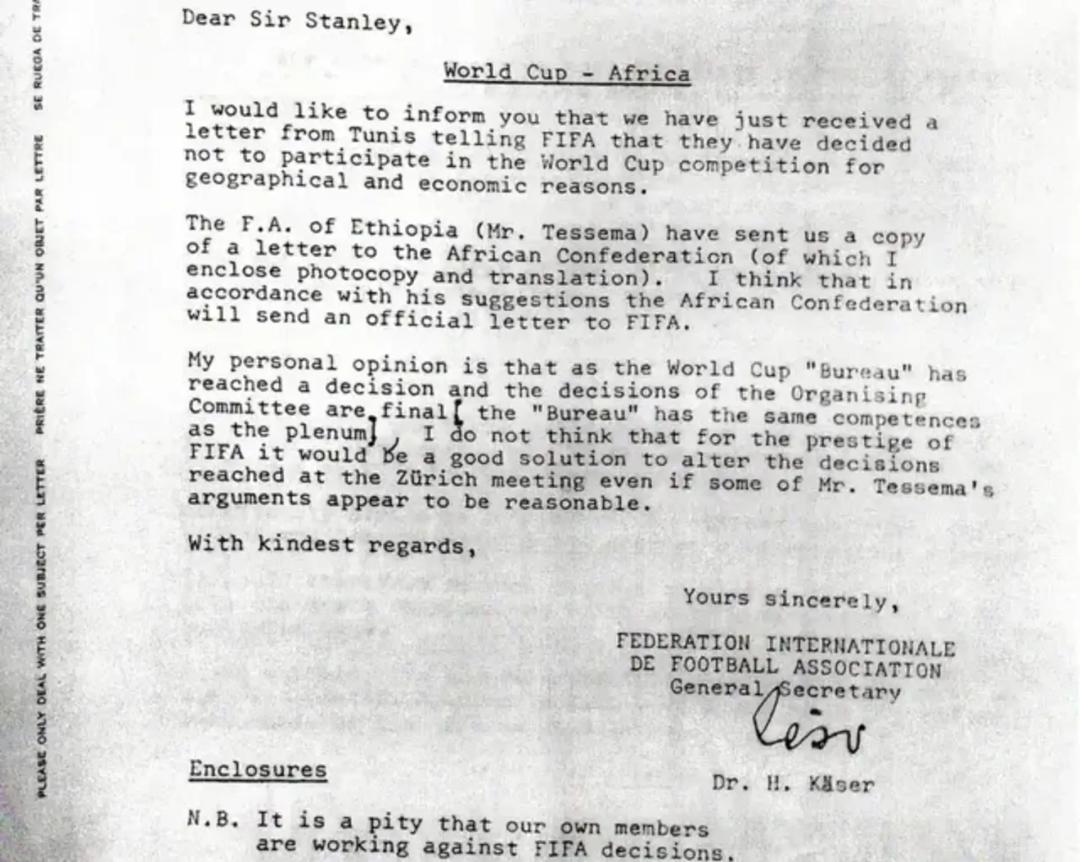
At the 1966 England World Cup, FIFA allocated only one spot for Africa, Asia, and Oceania combined. The Confederation of African Football regarded this as racial discrimination, and 15 eligible African nations issued a joint statement withdrawing from the qualifiers. In 1968, FIFA finally agreed to allocate separate World Cup spots for Africa and Asia.
During the 1970 World Cup Asian and Oceanian qualifiers, Australia, Japan, and South Korea all refused to play against Rhodesia from Africa. FIFA then grouped Japan, South Korea, and Australia to compete first, with the winner facing Rhodesia. Meanwhile, North Korea withdrew after refusing to play Israel, which went on to beat New Zealand and Australia to qualify for the 1970 World Cup. In 1974, Arab countries in West Asia refused to play Israel, leading to Israel’s expulsion from the AFC by vote. Subsequently, Israel participated in European and Oceanian qualifiers until officially joining UEFA in 1994.
In the 1974 World Cup intercontinental playoff, the Soviet Union refused to play the second leg in Santiago’s National Stadium in Chile. This stadium had been used by Pinochet’s military regime since the 1973 coup to detain and execute supporters of President Allende. The Chilean military government refused to change the venue, so the Soviet team refused to play. Chile scored an uncontested goal in an empty stadium and advanced.
It is worth noting that this series of boycotts throughout World Cup history prompted FIFA to consider expanding the tournament, ultimately becoming one of the driving forces behind the World Cup’s true globalization.


Wonderfulshortvideo
The footwork, the finish 🤌


Did you get it? 🤔😅
The Wirtz x Sané link-up 🔗
Haaland’s movement 🥵
Which counterattack is
“afcon funny moments”
🤤🤤
 Links
Links
 Contact
Address:UNIT 1804 SOUTH BANK TOWER, 55 UPPER GROUND,LONDON ENGLAND SE1 9E
Number:+85259695367
E-mali:[email protected]
 App
App


