



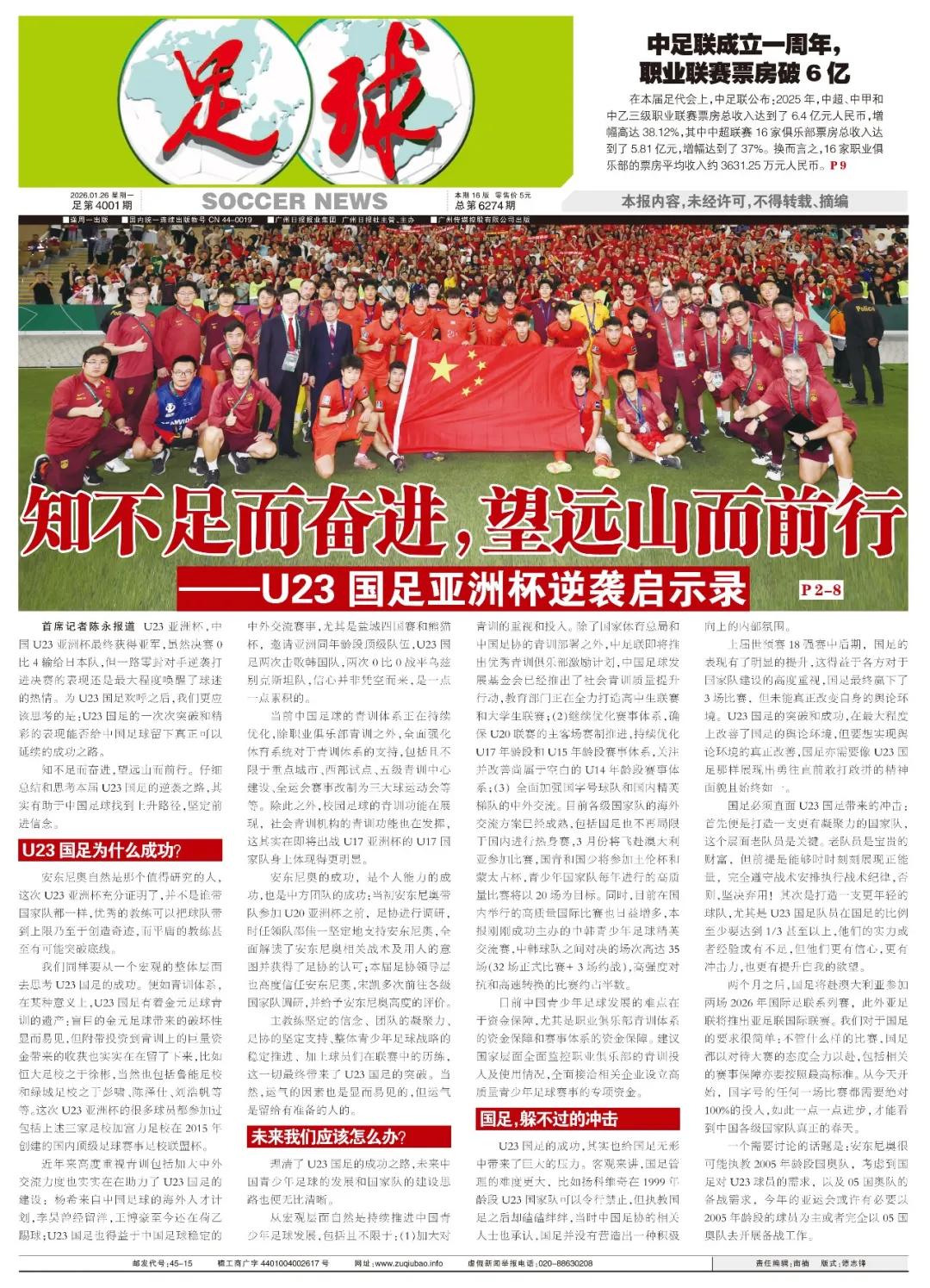
U23 Chinese National Team’s Asian Cup Comeback Revelation: Acknowledging Weaknesses and Moving Forward with Vision



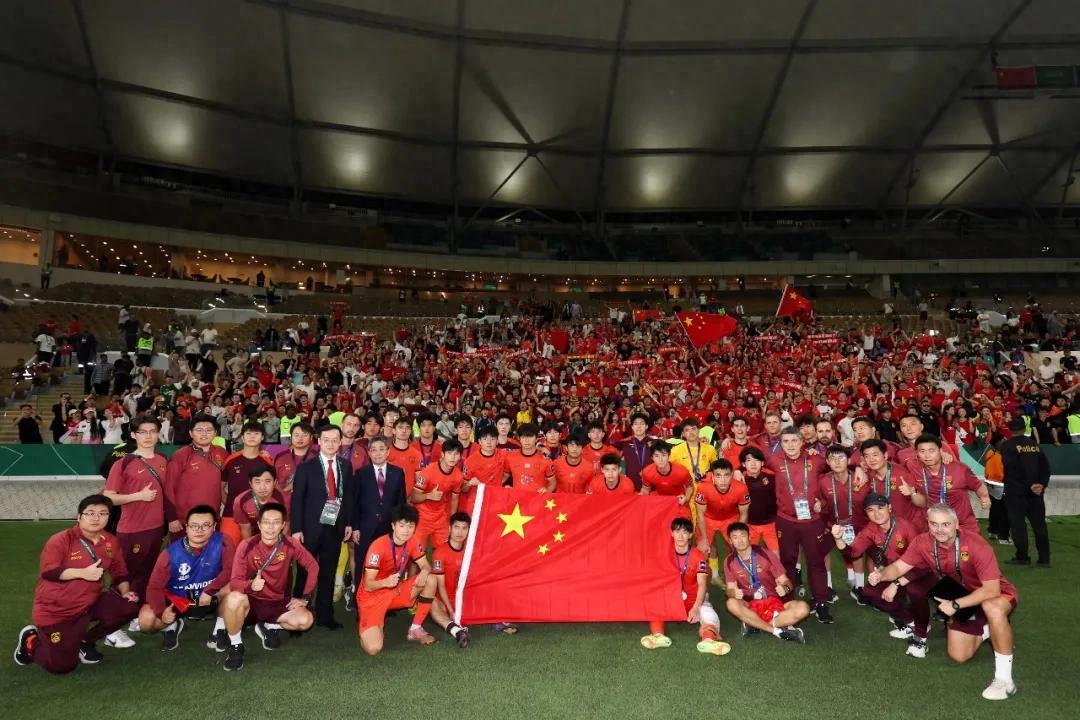
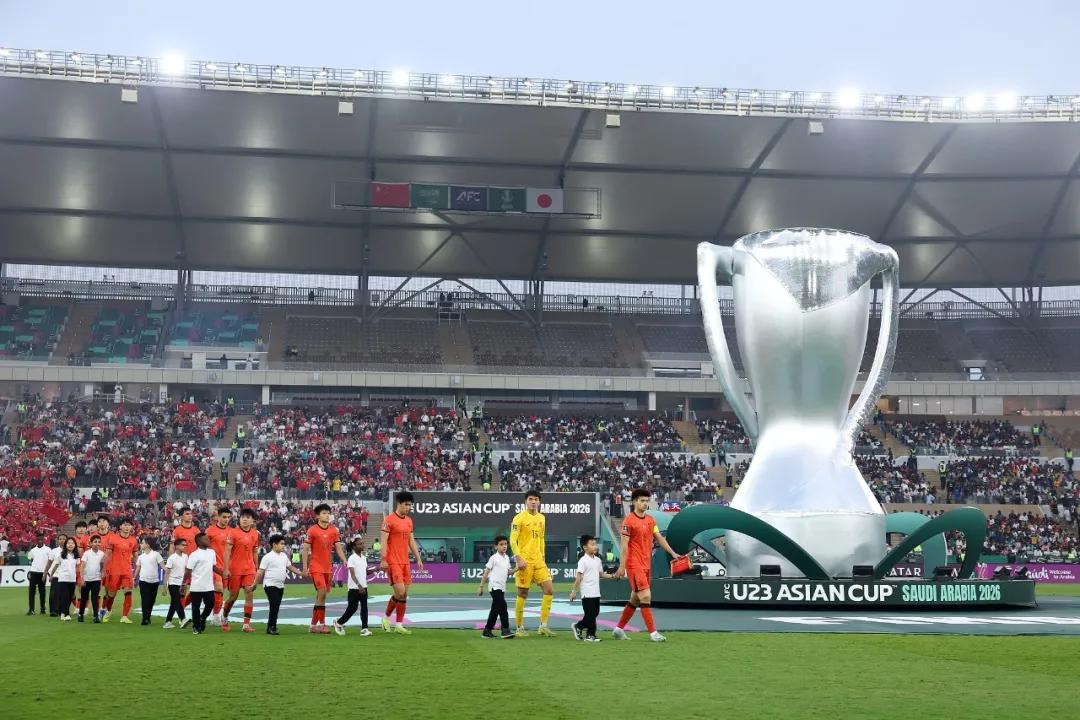
Chief reporter Chen Yong reports In the U23 Asian Cup, China’s U23 team ended up as the runner-up. Despite a 0-4 defeat to Japan in the final, their journey—starting as a fourth-tier team and shutting out opponents en route to the final—significantly revived the passion of the supporters. After cheering for the U23 team, what we should consider more is whether these breakthroughs and brilliant performances can leave a truly sustainable path for Chinese football.
Recognizing shortcomings and striving forward with distant goals. Carefully summarizing and reflecting on the U23 team’s comeback journey this tournament actually helps Chinese football find a path upward and strengthens its resolve to move ahead.

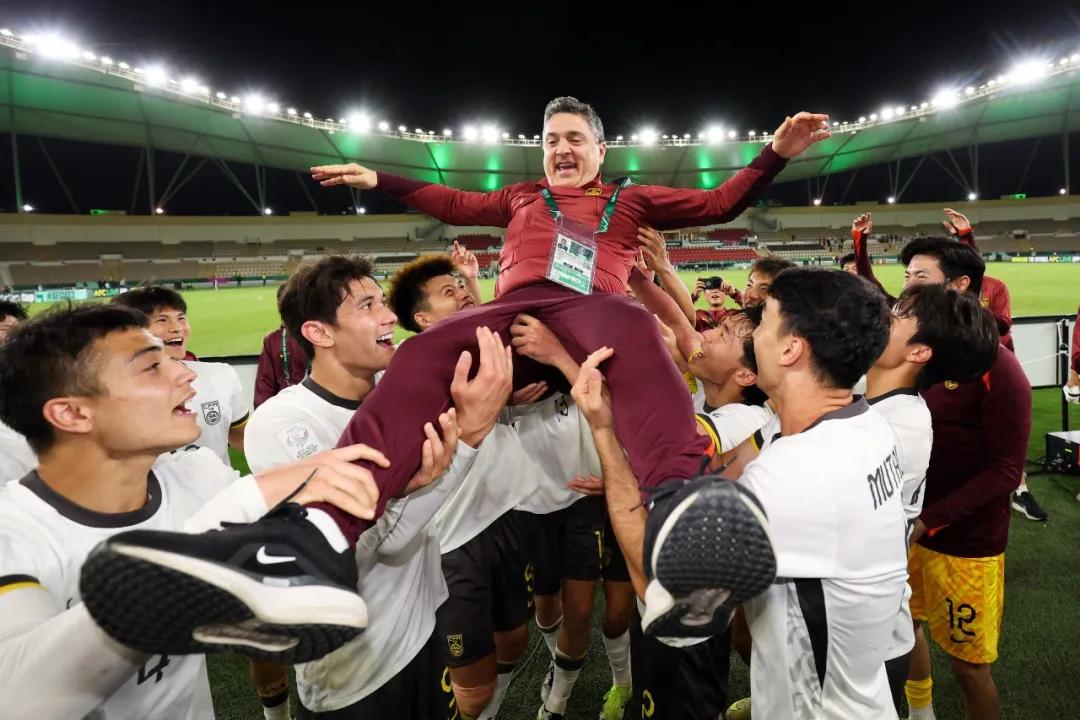
Antonio is naturally the person worth studying. This U23 Asian Cup fully demonstrated that not all national team coaches are the same. A great coach can push the team to its limits and even create miracles, while a mediocre coach might even drag the team below the baseline.
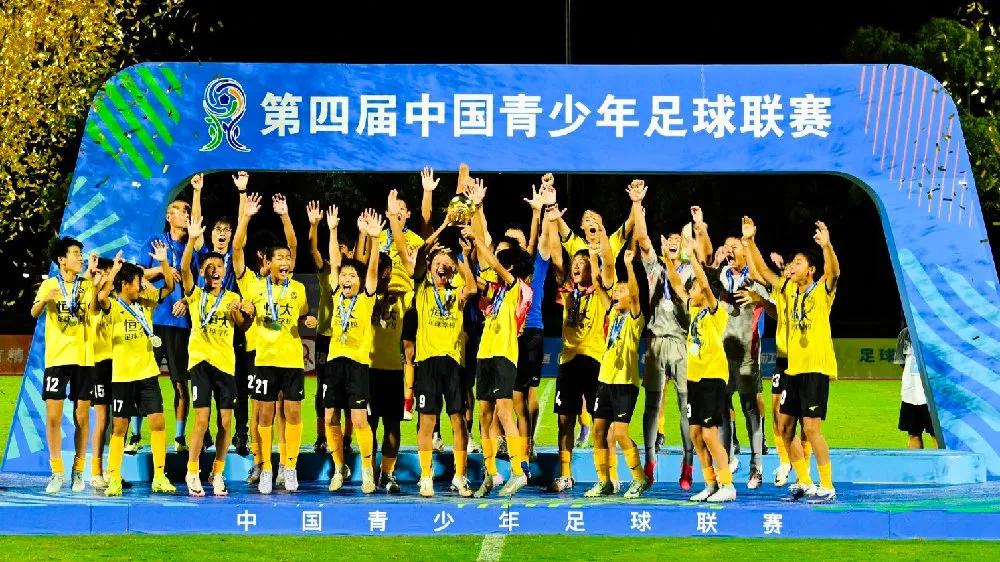
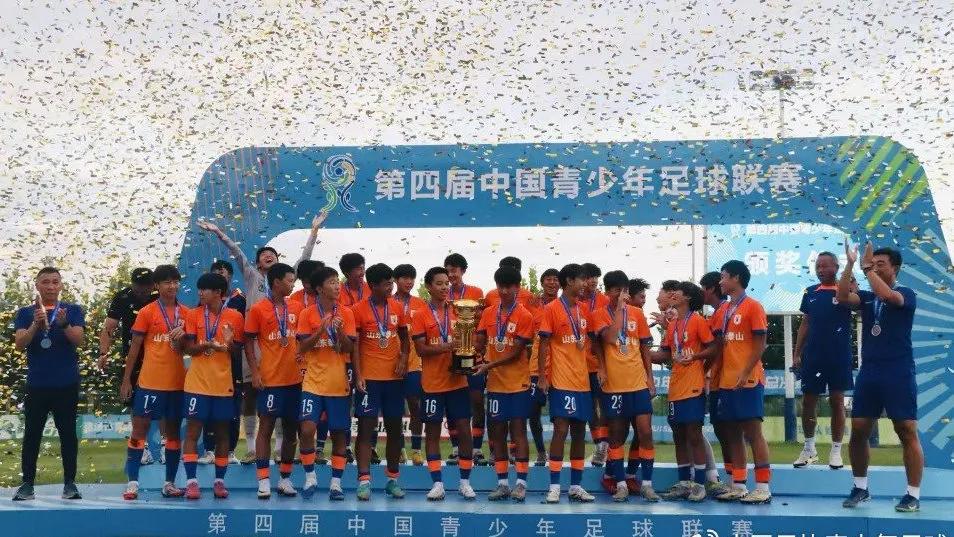
We also need to consider the success of the U23 team from a broader perspective. Similar to the youth training system, in a way, the U23 team inherits the legacy of the cash-fueled football youth training: the destructive effects of blind financial investment are obvious, but the substantial funding poured into youth training has also yielded real results, such as Evergrande Football School’s contribution to Xu Bin, and likewise Luneng and Greentown football schools’ impact on players like Peng Xiao, Chen Zeshi, Liu Haofan, and others. Many players in this U23 Asian Cup participated in top domestic youth school competitions like the Youth School Alliance Cup founded in 2015, involving these schools plus R&F Football School.
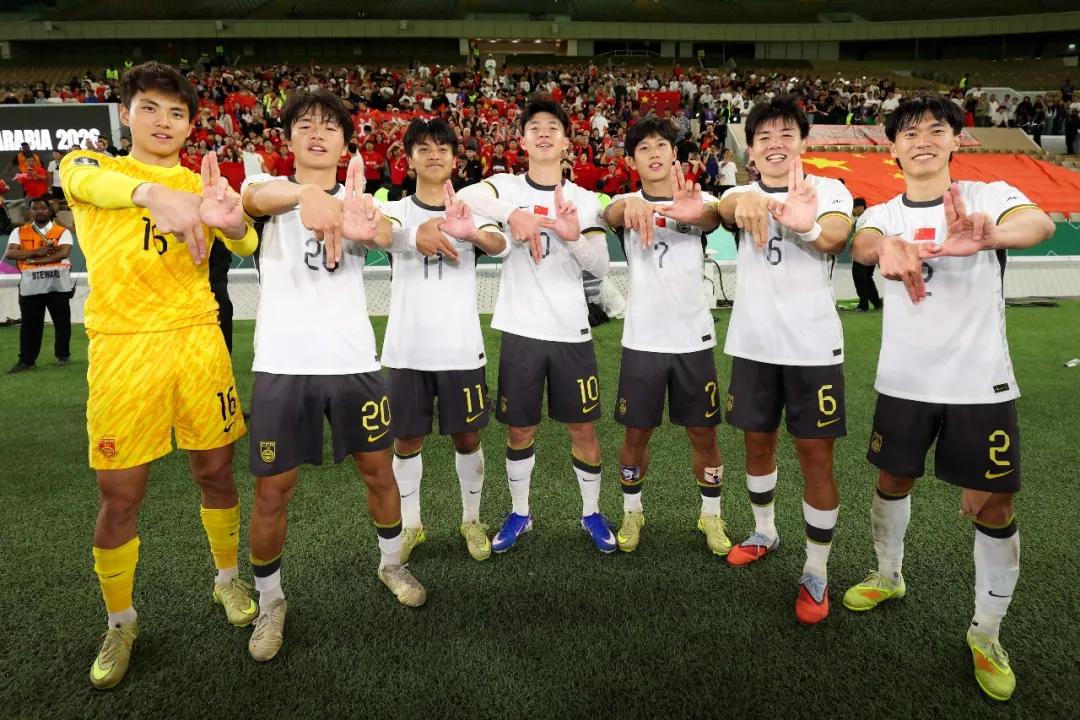
In recent years, the strong emphasis on youth training and increased international exchanges have genuinely supported the U23 team’s development: Yang Xi from China’s overseas football talent program, Li Hao who once played abroad, Wang Bohao still competing in the Dutch second division; the U23 team has also benefited from stable international youth competitions such as the Yancheng Four Nations Tournament and the Panda Cup, inviting top Asian teams of the same age group. The U23 team defeated South Korea twice and drew Uzbekistan twice 0-0—this confidence was built gradually, not out of thin air.
China’s youth training system is continuously being optimized. Beyond professional club youth setups, there is comprehensive strengthening of the sports system’s support for youth training, including but not limited to focus on key cities, pilot projects in the west, construction of five-level youth training centers, and reforming the National Games into major ball sports events. Moreover, school football’s youth training role is becoming more apparent, as is the role of social youth training institutions, which is even more evident in the U17 national team preparing for the upcoming U17 Asian Cup.
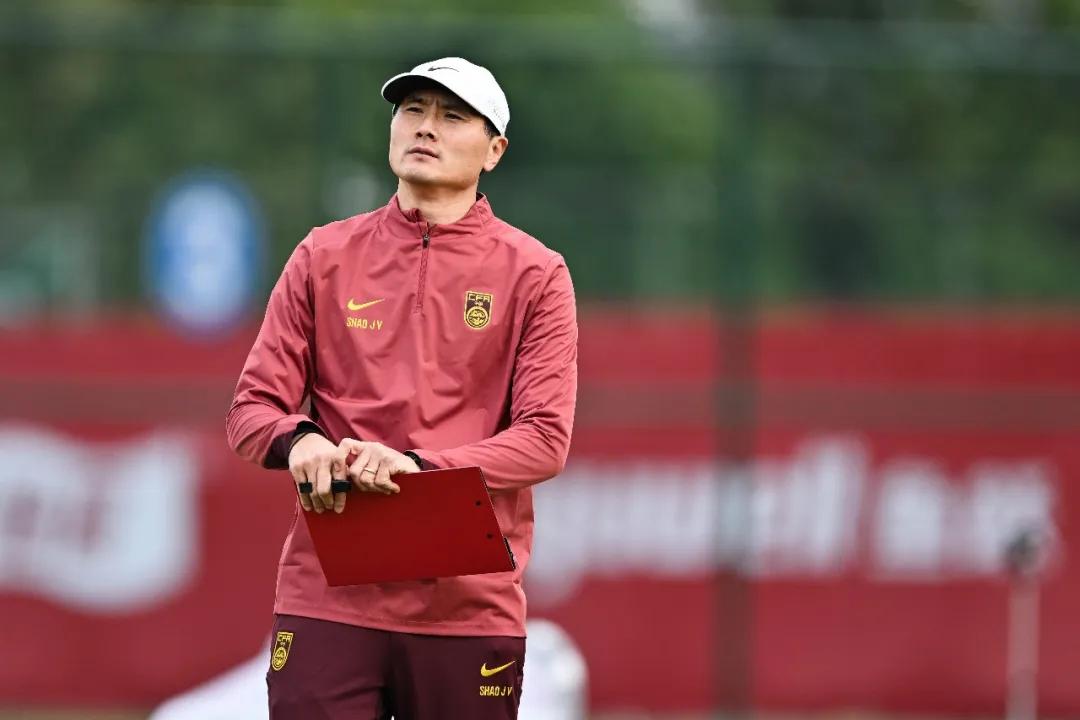
Antonio’s success is both a personal achievement and a triumph of the Chinese team effort: before leading the team in the U20 Asian Cup, the Football Association conducted research, and then-leader Shao Jiayi firmly supported Antonio, thoroughly interpreting his tactics and personnel choices, gaining the FA’s approval; the current FA leadership also highly trusts Antonio, with Song Kai frequently visiting national teams at all levels and giving him high praise.
The head coach’s firm belief, team cohesion, the FA’s solid backing, steady advancement of the overall youth football strategy, combined with players’ league experience—all these factors ultimately led to the U23 team’s breakthrough. Of course, luck also played a visible part, but luck favors those who are prepared.

Once the U23 team’s path to success is clear, the future development of Chinese youth football and national team construction becomes equally clear.
From a macro perspective, it naturally involves continuously promoting Chinese youth football development, including but not limited to:
(1) Increasing emphasis and investment in youth training. Besides the youth training plans of the General Administration of Sport and the Chinese Football Association, the Chinese Football League will soon launch an incentive program for outstanding youth training clubs; the China Football Development Foundation has initiated a social youth training quality improvement campaign; the education sector is fully committed to building high school and university leagues;
(2) Continuing to optimize the competition system, ensuring the home-and-away format for the U20 league, further refining the U17 and U15 age group competition structures, and addressing the currently blank U14 age group competition system;
(3) Fully strengthening international exchanges for national teams and elite domestic youth squads. Currently, overseas exchange programs for all national team levels are mature, including the senior team no longer limiting itself to domestic friendlies, with plans to compete in Australia in March; the U20 and U17 teams will participate in the Toulon and Montaigu Cups; youth national teams aim for 20 high-quality matches annually.
At the same time, high-quality international matches held domestically are increasing. Our newspaper recently successfully hosted the China-Korea Youth Football Elite Exchange, where the two countries’ teams faced off 35 times (32 official matches + 3 friendlies), with about half featuring intense confrontations and fast transitions.
Currently, a major challenge in Chinese youth football development is funding security, especially for professional club youth systems and competition systems. It is recommended that the national level comprehensively monitor youth training investment and usage by professional clubs, and fully engage relevant enterprises to establish dedicated funds for high-quality youth football competitions.

The U23 team’s success has also indirectly placed enormous pressure on the senior national team. Objectively, managing the senior team is more difficult. For example, Jankovic could enforce discipline strictly with the 1999 U23 squad, but struggled after taking over the senior team. At that time, FA officials admitted the senior team had not fostered a positive internal atmosphere.
In the latter stages of the last World Cup qualifying round of 18 teams, the senior team’s performance noticeably improved thanks to widespread focus on national team building. The senior team won three matches but failed to truly change its public opinion environment. The U23 team’s breakthrough and success greatly improved the senior team’s public perception, yet to achieve genuine improvement, the senior team must also consistently demonstrate the courageous, fighting spirit the U23 team showed.
The senior team must face the impact brought by the U23 team: first, to build a more cohesive national squad, where veteran players are key. Veterans are valuable assets, provided they consistently show positive energy and fully comply with tactical plans and discipline; otherwise, they must be decisively excluded!
Second, to develop a younger team, especially ensuring that at least one-third or more of the senior team consists of U23 players. Though their strength or experience may be lacking, they have greater confidence, drive, and desire to improve.
In two months, the senior team will travel to Australia for two matches in the 2026 International Football Series. Additionally, the AFC will launch the AFC International League. Our demand for the senior team is simple: regardless of the competition, they must give their all as if it were a major tournament, and related event support must meet the highest standards. From now on, every match at any national team level requires 100% commitment. Progress made step by step will bring the true springtime for all Chinese national teams.
One topic for discussion is that Antonio is likely to coach the 2005-age group Olympic team. Considering the senior team’s demand for U23 players and the 2005 Olympic team’s preparation needs, it might be necessary to base the Asian Games squad mainly or entirely on the 2005 Olympic team players this year.


Wonderfulshortvideo
The footwork, the finish 🤌


Did you get it? 🤔😅
The Wirtz x Sané link-up 🔗
Haaland’s movement 🥵
Which counterattack is
“afcon funny moments”
🤤🤤
 Links
Links
 Contact
Address:UNIT 1804 SOUTH BANK TOWER, 55 UPPER GROUND,LONDON ENGLAND SE1 9E
Number:+85259695367
E-mali:[email protected]
 App
App


