



Trubin: A goalkeeper who "dislikes running," immortalized by a winning header



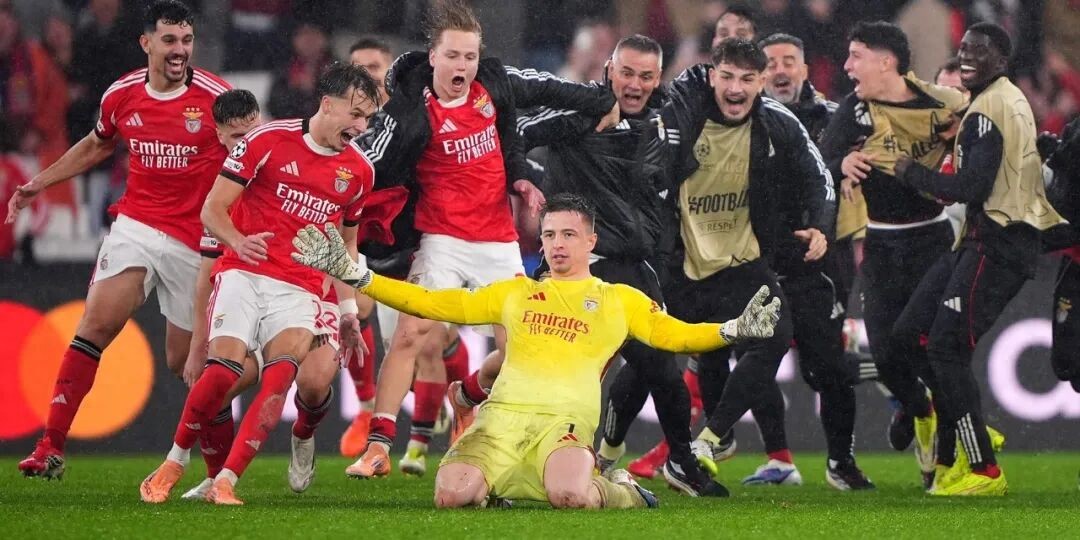
Written by Han Bing On the final day of the Champions League, Benfica’s 24-year-old goalkeeper Trubin rose to fame overnight. In the 98th minute, his last-gasp goal secured Benfica’s comeback from elimination to qualify for the Champions League playoffs. This moment is worthy of Champions League history and represents the pinnacle of Trubin’s career.
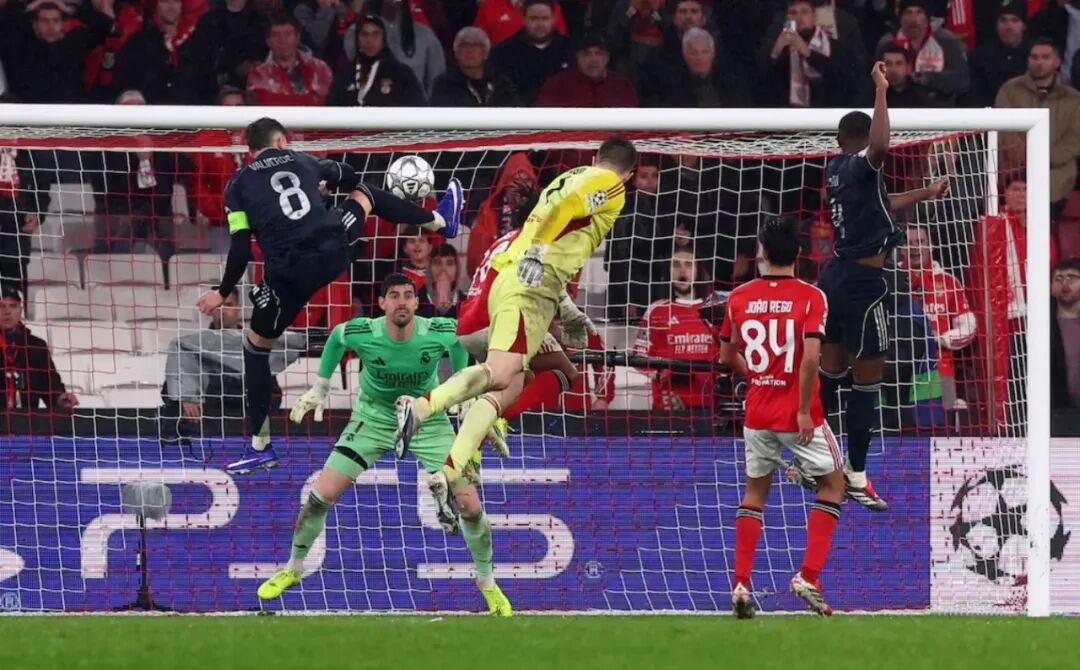
Trubin is the fifth goalkeeper to score in Champions League history. Germany’s Butt holds the record with three goals, all penalties like Nigeria’s Enyama. Borat (Turkey) and Provedel (Italy), like Trubin, scored headers in stoppage time, but all previous six goalkeeper goals happened in group stages, unlike Trubin’s crucial strike. Additionally, he is the first goalkeeper to score against Real Madrid in European competition.
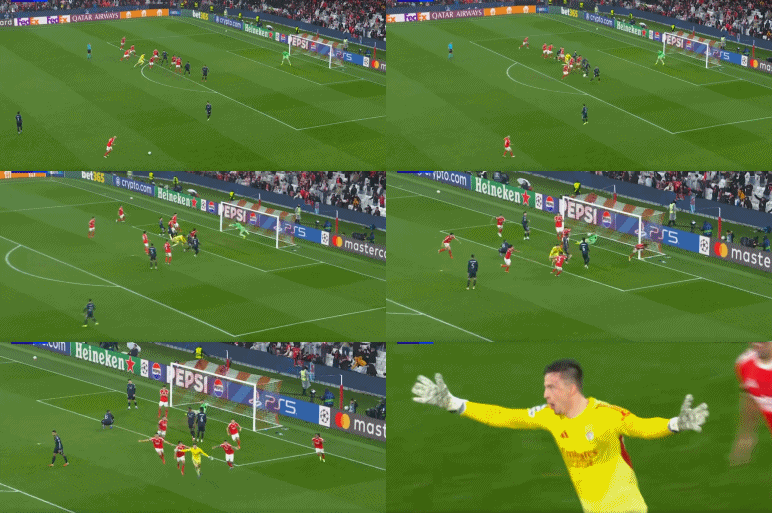
However, this winning goal almost did not happen — Benfica’s coach Mourinho admitted after the match that the substitutions of Ivanović and Silva at the 93rd minute were defensive. The coaching staff believed 3-2 was enough to reach the playoffs, but they soon learned one more goal was needed to knock Marseille out. “I had used all my substitutions, fortunately we got a free kick, so I let the goalkeeper try.”
Trubin revealed after the game that he didn’t know what to do at the time. “Every teammate told me to go up. I glanced at the coach, and he told me to go. I entered the box, and the ball went in. It was my first goal.” Mourinho had anticipated this, saying, “I knew he could do it. Two weeks ago in the cup against Porto, he almost scored.”
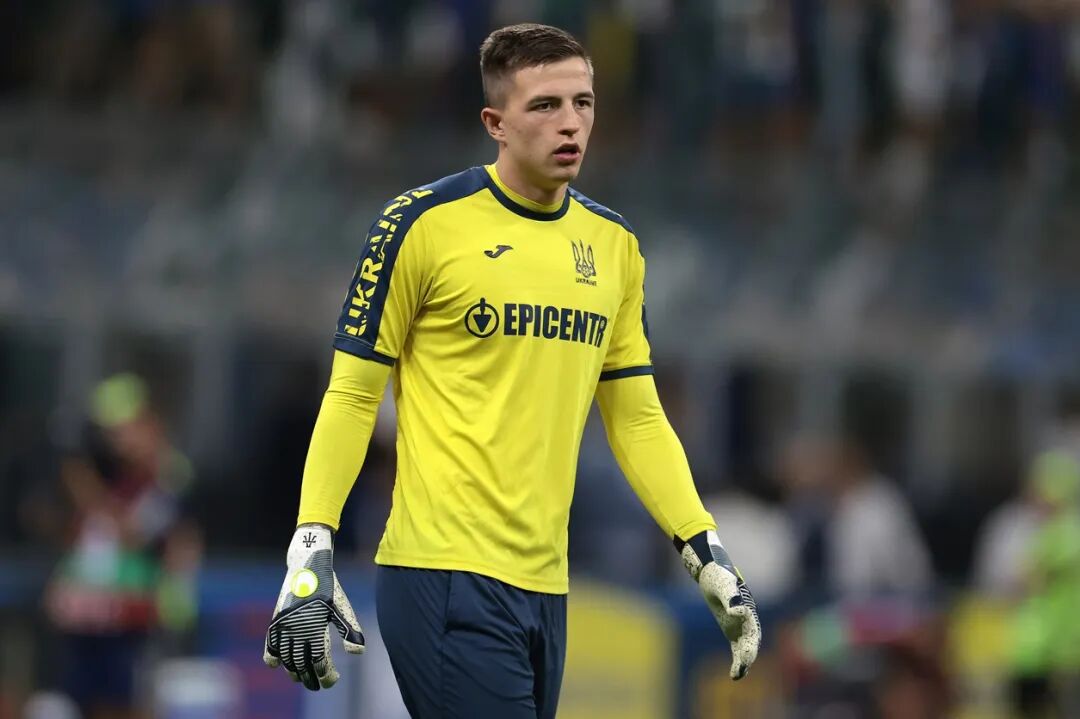
The 24-year-old Trubin was born in Mariupol, Ukraine. As a child, he loved football but disliked running, which led him to become a goalkeeper. At 13, he joined Shakhtar Donetsk’s youth academy, made his first-team debut at 18, and played in the Champions League at 19. In March 2021, at 19 years and 242 days old, Trubin became Ukraine’s youngest goalkeeper in an official match, breaking a 25-year record held by Shovkovskiy (19 years and 315 days).
As one of Europe’s most promising young goalkeepers in recent years, Trubin was eager to prove himself in Western Europe’s top leagues. Yet he remained grateful to Shakhtar, helping the club secure a €12 million transfer fee plus 40% of any future transfer when his contract had only six months left in 2023.
Though young, Trubin excels technically with his feet and has strong mental resilience. At Benfica, he quickly adapted to modern tactics where he initiates attacks with his passing. In November last year, he married his model girlfriend Marina Galagan, whom he had dated for six years. They rent a villa in Lisbon, and Marina is preparing to open a beauty salon.
Trubin has never hidden his ambition to play in the Premier League. This Champions League stoppage-time winner made him famous overnight and will surely attract interest from bigger clubs. Last summer, Benfica rejected a €30 million offer, demanding €100 million instead!
Many goalkeepers have scored worldwide, but few have decided the fate of major matches. In December 1997, Lehmann headed a stoppage-time equalizer for Schalke in the Ruhr derby against Dortmund. The Ruhr derby is renowned in Germany and Europe, so the goal’s significance was immense.
In the 2005/06 Libertadores Round of 16 second leg, Sene scored a decisive penalty in the 86th minute under immense pressure, helping São Paulo eliminate their city rivals Palmeiras and advance.
In the 2006/07 UEFA Cup Round of 16 second leg, Elano’s 83rd-minute goal put Shakhtar Donetsk ahead 4-3 on aggregate, and Ukrainian fans thought victory was certain. But in the 4th minute of stoppage time, Alves’ corner led to Sevilla goalkeeper Palop’s equalizing header. In extra time, Chevantón scored, sending Sevilla to the quarterfinals. Sevilla went on to win the tournament that season.
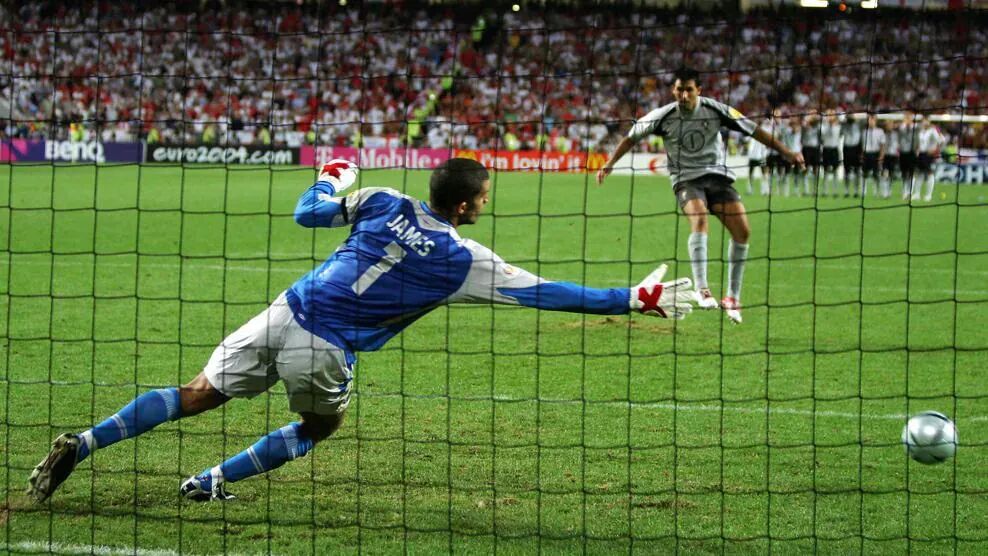
The most significant goalkeeper goal in major tournaments is probably from the 2004 European Championship quarterfinal penalty shootout between Portugal and England. In the 7th round, Portugal’s goalkeeper Ricardo took off his gloves and saved Vassell’s penalty with bare hands, then scored the winning penalty himself to send Portugal to the semifinals. Although crucial, penalty shootout goals lack some of the excitement of open-play goals.


Wonderfulshortvideo
The footwork, the finish 🤌


Did you get it? 🤔😅
The Wirtz x Sané link-up 🔗
Haaland’s movement 🥵
Which counterattack is
When you use your girlfriends shower 🚿 @Emily Bourne @LUSH
🤤🤤
 Links
Links
 Contact
Address:UNIT 1804 SOUTH BANK TOWER, 55 UPPER GROUND,LONDON ENGLAND SE1 9E
Number:+85259695367
E-mali:[email protected]
 App
App


