



Malaysian Boss: 'Submit All Evidence of Fraud to the Authorities'



Amid the controversy over naturalization in Malaysia, Tunku Ismail, the Regent of Johor, unexpectedly spoke out on the hot issues in the country's football.
As disputes increasingly swirl around issues in Malaysian football, the owner of Johor Darul Ta’zim (JDT) FC, Regent of Johor Tunku Ismail, delivered a firm message, emphasizing the need for transparency and evidence-based action. According to sources from MakanBola, he stated that all serious allegations must be addressed with clear facts rather than speculative public sentiment.
This response came after Youth Football Malaysia highlighted a series of existing problems in the country's football, from infrastructure and facilities to the youth development system, which are still in the process of improvement. However, the organization pointed out that the biggest challenges lie in fraudulent practices within the system, including documentation, refereeing, league management, and player contracts.
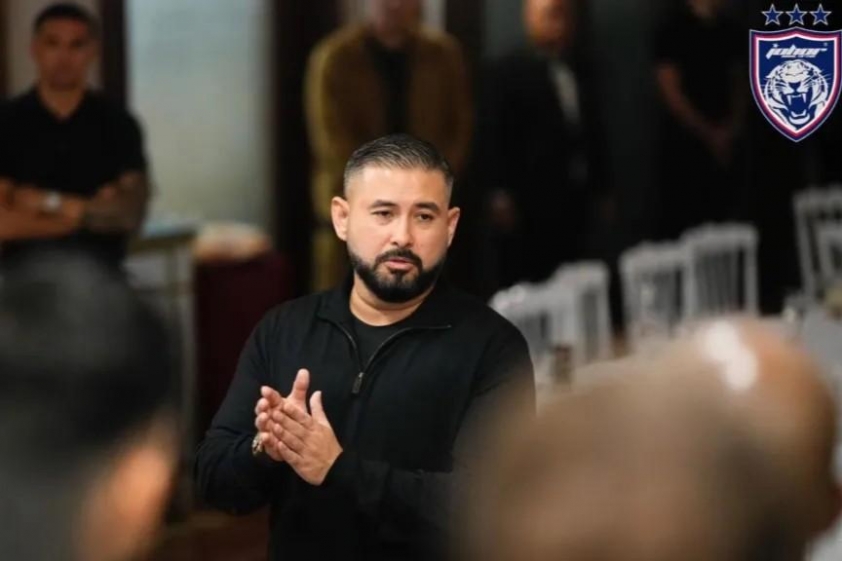
In light of these assessments, Tunku Ismail asserted that the only approach is to gather evidence and hand it over to the competent authorities. He emphasized: “It is crucial that we utilize all available evidence and facts, then submit them to the relevant government agencies for investigation and legal action.” According to him, only a formal investigative process can safeguard the integrity of the nation's football.
Going beyond general appeals, this leader also urged the football community to take collective action instead of arguing on social media. He stressed: “This is not just theory. Let's work together to gather all evidence for the sake of our national football.” This message is seen as a call for unity to clean up the environment of Malaysian football during a sensitive period.
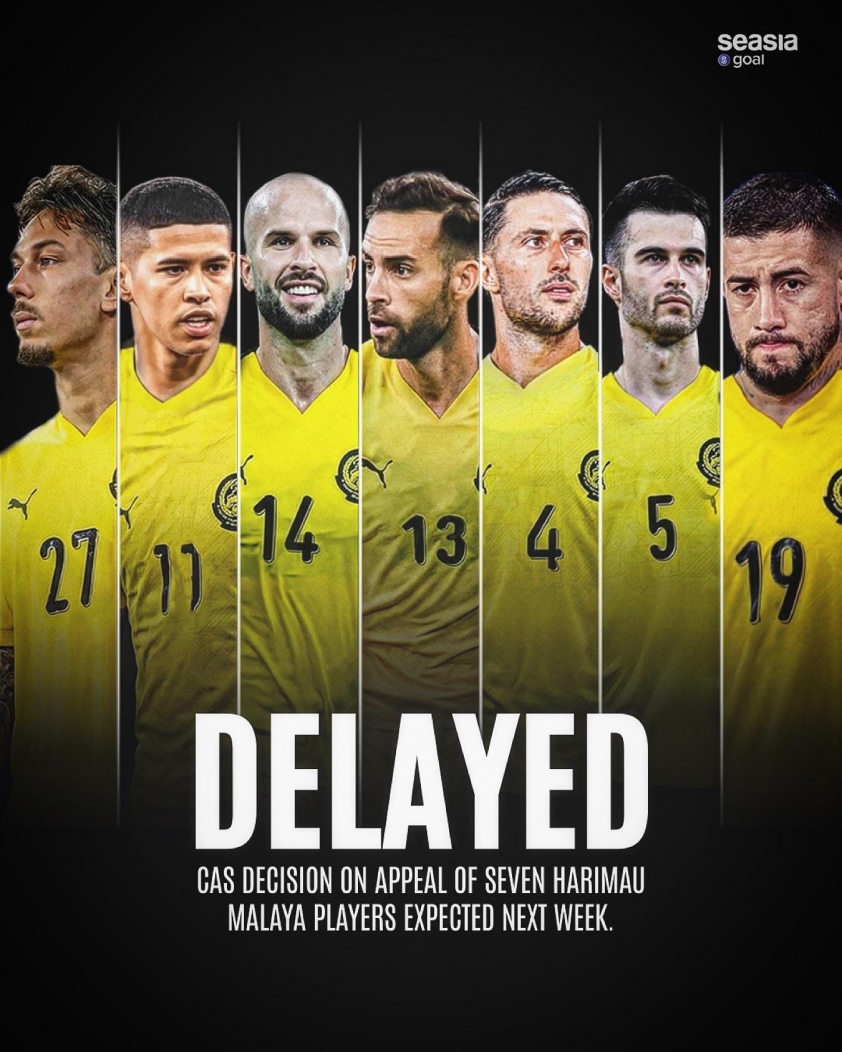
In this context, the appeal concerning the naturalized Malaysian players at the Court of Arbitration for Sport (CAS) continues to attract significant attention. Although the hearing has concluded, the panel decided it needed more time to review the case files, pushing the announcement of the verdict to next week instead of the initially scheduled date.
The case stems from the 12-month suspension that FIFA imposed on seven naturalized players for violating eligibility regulations. The Football Association of Malaysia (FAM) filed an appeal hoping to reverse the situation, as these players are considered key assets for the national team in upcoming campaigns.
In closing, Tunku Ismail's message extends beyond the naturalization issue, addressing the broader landscape of Malaysian football, where transparency, accountability, and evidence-based action are viewed as the foundation for restoring trust and building a sustainable ecosystem for the future.



 Links
Links
 Contact
Address:UNIT 1804 SOUTH BANK TOWER, 55 UPPER GROUND,LONDON ENGLAND SE1 9E
Number:+85259695367
E-mali:[email protected]
 App
App


