



British media overwhelmed by the largest stadium project on the planet in Vietnam



British media expressed astonishment at the Trống Đồng stadium project in Hanoi, with a capacity of 135,000 seats and an investment of 28 billion Pounds, promising to become the world's largest football stadium.
The renowned British sports outlet SportBible published an article stating that the Trống Đồng stadium in Hanoi is nearing completion, simultaneously making a strong impression due to its massive scale and grand design.
According to released information, this stadium is the central component of the Olympic Sports City mega-project in the capital Hanoi. The total investment for the entire complex amounts to approximately 28 billion British Pounds, while the stadium alone is designed to accommodate 135,000 spectators, far surpassing many famous stadiums worldwide.
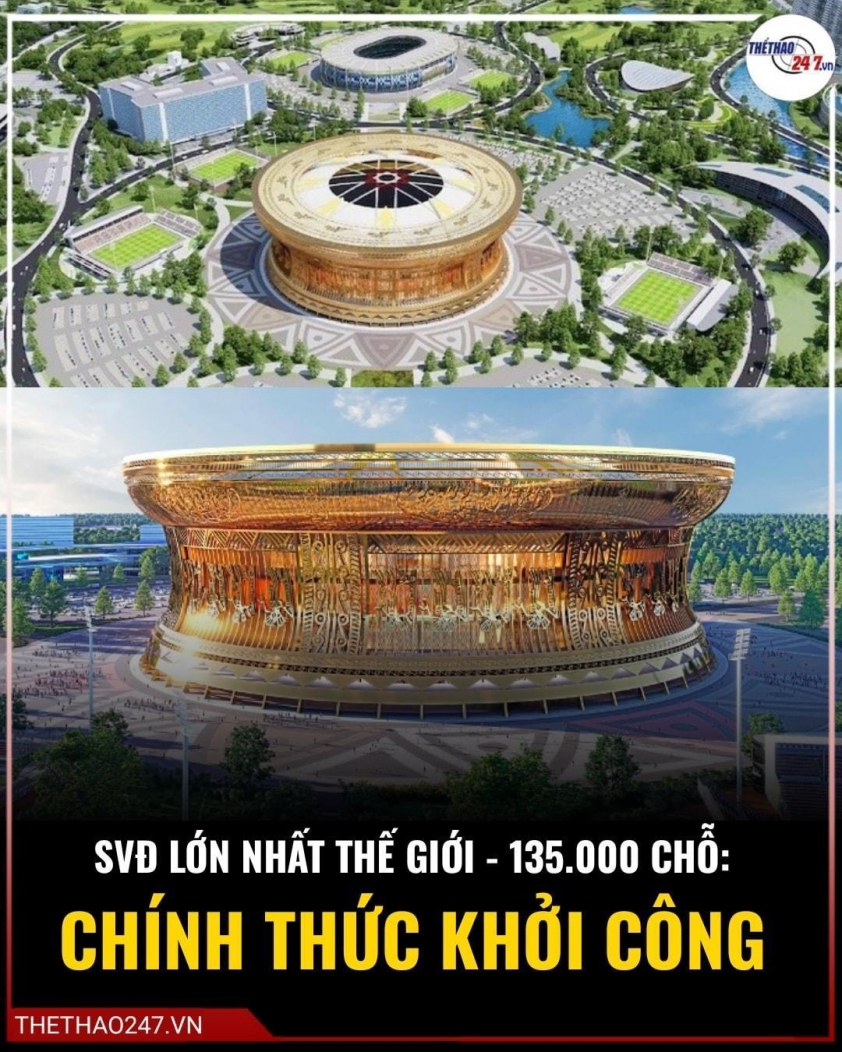
The structure is projected for completion in August 2028, with the entire Olympic Sports City complex expected to be finished by 2035. Besides the stadium, the project includes a modern transportation system and numerous other large-scale sports facilities.
SportBible wrote: "The project organizers have referenced numerous global iconic structures such as Wembley (UK), Beijing's National Stadium 'Bird's Nest' (China), and Lusail (Qatar). These stadiums have helped elevate their nations' status on the global sports map, and Vietnam hopes to achieve a similar effect.
A distinctive feature of the Trống Đồng stadium is its design, inspired by the Đông Sơn bronze drum, a famous symbol of ancient Vietnamese civilization. This imagery represents community spirit, strength, and the enduring nature of the nation.
Beyond architectural elements, the project developers also emphasize the use of environmentally friendly materials and energy-saving solutions. The stadium is anticipated to become a venue for large-scale sports, cultural, and political events, while also contributing to enhancing Vietnam's international image."
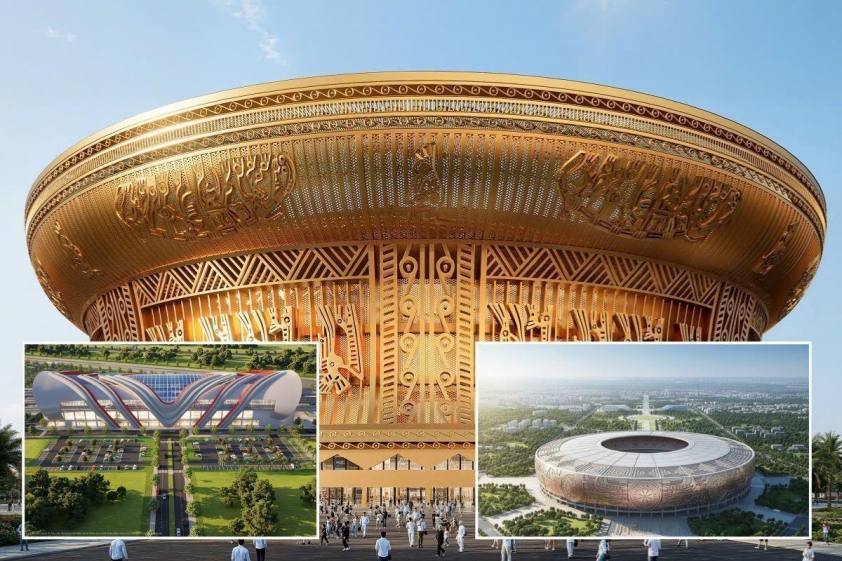
According to information from the project's website, the construction of large-scale, internationally standard sports facilities is becoming an urgent need as Vietnam seeks deeper involvement in regional and global sporting events.
In the long-term vision, the Trống Đồng stadium is not only intended for football but is also hoped to establish a foundation for Vietnam to bid for major events like the FIFA World Cup or the Olympic Games.
Developers believe that constructing a stadium with a scale and quality comparable to global sports architectural icons will be a crucial step in upgrading national infrastructure, simultaneously helping Vietnam assert its position on the world sports map.



 Links
Links
 Contact
Address:UNIT 1804 SOUTH BANK TOWER, 55 UPPER GROUND,LONDON ENGLAND SE1 9E
Number:+85259695367
E-mali:[email protected]
 App
App


