



Manchester United's 39-day talent in two matches, Carrick urges players to reflect! Playing 10 fewer games and with an extra man, yet outrun by Newcastle.



Manchester United lost 1-2 away to a Newcastle United side that played with ten men on Wednesday. If anyone tries to excuse this defeat by citing "two matches in a week," then the Magpies have every right to scoff, as they are the ones with the more congested schedule.
Three days earlier, United did have a match, but they only faced a Crystal Palace side that was down to ten men. However, the schedule shows that Newcastle have played 29 matches since the November international break, with their longest break between games being just six days. In contrast, United have played 10 fewer games in the same period, with their longest break stretching to 13 days!
Thus, some have found another excuse: too long a break between games is detrimental to maintaining form. But this holds no water—you cannot expect to have every advantage. The last time United played every three days did not yield ideal results either. That was after defeating a ten-man Tottenham, when they relied on a stoppage-time goal from Šeško to snatch a 1-1 draw away at West Ham United.
A less congested schedule is beneficial for a new manager like Carrick, who needs training time to impart his tactical ideas. Players have more time on the training ground to rehearse patterns, make targeted preparations, and recover after sessions. While such gaps can pose challenges for maintaining match sharpness—and a sudden return to a busy fixture list might lead to adjustment issues—compared to playing every three days, they should at least not fall behind their opponents in terms of fitness and attitude.
Especially against Newcastle, the Magpies were reduced to ten men just before halftime, yet they never lost their grip on the game and even secured a late winner through Danish youngster Will Osula—who once won a skills challenge at Manchester United's football school at age 11—with a long solo run, defeating the Red Devils 2-1.
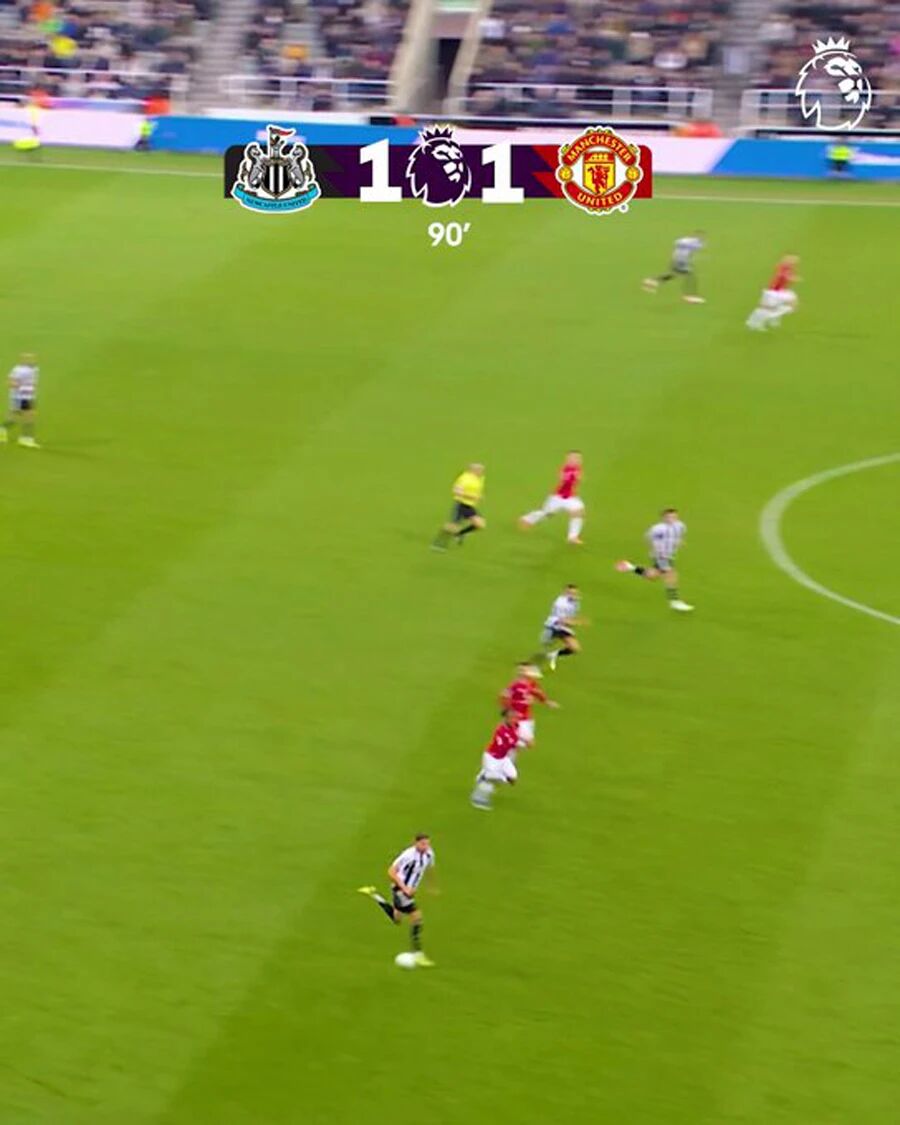
Eddie Howe's Newcastle appeared faster, sharper, and more determined to win almost from the start, not losing their rhythm after Jacob Ramsey's controversial red card, and still launching a strong counterattack to win in the 90th minute. In contrast, United continued the issues seen in recent matches: unconvincing performances, and this time without a savior like Šeško or Bruno Fernandes to rescue them.
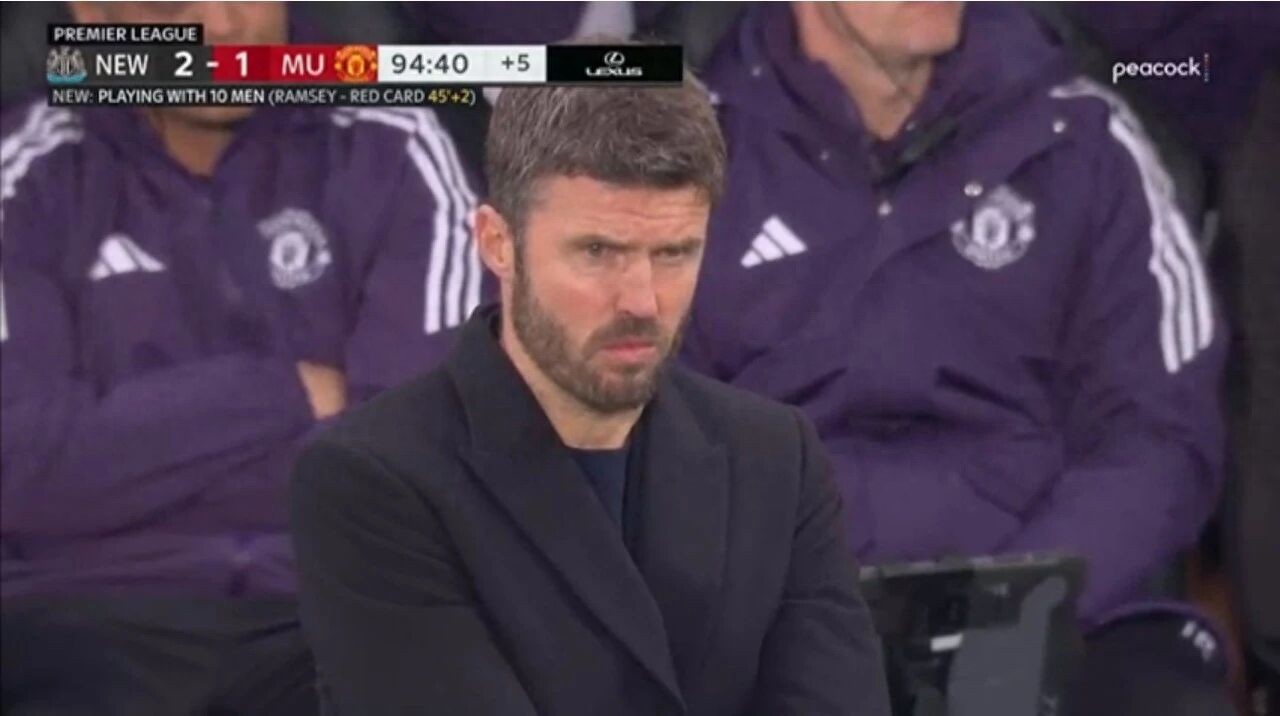
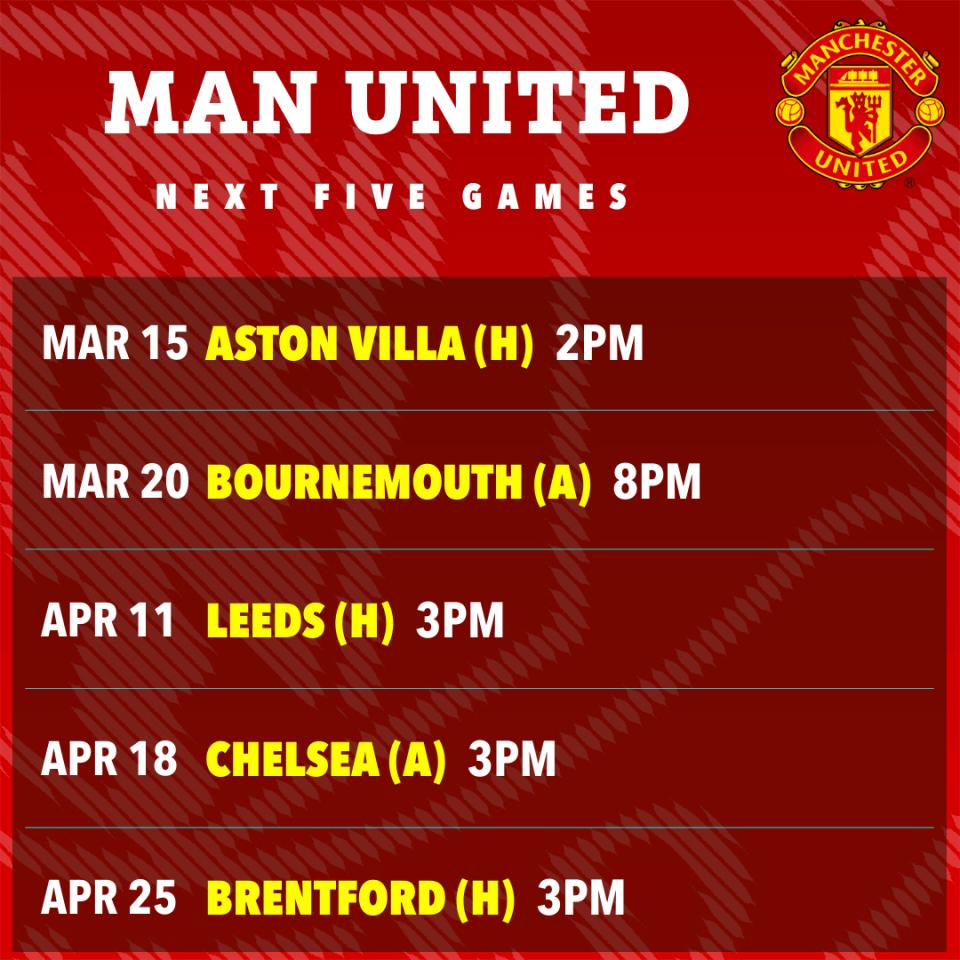
Carrick was furious after the match and publicly called on United's players to reflect. For the remainder of the season, United still have many "gaps" in their schedule. Their next match is not until 10 days later, on March 15, when they will host Aston Villa at Old Trafford.
After the match against Bournemouth on March 20, the international break will arrive, and United will then face a wait of up to 24 days before their next game against Leeds United. This Roses Derby has been postponed by two days and will now be played on April 13.
United regrouped at Carrington on Thursday, with Carrick issuing a rallying cry, urging the team to learn from the defeat to Newcastle and be more assertive against Unai Emery's Villa. "We must make full use of this break and turn it to our advantage," Carrick said. "It's meaningless if we don't draw lessons from it, if we don't reflect on why the match turned out as it did and how we lost. We must learn from this, we will analyze it thoroughly, and take lessons from the defeat."
If United can defeat Villa, the loss to Newcastle could become a valuable experience on the path forward. But if problems arise again against Villa, the season's prospects may face further turbulence. Carrick said: "That will be an important match, a crucial week for us, and the whole team is really looking forward to it. We are in this position through our own efforts, and every player has earned their place here on merit—it's genuinely exciting. So, we must approach the next game with a positive mindset and full of anticipation, because our objectives are still very much within reach."



 Links
Links
 Contact
Address:UNIT 1804 SOUTH BANK TOWER, 55 UPPER GROUND,LONDON ENGLAND SE1 9E
Number:+85259695367
E-mali:[email protected]
 App
App


