



Box office revenue remains the main revenue stream for the Chinese Super League.



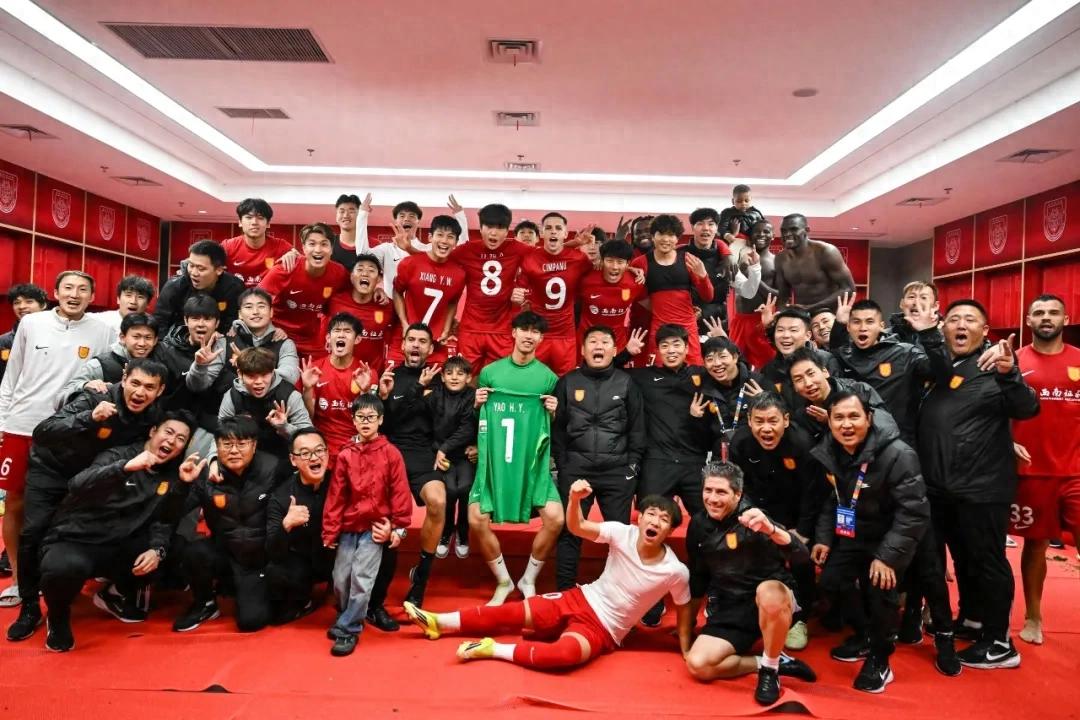
Journalist Chen Yong reports On the 14th, Chongqing Tongliang Long's first CSL win and their temporary rise to the top of the CSL standings that evening brought a temporary conclusion to the ticket price controversy that had been widely debated before the matches. The victory undoubtedly enhanced the value of the match, making it nearly equivalent to the ticket price. For instance, the high-ticket strategy for matches like the Beijing-Shandong clash between Shandong Taishan and Beijing Guoan has been maintained over the years. However, the strong home performance against Guoan over many seasons has left fans feeling the ticket price was worthwhile and even craving more. Controversies over CSL ticket prices are not the first and will not be the last, as the topic of self-generated revenue for Chinese professional league clubs is destined to persist and remains quite weighty.
In the 2025 season, CSL match attendance historically surpassed 6 million for the first time, a 32.54% increase compared to the 2024 season. Correspondingly, the total box office revenue for the 16 CSL clubs reached 5.81 billion yuan, a 37% increase, with two clubs exceeding 1 billion in box office revenue. General predictions suggest that attendance will further rise in the 2026 season, benefiting from the strong market potential of promoted clubs like Chongqing Tongliang Long and Liaoning Tieren. This has been proven, as Chongqing Tongliang Long's first CSL home match attracted 43,423 attendees despite pre-match controversy over high ticket prices.
Behind the fervent match attendance and rising box office revenue lies the still严峻 self-revenue situation of CSL clubs. Currently, apart from investor funding, club revenues generally fall into six categories: box office revenue, league分红, team naming rights, government support funds, sponsorship fees, and merchandise sales. League分红 has improved recently but shows no sign of significant increase; at least for the 2026 season, it likely won't be markedly higher than before. Naming rights prospects are not optimistic: this season, only 4 out of 16 CSL clubs have naming rights—Henan Club Caitaofang, Dalian Yingbo Haifa, Zhejiang Club Greentown, and Liaoning Tieren Nanbowan. Merchandise sales have grown but hardly contribute substantial funds.
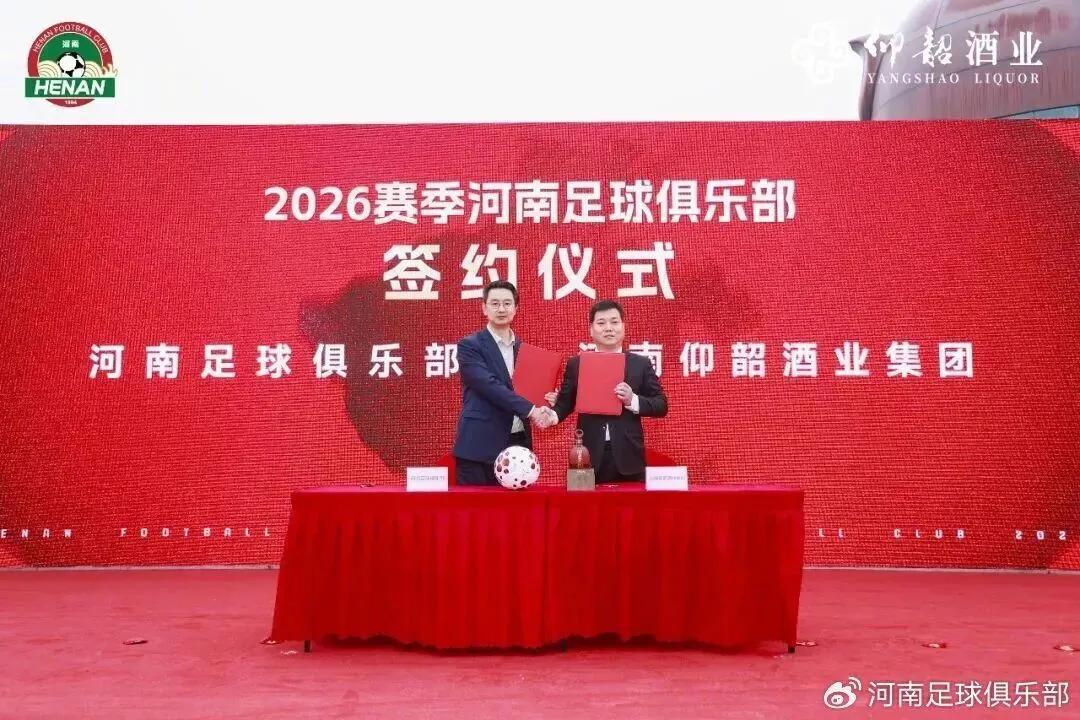
Government support funds are a复杂 issue; theoretically stable, they often face delays due to poor fiscal conditions in some local governments, leading to unpaid salaries in clubs. Sponsorship fees currently split into two: government-coordinated sponsorships, similar to government support funds, appear stable but carry risks; and club commercial development, which overall remains modest, especially amid intense competition in the city league market.
In the current CSL, reduced investor input and rising relegation costs form a new矛盾: in the 2025 season, multiple clubs adjusted coaches, players, and staff mainly to cut expenses. Conversely, the普遍 view is that the relegation funding threshold has risen from around 80 million yuan to over 100 million.
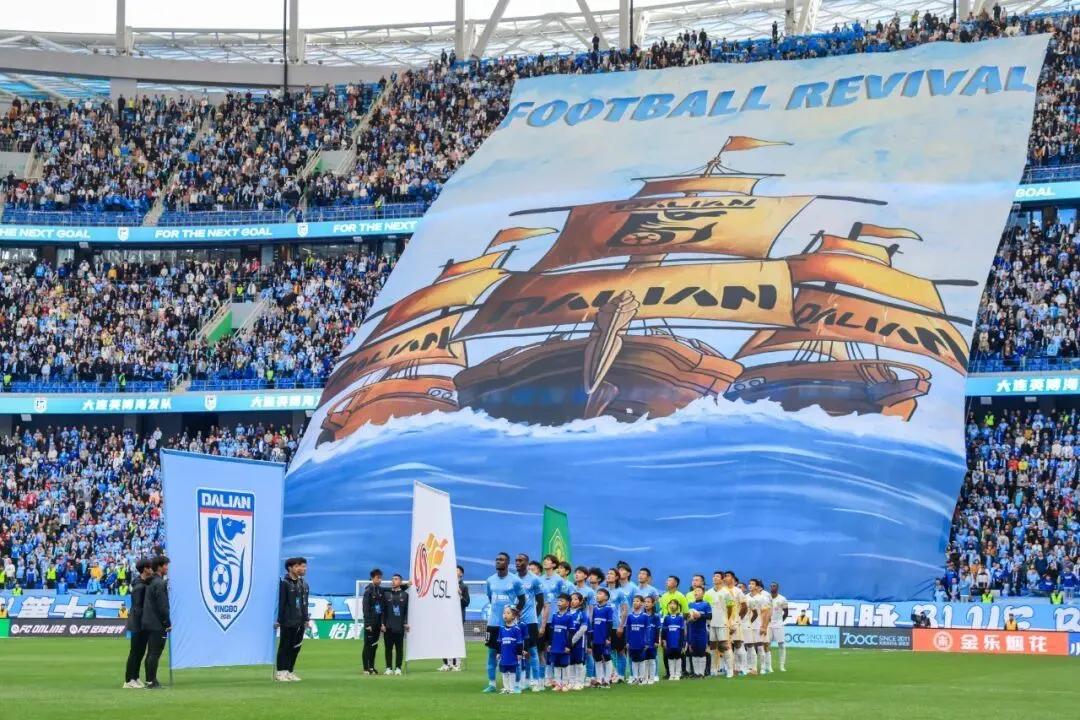
Thus,全力 boosting box office revenue has become the focus for clubs. Recently, various measures have been adopted:强制捆绑 sales (combining热门 matches with adjacent less热门 ones), multi-match优惠联票, group discounts. Some clubs open away-team stands for sale, like Beijing Guoan offering them at market prices beyond equal低价 tickets. Dalian Yingbo Haifa uses relatively lower prices to ensure attendance, yielding considerable box office revenue. Meanwhile, national efforts to develop event economies and relaxed attendance limits provide room for growth.
However, any club raising ticket prices initially faces舆论风险. Shandong Taishan reformed pricing in 2023, categorizing matches into A, B, C tiers based on appeal, with the Beijing-Shandong clash as tier A. Fans mostly accepted this, but争议 arose over other tiers. In past seasons, other clubs also faced criticism over high prices.
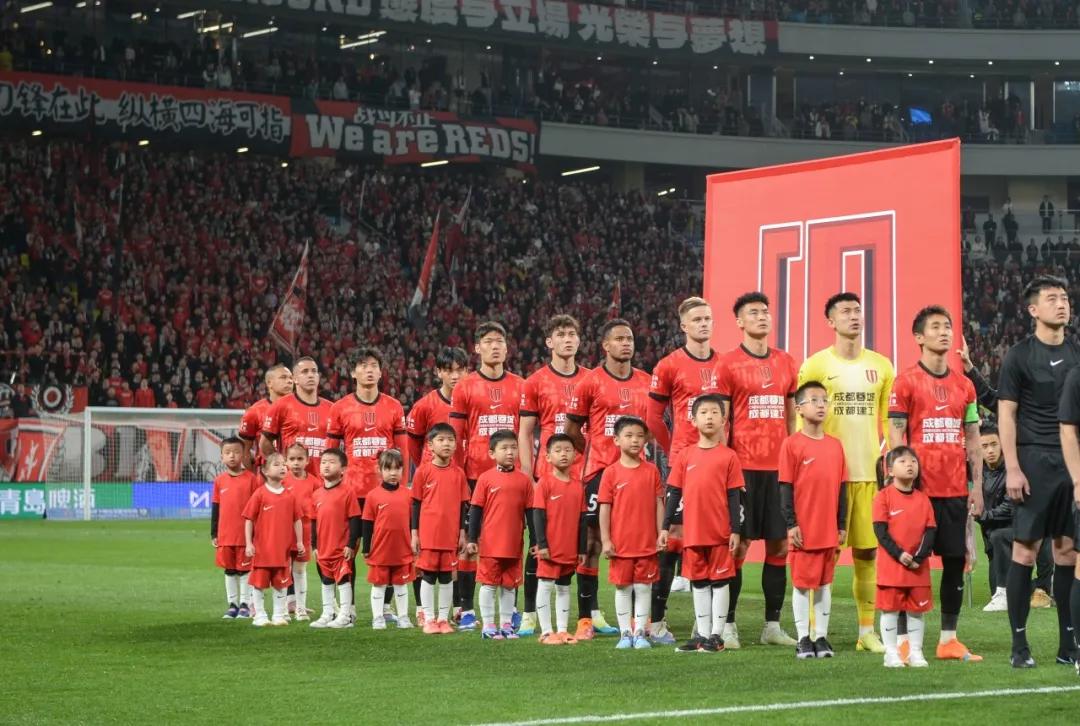
Ultimately, it's about "voting with feet": Beijing-Shandong clashes, despite high prices, remain hard-to-get; Chengdu Rongcheng's tickets are also高价 but some fans can't secure them all season. Chongqing Tongliang Long's pricing drew争议, yet attendance was reassuring. Risks exist—poor performance could hurt future attendance—but Chongqing Tongliang Long's bet succeeded: an away draw and home win set a solid foundation for 2026 season attendance.
Overall, beyond clubs like Beijing Guoan and Chengdu Rongcheng with strong attendance, box office revenue hinges on two factors: performance (good results naturally draw crowds, applicable to most clubs) and cultivation (low-price or tiered pricing strategies for clubs with一般 fan bases). Trends show CSL's relatively high ticket prices are becoming accepted, differing from city leagues' low-price approach. Thus, for 2026 season, clubs aiming to increase disposable funds must focus on box office revenue.


Wonderfulshortvideo
Kvaratskhelia and Ronaldo 🫶


🇪🇸 Spain 🆚 Argentina 🇦🇷
Arsenal goal today arsenal 2-1 chelsea arteta interview arteta press conference
When Diogo Costa saved EVERY penalty he faced in the shoot-out 🤯🤯🤯
The movement is electric ⚡️
Mbappe injury mbappe surgery real madrid 0-1 getafe mbappe return date mbappe edit
ronaldo almeria ronaldo buying new club ronaldo owner ronaldo manchester united owner
 Links
Links
 Contact
Address:UNIT 1804 SOUTH BANK TOWER, 55 UPPER GROUND,LONDON ENGLAND SE1 9E
Number:+85259695367
E-mali:[email protected]
 App
App


