



Private enterprises, foreign companies, state-owned enterprises... The "ticket price debate" in the eyes of different Chinese Super League clubs



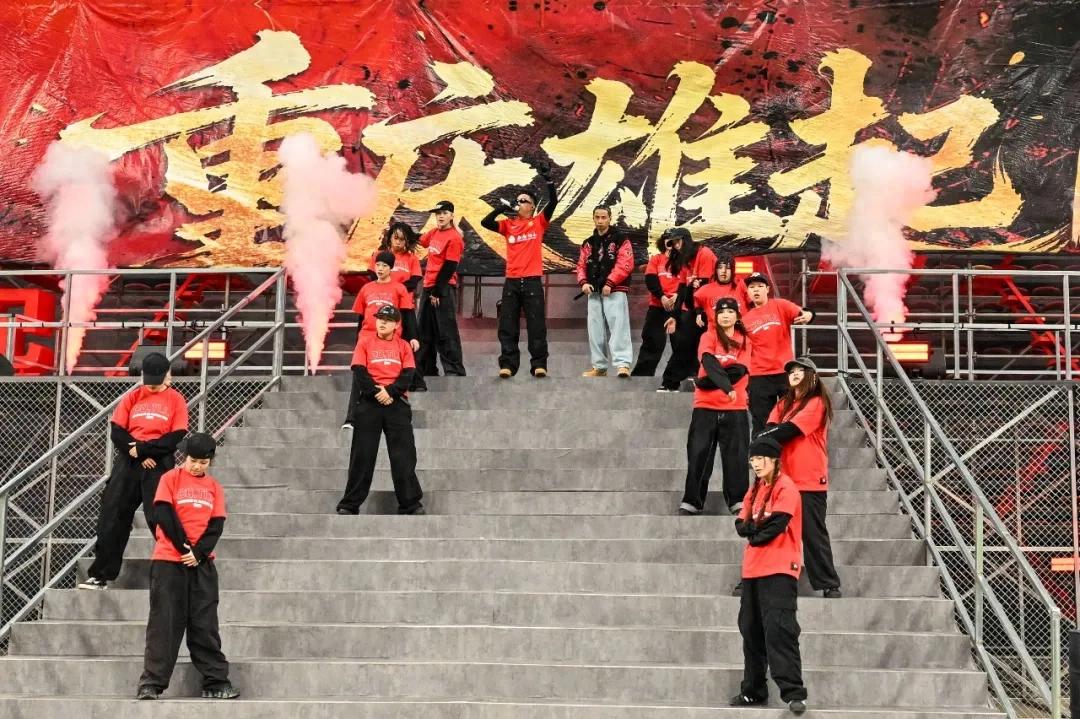
Journalist Lu Mi reports In response to Chongqing Tongliang Dragon's innovative model in ticket pricing and sales, this newspaper conducted surveys and interviews among various Chinese Super League clubs.

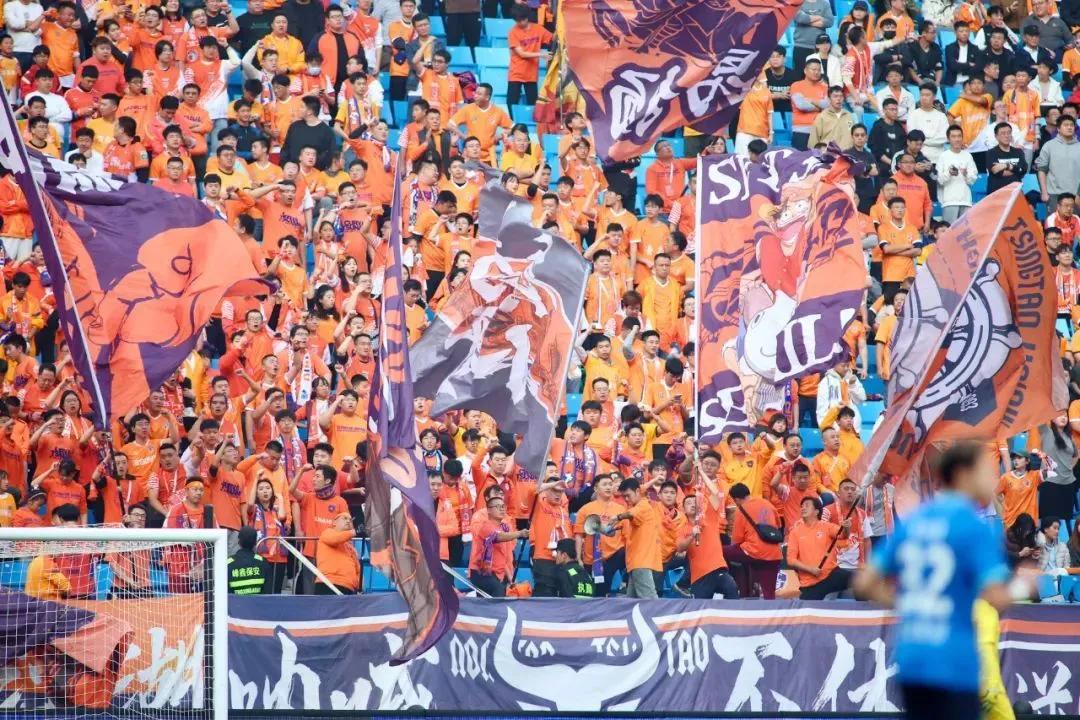
The management of Qingdao Hainiu also observed the match at Tongliang Dragon's home venue. Regarding the "concert + match" model, Hainiu's management expressed approval of this exploration. They believe that "football + cultural, sports, and tourism integration" is not a gimmick but one of the paths for sustainable development of professional football in China.
As fellow managers of mid-sized and small clubs in the market frontline, Hainiu's management observed Tongliang Dragon's new attempts and endorsed this unconventional operational approach. "Ultimately, a professional football club is also a company; it must pursue competitive results while meeting revenue requirements. Investors can tolerate short-term losses, but long-term healthy operation, even achieving a balance of income and expenditure first, is common sense in the industry."
Tongliang Dragon's measures, even though they sparked public discussion at times, the club persevered under pressure and implemented them, ultimately achieving positive results. If a club can continuously expand its operational activities before, during, and after matches, it can provide long-term support for team recruitment, youth training development, and daily operations, breaking free from excessive reliance on external investment. Market cultivation and shifts in consumption attitudes require a process, but someone must take the lead and dare to try new approaches. This courage to "break before building" is precisely the breakthrough needed in the Chinese football market.
As another club led by private investors, Hainiu believes that privately-run clubs are more flexible, resilient, and more willing to attempt cross-border innovations because their focus is more on long-term survival and market returns. "From Tongliang Dragon's exceptionally high attendance rate at home matches, it can be seen that the vast majority of citizens and fans accept this new model."
Hainiu suggests that ticket price issues, if adjusted appropriately with sufficient reasoning, will naturally gain fan acceptance. "For example, our ticket prices increased from 58 yuan to 78 yuan, which remains an affordable price even within professional stadiums. After the pandemic, people view consumption more rationally; stable performance and a full-effort attitude on the field are far more important for fan approval than simply low prices."

How do foreign-invested clubs view this new model? The journalist also discussed with relevant personnel from Shenzhen Xinpengcheng Club. "Currently, clubs vary significantly. Chongqing Tongliang Dragon's attendance exceeding 40,000 indicates good market feedback solely from football matches. However, Shenzhen Xinpengcheng's core focus at this stage is attracting more fans to the stadium, enhancing match-day experience, and adding content beyond the 90 minutes, all aimed at boosting attendance."
Shenzhen Club has defined three core directions in commercial operations this year: First, traditional sponsorship cooperation, obtaining sponsorship fees through brand exposure and rights activation—the most common revenue method for professional football clubs currently. Second, peripheral product development; more related products will be launched this year, though such efforts are primarily for optimizing fan services and experience; achieving substantial revenue from peripheral products is not realistic for Shenzhen Xinpengcheng at this stage. Third, high-end client hospitality services; the club has introduced several high-value ticket products this year, integrating dining services, opportunities to interact with the first team, stadium tours, and other exclusive experiences to create a "money-can't-buy" feeling for high-end clients. This model aligns closely with the operational approach of European professional football clubs.
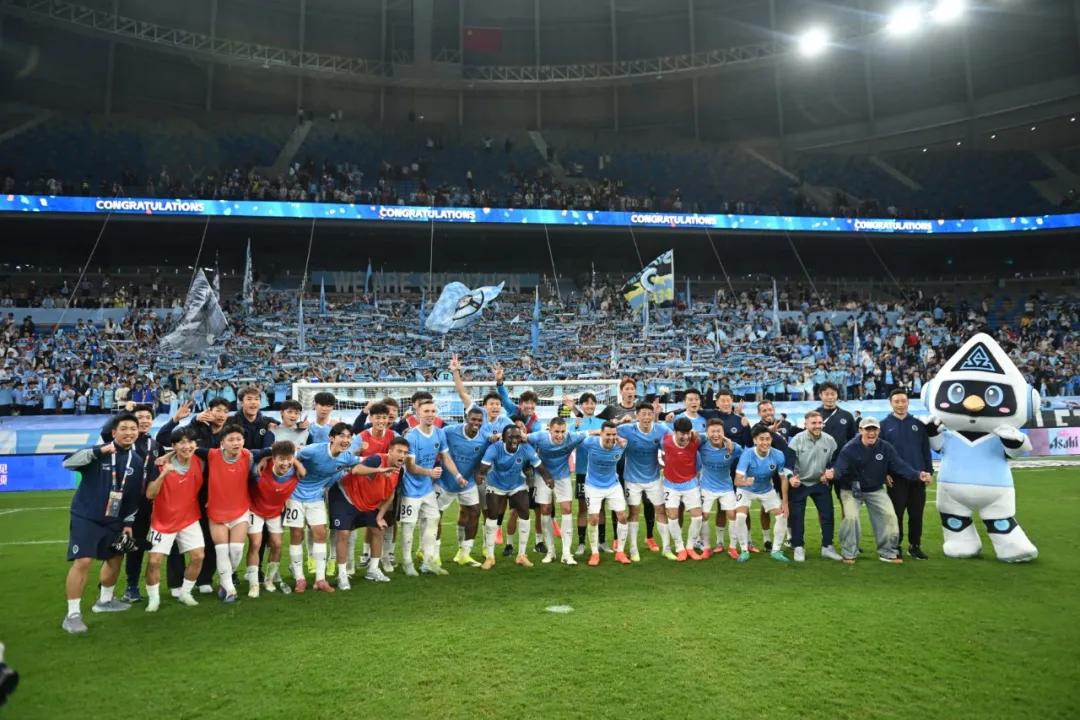
Regarding the widely discussed "football +" cross-border integration model, relevant personnel stated that this model is not suitable for Shenzhen Xinpengcheng at present. The various performances and experiential activities currently organized by the club at home matches are funded by the club itself. The core purpose is not direct profit from such activities but using them as a means to attract more spectators to buy tickets and follow the team, ultimately achieving a steady increase in attendance.
Regarding ticket pricing, club personnel also noted that there is no perfect pricing strategy. Consumers are price-sensitive, requiring a balanced approach. If confident in the product long-term, price increases can be decisively implemented. Considering Shenzhen's economic level, the club's minimum ticket price of 80 yuan last year was well received. To overcome revenue bottlenecks, prices for core seating areas have been raised this year, while the minimum ticket price has been slightly adjusted to 88 yuan, balancing fan acceptance with revenue growth.
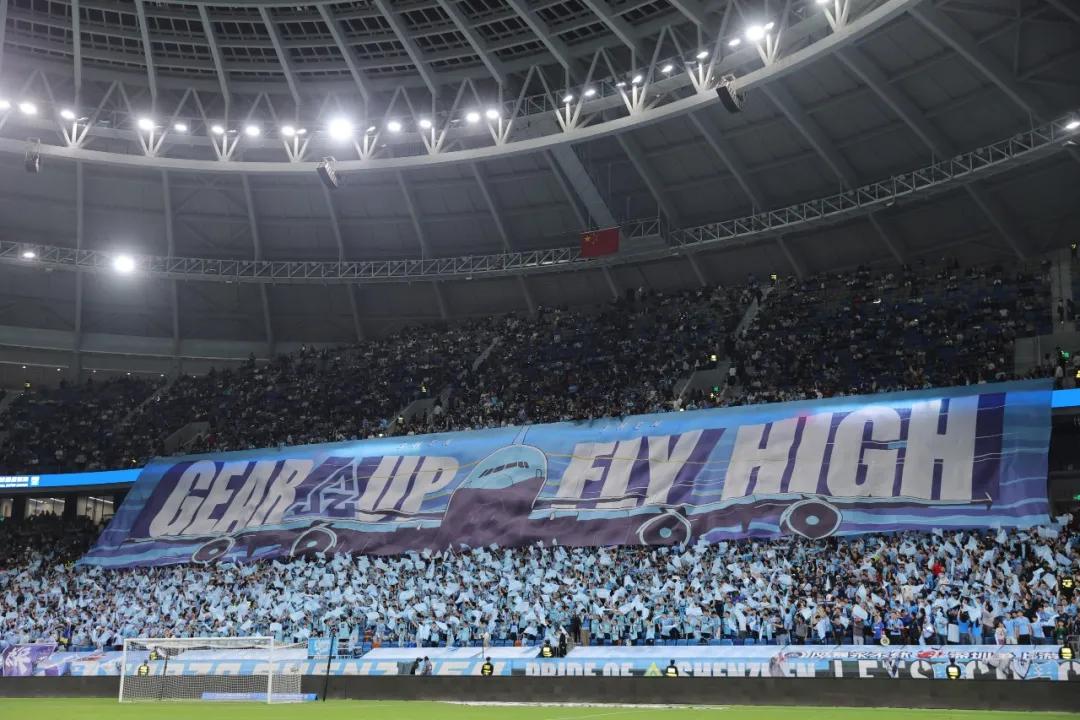

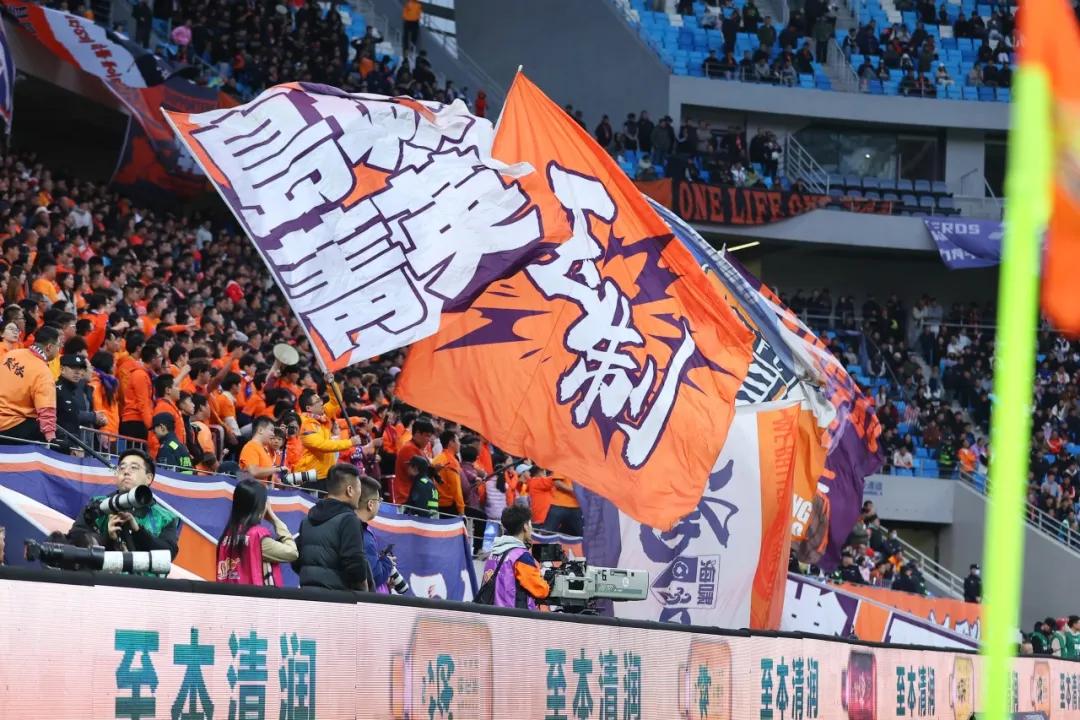
Henan Club, a state-owned enterprise club after equity reform, appreciates the successful implementation of Tongliang Dragon's model. The club itself has actively explored the integration of football with cultural, sports, and tourism development. However, due to different backgrounds, practical considerations such as funding, approvals, and market acceptance still pose challenges in implementing innovations.
They believe that transforming the idea of cultural and sports integration into actual economic benefits inevitably requires a long-term market cultivation process. State-owned enterprise clubs, while exploring, inevitably face concerns—wanting to innovate while avoiding uncontrollable situations. Sometimes, funding issues also pose constraints.
Meanwhile, implementing such models faces two major practical problems. First, policy approvals for large-scale events: adding performances before matches may require additional approval procedures, and there might be situations where performance companies use football matches as a pretext to hold concerts, simplifying approvals. Second, cost allocation and ticket pricing issues: if costs from performances are passed onto ticket prices, it could easily cause fan dissatisfaction, leading to disputes over who bears the core costs.
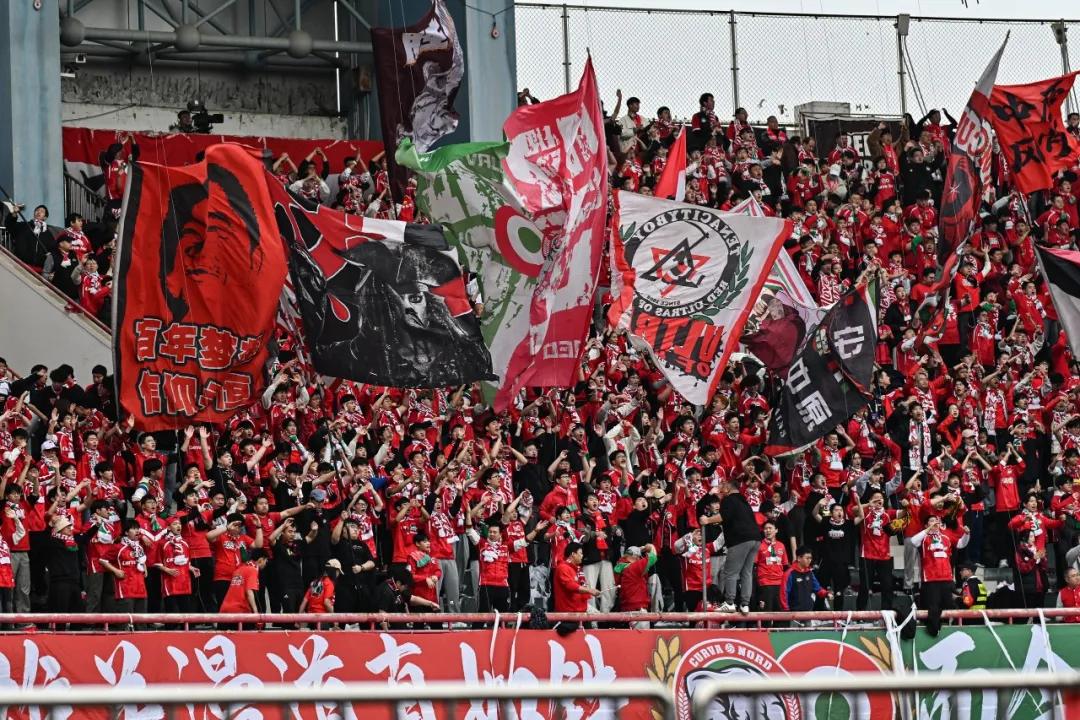
In commercial operations, Henan Team currently focuses on traditional sponsorships like naming sponsors and senior partners. Simultaneously, it vigorously promotes a corporate membership system, building a cooperation matrix ranging from high-level tiers to small businesses, first gathering merchants to create a commercial atmosphere and achieving gradual upgrades in the membership system through a "queue effect." This year, the club is promoting a personal membership system for fans in the Chinese Super League, with about four to five thousand fans having paid to join. The sense of identity and rights realization for members has become a new growth point in commercial operations.
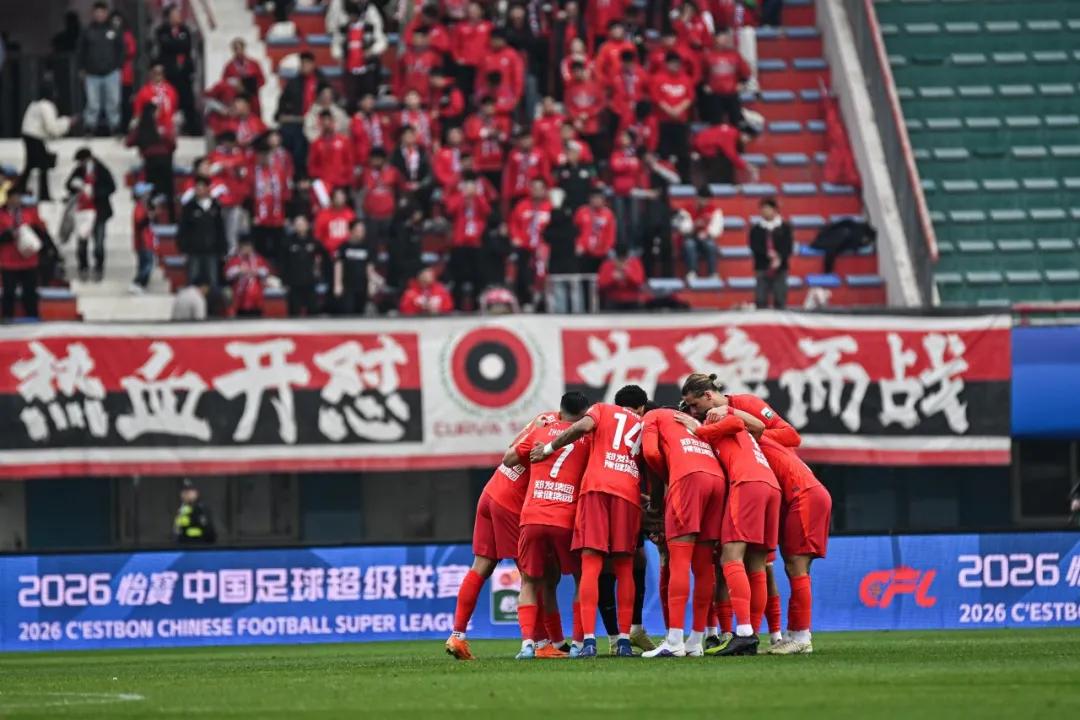
Regarding ticket pricing, Henan Team, due to differences in stadium hardware facilities and match-day experience compared to professional stadiums, adopts a more cautious approach to ticket price adjustments. It employs a mild strategy of increasing prices by 20% to 30% every two years. This year's slight price adjustment was implemented after extensive prior communication. Meanwhile, by upgrading stadium presentations and optimizing fan services, the club aims to compensate for hardware shortcomings, balancing fan acceptance with revenue needs as much as possible.


Wonderfulshortvideo
Kvaratskhelia and Ronaldo 🫶


🇪🇸 Spain 🆚 Argentina 🇦🇷
Arsenal goal today arsenal 2-1 chelsea arteta interview arteta press conference
When Diogo Costa saved EVERY penalty he faced in the shoot-out 🤯🤯🤯
The movement is electric ⚡️
Mbappe injury mbappe surgery real madrid 0-1 getafe mbappe return date mbappe edit
ronaldo almeria ronaldo buying new club ronaldo owner ronaldo manchester united owner
 Links
Links
 Contact
Address:UNIT 1804 SOUTH BANK TOWER, 55 UPPER GROUND,LONDON ENGLAND SE1 9E
Number:+85259695367
E-mali:[email protected]
 App
App


