



Investors have long planned, fans are polarized! Chongqing Tongliang Dragon's "Ticket Price Controversy": New reflections on the operation of Chinese Super League clubs



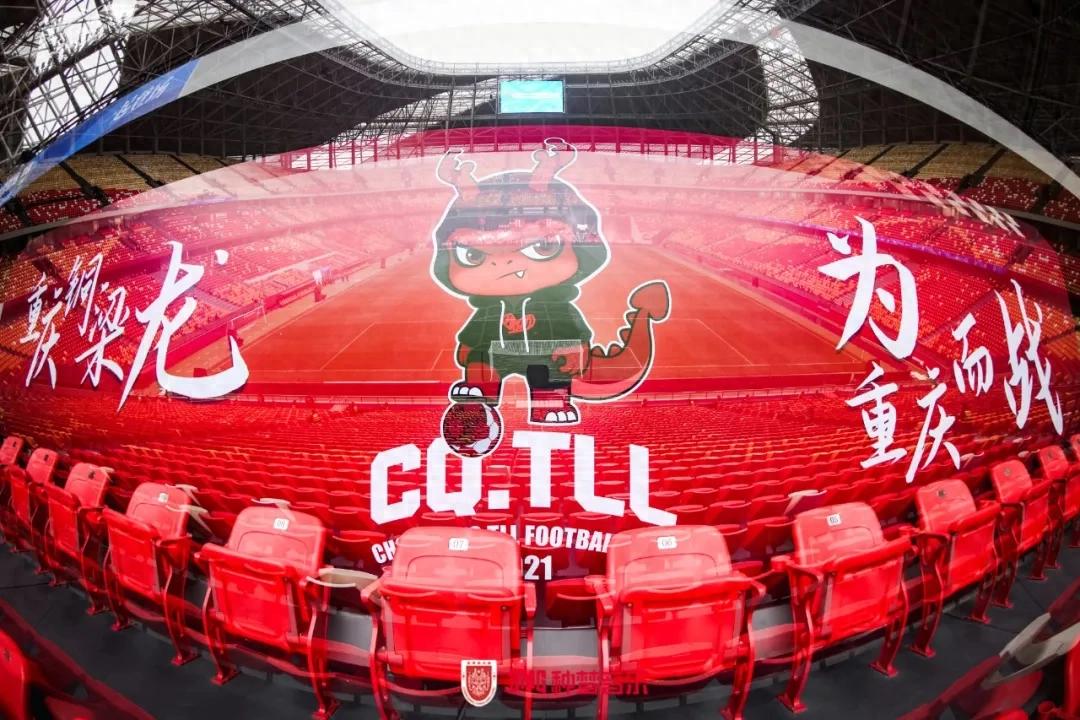
Report by Lu Mi In the second round of the 2026 Chinese Super League, Chongqing Tongliang Dragon Club's first home match sparked a nationwide舆论 storm even before kickoff. This grassroots dark horse, which rose from the China Amateur Football League, should have carried the expectations of the entire city for its first top-tier league home game. However, the sudden increase in ticket prices and the new combined model of "concert + football match" before the game plunged the club's operational strategy into major controversy. Investor Fan Shebin's operational decisions and the polarized reactions from fan groups, along with the intense舆论风波,本质上 reflect the clash between the commercial logic of investors, the consumption demands of fans, and local football sentiment in the process of professional football's marketization.

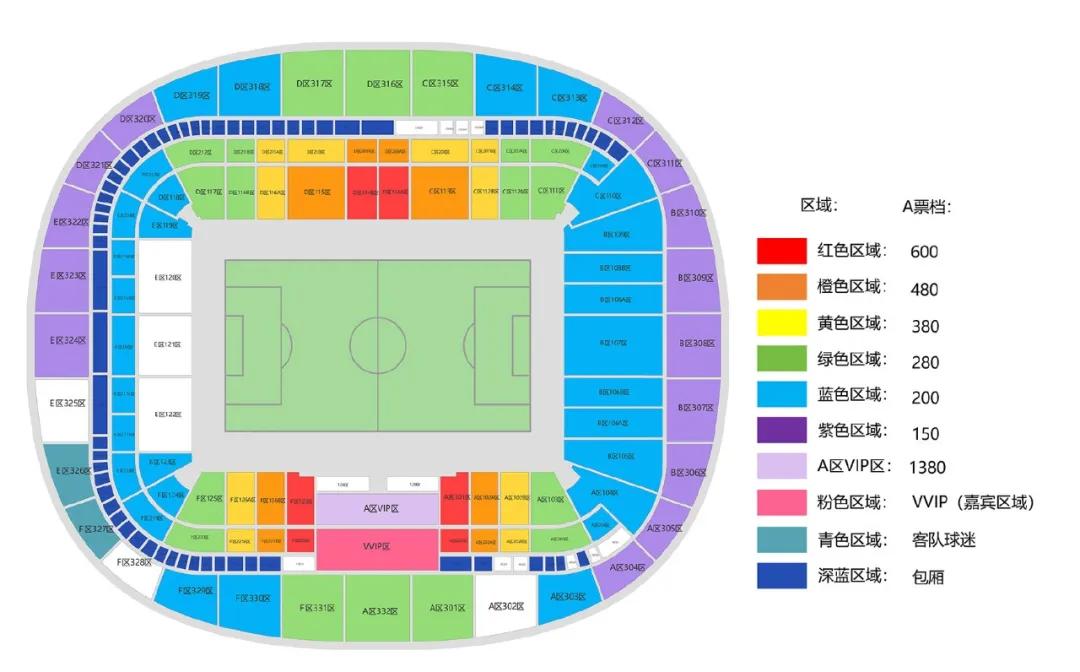
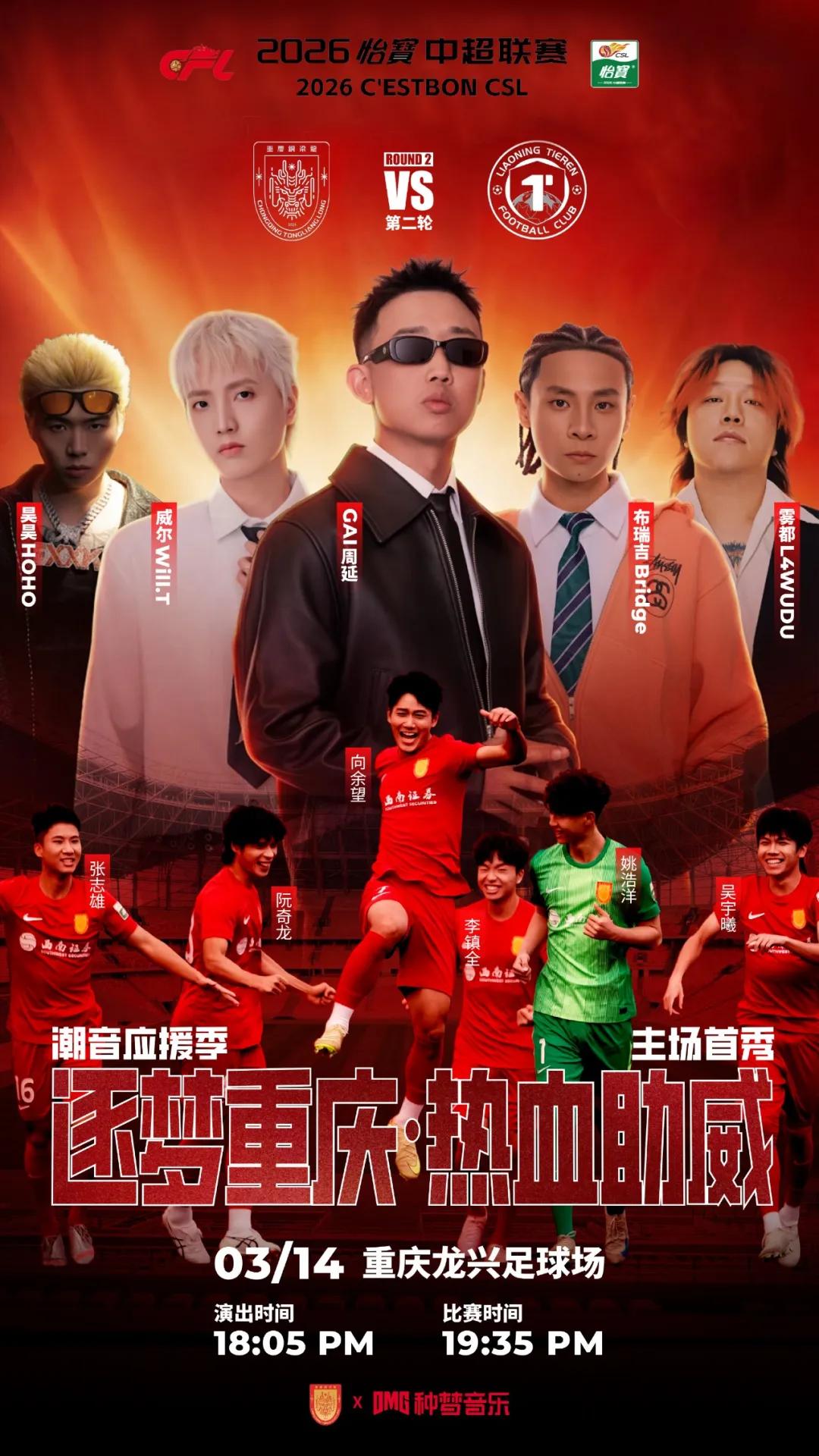
The core of the ticket price controversy revolves around two main points: first, the ticket pricing system, where Tongliang Dragon's debut Super League home match tickets ranged from 150 yuan to 1380 yuan, with the lowest price skyrocketing four times compared to the China League One period, and the highest price directly对标 those of traditional Super League giants like Beijing Guoan and Shanghai Shenhua for key matches; second, the operational model, where the club broke the traditional single-match viewing模式 by introducing a nearly 40-minute pre-match concert featuring local artists, binding entertainment performances with the football event. This approach was also perceived by some fans as implicitly transferring performance costs to them. Before this match, sales data showed the lowest 150-yuan tier sold out, while the highest price tier still had available tickets. On the舆论层面,批评, support, and rational discussion交织, becoming the most关注的市场化 issue of the new Super League season.
Facing the overwhelming controversy, investor Fan Shebin did not回避 but explained the rationale behind the high ticket prices and innovative model via a live stream. From his直播表态 and past operational轨迹, this decision was not impulsive but rather a considered move based on his dual identity as a seasoned football fan and equity investor, thoroughly weighing the survival of professional football and the development of local football.
During the live stream, Fan Shebin直言 that his involvement in football is not merely sentimental but stems from a firm belief that professional football must pursue marketization and commercialization to escape the old path of relying on investor输血 and facing short-lived exits. In his view, the costs of participating in the Super League, player salaries, youth training investments, venue operations, and logistical support are far beyond those of the China League Two and One periods. Sole reliance on corporate输血 is unsustainable long-term; achieving收支平衡 through independent commercial operations is the core prerequisite for the club to establish itself in the Super League and avoid repeating the dissolution fate of past Chongqing teams.
Regarding the high ticket pricing, Fan Shebin's response primarily conveyed two points. First, pricing matching value is the core of marketization; the Super League, as China's top-tier professional football competition, offers viewing value, event规格, and venue硬件 (Longxing Professional Football Stadium) incomparable to lower leagues. The price increase is a natural result of the elevated event level, not deliberate overcharging. Addressing fans' questions, he stated that while prices won't be lowered in the future, adjustments will be made across different tiers based on various matches. Second, high prices are not solely for short-term profit but also to establish the club's brand value, gaining market and fan recognition for Tongliang Dragon's Super League status, while creating value to reinvest in team development, ultimately forming a良性循环 of "competition driving commerce, commerce反哺 competition."
The adoption of the "football + concert" model was not a临时跟风 move by Fan Shebin either. Chongqing has a large young population with strong entertainment consumption demands. Integrating sports with entertainment is a key measure for breaking圈 and引流. Of course, football remains the core; the concert is merely a "side dish." Over the past year,互联网思维 has been fully implemented at Tongliang Dragon Club, revitalizing its operations. This "流量思维 + user运营" strategy打破了 the traditional club's单一营收模式 of "tickets + sponsorship." Thus, Tongliang Dragon's move更像是一次主动探索 for a商业化路径 suitable for中小 clubs, and the ensuing controversy is不可避免 in marketization attempts that change consumer habits.

Facing the club's operational decisions, Chongqing fan groups分裂 into two major阵营, expressing截然不同的 views from perspectives of消费成本, the essence of the sport, and local sentiment, reflecting the需求差异 among fans. At the match venue, journalists interviewed some fans; many had accompanied the team from the amateur league through lower tiers to the Super League, holding deep sentiment for the club. The club's recent operational strategy also left these fans feeling失落. Their矛盾 with the club集中在 ticket prices and the model, believing the club neglected core fans'消费能力 and viewing needs after reaching the Super League.
Regarding ticket prices, fans直言 that the lowest 150-yuan price seems affordable, but corresponds to偏远 seating with poor viewing体验, while稍好位置 tickets are all above 200 yuan. A family of three attending could easily cost数百 yuan, making long-term viewing成本难以承受. They argue that Tongliang Dragon, as a newly promoted team, faced another promoted team, Liaoning Tieren, in its first match—neither a德比大战 nor a豪门对决—with event含金量 far below traditional giants' matches, yet ticket prices directly对标 those giants, representing "估值虚高." Multi-tier精细定价更像精准收割 fans,违背了 football's平民属性. Some stated that the 38-yuan tickets during the China League One period allowed普通 fans to easily attend and support, whereas the current暴涨 in prices dilutes sentiment with commercial利益.
Regarding the "concert + match" model, some believe the core of football events is the competition itself; fans attend to watch players strive and experience the魅力 of football竞技, not entertainment performances. This绑定模式本末倒置. Many fans were also不满 by pre-match posters placing singers in the C位,直言 that the club transfers演出成本 to ticket prices,不符合 fans'单纯观赛消费需求, unwilling to pay for the concert segment.
In stark contrast to the质疑阵营, some fans chose to坚定支持 the club's decisions. They出发 from the不易 of Chongqing football returning to the Super League, arguing for包容 the club's创新尝试. This阵营涵盖 young fans and groups坚信本土足球优先, focusing more on the team's survival and development rather than单一票价 and模式.
Fans supporting the club's decisions stated that professional football itself is a商业赛事, requiring funds for operation. The club's成本暴涨 after entering the Super League is an undeniable fact; the club cannot perpetually rely on investor单向投入. Among these fans,年轻人占较大数量, who are more热衷 about rap and更容易接受 this "一票双收" viewing体验. They view the concert model as an创新 that can make the主场氛围 more lively,吸引更多年轻人 to关注 Chongqing football, benefiting the team's长期发展, and see no need to固守传统模式.
They expressed that the previous dissolution of Chongqing teams caused骨痛 for fans losing their home team. Now that Tongliang Dragon has站稳 the Super League, fans should show more理解与包容, helping the club operate稳定ly. Only if the team survives and thrives can Chongqing football have a future. The短暂票价与模式争议 is far less important than the team's survival.
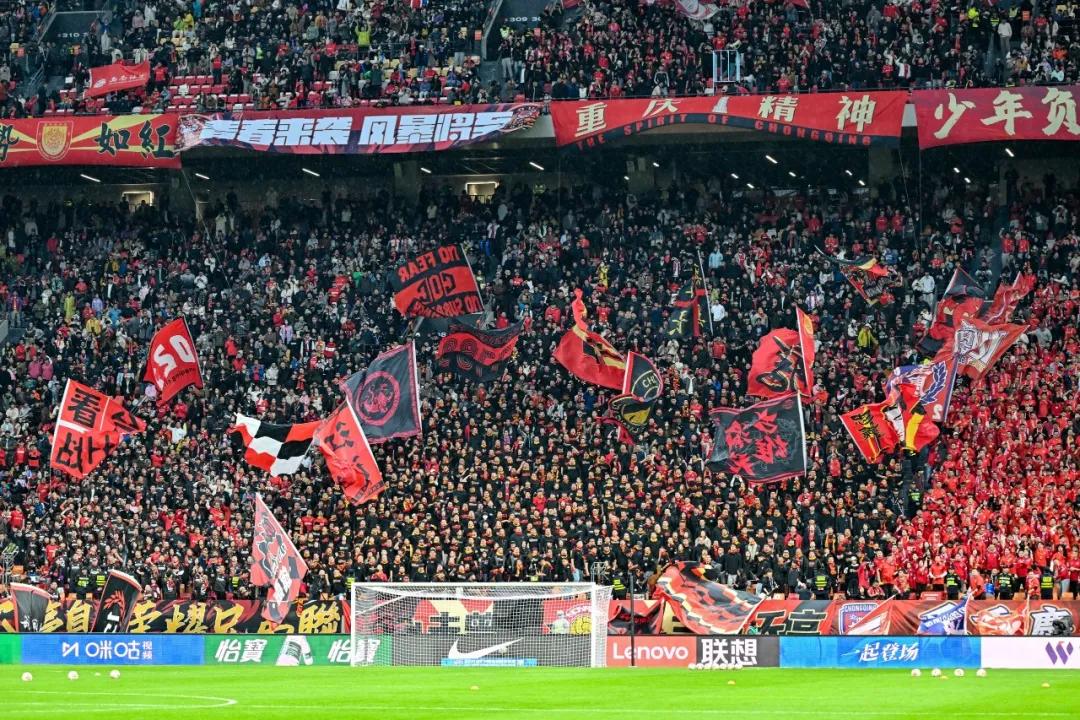

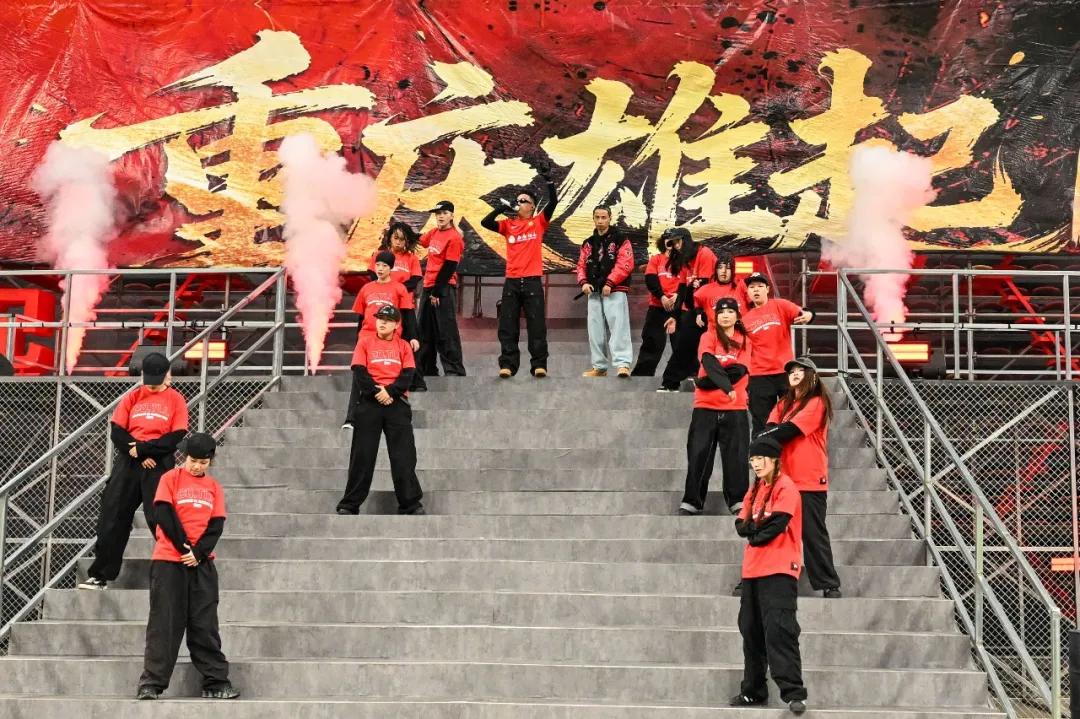
For this match, Tongliang Dragon Club publicly sold 47,000 tickets, with 43,423 attendees, achieving a上座率 of 92.3%, indicating highly可观 market support. Before players entered for warm-ups, the north stand began演出. When GAI and Bridge appeared singing "Chongqing Loyalty and Courage," the全场点燃,气氛达到高潮. Tongliang Dragon ultimately secured victory in this match.
Given such viewing过程 and match outcome, the分歧 among fans before the game also暂时缓和 post-match. Many fans felt that if the team's performance matches the ticket price, they would still愿意继续埋单. Essentially, this舆论风波 is a normal碰撞 of different利益立场 and消费立场 in a market environment. Fan Shebin and Tongliang Dragon's尝试 indeed represents a全新一步 for中小 clubs exploring差异化商业化路径.
Many past dissolutions of Chinese football clubs were核心原因之一 due to over-reliance on investor情怀投入, lacking自主商业化能力, leading to instant崩塌 once investors withdrew. Tongliang Dragon's decision clearly signals that professional leagues are商业赛事, and clubs must achieve自我造血 through市场化手段 to survive long-term.
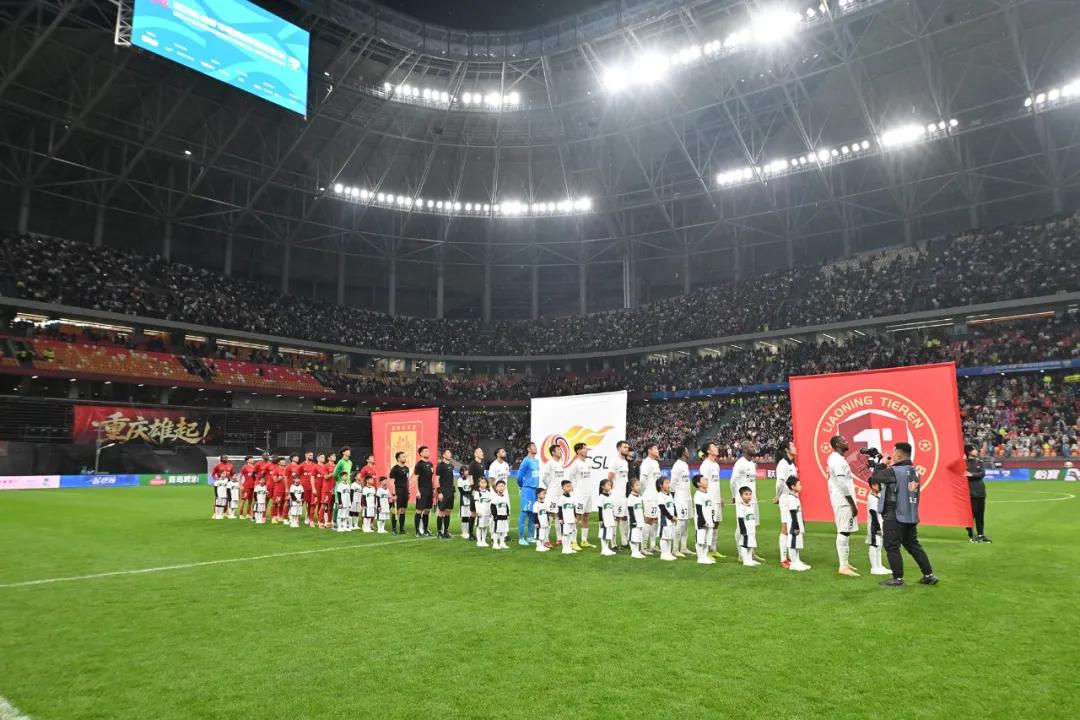
Tongliang Dragon Club's大胆尝试 is an exploration many Super League clubs wish to but dare not undertake. Its results will require time and market检验. The exploration of marketization in Chinese football must突破传统 while守住核心受众底线, finding a平衡点 between商业收益 and fan诉求 to achieve可持续发展.
The主场舆论风波 of Chongqing Tongliang Dragon实际上 is a缩影 of Chinese football's市场化转型. Investor Fan Shebin's布局 is an主动尝试 by中小 clubs seeking survival突围; the polarized fan反馈真实表达 different消费需求, with neither side absolutely right or wrong, merely differing立场和视角.
For Tongliang Dragon, this controversy is both a挑战 and机遇. The club also needs to倾听球迷声音, optimize票价与模式, balance商业与情怀, and continue exploring市场化道路. For Chinese football, this风波提醒 the entire industry to正视商业痛点,打破固有思维, and, through磨合多方立场,推动 professional football toward genuine marketization, professionalization, and长效化. Ultimately, the development of Chinese football requires both the商业担当 of investors and the包容支持 of fans.


Wonderfulshortvideo
Kvaratskhelia and Ronaldo 🫶


🇪🇸 Spain 🆚 Argentina 🇦🇷
Arsenal goal today arsenal 2-1 chelsea arteta interview arteta press conference
When Diogo Costa saved EVERY penalty he faced in the shoot-out 🤯🤯🤯
The movement is electric ⚡️
Mbappe injury mbappe surgery real madrid 0-1 getafe mbappe return date mbappe edit
ronaldo almeria ronaldo buying new club ronaldo owner ronaldo manchester united owner
 Links
Links
 Contact
Address:UNIT 1804 SOUTH BANK TOWER, 55 UPPER GROUND,LONDON ENGLAND SE1 9E
Number:+85259695367
E-mali:[email protected]
 App
App


