



Chelsea vs MU: Carrick's Limitations



As Manchester United enters a crucial phase of the season, one of the most notable topics is not the players' form, but revolves around manager Michael Carrick's match management.
When Carrick is overly cautious
Such as the recent defeat against Leeds. When the Old Trafford side went into halftime trailing by two goals, a clear personnel adjustment to change the game's dynamics was expected. However, Carrick kept the starting lineup unchanged, despite the first half being considered one of United's most difficult performances under him.
The subsequent developments made this approach even more noteworthy. Even when Lisandro Martinez was sent off in the 56th minute, the reaction from the coaching bench was not immediate. It was only in the 70th minute that Carrick introduced Bryan Mbeumo and Diogo Dalot, a point when the match situation had clearly deteriorated.
It's worth noting that United had sufficient backup options. Players like Joshua Zirkzee and Mason Mount were available but unused. This raises questions about the flexibility in Carrick's tactical thinking.
Statistics partly support this observation. Carrick averages only 3.5 substitutions per match, among the lowest in the league. His first substitution typically occurs around the 65th minute, the latest among Premier League managers. Excluding the unavoidable instance when Luke Shaw left early due to health issues, this figure is even higher.
Compared to managers who tend to make early adjustments, like Pep Guardiola or Eddie Howe, Carrick's approach is more conservative. In some cases, this helps maintain stability. However, when the match unfolds unfavorably, delays in changes can cause the team to lose opportunities to correct mistakes.
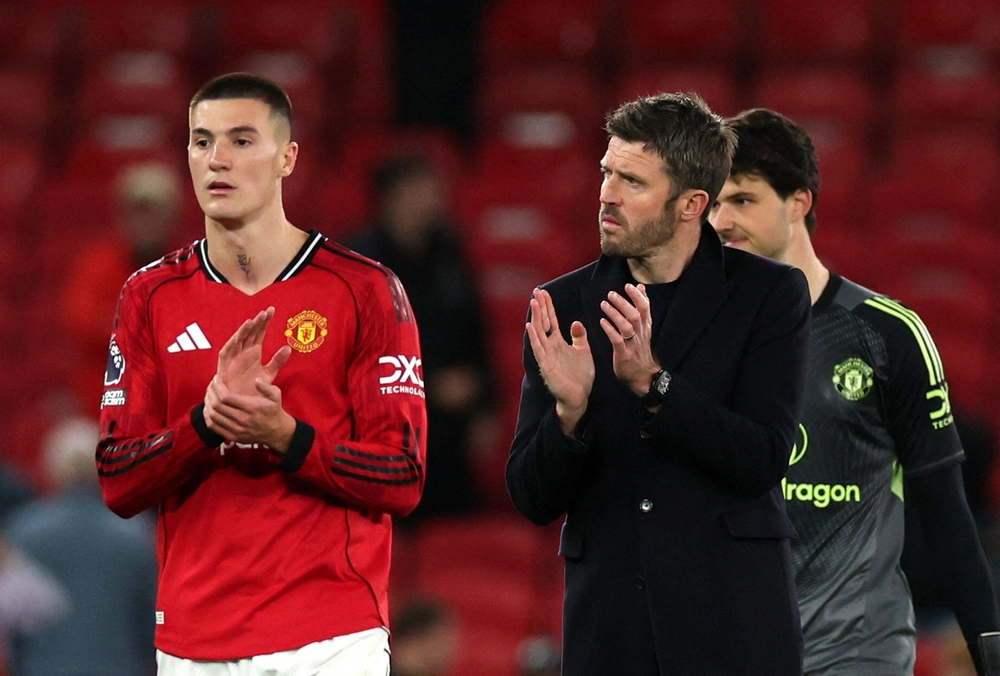
Carrick is showing limitations in his substitution ability
The adaptation challenge
Since taking over United, he has built a highly organized collective, with stability in lineup and player roles. This partly explains why he is not overly hurried in making substitutions, as the team often maintains control.
Statistics show United has led for most of the second-half playing time under Carrick, while trailing time is relatively limited. In matches where they control the situation, minimal personnel changes are a reasonable choice, helping maintain rhythm and tactical cohesion.
This philosophy is not new. While managing Middlesbrough, Carrick frequently displayed a similar tendency. He prioritizes stability and trusts the starting lineup, rather than constantly adjusting to match developments. Data from the Championship at that time showed he was also among the managers who made substitutions late and infrequently.
However, this consistency becomes a limitation when opponents proactively change tactics. Past defeats against Bristol City and Millwall showed Carrick often reacts slowly to pivotal tactical adjustments from opponents. A similar scenario repeated in the loss to Leeds, where United failed to adapt promptly to the opponent's pressure and deployment.
Carrick himself has explained that his substitution decisions are based on "match feel." This is an intuitive approach requiring high accuracy in reading situations. When successful, it helps the team maintain continuity. But when ineffective, delayed reactions can allow the match situation to spiral out of control.
The final stage of the season will be a crucial test for Carrick, as United faces direct competitors like Chelsea, Brentford, and Liverpool. These are teams capable of flexible tactical adjustments, ready to make a difference from the bench.
In that context, in-match adaptability will play a key role. Carrick does not necessarily need to change his philosophy, but must improve his reaction speed and decisiveness in critical moments.


Wonderfulshortvideo
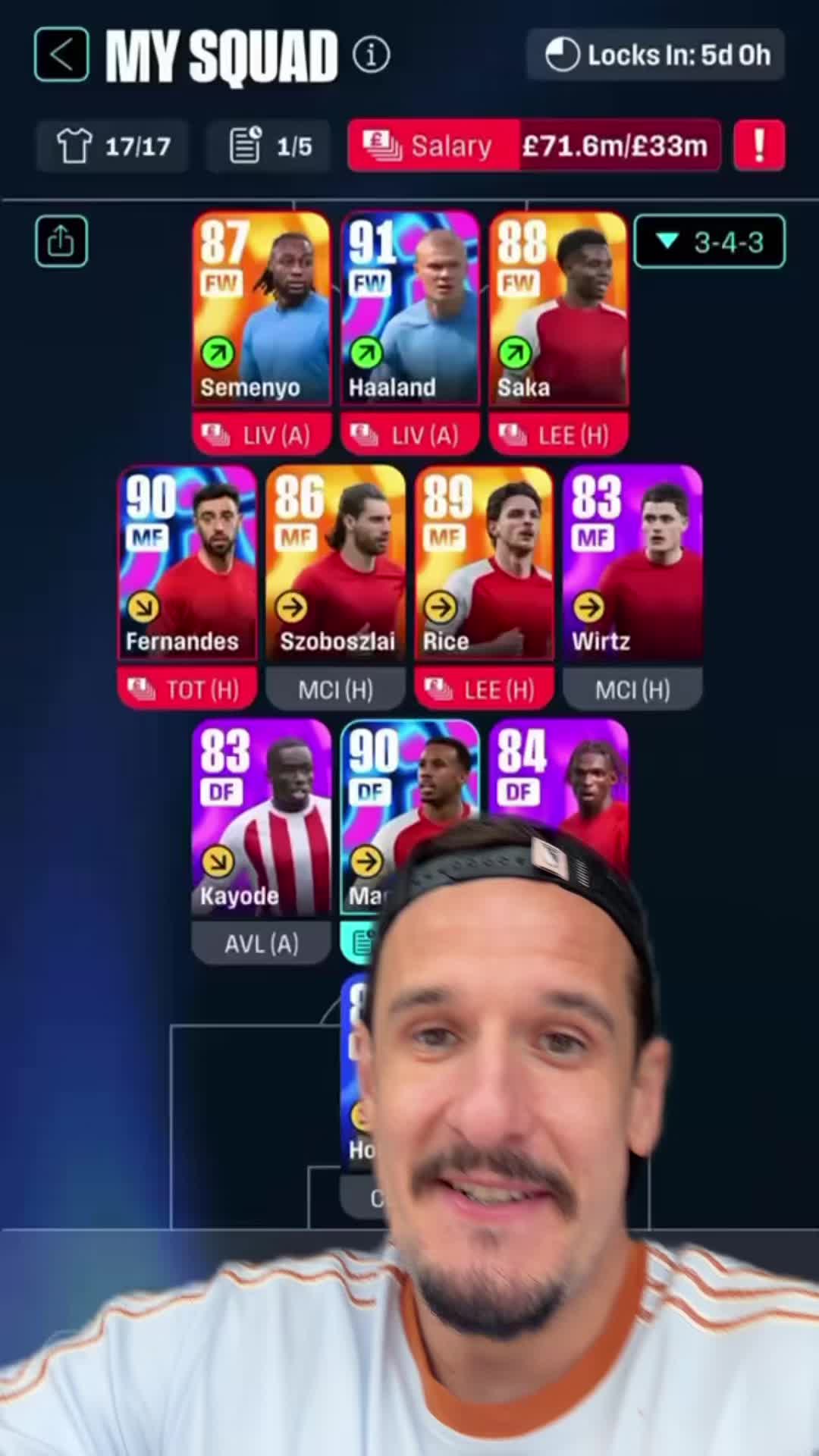
Struggling to stay under my salary cap on @CLUB



User PANDATV has posted a video.
“Whistles are sick!”
This was absolute carnage 🤣
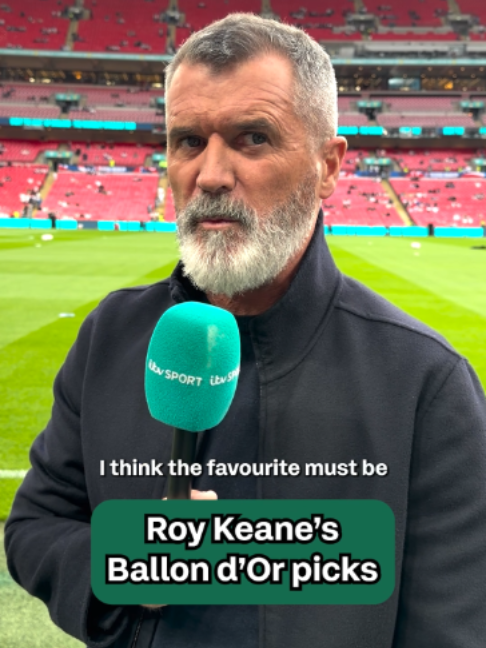
Who does Roy Keane think should win the Ballon d'Or tonight? 🔊🏆
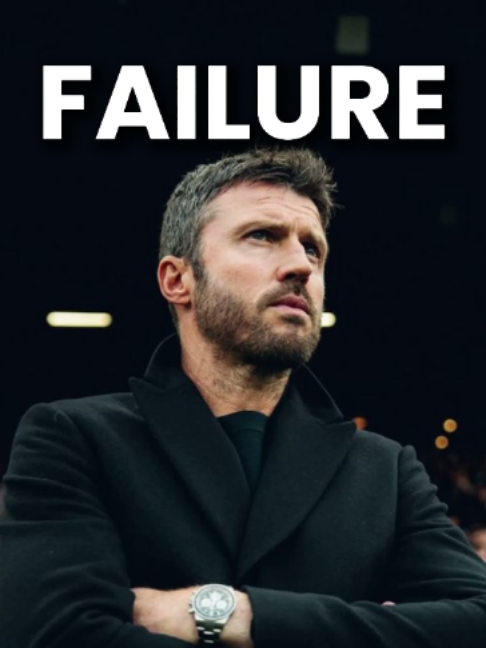
carrick sacked today carrick sacked carrick interview buno fernandes interview manchester united 0-3 bournemouth
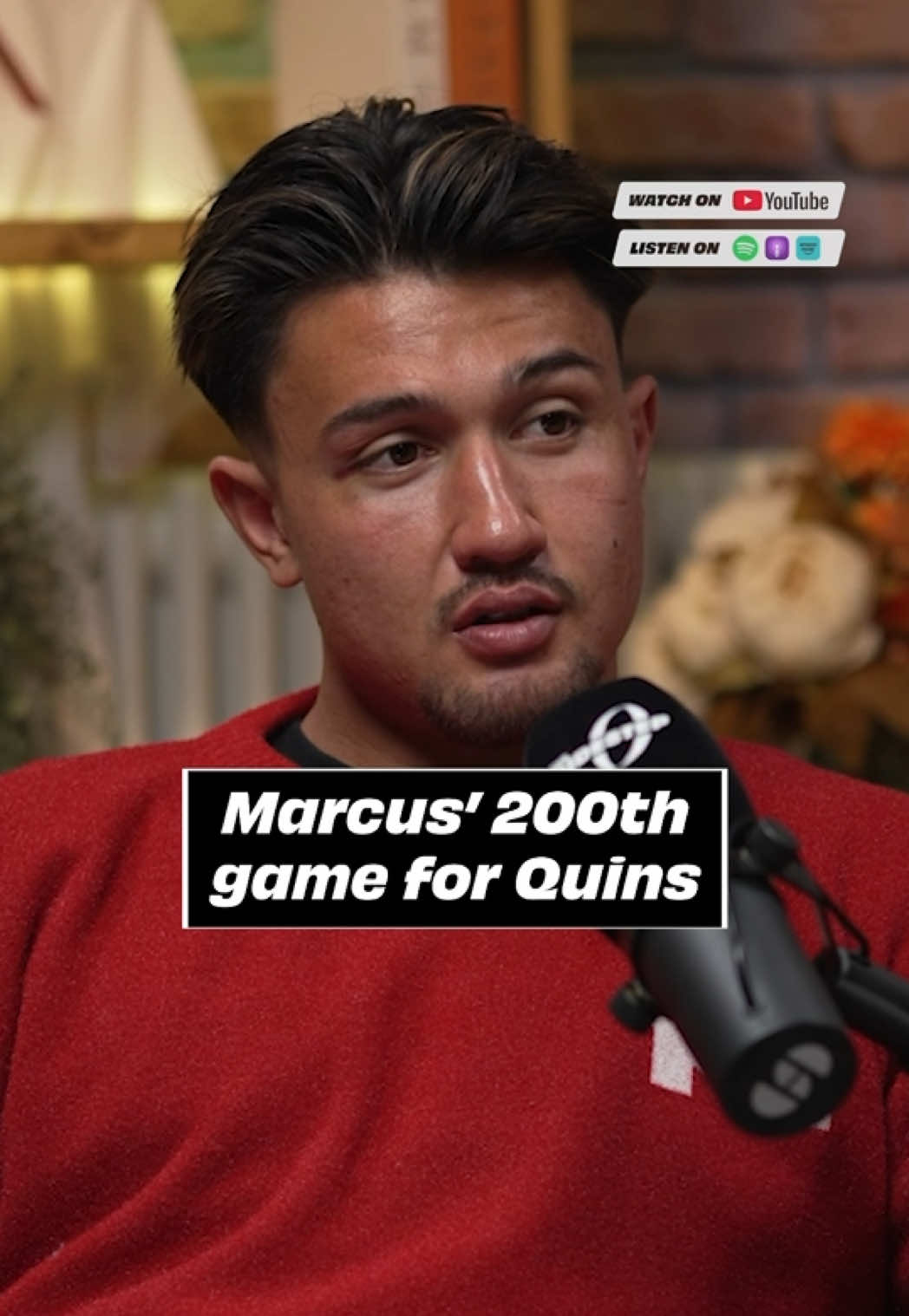
2️⃣0️⃣0️⃣
 Links
Links
 Contact
 App
App