



Taishan drew 1-1 with Shanghai Port, Han Peng sparked heated discussions! "Eight Thousand Miles of Clouds and Moon" midfield segment catches attention.


On April 17 Beijing time, the sixth round of the Chinese Super League heated up, two top-tier clubs Shanghai Port and Shandong Taishan faced off. After 90 minutes of intense battle, defending champion Shanghai Port drew 1-1 away with Shandong Taishan, securing a point despite a depleted lineup. From this match, Shandong Taishan lacked aggression; despite having a significant advantage with five foreign players, they struggled to win. The whole game showed no clear tactics, it was chaotic, even crosses couldn't penetrate, relying solely on Cresan's individual ability!

Interestingly, during halftime, the Migu Video hostess recommended the currently popular drama "Eight Thousand Miles of Clouds and Moon." Just the title "Eight Thousand Miles of Clouds and Moon" inexplicably gives viewers a desire to follow the series. This drama doesn't have the exaggerated, thrilling moments of supernatural shows, nor does it rely on sentimental patriotic slogans to force tears, but it possesses a unique quality. Despite many controversies, it becomes more intriguing as you watch. Unlike many war dramas, it doesn't constantly focus on generals and heroes; instead, it deconstructs war with a sense of "daily life" — a texture I've rarely seen before.
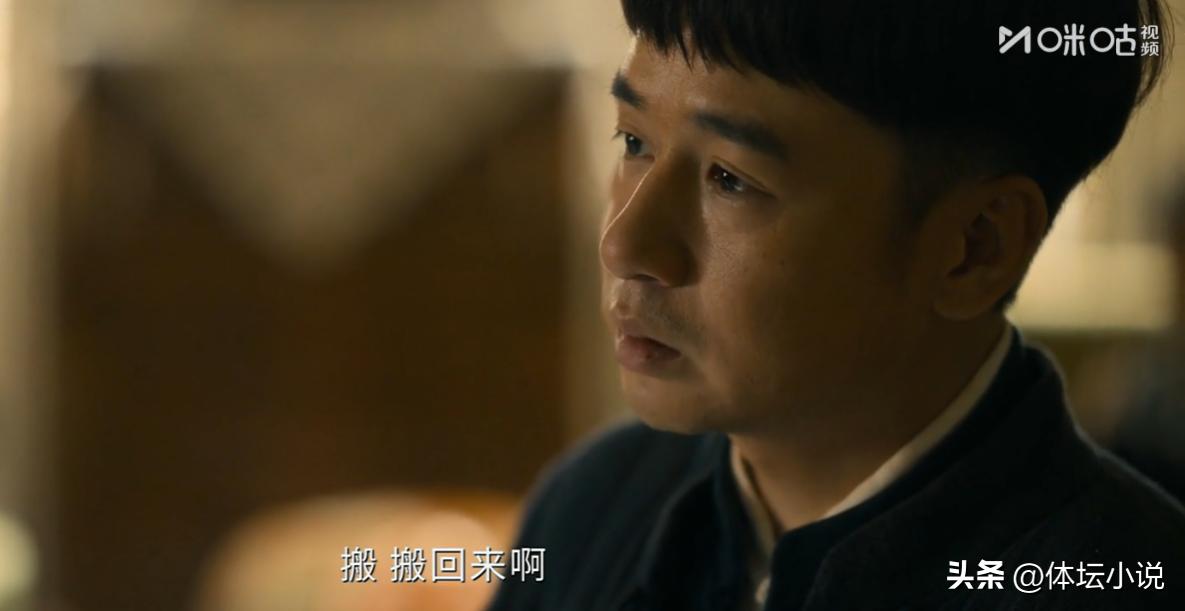
The most interesting aspect for me is its parallel storytelling of two lines: one is the frontline of battle, the other is the hearth smoke of the rear. Zhang Yunkuai suffers injustice and lies low at the front, gradually rediscovering himself amidst blood and fire; Meng Wanfu, originally a cowardly chef fleeing from danger, is forced to shoulder responsibility.
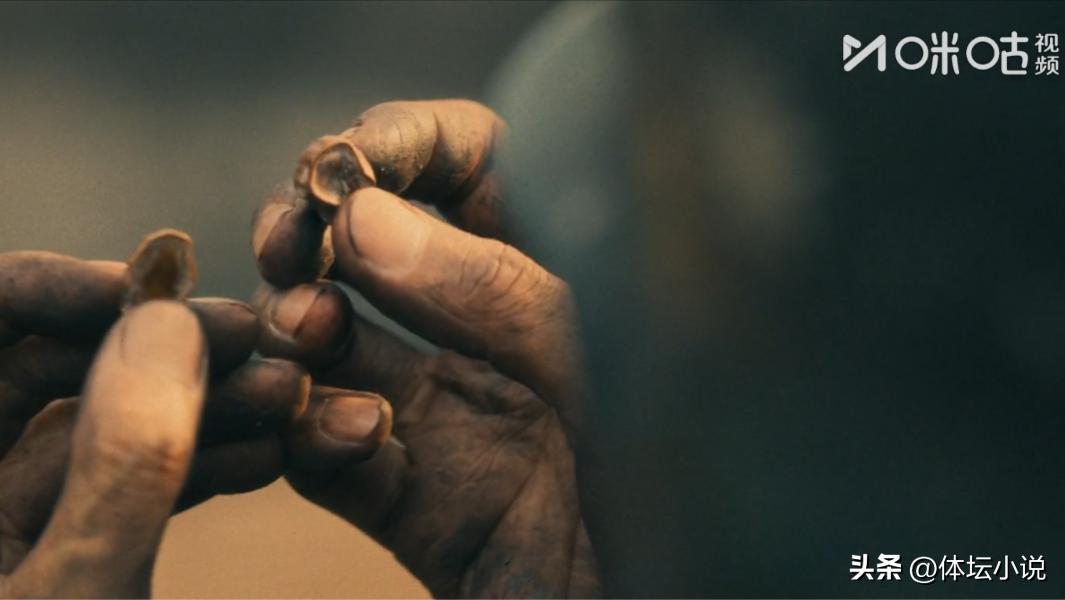
I remember a detail from episode four: in the battle at Bai Family Residence, Zhang Yunkuai led over two thousand soldiers in a desperate defense. The soldiers' blood soaked the white cotton, a silent scene that tightened one's heart. Even more poignant is that before the deadly fight, he took out two fried broad beans his wife Ding Yujiao prepared for him from his pocket. He only dared to eat one, placing the other in a pocket close to his heart — that feeling of keeping a memory贴身 is more heartbreaking than any dialogue.
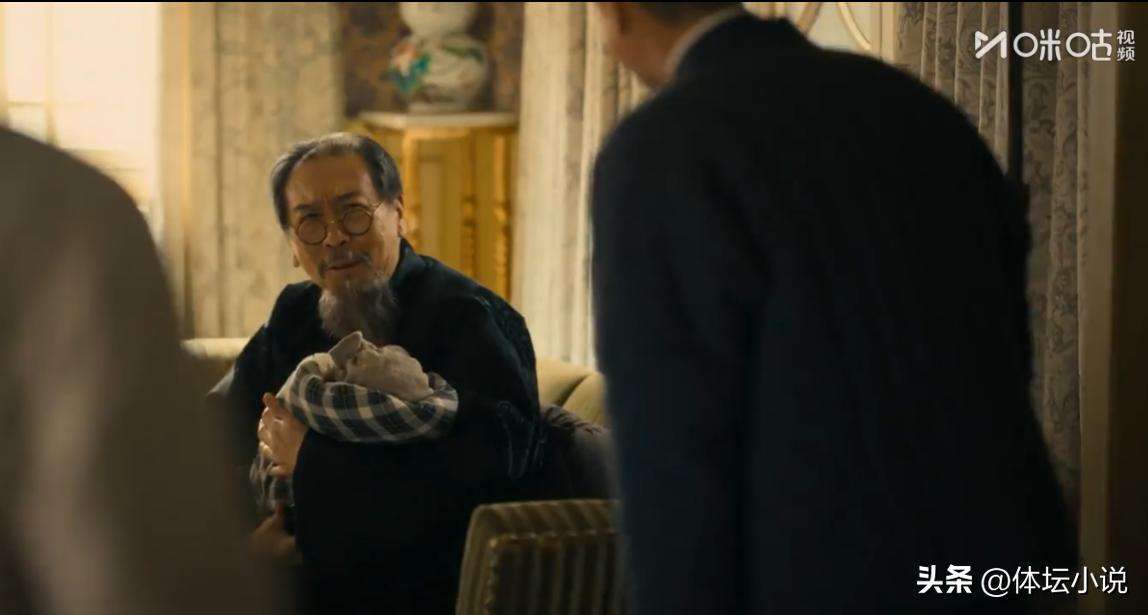
Another aspect that deeply moved me is that this drama doesn't label characters as "perfectly noble and heroic"; all roles seem to grow from the ground. Meng Wanfu's cowardice, Ding Yujiao's fragility, Zhang Yunkuai's confusion — all are traits ordinary people might have, but in turbulent times, they gradually shine.
One scene I still remember: Meng Wanfu, illiterate, asks someone to write a family letter for him. As he speaks, his fingers subtly clutch the tablecloth — this gesture conveys the tenderness and牵挂 hidden beneath a rough man's tough exterior. When Zhang Yunkuai's father learns his son is about to head to battle again while writing calligraphy, his hand holding the brush suddenly trembles violently — that tremor contains a father's immense reluctance to send his son to war.
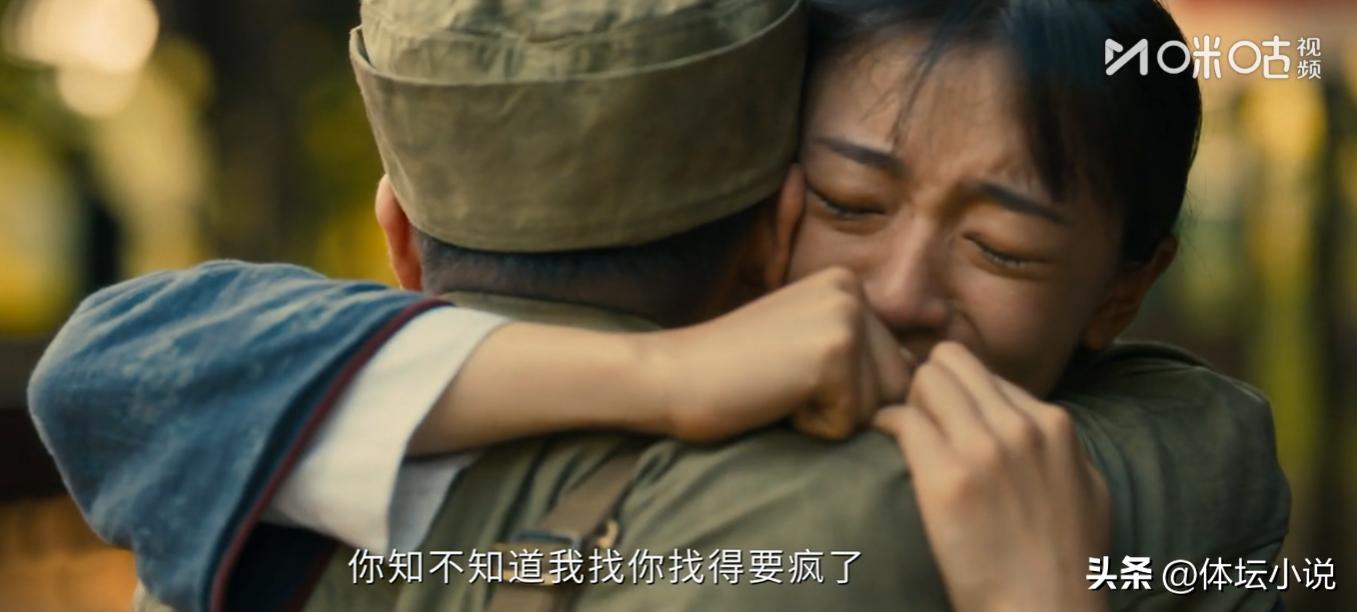
Additionally, this drama is meticulous about details. How the currency was used, how straw sandals were tied, even the moon phase corresponding to historical dates was checked — when Nanjing fell, Meng Wanfu led Zhang's wife and children辗转 to Shanghai. Though artillery fire temporarily faded, the price of bok choy was nine毛 per斤 in one place, turning into three毛 per斤 after拐过 two alleyways. Such wartime price differences are accurately还原, making the weight of life concretely felt by viewers.
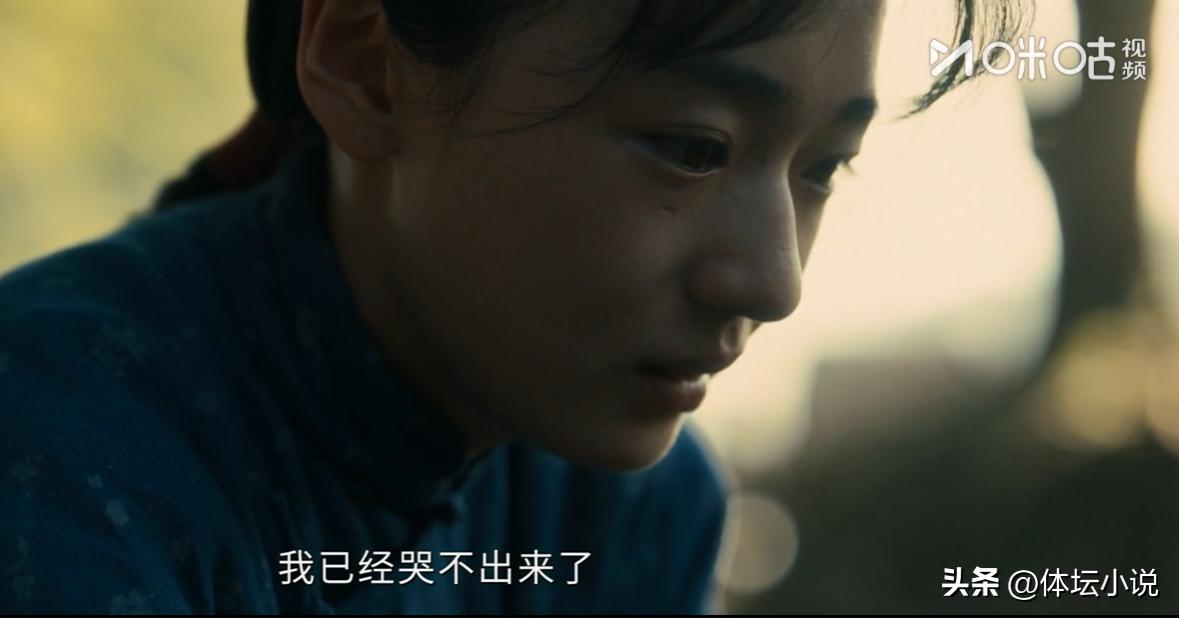
It doesn't空谈 grand principles, but hides national responsibility within柴米油盐, within every choice of ordinary people, making厚重的 history tangible and触able. The uniqueness of this drama lies in its courage to slow down, delve deep, not迎合 the logic of爽剧, only还原 the authenticity of history and the complexity of humanity.


Wonderfulshortvideo
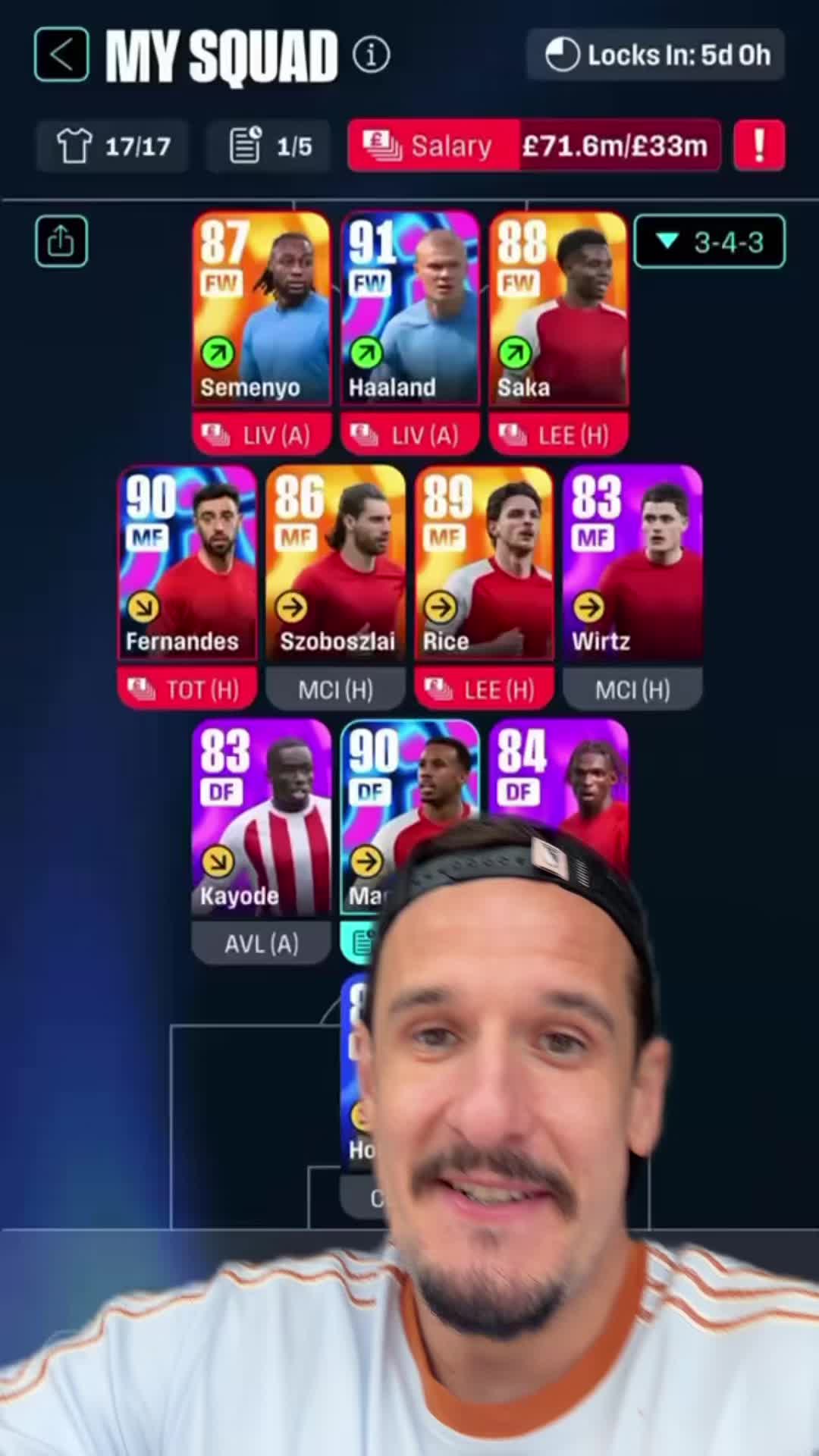
Struggling to stay under my salary cap on @CLUB



User PANDATV has posted a video.
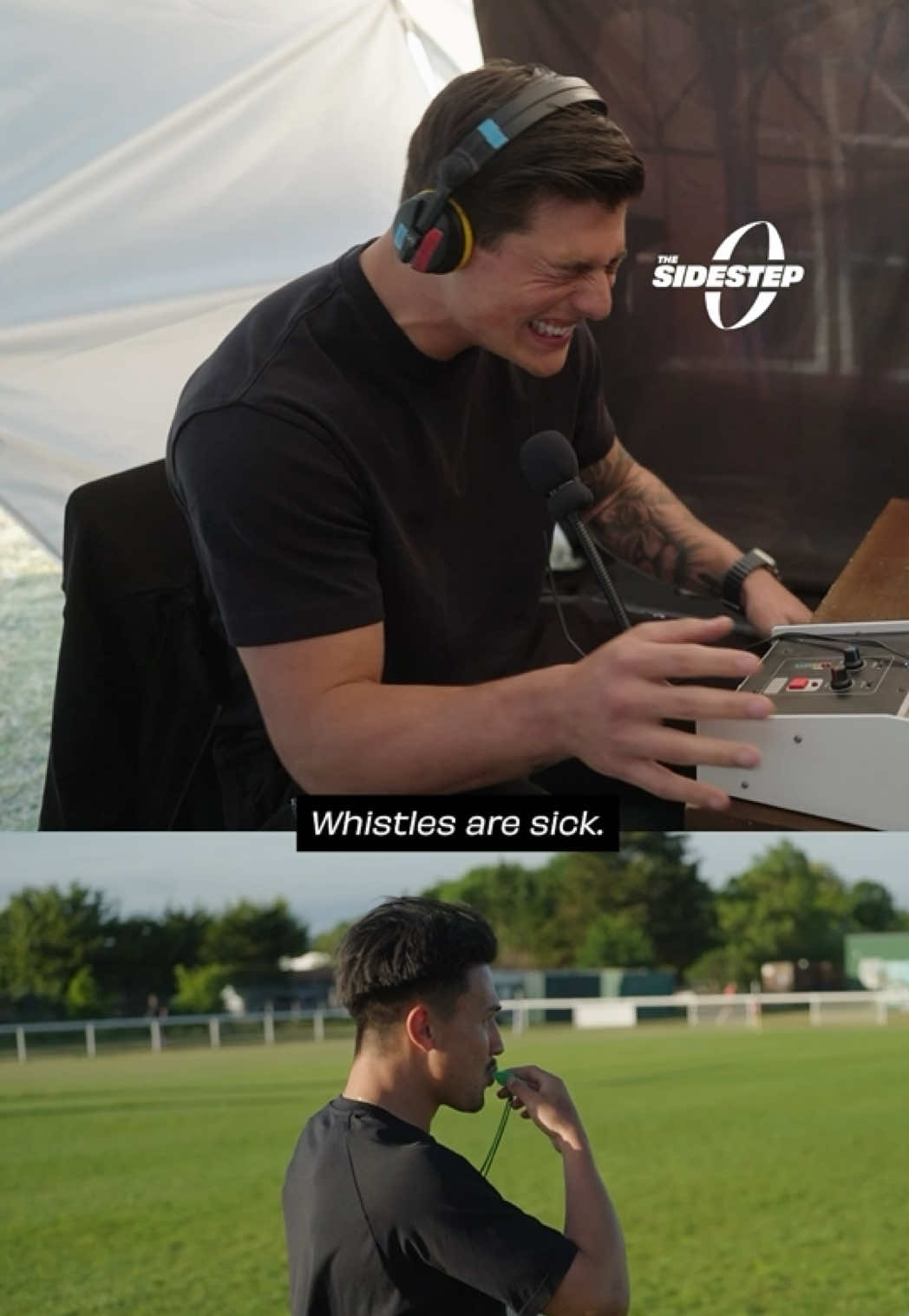
“Whistles are sick!”
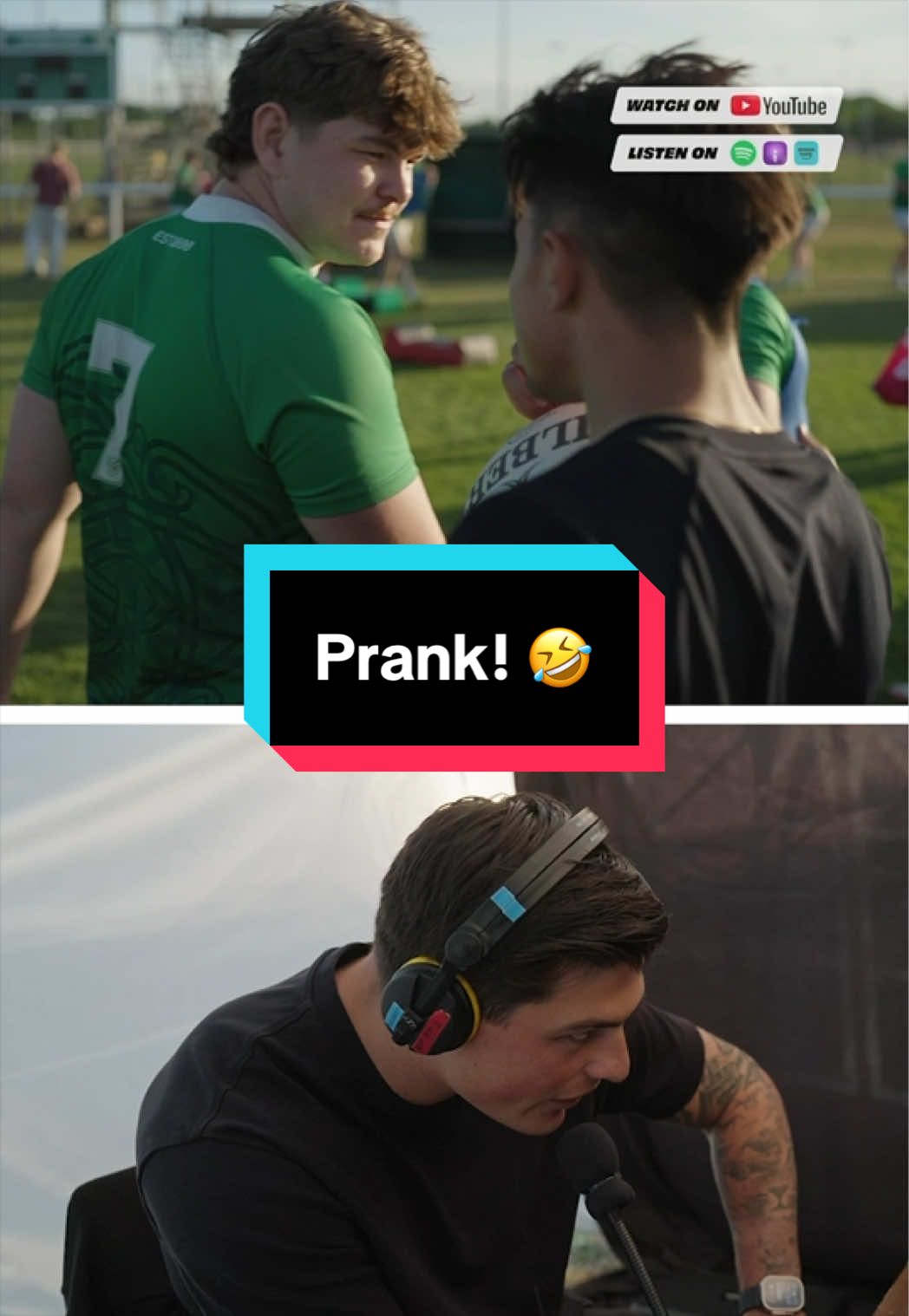
This was absolute carnage 🤣
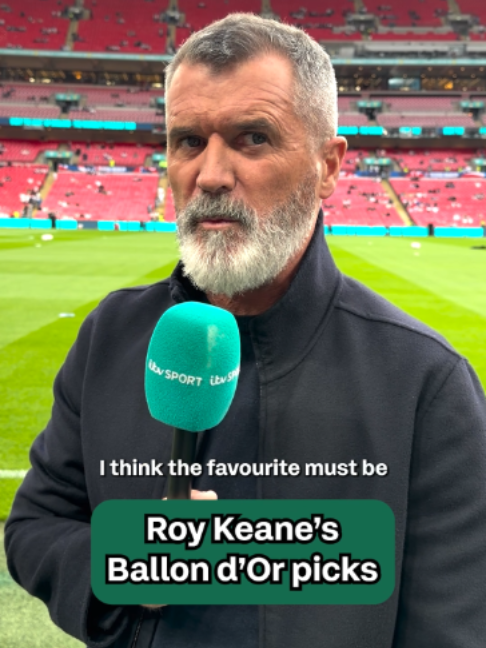
Who does Roy Keane think should win the Ballon d'Or tonight? 🔊🏆
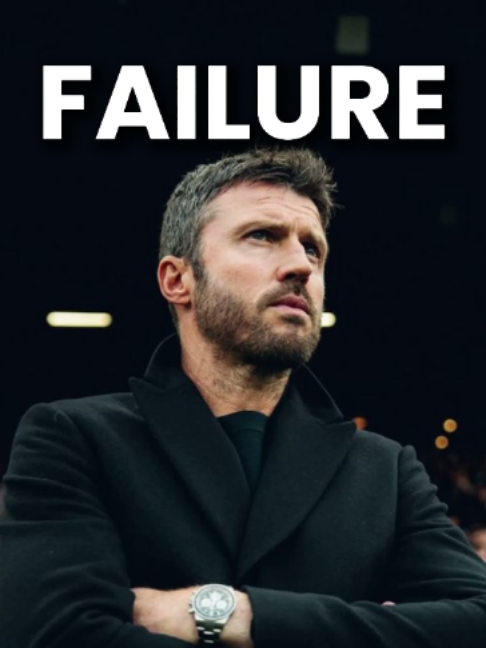
carrick sacked today carrick sacked carrick interview buno fernandes interview manchester united 0-3 bournemouth
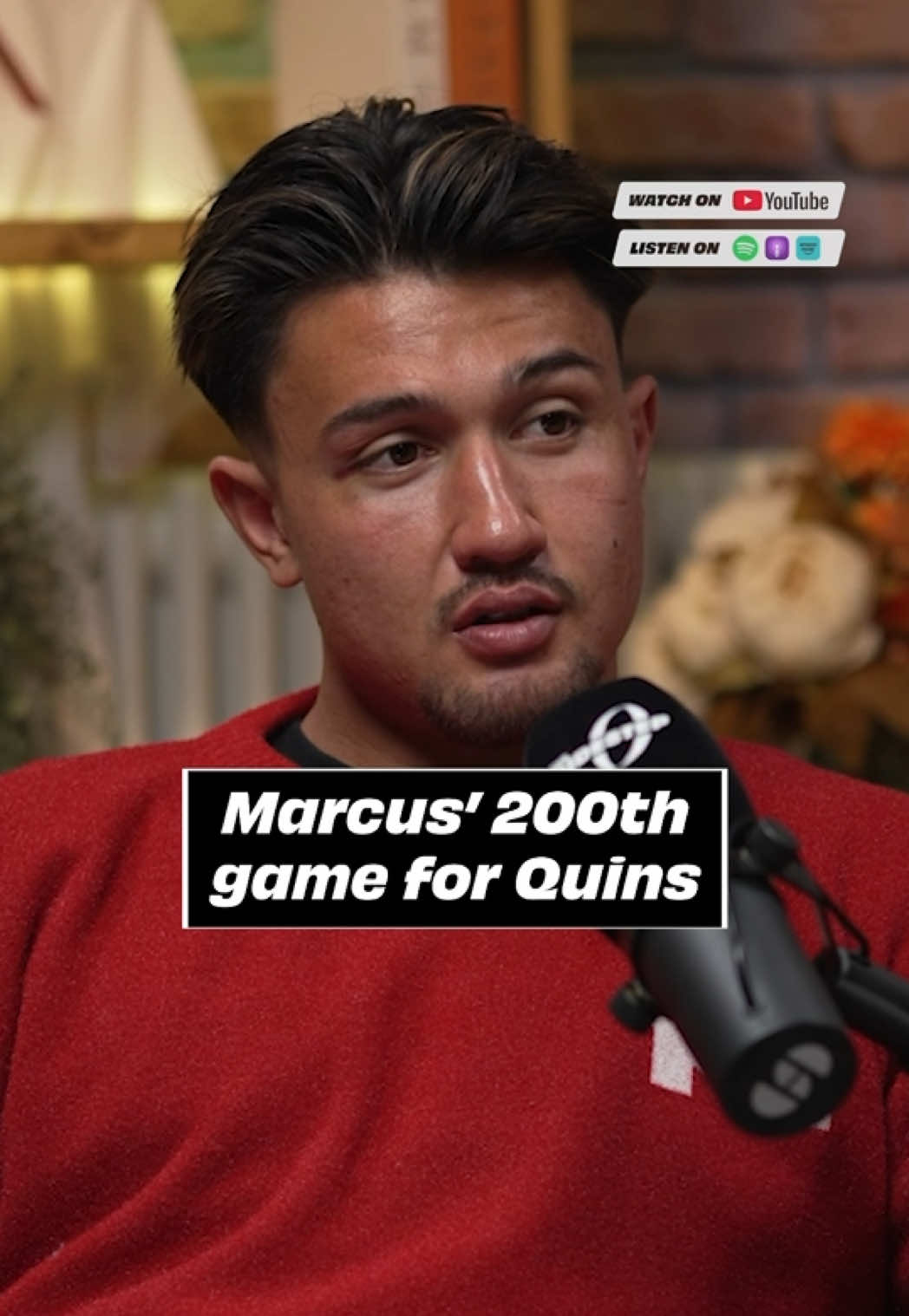
2️⃣0️⃣0️⃣
 Links
Links
 Contact
 App
App