



The 'Foreign Athlete Fever' in Vietnamese Sports: Premium Fuel and the Sustainable Development Challenge



Recently, Vietnam's sports scene has witnessed an unprecedented "foreign athlete fever." Not only in football, but also at the Ho Chi Minh City Television Cup Cycling Race 2026 and the first round of the national volleyball championship, the presence of foreign athletes has injected fresh vitality, while simultaneously raising many questions about the long-term development of domestic sports.
The first round of the 2026 national volleyball championship recorded about 20 foreign players from countries like Thailand, Iran, Cuba, Germany... The diverse playing styles of athletes such as Ali Haghparast (Iran) or Ivana Vanjak (Germany) have established a new "standard" of professionalism, forcing domestic athletes to change their mindset and training intensity.
Meanwhile, at the Ho Chi Minh City Television Cycling Cup, the wave of foreign athletes is even stronger, with 13 riders from top-tier sports nations like Russia, Italy, Colombia. Names like Marchuk Dzianis (Kenda Dong Nai) with four stage wins, or Anton Popov (Thanh Hoa), who helped his team achieve its first historic victory, have demonstrated superior caliber. Major overall prizes like the Blue Jersey, Red Jersey, or Yellow Jersey are hard to escape the grasp of these high-quality riders.
It is evident that the impact of foreign athletes is significant, similar to what has been happening in football. They not only elevate the quality of competitions, creating exciting contests, but also provide clubs with immediate "tactical cards" to change the game's dynamics. However, this superiority also exposes an unpleasant reality: the considerable skill gap between Vietnamese athletes and the world.
The dominance of foreign athletes in recent tournaments reveals a situation: most teams and racing squads place absolute trust in foreign athletes for key positions. In volleyball, they are the main scorers; in cycling, they dominate crucial stages and individual titles. The question arises: is this promoting or inadvertently causing Vietnamese sports to fall into a state of "dependency"?

Pham Le Xuan Loc (center), despite facing foreign competitors, still fiercely contested the Red Jersey "King of the Mountain" at the Ho Chi Minh City Television Cup Cycling Race 2026. Photo: Hoang Linh
Looking at the lesson from football, after years of witnessing foreign strikers dominate the forward position, domestic football still struggles to find genuine "number 9s." Dependency on foreign athletes for key positions can bring immediate wins for teams, but inadvertently reduces opportunities for young Vietnamese talents to play and develop.
Can other sports adapt faster to avoid repeating this mistake? The answer is likely yes, but requires a systematic strategy. The biggest difference between football and sports like cycling or volleyball is the systemic nature and foundation of youth training. Vietnamese football has established a certain groundwork with youth leagues and academies. Meanwhile, volleyball and cycling are still in the phase of systematically building their next generation.
The trend of foreign athletes coming to compete in Vietnam will increasingly grow. This is a positive signal of a professional sports sector actively integrating with the world, and also reflects the value of Vietnam's tournament system having high organizational and professional quality, or prize money.
To turn this into endogenous strength rather than dependency, Vietnamese sports needs a dual strategy: Use foreign athletes as a benchmark to heavily invest in youth training. Instead of solely relying on acquisitions, teams and racing squads need to concurrently build training centers with modern curricula, using outstanding foreign athletes as models to strive for.
The remarkable rise of Pham Le Xuan Loc, who fiercely contested the Red Jersey "King of the Mountain" amidst competition from foreign athletes, is proof. For Sports Federations, which approve the quota of foreign athletes and design technical barriers, their choices at each moment should also be based on the actual state of the sports they manage, avoiding the situation where when foreign athletes "leave," the tournament quality also "departs."


Wonderfulshortvideo
harry kane ballon d’or speech harry kane interview harry kane acceptance harry kane instagram


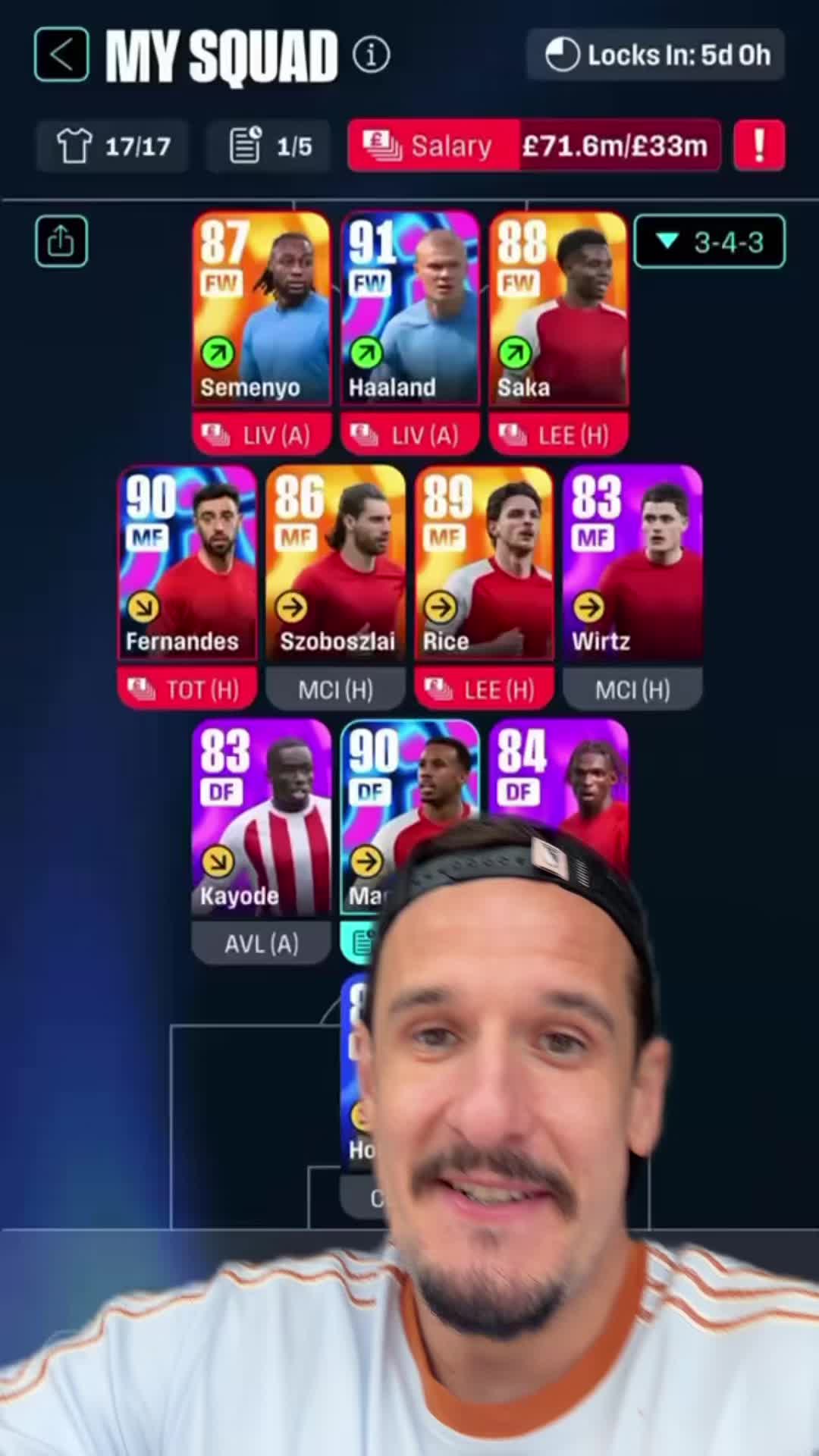
Struggling to stay under my salary cap on @CLUB

User PANDATV has posted a video.

“Whistles are sick!”

This was absolute carnage 🤣

Who does Roy Keane think should win the Ballon d'Or tonight? 🔊🏆
carrick sacked today carrick sacked carrick interview buno fernandes interview manchester united 0-3 bournemouth
 Links
Links
 Contact
 App
App