



MU - Brentford: Bruno Fernandes excels both in midfield and on the wings!



In the win against Chelsea, Matheus Cunha's goal from Bruno Fernandes' pass clearly reflects a tactical trend that is defining MU's approach.
Under manager Michael Carrick, Bruno is no longer confined to the central area but is granted the freedom to move flexibly to both wings, creating crucial focal points in the team's attacking organization.
Bruno's "Privilege"
Carrick admitted he did not directly create that goal, but the system he built allowed Fernandes to maximize his potential. Replacing Ruben Amorim in January led to significant adjustments, especially in the offensive operation. Among these, the freedom given to Fernandes became a core element.
One of the most notable aspects of MU's current play is leveraging numerical superiority on the flanks, with Fernandes playing a central role. Instead of maintaining a fixed position in midfield, the Portuguese midfielder frequently moves to both wings to coordinate or exploit space behind the opponent's defense.
In the victory over Crystal Palace, Fernandes started centrally as the team developed play on the right wing. However, once the ball was moved wide, he immediately accelerated into the space behind the opponent's left-sided center-back. This movement forced Palace's defense to stretch, allowing teammates to utilize space near the edge of the penalty area.
A similar scenario occurred in the match against Arsenal. After winning the ball, Fernandes not only maintained tempo but also stretched the opponent's defensive system with intelligent movements. This enabled Cunha to break through and finish for the goal. Here, Fernandes' role was not in the final touch, but in creating imbalance in the defensive setup.
According to SkillCorner data, most of Fernandes' through passes under Carrick originate from the wings. This indicates a clear shift in how he participates in the build-up process.
This approach makes MU more flexible in attack. Instead of relying entirely on central combinations, they can stretch the opponent's formation, opening gaps in different areas of the pitch.
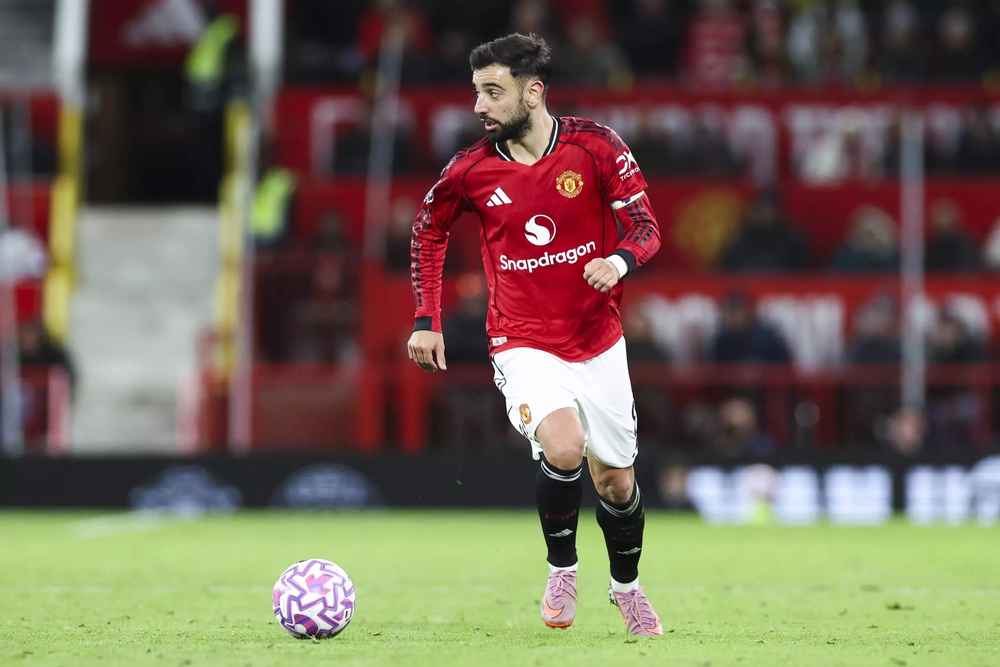
Bruno Fernandes' versatility makes MU's attack unpredictable
MU's attack is increasingly unpredictable
In the match against Fulham, Fernandes initially stood centrally before moving to the right wing to support. After receiving the ball, he executed a clever dummy move, eliminating the defender before assisting Benjamin Sesko for the decisive goal. This situation demonstrates a combination of vision, technical skill, and tactical thinking.
Another example comes from the win over Aston Villa. When the team counter-attacked, Fernandes exploited space on the left wing to deliver the decisive pass to Cunha. Notably, the coordination among attacking players: early movements by teammates stretched the opponent's defense, allowing Fernandes to showcase his passing ability.
The goal against Chelsea also clearly reflects this mechanism. Fernandes moved into the space behind the wing-back, received the pass, and assisted Cunha's goal. This was not a random occurrence but the result of an intentional operating system where players understand their roles and timing of movement.
Carrick emphasized that MU maintains clear tactical structure and principles, but also empowers players to leverage their strengths within that framework. Fernandes is a prime example of this approach. He is not only the playmaker but also a difference-maker through adaptability and game reading.
In modern football's increasing emphasis on flexibility, the role of players with versatile movement like Fernandes becomes particularly crucial. If this effectiveness is sustained, MU's attacking system under Carrick could become even more unpredictable in the final stages of the season.


Wonderfulshortvideo
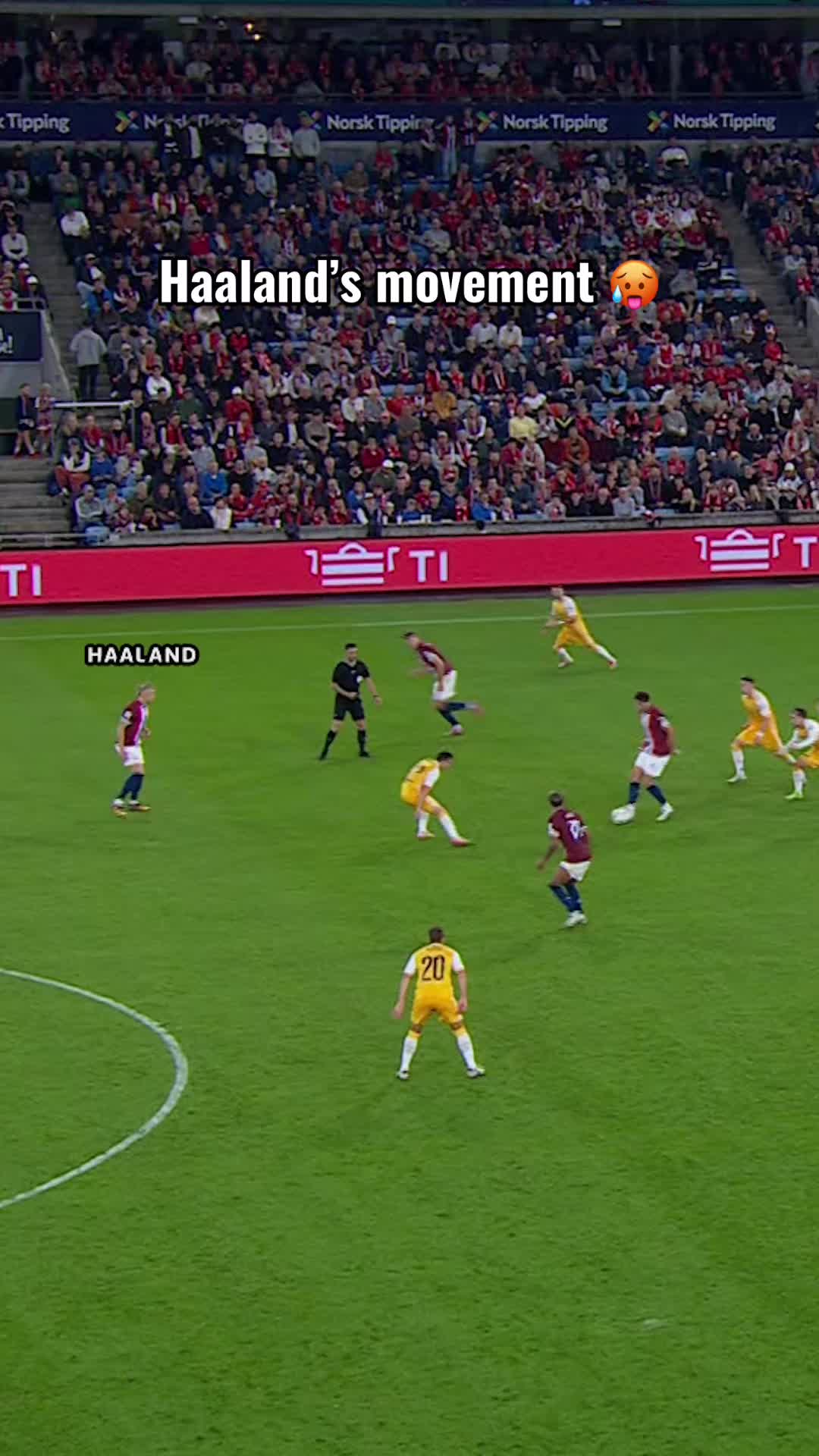
So hard to defend against 👏


No better way to start your day 🥶🥶
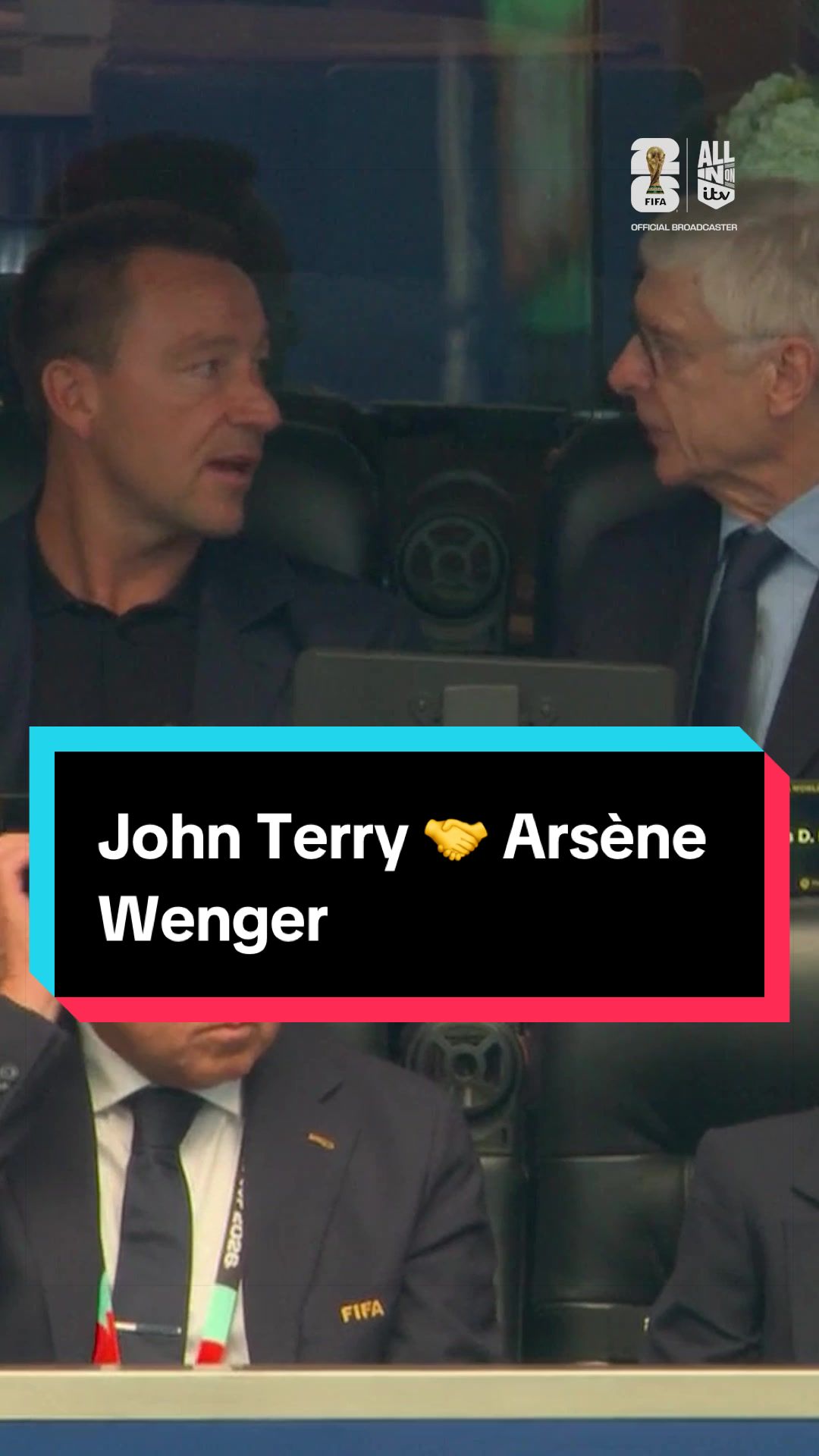
What are John Terry and Arsène Wenger chatting about here? 💭
"It's magic - it's magic, football, sometimes" ✨
"He is without doubt ELITE!" 🙌
america world cup usmnt pulisic goal today america goal usa world cup highlights balogun goal today

messi hat trick messi goal today messi highlights vs algeria argentina vs algeria highlights messi ig story ig post messi interview
 Links
Links
 Contact
 App
App


