



The Guangdong Practice of City League 2.0



Chief Reporter Chen Yong reported On April 25, the Guangdong Provincial City Football Super League (hereinafter referred to as Yue Super) grandly opened at Guangzhou Yuexiushan Stadium. The nation's top economic powerhouse, Guangdong Province, officially joined the family of China's City League, marking a milestone event in its development. On April 18, the Shandong Province Qilu Football Super League (Qilu Super) opened at Tai'an Sports Center's Taishan Stadium, with the nation's third-largest economic powerhouse, Shandong Province, truly joining the City League family. The city football league (Wu Yue Cup) city championship of the nation's fourth-largest economic powerhouse, Zhejiang Province, opened even earlier on April 6 in Jiaxing. The opening of Yue Super signifies that China's football city league has officially entered the 2.0 phase.
If 2025 is defined as the inaugural year, founding year, and pioneering year of China's football city league, then 2026 is its enhancement year and breakthrough year: in quantity, the city league has expanded from 11 provinces and cities last year to approximately 20 provinces and cities, even extending to regional leagues ( Northeast Super); in quality, the inclusion of the three major economic powerhouses Guangdong, Shandong, and Zhejiang, along with GDP seventh-ranked Hubei Province, eighth-ranked Fujian Province, and other provinces and autonomous regions, has brought a comprehensive enhancement and breakthrough in the competitive coverage and consumption-driving power of the city league, while the competitive level of Su Super has also improved and broken through; in event organization models, the city league has begun to show diversified and even differentiated characteristics, providing more samples for the sustainable development of the future city league.


In 2025, provincial and municipal city leagues were held in 11 provinces and cities, led by Su Super ( Jiangsu Province City Football League) and Qing Super ("Great Beauty Qinghai · Plateau Football" Super League). Although Qing Super was held as early as 2024, it was undoubtedly Su Super that truly drove the development of the city league, created huge舆论效应 and economic effects, and triggered a revolutionary change in Chinese football history: the rapid rise of city leagues.
Following Su Super, Gan Super ( Jiangxi Province City Football Super League), Meng Super ( Inner Mongolia Autonomous Region Football Super League), Xiang Super ( Hunan Province Football League), Liao Super ( Liaoning City Football Super擂台赛), Yu Super ( Chongqing City Football Super League), Chuan Super ( Sichuan Province City Football League), Qiong Super ( Hainan Province City Football League), and Dian Super ( Yunnan Province City Football League) were quickly launched. Except for Liao Super, the models of other city leagues were largely similar to Su Super. Additionally, Hebei Province also had a city league—Hebei Province Five-a-side Football Super League; apart from the event being indoor five-a-side football, other aspects such as home-and-away matches and文旅结合模式 were consistent with other city leagues.

In 2025, Su Super had 85 matches with a total现场观众 of 2,433,339人次, averaging 28,628人次 per match. The final attracted 62,329 attendees, setting a new record for现场观众人数 in Chinese amateur football matches. Xiang Super had 16 matches with over 40,000观众, Gan Super had 7 matches with over 40,000观众, and the Liao Super final had 55,678现场观众.
It is noteworthy that due to the late start of some provincial city leagues in 2025,跨年赛制 was adopted: the 2025/2026 Yu Super final was completed on April 12 this year, with 54,260 fans watching. Ultimately, Yu Super reached 178 matches, becoming the largest completed city league, with现场观众人数 exceeding 2.1 million人次. The 2025/2026 Chuan Super is currently in the finals stage, which is grand in scale: 9 teams play a double循环主客场赛制, totaling 72 matches. The 2025/2026 Dian Super is undergoing第一阶段主客场单循环比赛, with all events预计 to end in July.


"一战城名,粤战粤勇" is the theme slogan of Yue Super. Yue Super also strictly sets参赛标准: current professional players and retired former professional athletes cannot register. Besides身份证属地 and local户籍, another criterion is two years of社保. Student/青少年足球运动员 need to meet the requirement of having full-time学籍 representing the city or being registered青少年运动员 in Guangdong Province. The event covers all 21 prefecture-level cities in the province, divided into East and West zones with 11 teams in the East and 10 in the West. It全程采用主客场制, with常规赛+淘汰赛+决赛 totaling 123 matches over a赛事周期长达7 months. Guangdong, with its超强的经济实力 and football底蕴, has enabled China's football city league to achieve both quantity and quality enhancement.
Besides the three major economic powerhouses Guangdong, Shandong, and Zhejiang, other economic powerhouses or large provinces have also begun to embrace the city league. The Hubei Province City Football League ( Chu Super) opened on April 12 at Huangshi Olympic Sports Center with 27,354现场观众. Chu Super involves 17 cities/prefectures (直管市,林区) in Hubei each forming a representative team.常规赛为主客场单循环, with the top 8 advancing to第二阶段淘汰赛, totaling 146 matches. The Fujian Province City Football League ( Min Super) opened on April 19 at Fuzhou海峡奥体中心 with 51,342现场观众. Min Super has 10参赛球队 representing the province's 9 cities and 1区 ( Pingtan Comprehensive Experimental Zone).

The Xinjiang Football Super League ( Jiang Super) will open on May 16 at乌鲁木齐奥体中心, with 14参赛队伍 jointly formed by Xinjiang's 14 prefectures/cities and neighboring新疆生产建设兵团师市. Matches are divided into South and North zones for常规赛与淘汰赛. The Ningxia Football Super League ( Ning Super) will open on May 1, with参赛球队来自5个地级市及宁东管委会、平罗县及灵武市.
Besides the上述省市级城市联赛, Liaoning, Jilin, Heilongjiang, and Inner Mongolia jointly initiated a regional city league—the Northeast Region City Football League ( Northeast Super). Northeast Super involves each of the four provinces/regions sending two city representative teams: Shenyang, Changchun, Harbin,呼和浩特,大连,延边州,鸡西, and通辽. Northeast Super represents a breakthrough for the city league in以点带面.

Thus, following the 11 provincial city leagues in 2025—Su Super, Qing Super, Gan Super, Meng Super, Xiang Super, Yu Super, Chuan Super, Qiong Super, Dian Super, Liao Super, and Hebei Five Super—in 2026, Yue Super, Qilu Super赛, Wu Yue Cup, Chu Super, Min Super, Jiang Super, Ning Super from 7 provinces, as well as the unique regional city league Northeast Super, have already or will soon be held. Additionally, Guizhou Province held the "Colorful Guizhou" ( county-level) men's football赛 based on "Village Super," though参赛单位 are not prefecture-level行政区划代表队, its性质 is similar to city leagues. Similarly, Guangxi County Football Super League ( Guangxi County Super) shares similar性质 with Guizhou.
Preliminary statistics show that provinces and cities holding city leagues have reached 20, including 17 with参赛单位 as prefecture-level cities, 2 with参赛单位 as county-level districts, and 1 with indoor five-a-side matches. Additionally,河南省等 also intend to develop city leagues.


China's football city league system shares many commonalities: (1) The first major共性 is its群众赛事属性, including the amateur nature (or为主) of参赛球员 and low票价面向广大球迷, e.g., Yue Super统一定价8.8元人民币. (2) The second major共性 is地域属性, more precisely the行政区划代表队性质,对应中国固有的乡土情结 and城市化进程之后的城市荣耀. Guangdong Province is the most典型结合 of these two cultures, having both完整的文化传承 and新兴的工业和移民城市. (3) The third major共性 is经济属性, i.e., the文旅属性 parallel to体育属性, making the city league an engine for拉动消费 through带动文旅消费. These three共性体现在文化、治理和经济层面, and in previous本报的城市联赛专题,经济、文化和治理体系 were termed the三大底层逻辑 of football development.
Beyond上述, there are two more共性: (4)赛事为政府多部门协同, which is极为罕见的 in Chinese群众体育赛事 and很大程度上催生了联赛的火爆.同时赛事面向所有社会资本开放,体现"有为政府"和"有效市场"相结合. (5) In推广层面充分契合当今的流量时代, besides the自带流量 of city leagues, they充分和其他领域的流量结合. City leagues are not单纯一场足球赛, nor单纯拉动文旅消费, but更成为当今主流文化展现的综合平台.

However, the development process of city leagues also reflects多样化特点: regarding参赛身份 or本土化程度,各省市 still differ. Some provincial city leagues have极为严格的规定, while others are略有宽松 to提升赛事质量.当然各地市的选择亦有不同, e.g.,报道显示 Wu Yue Cup温州队58人名单中, 57人身份证为"3303"开头, and齐鲁超赛的淄博队亦完全坚持本土化属性.
Regarding年轻化层面,各省份亦有区别: Su Super规定每场比赛必须有6名U22球员同时登场, showing its年轻化导向 and emphasis on"快节奏+强对抗" and高度重视竞赛水平. Wu Yue Cup limits高校特长生、职业梯队、退役满4年职业球员等F类球员 to每场最多报6人,同时上场不超过3人,更侧重本土性和草根性.
This多样化、差异化乃至截然不同的发展方向恰恰给城市联赛的发展带来了更多的样本, especially since city league development is only in its second year.未来还需要更长时间的探索才可以实现稳定和成熟. But one thing is毋庸置疑: with Yue Super开启城市联赛全新的发展阶段, this全新的赛事体系 is bringing unprecedented changes to Chinese football.



Wonderfulshortvideo
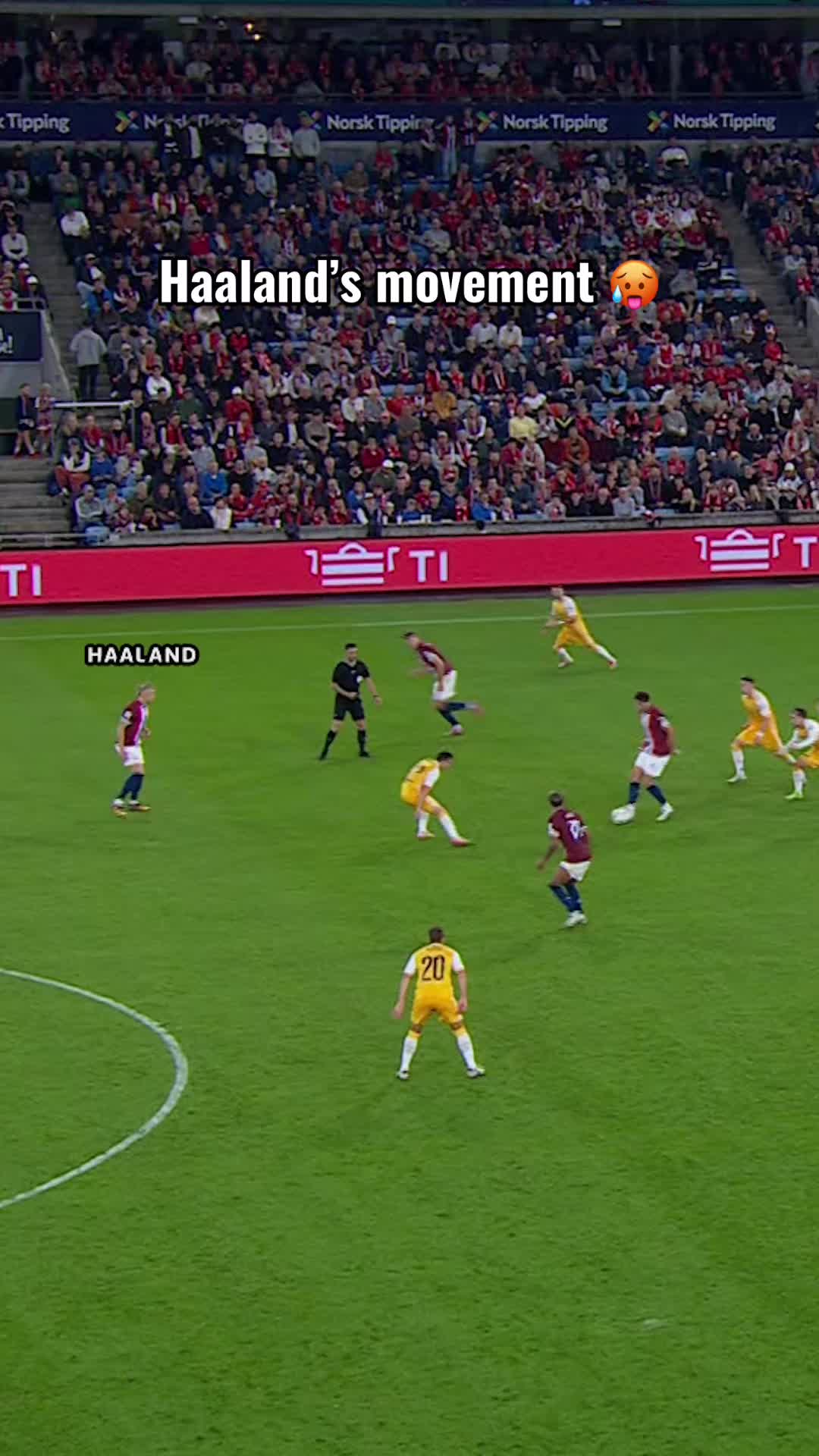
So hard to defend against 👏



No better way to start your day 🥶🥶
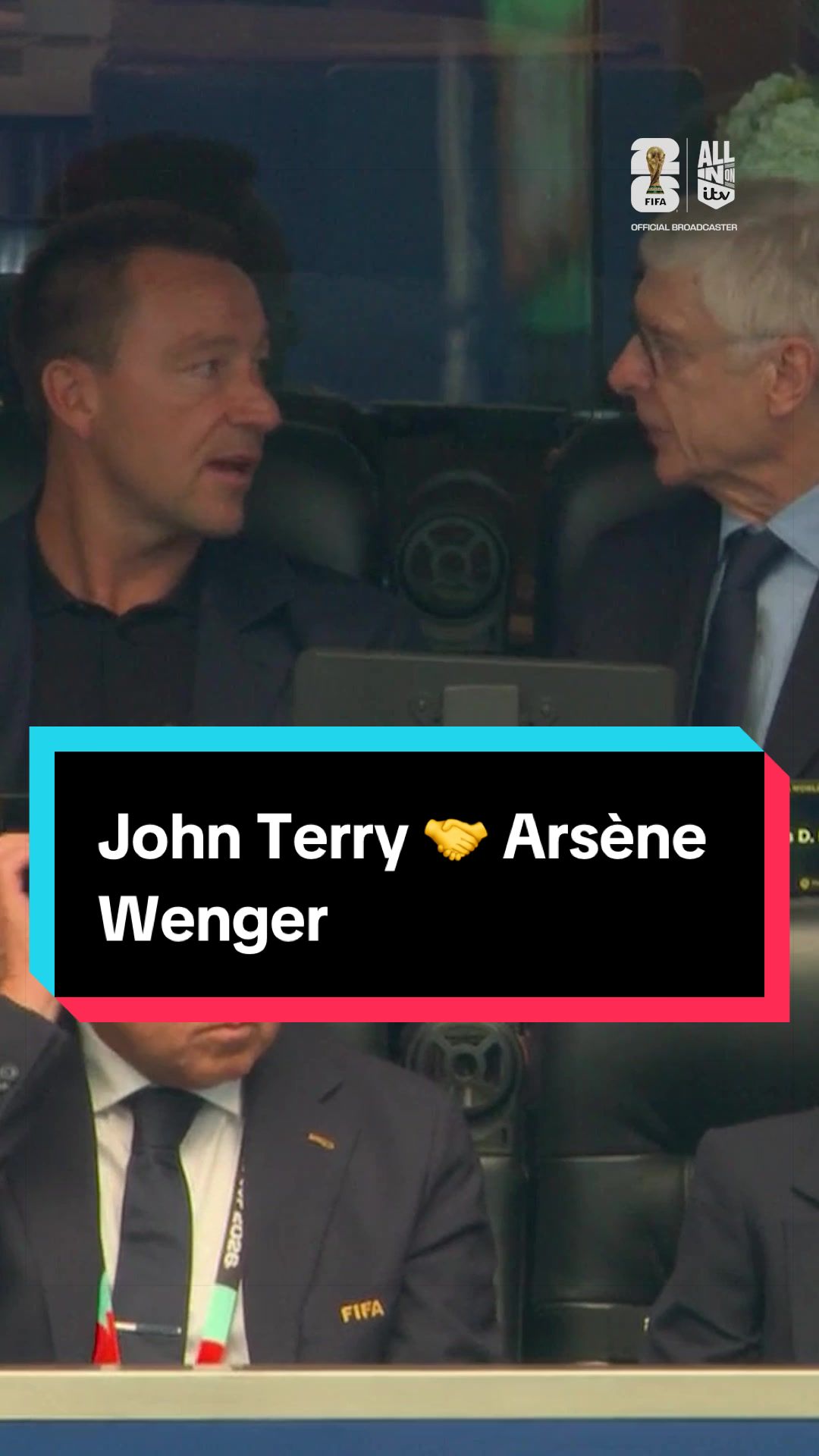
What are John Terry and Arsène Wenger chatting about here? 💭
"It's magic - it's magic, football, sometimes" ✨
"He is without doubt ELITE!" 🙌

america world cup usmnt pulisic goal today america goal usa world cup highlights balogun goal today

messi hat trick messi goal today messi highlights vs algeria argentina vs algeria highlights messi ig story ig post messi interview
 Links
Links
 Contact
 App
App


