



English football cannot succeed in the Champions League: Is the Premier League too demanding?



The Premier League, with its superior financial strength, has become excessively brutal, and this may be the reason why English clubs have failed to achieve success in the Champions League over recent years.
Arsenal is the sole representative from the Premier League in the Champions League semifinals, but they are straining themselves on both fronts. Meanwhile, PSG and Bayern Munich have much more freedom.
English clubs become "lambs in the spring Xseason"
PSG has won 11 of the last 13 French championships and currently leads Ligue 1 with a 6-point advantage over Lens. Meanwhile, Bayern Munich has also secured the Bundesliga title early this season, marking their 13th championship in 14 years. According to Deloitte, Bayern is the world's third richest club in terms of revenue, while PSG ranks fourth.
They will face each other in the Champions League semifinal tonight as two modern "super clubs." The concept of the "Top 5 European leagues" seems outdated. Instead, now only the strongest Premier League teams remain, plus about five or six other names, among which PSG and Bayern are the two best representatives still competing in this year's tournament.
In the past, there was a perception that domestic dominance was a hindrance on the European stage, that lacking competition in national leagues made PSG and Bayern Munich stagnant and complacent, unable to cope with strong opponents in the Champions League.
But now things have changed
The schedule, combined with the high intensity of matches in the Premier League, has made English representatives struggle in the Champions League.
When Michel Platini was UEFA president, he likened English clubs to "winter lions but spring lambs." It seems in recent seasons, this has become even clearer: They are not just lambs, but exhausted lambs, weakened physically, mentally, and emotionally by the relentless pressure of Premier League football.
Meanwhile, Bayern Munich or PSG can rotate players or play leisurely during certain periods of matches, helping them maintain fitness as the season reaches its final stages.
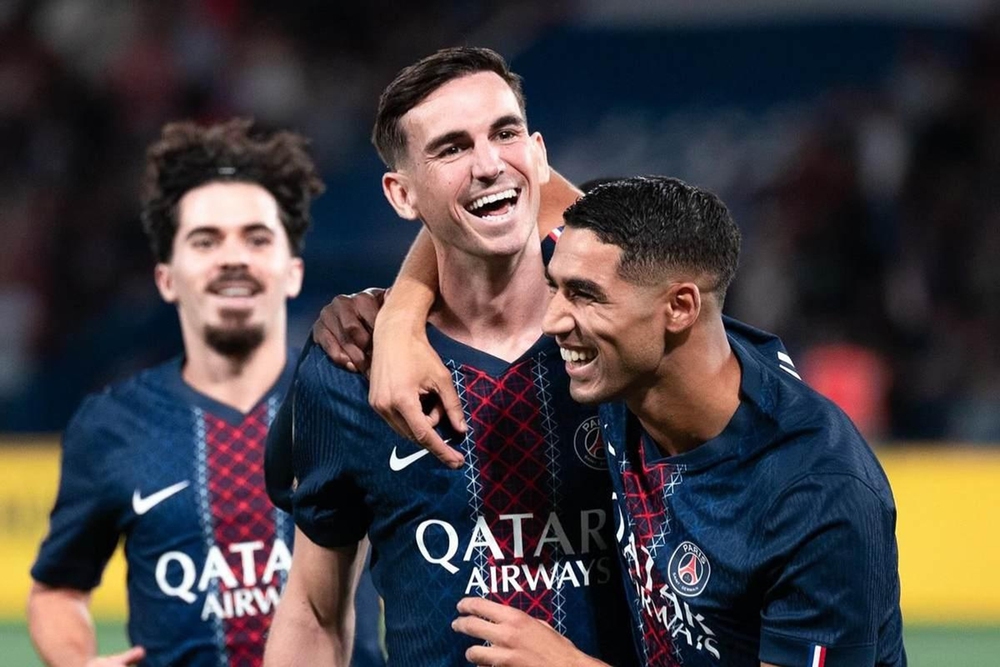
PSG comfortably rotates players this season, while Ligue 1 is not overly demanding
There have been mocking remarks when Arsenal lost a 2-0 lead to draw with bottom-placed Wolves, but Wolves is actually the world's 29th richest club. Their annual revenue is nearly double that of Heidenheim (the bottom team in the Bundesliga) and about eight times that of Metz in Ligue 1. Among the world's 30 richest clubs by revenue, 15 are from the Premier League, while Germany has only four and France only one.
When considering teams outside the leading group, every Premier League club is significantly stronger than teams in equivalent positions in other leagues, which has been demonstrated through dominance in the Europa League and Europa Conference League. Aston Villa ranked sixth in the Premier League last season with revenue of £491 million, while the sixth-placed team in France, Lyon, achieved £141 million, and Germany's sixth-placed Mainz had £105 million.
Tactical issues in the Champions League
But the problem is not only there. PSG under Luis Enrique is a very different collective compared to the team full of "lazy stars" before. Luis Enrique's first major achievement was breaking the club's dependence on big names to create a balanced squad, far from the glamorous but unbalanced nature of the Lionel Messi - Neymar - Kylian Mbappé era.
His second achievement is creating a team that peaks in performance during the crucial months of spring. In the second qualifying rounds of recent seasons, PSG has not been particularly outstanding. They ranked 11th last season and 15th this season. However, entering the knockout stages, everything changes completely. Victories with aggregate scores of 8-2 against Chelsea and 4-0 against Liverpool tell the whole story. PSG may not be very solid defensively, but ultimately, their speed and explosive attack have compensated for everything.
A similar story occurs with Bayern Munich, a team not challenged by any opponent in the Bundesliga this season. Bayern still has vulnerabilities that allowed Real Madrid an incredible comeback opportunity in the quarter-final first leg and made the second leg dramatic. Even in the Bundesliga, Bayern concedes nearly one goal per match.
Like PSG, the German champion overwhelms opponents with terrifying attacking quality. With Harry Kane both scoring and creating space for the fast and technically skilled attacking players around him, including Michael Olise, Luis Díaz, Jamal Musiala, Serge Gnabry (injured), and Lennart Karl.
It can be said that Bayern and PSG are using attack to cover up defensive shortcomings. It is a highly entertaining style and seems to be effective, while English clubs have chosen to revert to defensive play during a period when the tactical trend initiated by Pep Guardiola is fading.
Since the 1992/93 season, in the Champions League arena, Premier League clubs have reached the semifinals 29 times, the finals 13 times, and won 7 championships (by MU, Liverpool, Chelsea, Man City). Meanwhile, Spanish clubs have 13 championships, 18 finals appearances, and 36 semifinal appearances.
German clubs have 4 championships, 9 finals appearances, and 21 semifinal appearances. Italian clubs have 3 championships, 15 finals appearances, and 21 semifinal appearances. French clubs have 2 championships (Marseille, PSG), 4 finals appearances, and 11 semifinal appearances.


Wonderfulshortvideo
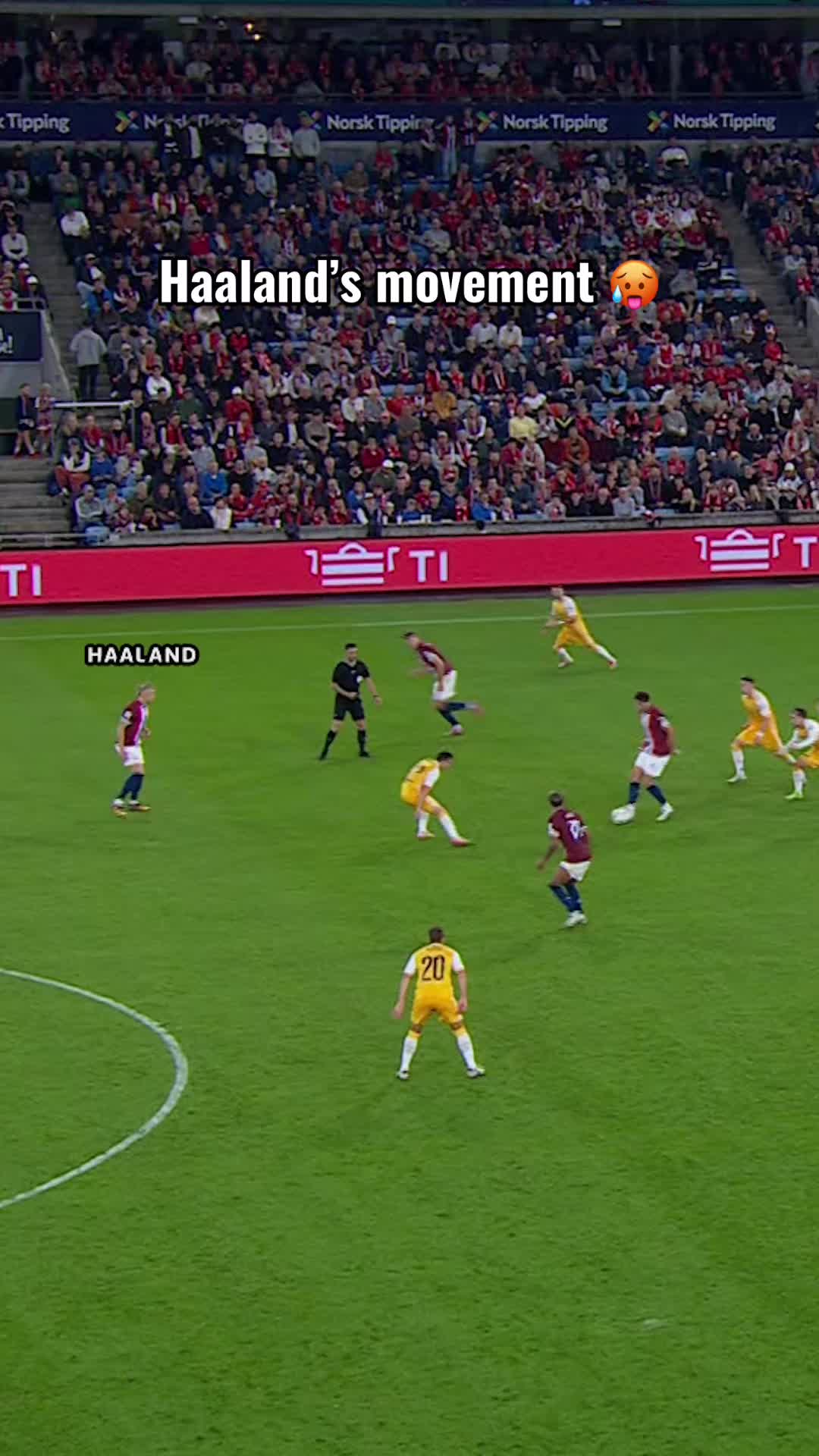
So hard to defend against 👏



No better way to start your day 🥶🥶
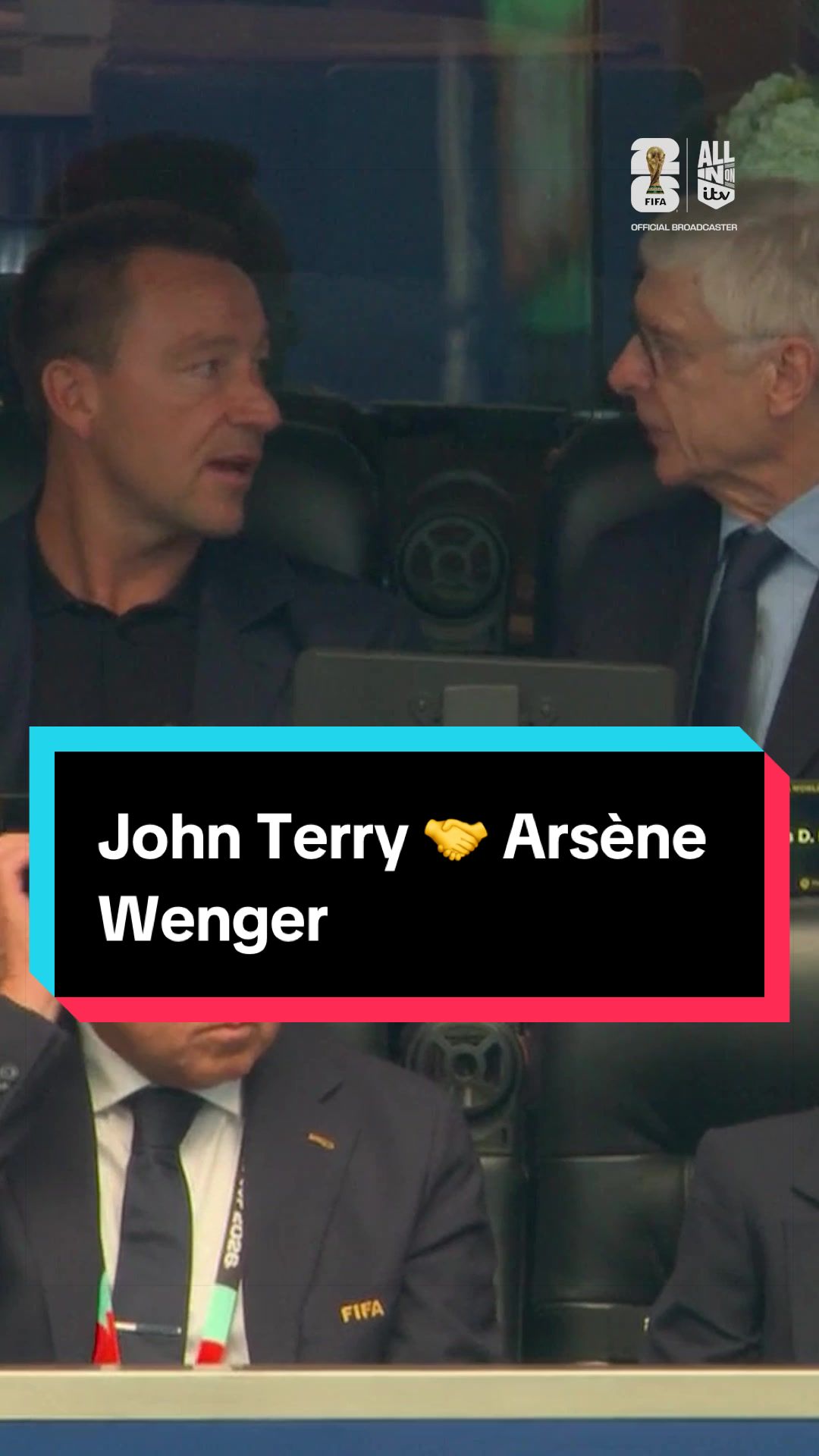
What are John Terry and Arsène Wenger chatting about here? 💭
"It's magic - it's magic, football, sometimes" ✨
"He is without doubt ELITE!" 🙌

america world cup usmnt pulisic goal today america goal usa world cup highlights balogun goal today
messi hat trick messi goal today messi highlights vs algeria argentina vs algeria highlights messi ig story ig post messi interview
 Links
Links
 Contact
 App
App


