



Similarities between the Chinese men's football team and four-star Italy: slow-motion left and right foot movements plus outdated tactics



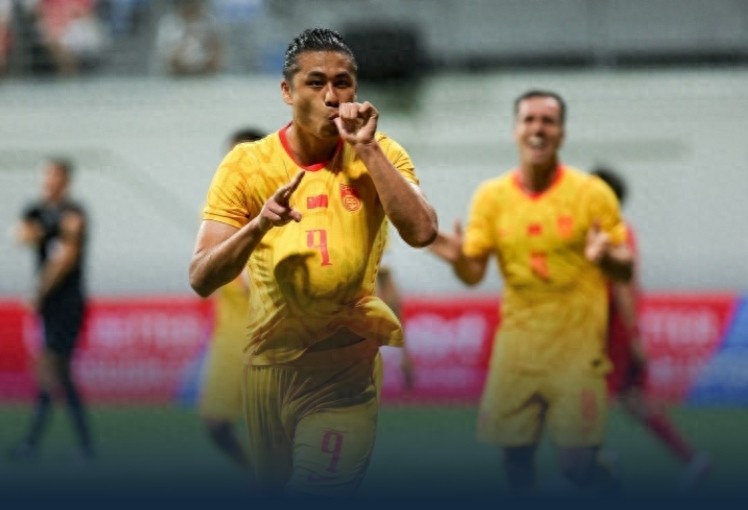
In an international friendly match, the Chinese men's team seemed victorious but was truly defeated. They won 2-1 away against Singapore, yet the game was painfully ugly, with Singapore pressing them hard. Shao Jiayi's substitutions further eroded the morale of the newcomers. China is ranked 94th in the world with a total squad value of €13.3 million, while Singapore is ranked 147th with a total value of €4.38 million. This should have been a mismatch, but China was passive on the pitch, and Shao's changes were chaotic. From a tactical standpoint, Shao Jiayi is a nice figure in Chinese football but not a suitable head coach, as his tactical competence is severely lacking.
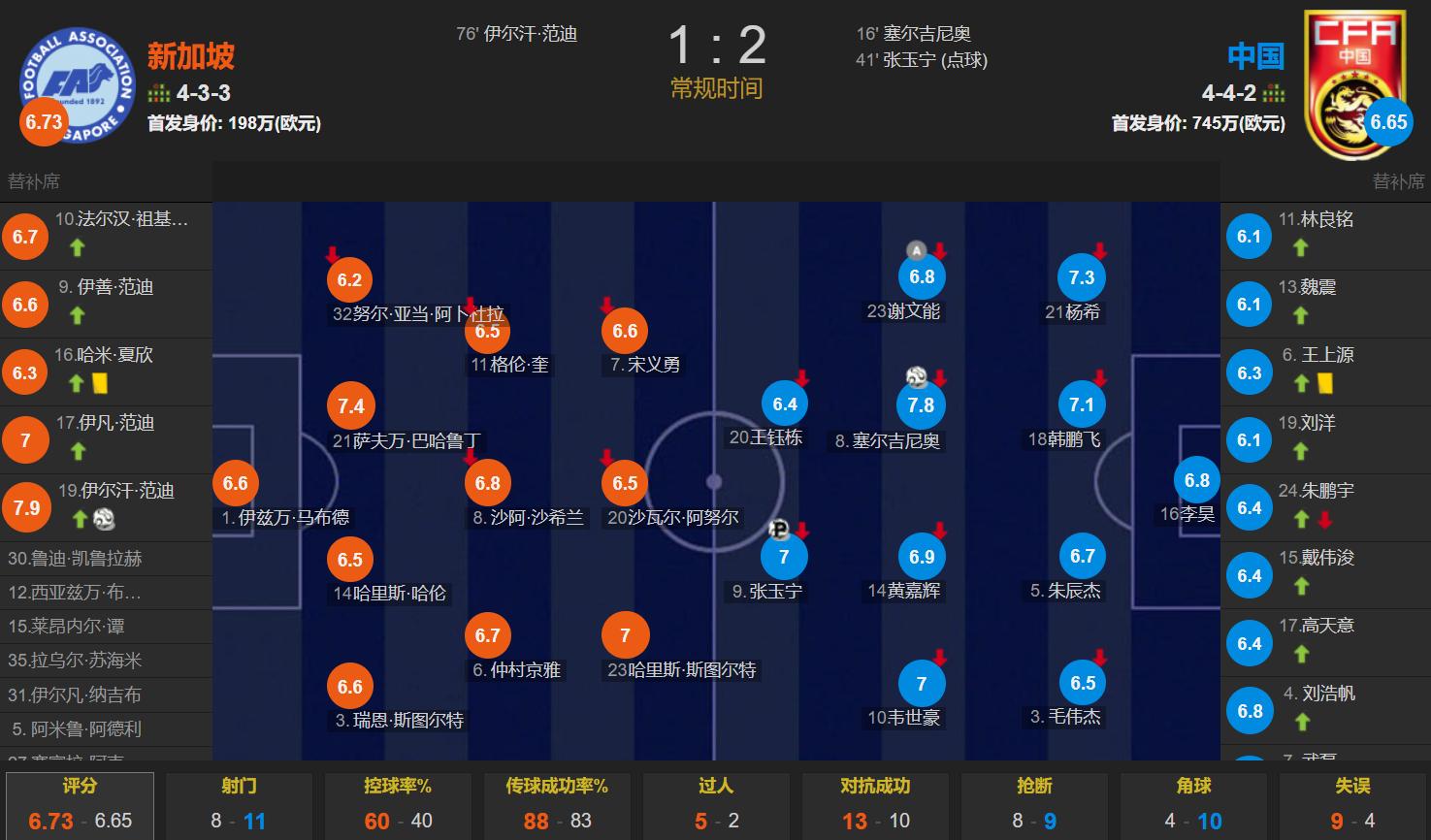
This match exposed the huge gap in quality between China's starters and substitutes, as well as Zhu Chenjie's inability to handle pressure—he has repeatedly made costly mistakes in national team games. Shao Jiayi giving Li Hao his debut was a positive move, as Chinese football needs to boldly use new talent. Shao's insistence on letting Wu Lei reach his 100th cap milestone was also good in intention, but poorly executed. He brought on Zhu Pengyu as a substitute only to later replace him, which deeply hurt the young player's feelings—all just to get Wu Lei onto the field. Shao could have started Wu Lei for the first half; if he lacked the courage to do so against Singapore, it shows doubt in his own tactics and the team's strength. Alternatively, Wu Lei could have come off the bench to replace one of the forwards, without "sacrificing" Zhu Pengyu and putting him through such torment.
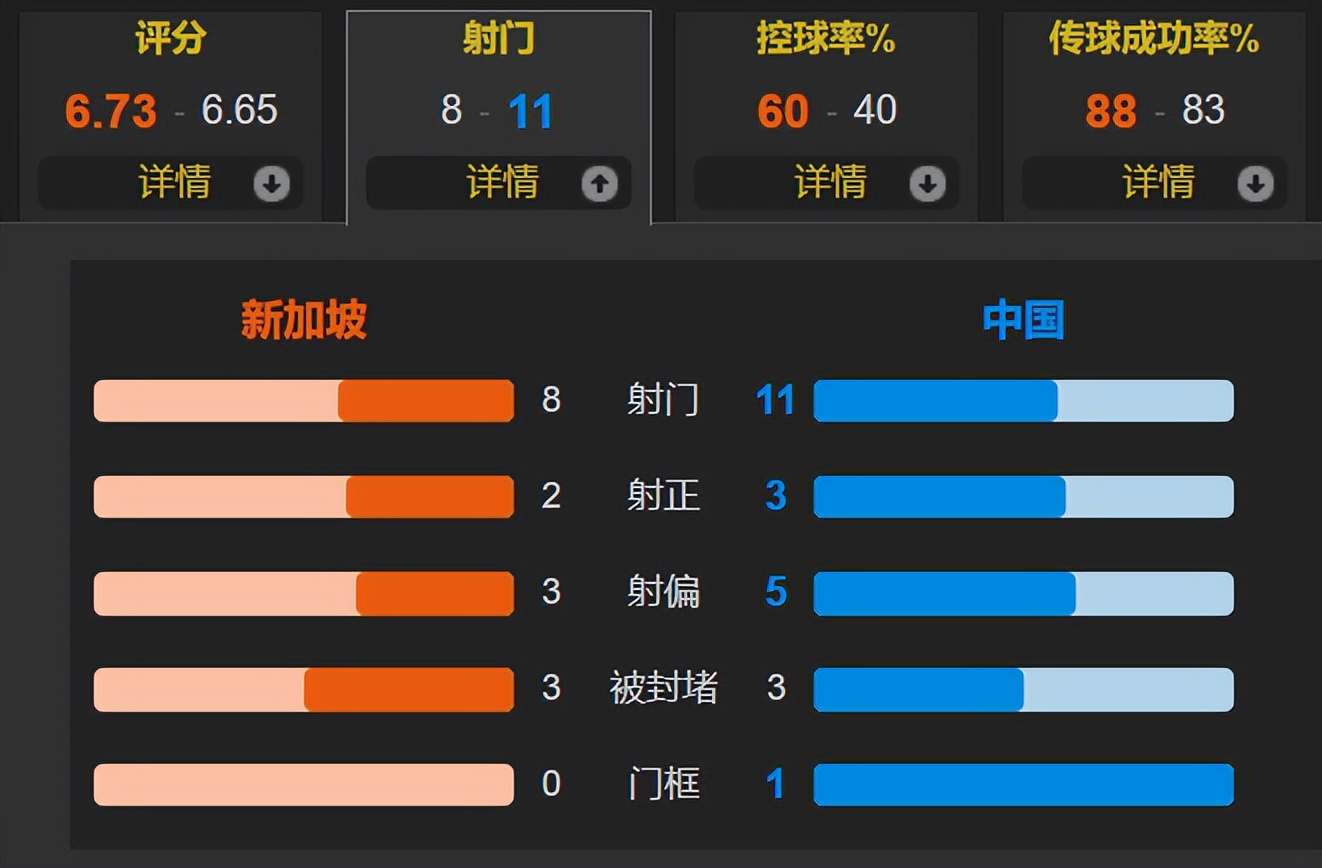
Looking at the match statistics, China had only 40% possession—even against Singapore they were passive, and such tactics reflect cowardice. Four-star Italy has missed three consecutive World Cups, and China has not qualified since the 2002 Korea-Japan World Cup. For the 2026 tournament in the USA, Canada, and Mexico, Asia gets nine spots, but China still won't be there. Why are both four-star Italy and China—a major sports nation—so poor at football? They share a striking similarity: players move in slow motion with their left and right feet, playing at a pace completely out of sync with modern football. Additionally, their coaches employ extremely outdated tactics—Italy relies on counterattacks reminiscent of 20 years ago and was beaten 3-0 both home and away by Norway in World Cup qualifiers, while China's games are all about safe play, sideways and backward passes, with zero attacking intent or creativity. Even against Singapore, the style is painfully backward. If such a Chinese team were to participate in the World Cup, it would be disrespectful to the sport's highest level.
Whether it's Italian football or Chinese football, to improve they must select a truly tactically aggressive and innovative young coach and stick with him long-term. If they continue to play slow-motion, outdated football, they will never progress. In football, it's like sailing against the current: if you don't advance, you fall behind, and the quality of Chinese players is only getting worse.


Wonderfulshortvideo

raphinha assist today lamine yamal goal today brace today vs levante


Follow for more pokemon content! So what do I do with them now?…

arda guler assist today guler vs rayo vallecano mbappe goal today jude bellingham goal today
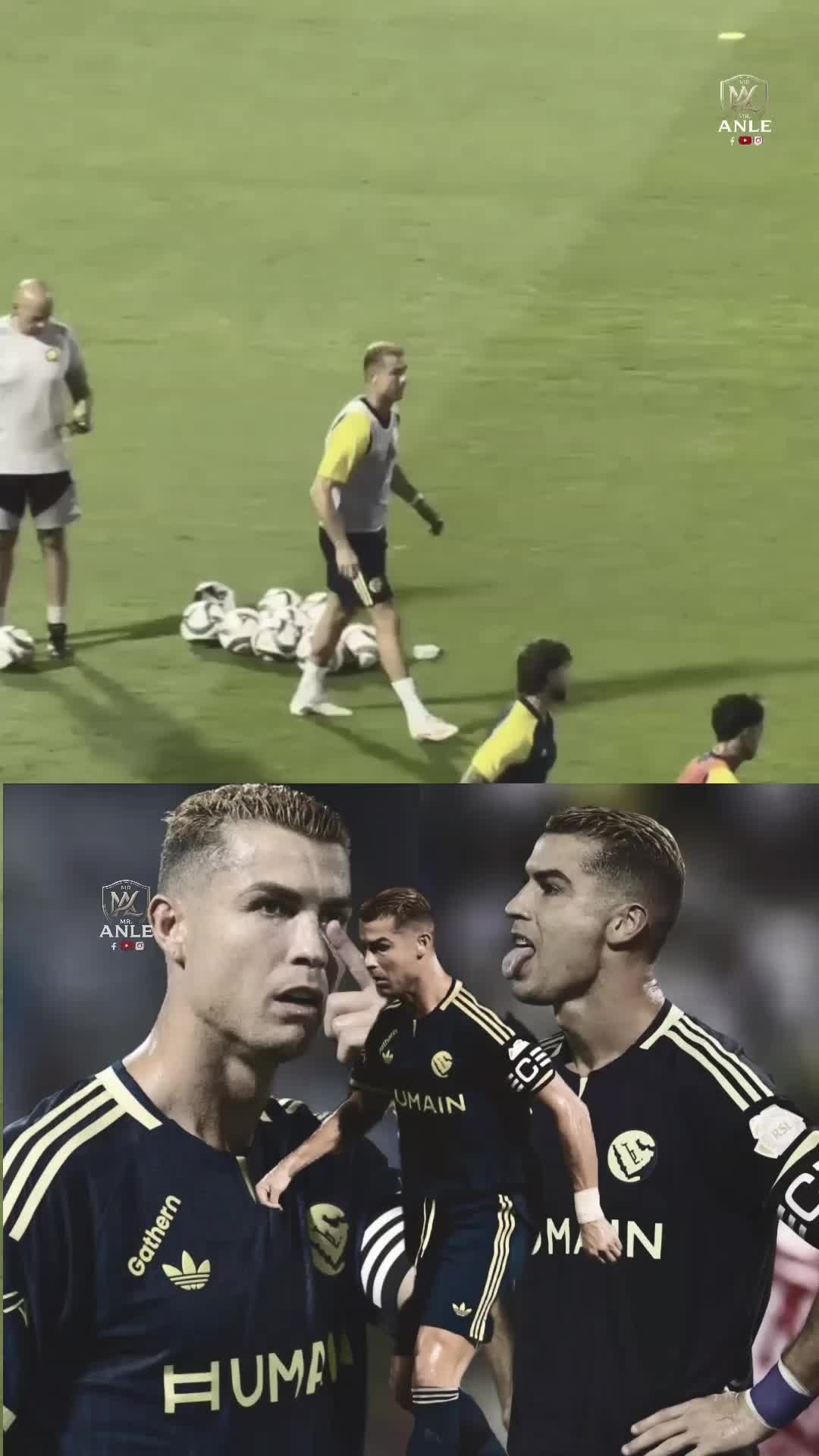
Cristiano Ronaldo and Al Nassr vs Al Khaleej
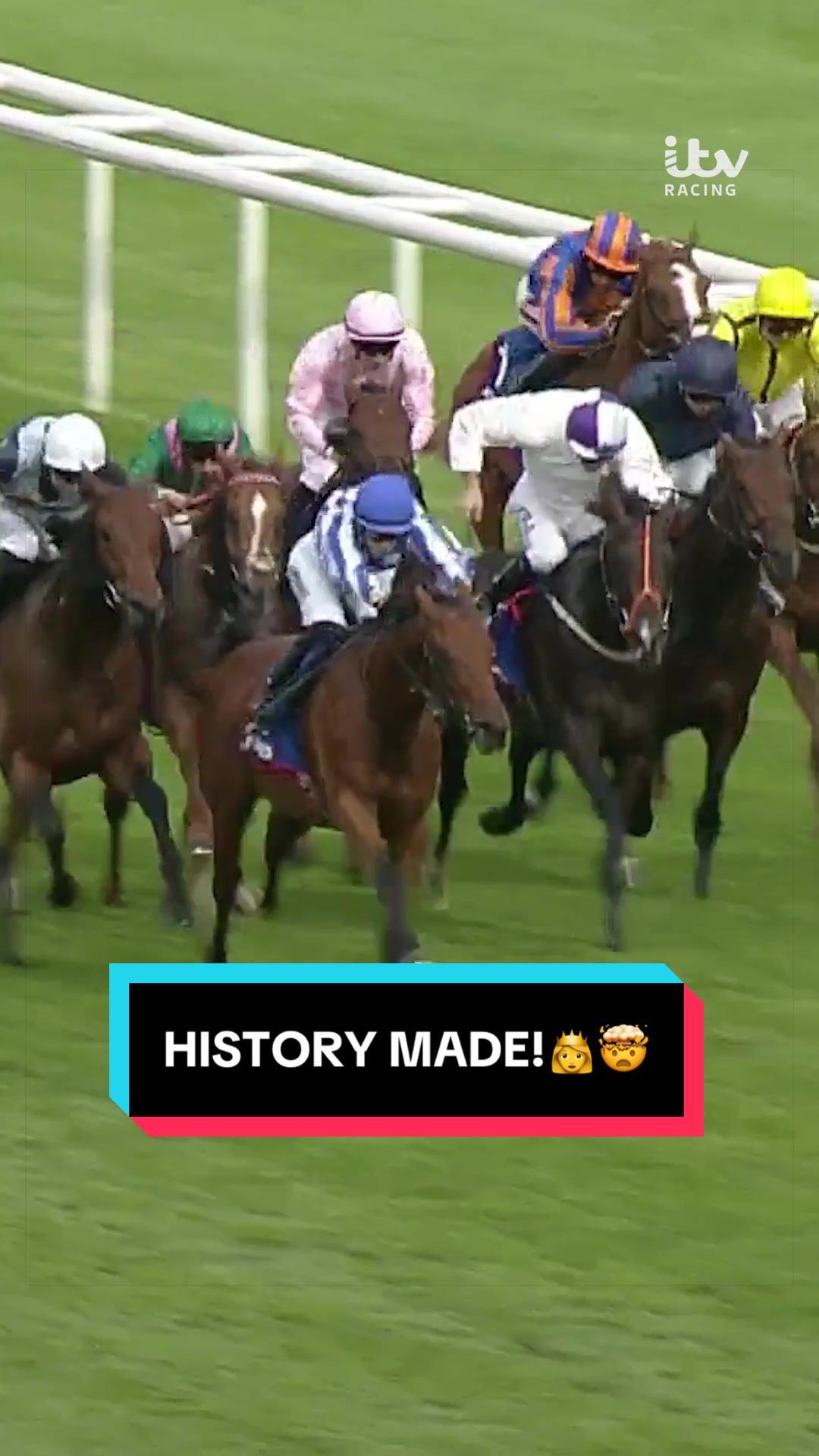
HIGHWAYMAN WINS THE BETFRED ST LEGER! 🏆
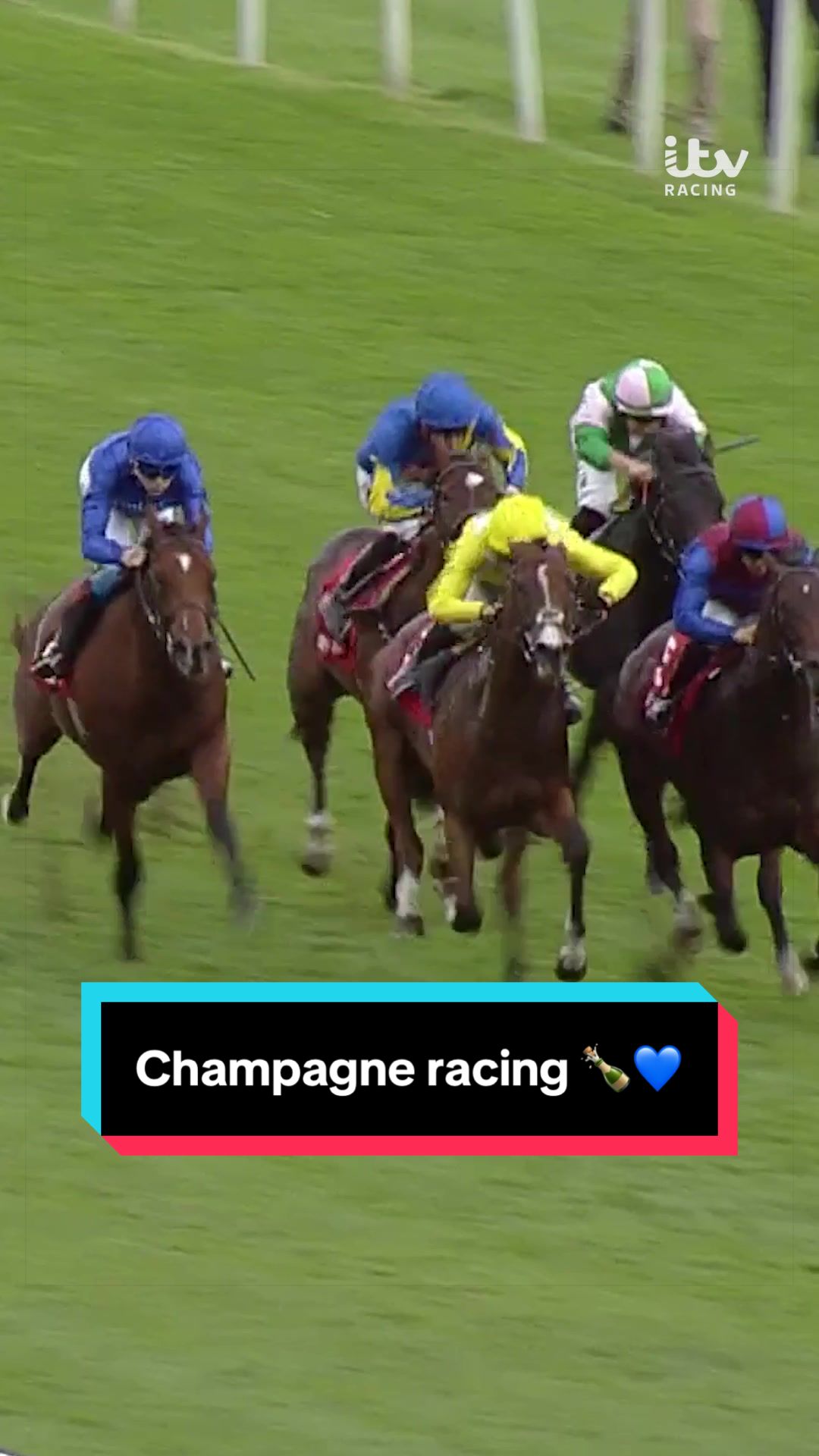
DESERT CASTLE DOMINATES! 🏆🍾

mbappe ballon d'or interview lequipe mbappe edit mbappe interview
 Links
Links
 Contact
 App
App


