



FIFA is targeting the most lucrative World Cup in history.



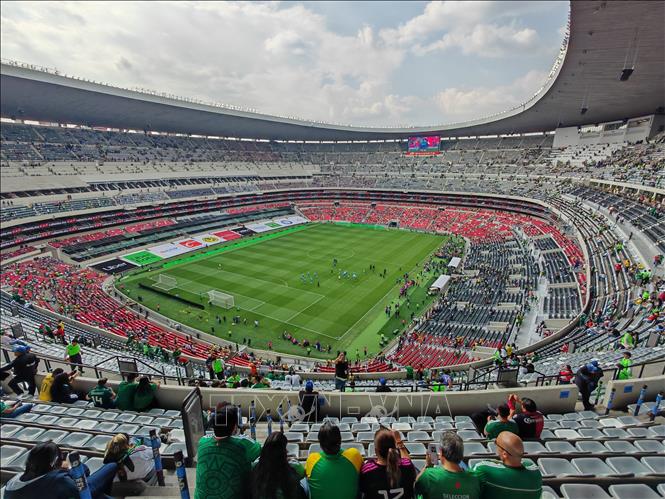
FIFA forecasts that its four-year business cycle, culminating in this summer's World Cup, will generate approximately $13 billion in revenue. Specifically, the tournament hosted by the United States, Mexico, and Canada, kicking off on June 11, is expected to contribute up to $8.9 billion.
This figure is 72% higher than the previous cycle, which ended with the 2022 Qatar World Cup, and more than double the $6.4 billion revenue recorded during the 2015-2018 period. Actual results could be even higher, as FIFA exceeded revenue forecasts by over $1 billion at the 2022 World Cup.
Based in Zurich, Switzerland, FIFA expects to earn nearly $4 billion from television rights for this World Cup and around $1.8 billion from sponsorship deals, including an agreement with Saudi Arabia's oil giant Saudi Aramco. This sponsorship revenue is double the amount from the previous cycle.
However, the strongest revenue growth comes from ticket sales and premium service packages. FIFA projects that revenue from this segment will more than triple, exceeding $3 billion this year. This increase is partly due to the expansion of the tournament from 64 to 104 matches, along with sharp ticket price hikes and fees collected from secondary market ticket transactions.
Some experts believe actual revenue could be much higher. Richard Sheehan, a finance professor at the University of Notre Dame (USA), estimates that FIFA could ultimately collect over $7 billion from ticket sales and VIP seating areas. Notably, FIFA has launched an official ticket resale platform for this World Cup, charging a 15% fee to both buyers and sellers per transaction. That means for every $1,000 in tickets resold on the system, FIFA could earn an additional $300.
World Cup revenue is used to fund FIFA's operations over the subsequent four-year cycle. A portion also goes to replenish the organization's reserve fund, which shrank from $3.9 billion after the Qatar World Cup to $2.7 billion by the end of 2025. FIFA currently operates under a financial plan targeting a surplus of around $100 million per cycle.
However, FIFA's aggressive commercialization strategy is facing growing backlash. Fan representative organizations say the cost of following a team to the final is now more than five times higher than at the 2022 World Cup. They accuse FIFA of eroding the traditional values of the world's biggest football festival.
The attorneys general of New York and New Jersey have also launched an investigation into ticket prices they describe as 'unacceptably high.' Ronan Evain, executive director of Football Supporters Europe, notes that marketing and ticketing officials in any sports organization aim to maximize revenue. However, he says leadership's role is to strike a balance between financial interests and fan rights—something FIFA under Infantino has failed to achieve.
In response to criticism, FIFA has added a small number of cheaper tickets but maintains that its current pricing policy is in line with major events in the host country.
The expansion of the tournament has also stirred controversy. It is part of a lawsuit filed against FIFA by the World Players' Union (FIFPRO) and European Leagues, which represents national championships across Europe. These organizations argue that FIFA has used its regulatory power to advance its own commercial interests, while players and leagues bear the consequences.
Not only how FIFA earns money but also how it spends the proceeds is under scrutiny. The cost of organizing this World Cup is estimated at around $3.8 billion, including increased prize money for participating teams. However, host cities and national governments also have to bear substantial additional expenses for security, transportation, and fan zones.
To offset costs, some local authorities have sharply increased train fares or reduced the size of fan zones, further fueling discontent among supporters.
According to FIFA, all World Cup revenue is reinvested to support the development of men's, women's, and youth football across 211 member associations worldwide. However, critics argue that budget allocation based on an 'equal share for each member' principle is not effective for populous nations like India or Indonesia. For instance, on the small island of Montserrat in the Atlantic, FIFA's support amounts to roughly $2,000 per person per cycle. Meanwhile, in India, the average support per person is only about half a US cent.
Mr. Sheehan says calling FIFA's accounting system merely 'opaque' would be too generous. In his view, when someone spends $800 on a Taylor Swift concert ticket, they know exactly where the money goes. In contrast, with FIFA, fans may pay $1,000 or more but have no idea how the funds are spent. In response, FIFA states that all investments through member associations are regularly monitored and audited by independent auditors.


Wonderfulshortvideo

raphinha assist today lamine yamal goal today brace today vs levante



Follow for more pokemon content! So what do I do with them now?…

arda guler assist today guler vs rayo vallecano mbappe goal today jude bellingham goal today

Cristiano Ronaldo and Al Nassr vs Al Khaleej

HIGHWAYMAN WINS THE BETFRED ST LEGER! 🏆

DESERT CASTLE DOMINATES! 🏆🍾

mbappe ballon d'or interview lequipe mbappe edit mbappe interview
 Links
Links
 Contact
 App
App


