



What makes this World Cup so unique, and what should we watch for?


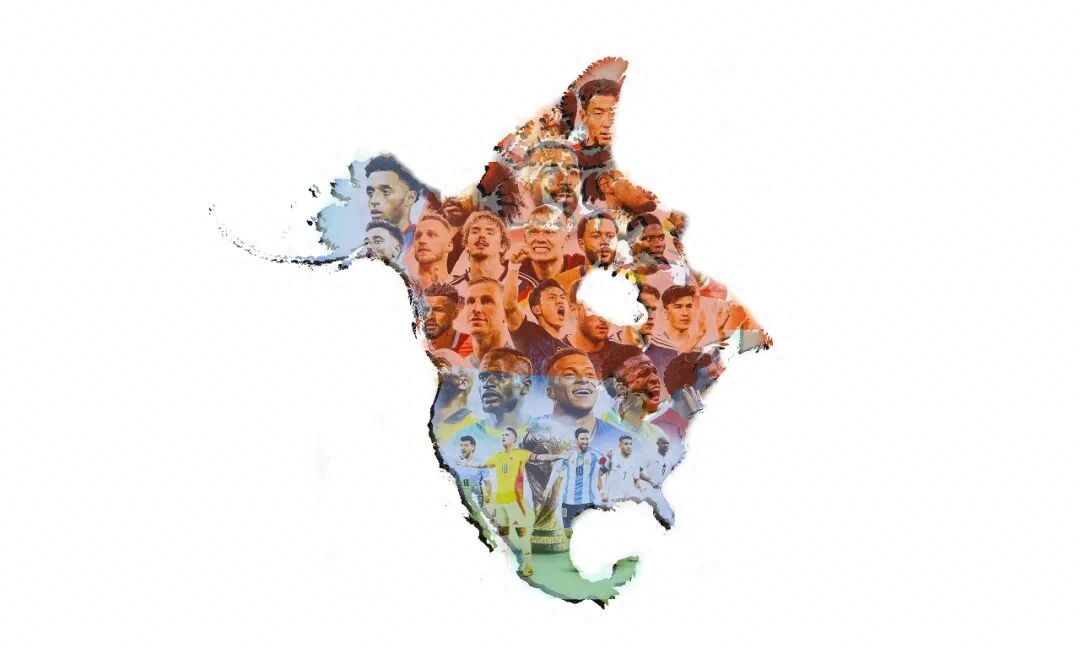
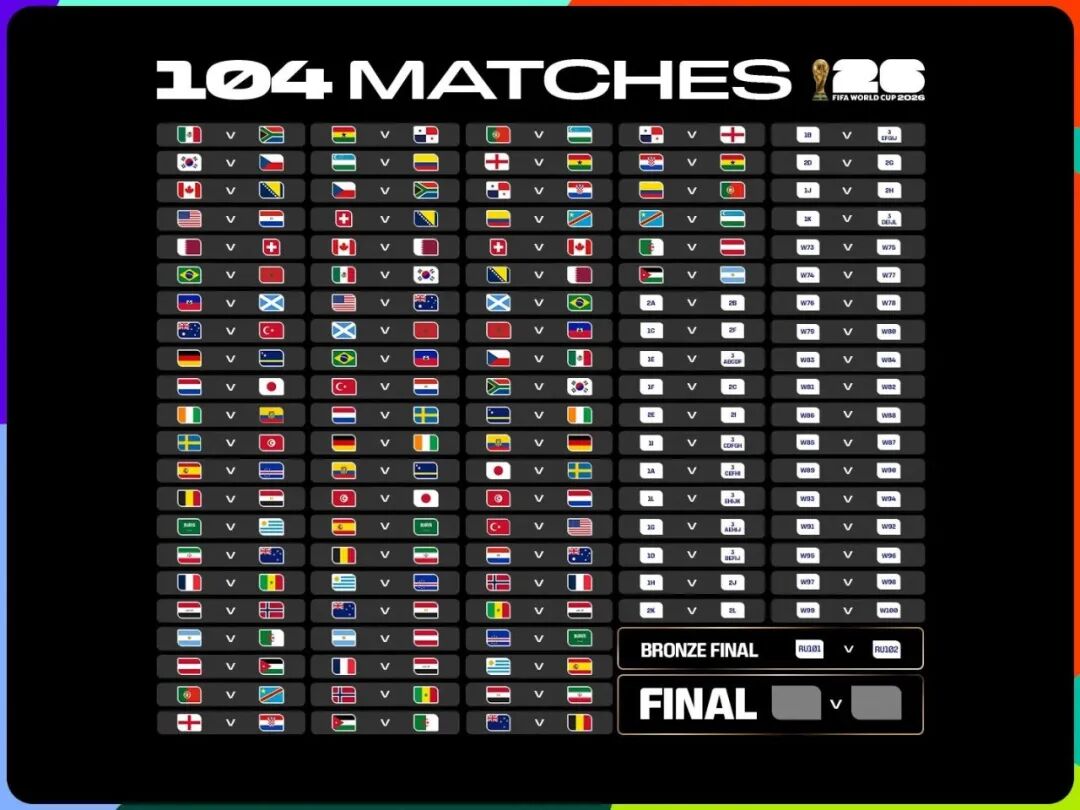
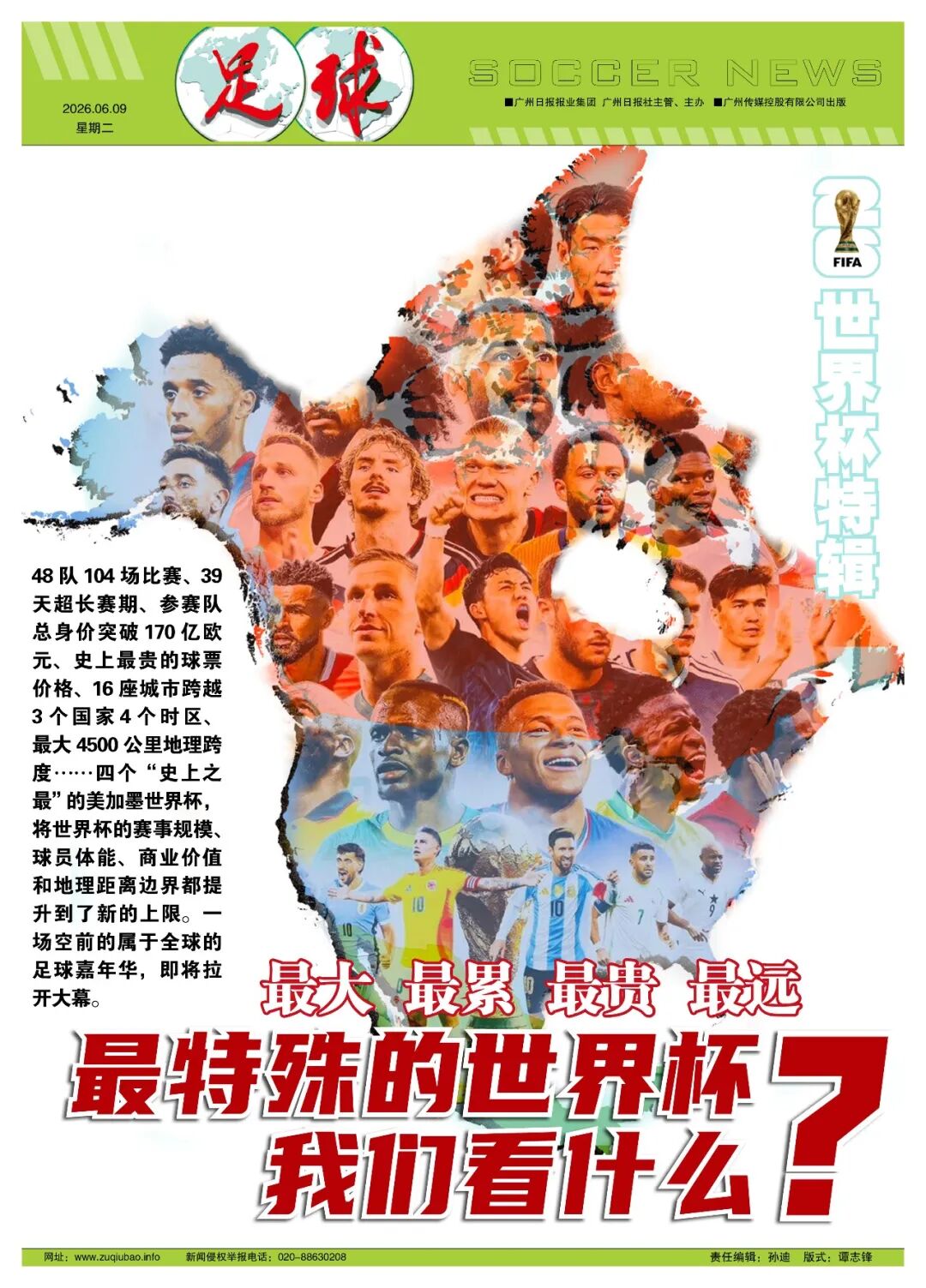
Written by Han Bing On June 11, local time, the 2026 World Cup in the United States, Canada, and Mexico will officially begin. This tournament is destined to go down in history—48 teams, 104 matches, a record 39-day schedule, total squad value exceeding €17 billion, the most expensive ticket prices ever, 16 host cities across 3 countries and 4 time zones, and a maximum geographical span of 4,500 kilometers.
The 2026 World Cup, boasting four "all-time firsts," pushes the boundaries of tournament scale, player endurance, commercial value, and geographical reach to new heights.
This is the largest World Cup ever, with a 50% increase in participating teams to 48, including four newcomers—Curaçao, Cape Verde, Jordan, and Uzbekistan—plus 14 teams making a long-awaited return. With 104 matches and 1,247 players, the tournament enters an era of "hundreds of games and thousands of players." The schedule stretches from 30 to 39 days, and the influx of smaller teams, along with the addition of the round of 32, creates a mix of lopsided scores and potential giant-killing upsets.
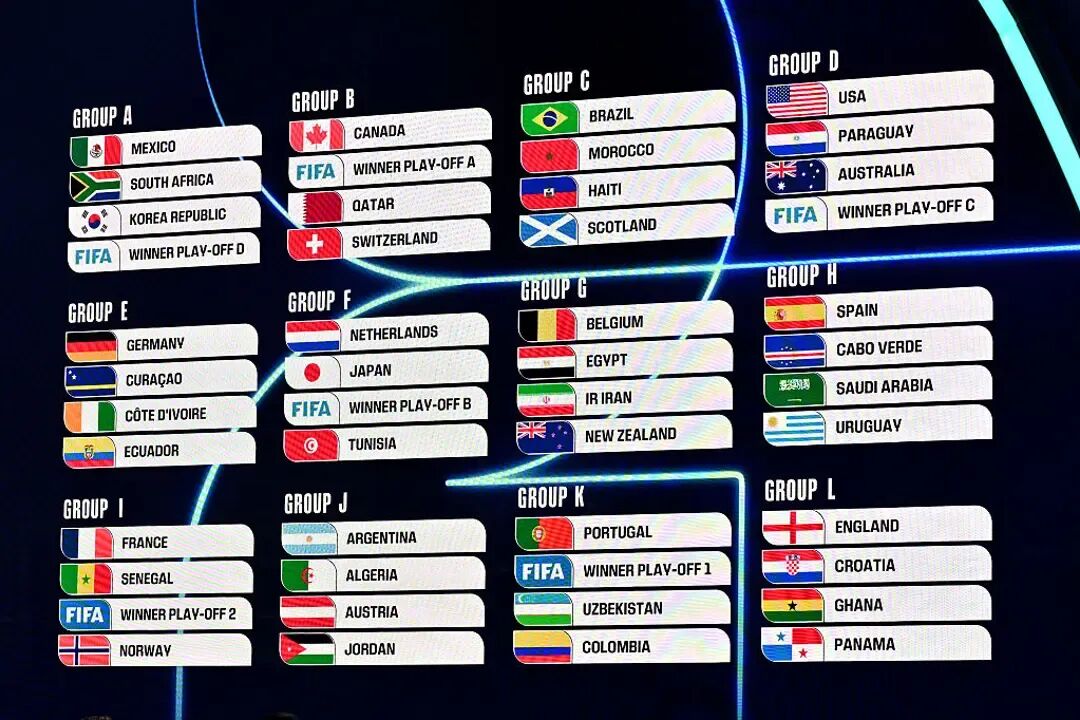
Norway, returning to the World Cup after 28 years, boasts the highest-valued player in Erling Haaland at €200 million, with a total squad value of €600 million, placing them in the top 10. Who would dare call them a "weak newcomer" rather than a potential quarterfinal contender? Spain was already held to a draw by Iraq, which returned to the World Cup after 40 years. Who would underestimate these unfamiliar faces long absent from the tournament? Moreover, with the third-placed group finishers also having a chance to advance, and knockout stages being a breeding ground for surprises, this World Cup will see underdogs challenging favorites as the norm.
However, the expanded format means that more than 160 star players from traditional powerhouses will be competing in major tournaments for three consecutive summers. Coupled with fatigue from the just-concluded intense league campaigns and European competitions, along with a shorter pre-World Cup rest period and an increased number of matches, this tournament is destined to be the most exhausting yet. With only a 48-hour break between group-stage matches and no rest before the knockout rounds, combined with North America's summer heat, humidity, extreme thunderstorms, and long-distance travel between venues, players' stamina will be pushed to the limit under extreme conditions. This World Cup is essentially an amplified version of last year's Club World Cup, resulting in unprecedented physical and mental exhaustion for the players.
The total value of all 48 teams reaches €17.4 billion, with France, England, Spain, and Portugal each exceeding €1 billion. Haaland, Yamal, and Mbappé—three "€200-million men"—lead the charge, making this the most expensive World Cup ever. But the high price extends beyond player values to include record-breaking broadcast rights and commercial revenue touted by Gianni Infantino, as well as soaring ticket prices and accommodation costs driven by dynamic pricing. FIFA predicts this World Cup will generate over $80 billion in global economic output. Yet, compared to Qatar 2022, ticket prices have surged several times or even dozens of times, putting the event out of reach for most ordinary fans. What should be a World Cup for the people has become a "cash cow" for FIFA and ticket scalpers.
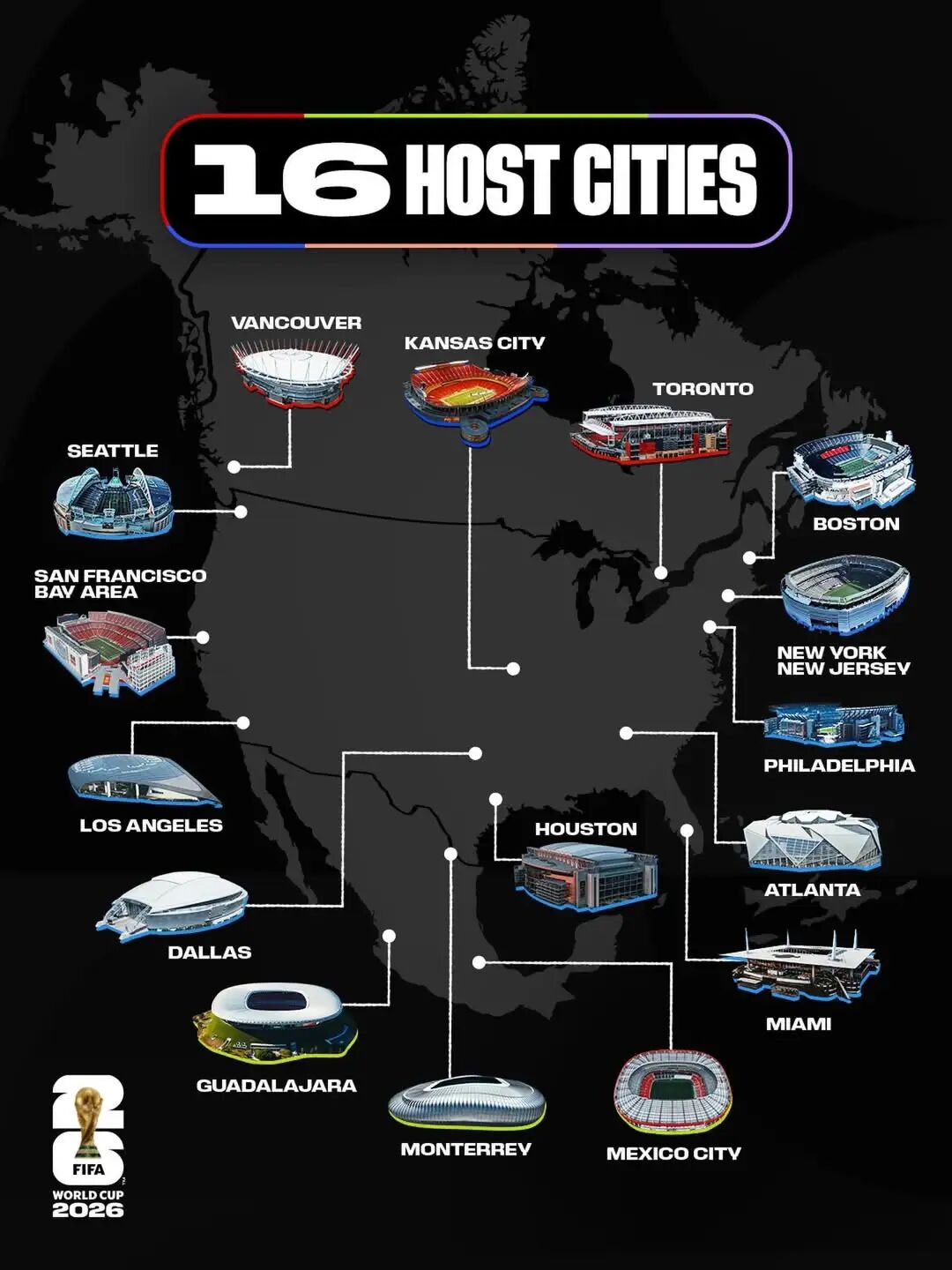
With a maximum geographical distance of 4,500 kilometers, 16 cities across 4 time zones, and team travel distances of up to 28,000 kilometers, players will endure the mild climate of Canada's west coast, the heat and humidity of the United States, and the high-altitude heat of Mexico. This is the first World Cup to be hosted by nearly an entire continent. In a sense, due to the unprecedented expansion of geographical and climatic boundaries, this tournament is transforming football into a 39-day "triathlon."
Regardless, the U.S.-Canada-Mexico World Cup ultimately achieves unprecedented global coverage and maximized commercial value. It is an unparalleled global football carnival and a massive tourism and cultural celebration spanning 48 countries (and regions). Where is the upper limit of large-scale sporting events that a shared human destiny can sustain? And where is the boundary of football's global expansion? On June 11 in North America, the answers will begin to unfold.


Wonderfulshortvideo

raphinha assist today lamine yamal goal today brace today vs levante



Follow for more pokemon content! So what do I do with them now?…

arda guler assist today guler vs rayo vallecano mbappe goal today jude bellingham goal today
Cristiano Ronaldo and Al Nassr vs Al Khaleej
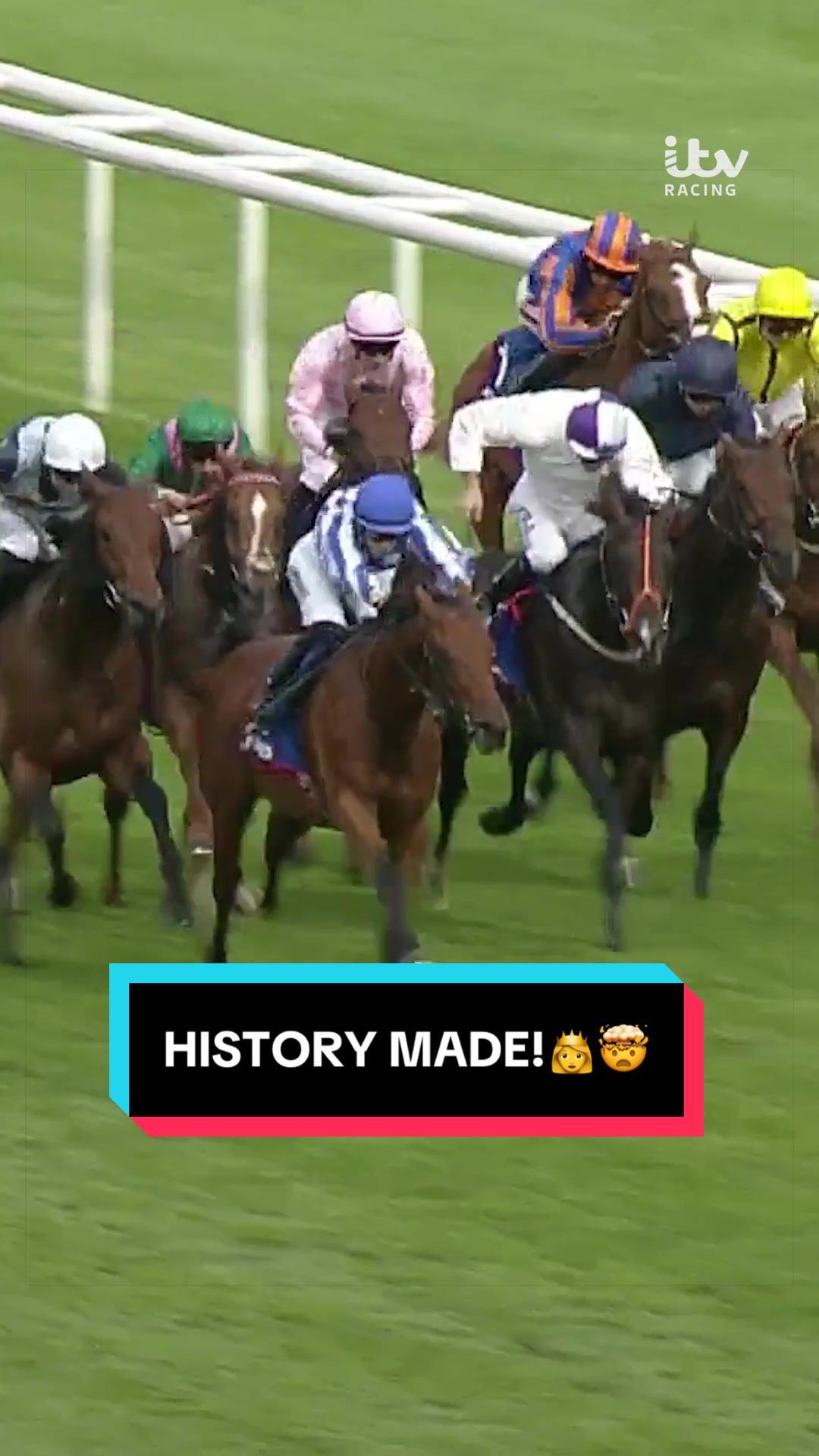
HIGHWAYMAN WINS THE BETFRED ST LEGER! 🏆
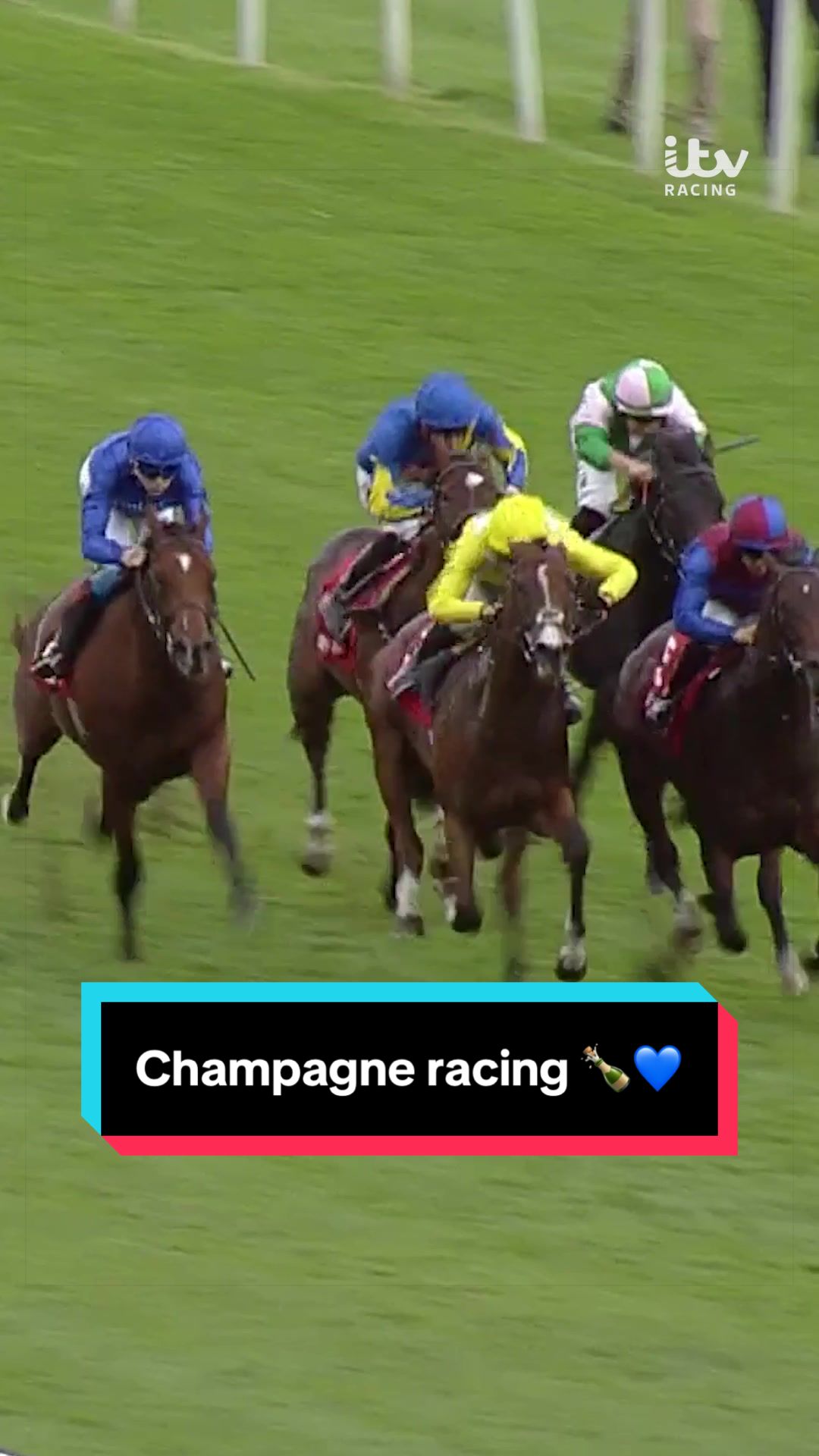
DESERT CASTLE DOMINATES! 🏆🍾

mbappe ballon d'or interview lequipe mbappe edit mbappe interview
 Links
Links
 Contact
 App
App


