



World Cup 2026: When team colors and jerseys are sold on the sidewalks



In a warehouse in Mexico City, dozens of bundles packed with fake national team jerseys are piled up. Each bag is marked with the phrase "confiscated goods," reflecting the growing scale of the counterfeit market ahead of the world's biggest football festival.
According to data from Mexico's anti-counterfeiting agency, authorities have seized over 105,000 copyright-infringing products in the last three months alone, with an estimated total value of about $1.3 million. Most inspections have focused on the historic center of Mexico City, which is expected to host hundreds of thousands of fans during the World Cup.
At the storage facility of the Mexican Institute of Industrial Property (IMPI), unopened bags filled with seized jerseys are marked with labels such as "50 Adidas," indicating counterfeit products imitating the famous sportswear brand that produces official jerseys for the Mexican team.
Mr. Jose Eduardo Saavedra, IMPI coordinator, stated that businesses under inspection must prove their legal right to use logos, trademarks, or provide documents confirming the genuine origin of products. However, despite repeated crackdowns, the counterfeit jersey market remains highly active.
It is not hard to explain this situation. The 2026 World Cup is becoming one of the most expensive tournaments in history. Ticket prices have risen sharply, while official jerseys of many national teams are also beyond the financial reach of most fans.
On streets in central Mexico City, jerseys of Mexico, Argentina, and Colombia are openly sold for as little as $10–$20, equivalent to one-tenth the price of authentic ones. "I really want a Mexico team jersey to cheer for them when they win the World Cup," said Jorge Ruiz, a 27-year-old engineer, smiling after buying two fake jerseys for about $40.
According to him, an authentic jersey using modern moisture-wicking technology costs nearly $200. Ruiz shared: "That price might suit die-hard fans, but not me. I just want to wear it during the World Cup to join the football atmosphere with everyone."
To deal with inspections, many street vendors have become increasingly cunning. Instead of displaying items openly, they approach customers with quiet offers, hide products in bags or under other stalls, and only take them out when buyers are genuinely interested. In fact, according to local reports, there have been cases where vendors take payment upfront and then "disappear" without delivering the goods.
An anonymous female vendor said that all her jerseys were confiscated in a recent raid. However, just a few days after authorities left, she quickly restocked to continue business. Currently, low-quality jerseys are sold for about $14, while more elaborately made versions, which are hard to distinguish from genuine ones, cost nearly $40.
Not only in Mexico City, but anti-counterfeiting campaigns are also underway in the other two co-hosting cities, Guadalajara and Monterrey. Yet, as the opening day draws nearer, fans' shopping demand continues to surge, creating more opportunities for the counterfeit market to thrive.
"Of course, the quality isn't exactly the same as the real ones, but it's really close," said Emanuel Diaz, a 25-year-old bartender in Mexico City, after examining the jerseys displayed on the street.
While FIFA and major sportswear brands strive to protect copyrights, the reality in Mexico reveals a familiar paradox of every World Cup: the closer the ball rolls, the more popular unofficial jerseys become. Because for many fans, what matters most is not whether the jersey comes from an official store or a sidewalk stall, but the feeling of wearing their favorite team's colors and immersing themselves in the passionate atmosphere of the World Cup.


Wonderfulshortvideo
raphinha assist today lamine yamal goal today brace today vs levante


Follow for more pokemon content! So what do I do with them now?…
arda guler assist today guler vs rayo vallecano mbappe goal today jude bellingham goal today
Cristiano Ronaldo and Al Nassr vs Al Khaleej
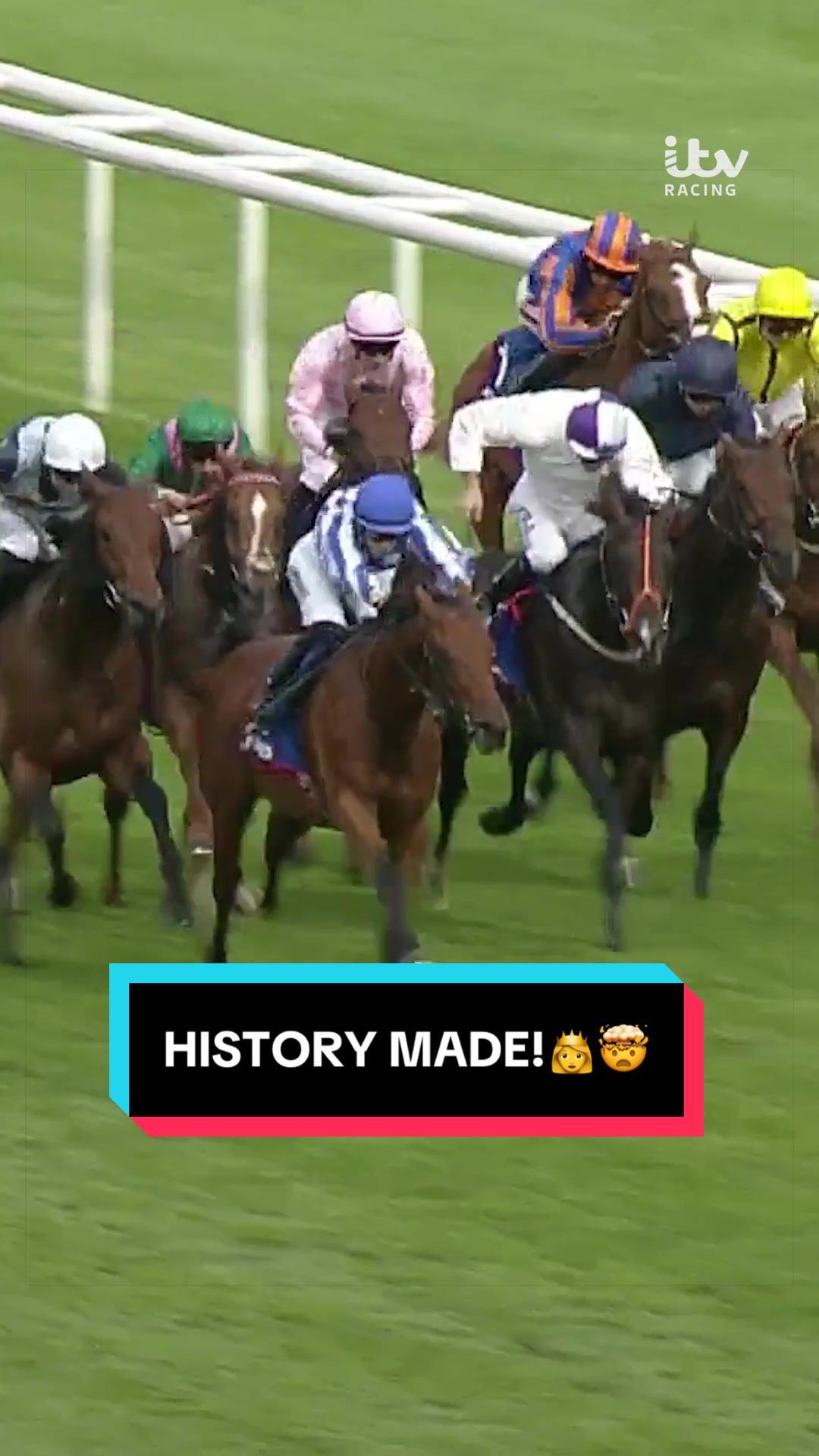
HIGHWAYMAN WINS THE BETFRED ST LEGER! 🏆
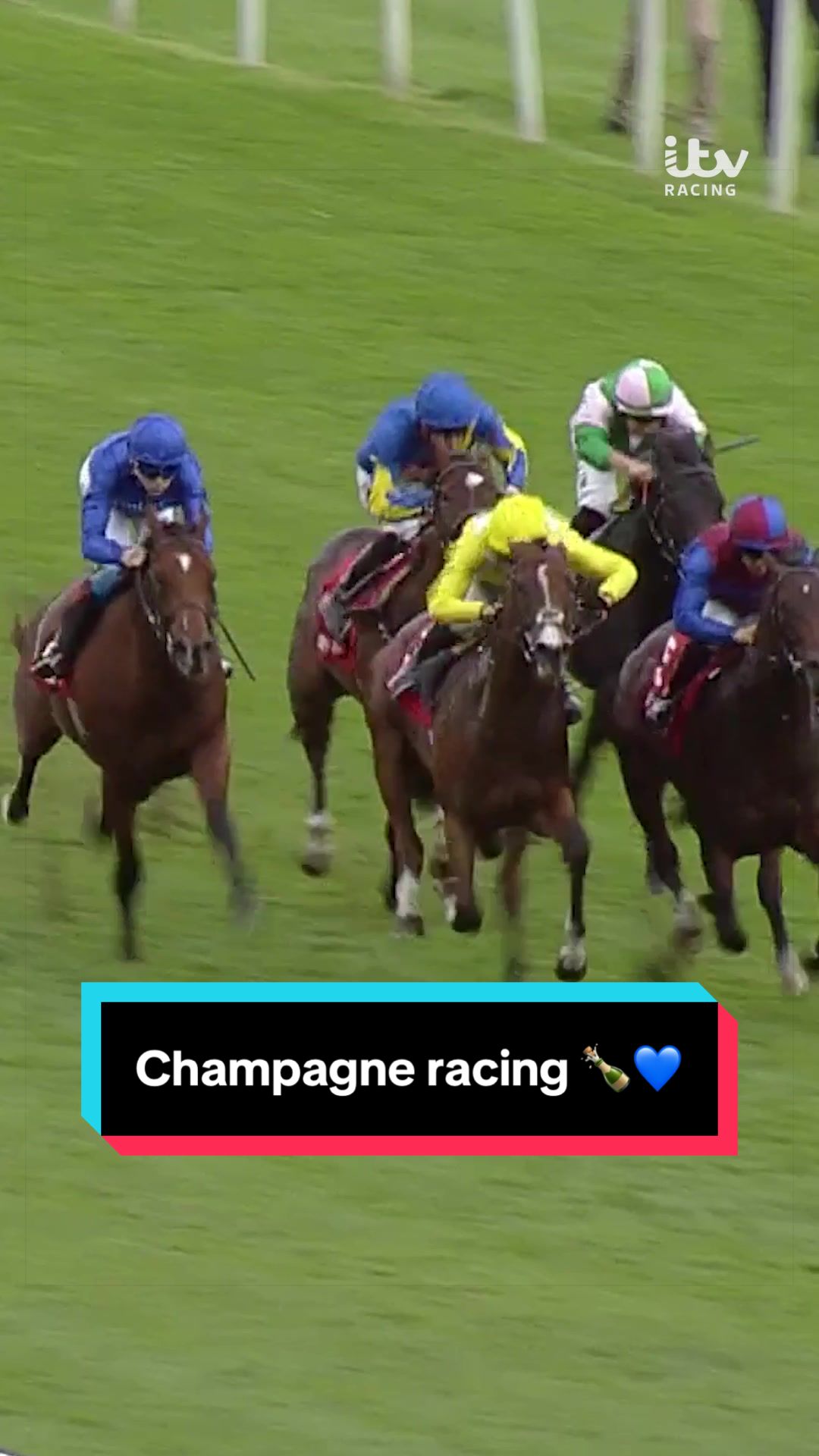
DESERT CASTLE DOMINATES! 🏆🍾

mbappe ballon d'or interview lequipe mbappe edit mbappe interview
 Links
Links
 Contact
 App
App


