



The World Cup and FIFA's Financial Flow


As the ball rolls across North America, few notice that behind every match lies a massive financial machine in motion. The 2026 World Cup is projected to generate a record total revenue of nearly $9 billion for FIFA, including $3.9 billion from TV rights, $1.78 billion from commercial sponsorship, and over $3 billion from tickets and logistics. This makes it the single most profitable sporting event in human history.
But the thought-provoking story lies in how that money flows. FIFA doesn't keep all of it. For the 2026 World Cup, the organization allocates $871 million to the 48 participating member football associations, a 50% increase compared to Qatar 2022. Each team receives $2.5 million in preparation funds, $10 million for participating, and over $16 million in additional support payments. This does not include the $355 million paid to clubs that released their players.
For the 211 member associations not participating, FIFA still distributes $1.5 million every four years through the FIFA Forward 3.0 program, bringing the total development budget for the 2023-2026 cycle to $2.25 billion. Vietnam is one of the beneficiaries: FIFA Forward has invested $2.7 million in Vietnam's football infrastructure, upgrading lighting systems, training fields, medical equipment, and accommodations for national teams.
In many cases, FIFA's support has become the most stable source of funding a football association can access. In Asia, Africa, or the Caribbean, numerous football associations operate heavily dependent on this money. Training centers, practice fields, youth development programs, and grassroots tournaments are built from the funds generated by the World Cup.
Seen in this light, the World Cup is not just a tournament. It is the largest investment fund in global football.
However, money alone has never been sufficient to build a strong football nation. Look at Malaysia, a football community with close ties to FIFA and the AFC (Asian Football Confederation). Just this week, the Football Association of Malaysia (FAM) experienced one of the stormiest weeks in its history. The audit results conducted by the AFC and FIFA since February 2026 revealed that FAM scored below 2 out of 5 in most categories: governance, legal, finance, and football development. Remarkably, FAM has not had an annual budget plan since 2016. Now FAM has only two years to restructure if it wants to avoid losing FIFA funding.

The 2026 World Cup is projected to generate a record total revenue of nearly $9 billion for FIFA. Photo: Xinhua News Agency
Former FAM President and FIFA Council member Hamidin Amin stated: "All countries that go to the World Cup have governance issues; FAM is not alone." In essence, they made it through the quality of their players, but for those without that advantage, good governance becomes even more critical.
The lesson from Malaysia is clear: World Cup money does not automatically turn a football nation into a "winning machine." Without a system capable of absorbing and using it effectively, it can foster stagnation or even corruption. While FIFA's support in the past focused mainly on infrastructure and technical development, governance is now becoming an equally important criterion.
Modern football demands not only better players or superior coaches. It also requires professionally managed organizations. A training center can be built with funding. A youth tournament can be organized with support budgets. But a sustainable football culture is created only when those resources are used efficiently and transparently.
For many countries dreaming of the World Cup, including Vietnam, this is perhaps the most crucial lesson.
The expansion of the 2026 World Cup to 48 teams has made the door to the world's biggest football event wider than ever. However, getting closer to the World Cup is no longer solely a matter of tactics, youth development, or player naturalization. It is also a race for governance capacity, for building a football ecosystem strong enough to turn investments into tangible results.
Money from FIFA can pave the way. The World Cup can inspire. But the distance from financial support to a World Cup ticket remains a long journey.


Wonderfulshortvideo

raphinha assist today lamine yamal goal today brace today vs levante


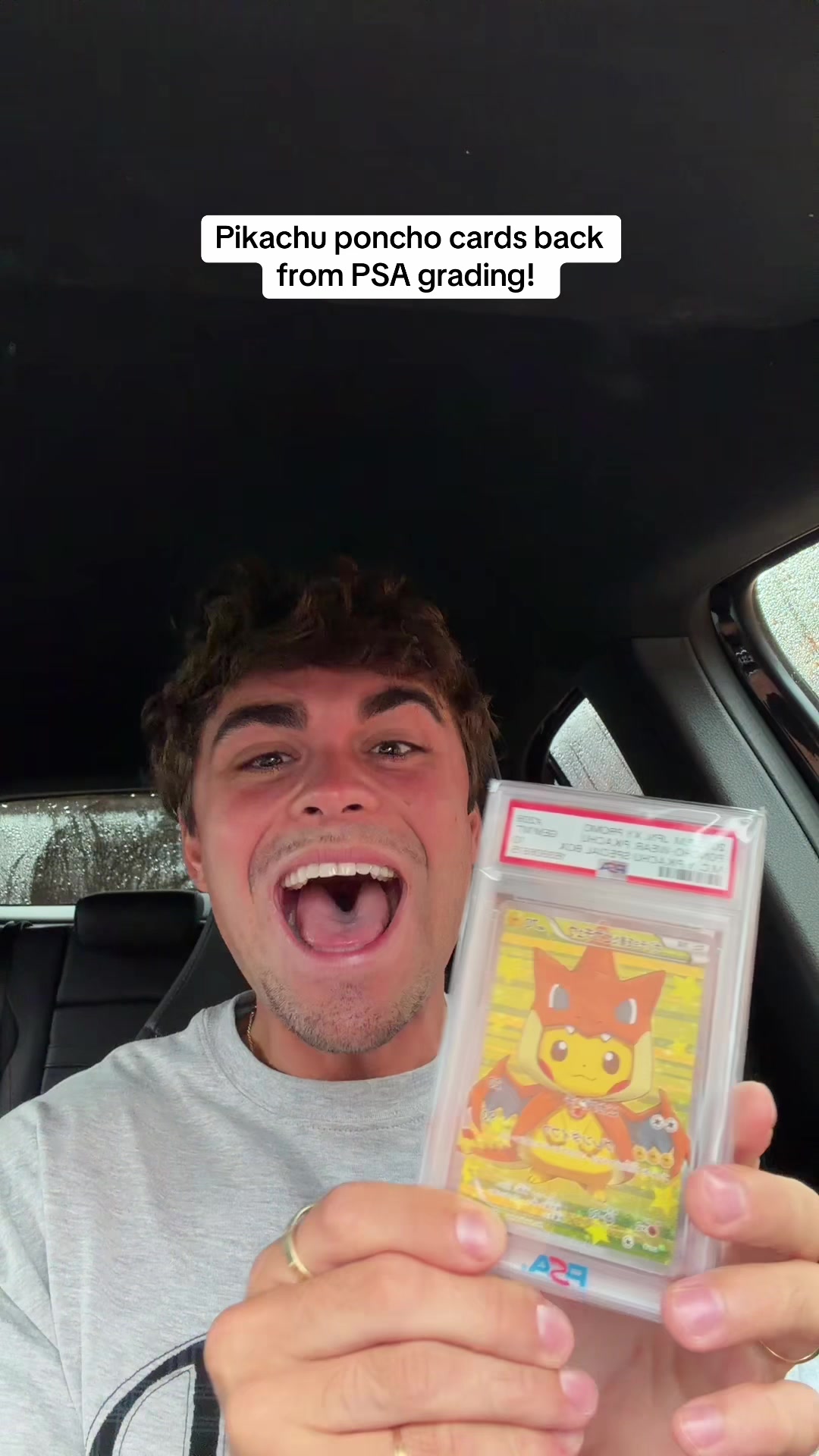
Follow for more pokemon content! So what do I do with them now?…

arda guler assist today guler vs rayo vallecano mbappe goal today jude bellingham goal today
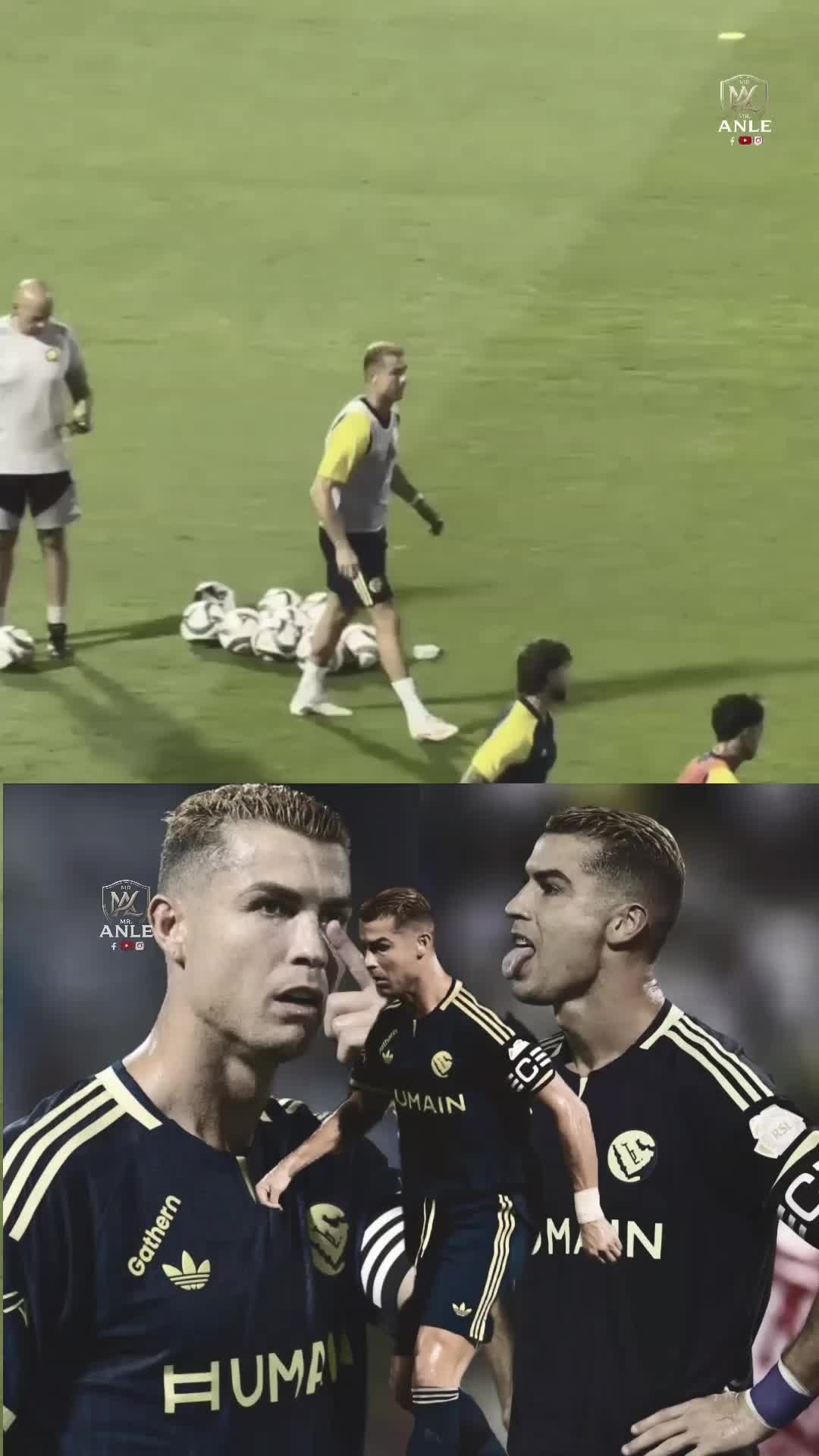
Cristiano Ronaldo and Al Nassr vs Al Khaleej
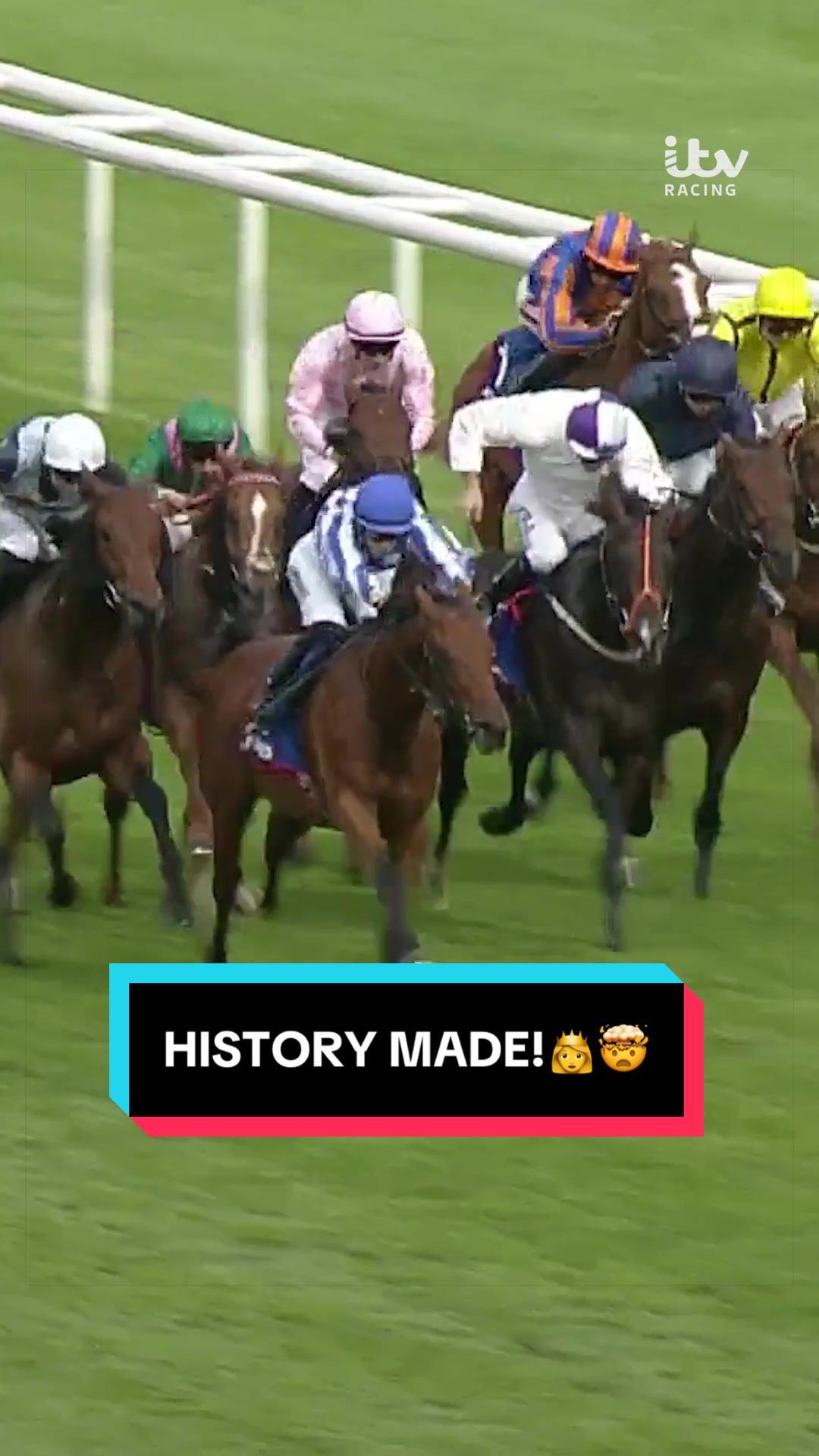
HIGHWAYMAN WINS THE BETFRED ST LEGER! 🏆
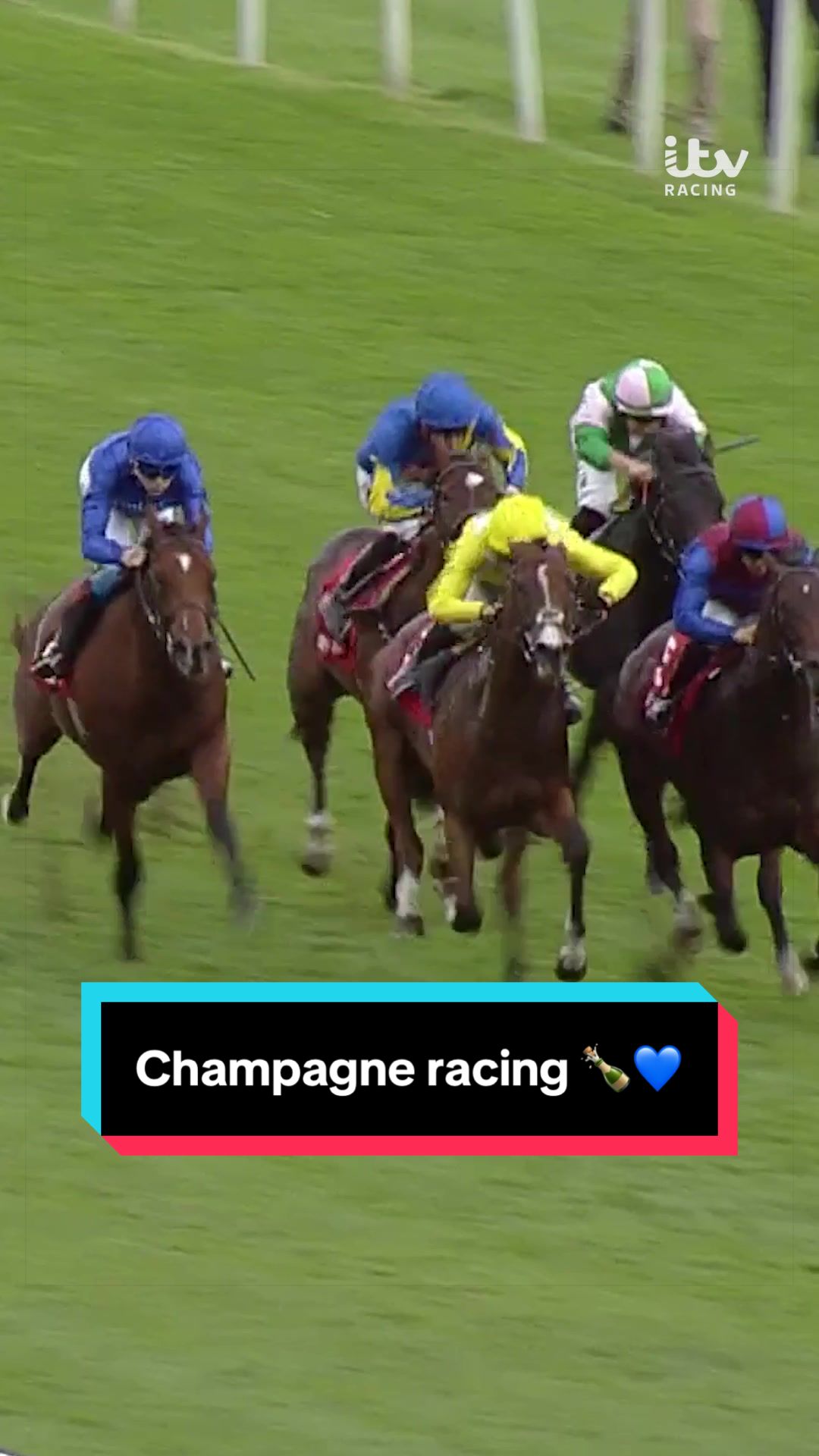
DESERT CASTLE DOMINATES! 🏆🍾

mbappe ballon d'or interview lequipe mbappe edit mbappe interview
 Links
Links
 Contact
 App
App


