



Three arrows fired, double kill over Tajikistan: Have the U23 national team solved their "finishing" problem?



Journalist Lu Mi reports On June 9, the U23 men's team, gearing up for the Hangzhou Asian Games, played its second match against Tajikistan and secured a convincing 3-0 win through fluid offense. In contrast to the first encounter, which ended with a hard-fought 1-0 win in the dying moments, this game saw the team dominate comfortably, with the majority of players getting on the pitch to gain experience for the Asian Games.
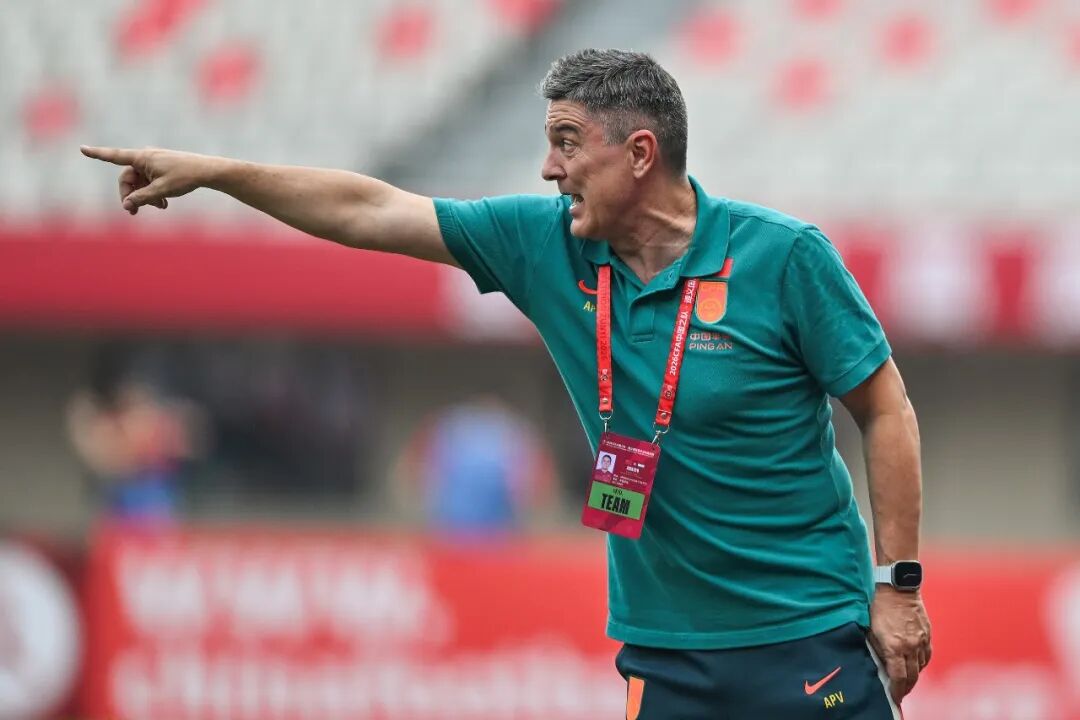
Compared to the first leg, head coach Antonio made ten changes to the lineup, keeping only Bao Shengxin. In the previous match, despite having the upper hand, the team only sealed the win in the final minute, highlighting ongoing issues with their finishing ability.
Right from the start, the U23 national team pressed forward aggressively. Through a series of coordinated plays, before Tajikistan could react, Mutalipu had already changed the scoreline.

A clear change in this match was the team's greater diversity in attack, resolving previous difficulties in breaking down defenses during set-piece situations. The combination of short and long passes posed a significant threat. Facing Tajikistan's packed defense, the players showed excellent on-the-spot adaptability. On one hand, they frequently utilized wide breakthroughs and crosses, combined with tall players attacking the center, to pressure the opponent's backline—targeting their slow turning and weak aerial defense, repeatedly creating chances. On the other hand, the midfield consistently delivered precise, wide-range lateral passes to shift the opposition's defense, opening up gaps and disrupting their formation.
It can be said that throughout the match, the U23 national team fully controlled the offensive initiative, leaving the opponents on the back foot and scrambling to keep up.
Long balls—"kicking it long"—are not uncommon in Antonio's tactics. In this game, building on long passes, the team maintained intense high pressing in the final third, which was one of the key highlights of the victory. Starting from the forward line, they applied pressure layer by layer, won the ball back quickly, and precisely cut off the opponent's passing routes from the back. This led to multiple chances created from high turnovers. Compared to the first match, the players' tactical execution and running intensity were significantly improved.
At the same time, the set-piece routines specifically refined before the match proved highly effective, particularly from corners. The third corner-kick routine led to the second goal, fully demonstrating the meticulous preparation by Antonio's coaching staff.

A sharp increase in goal conversion rate was the most visible improvement of the match. In the first game, the U23 team had possession dominance and far more shots, but lacked finishing quality. In this match, their attacking firepower was fully unleashed. In the opening phase, Mutalipu scored with a clever run to break the deadlock; then Zhang Aihui seized an opportunity to extend the lead; in the second half, Mutalipu won a penalty, and substitute Xiang Yuwang calmly converted to seal the victory. The three goals covered both open play and set-piece scoring methods. Additionally, the team kept clean sheets in both matches, sticking to Antonio's trademark solid defensive system.
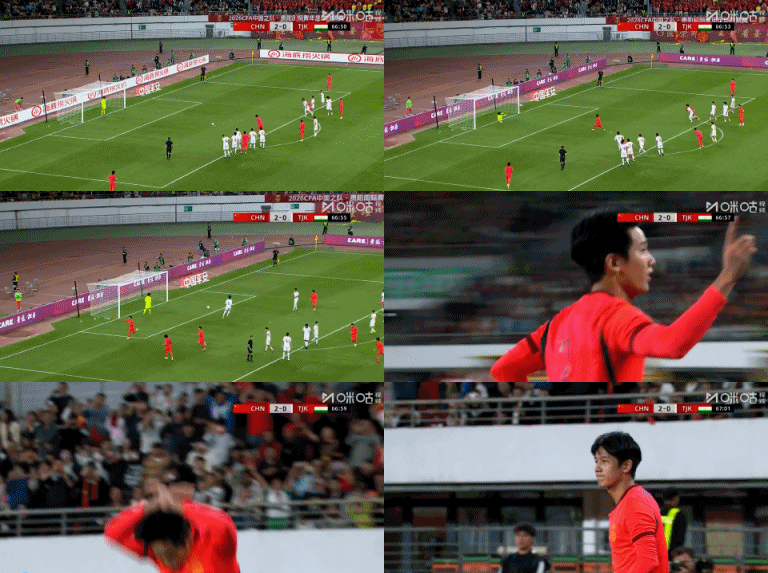

Overall, from the Xi'an invitational to the Guiyang warm-up, the U23 men's team has shown progress, achieving the goals of practice and error correction. Antonio's tactical system is gradually being refined through these friendlies.


Wonderfulshortvideo

raphinha assist today lamine yamal goal today brace today vs levante


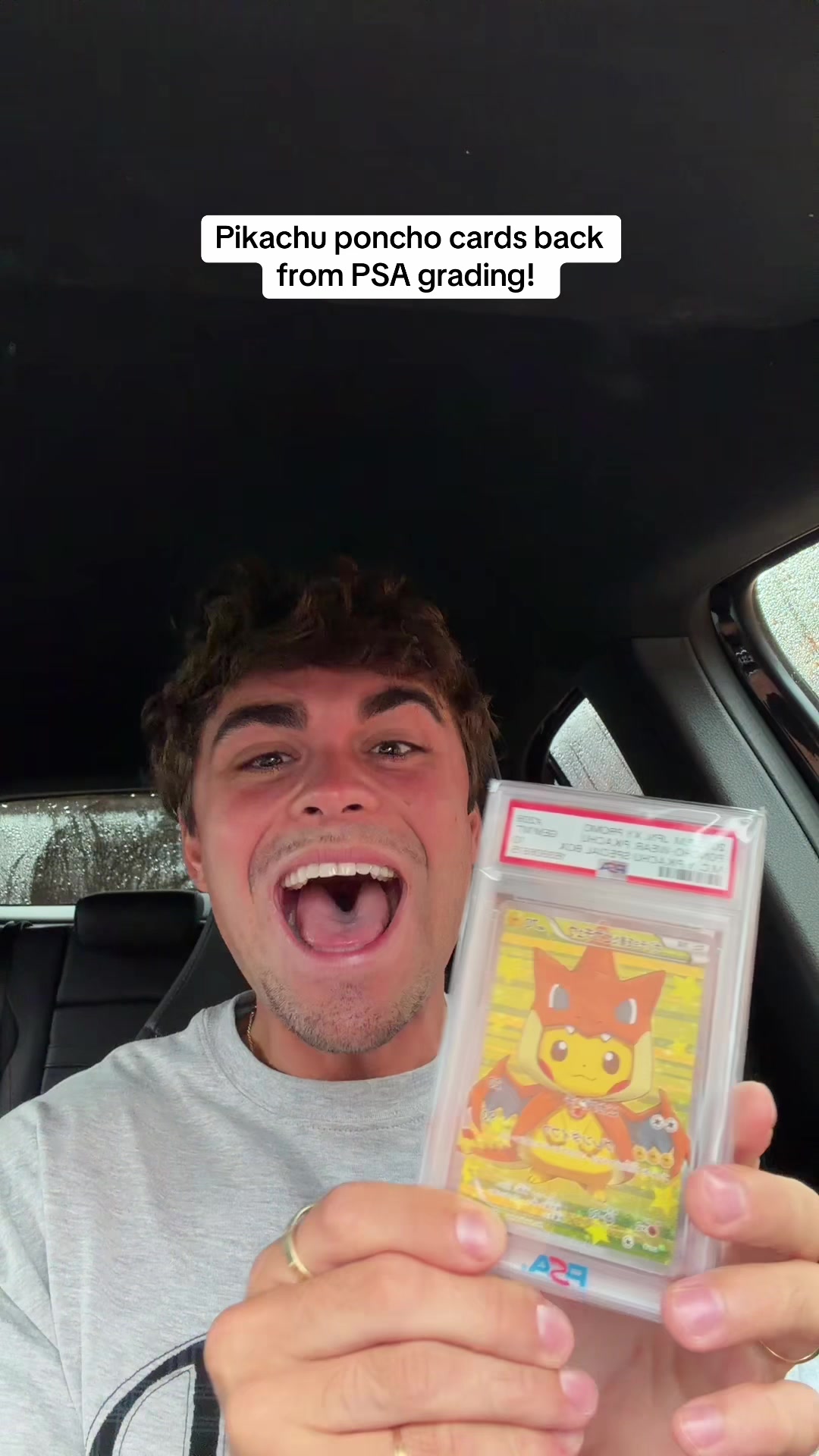
Follow for more pokemon content! So what do I do with them now?…

arda guler assist today guler vs rayo vallecano mbappe goal today jude bellingham goal today
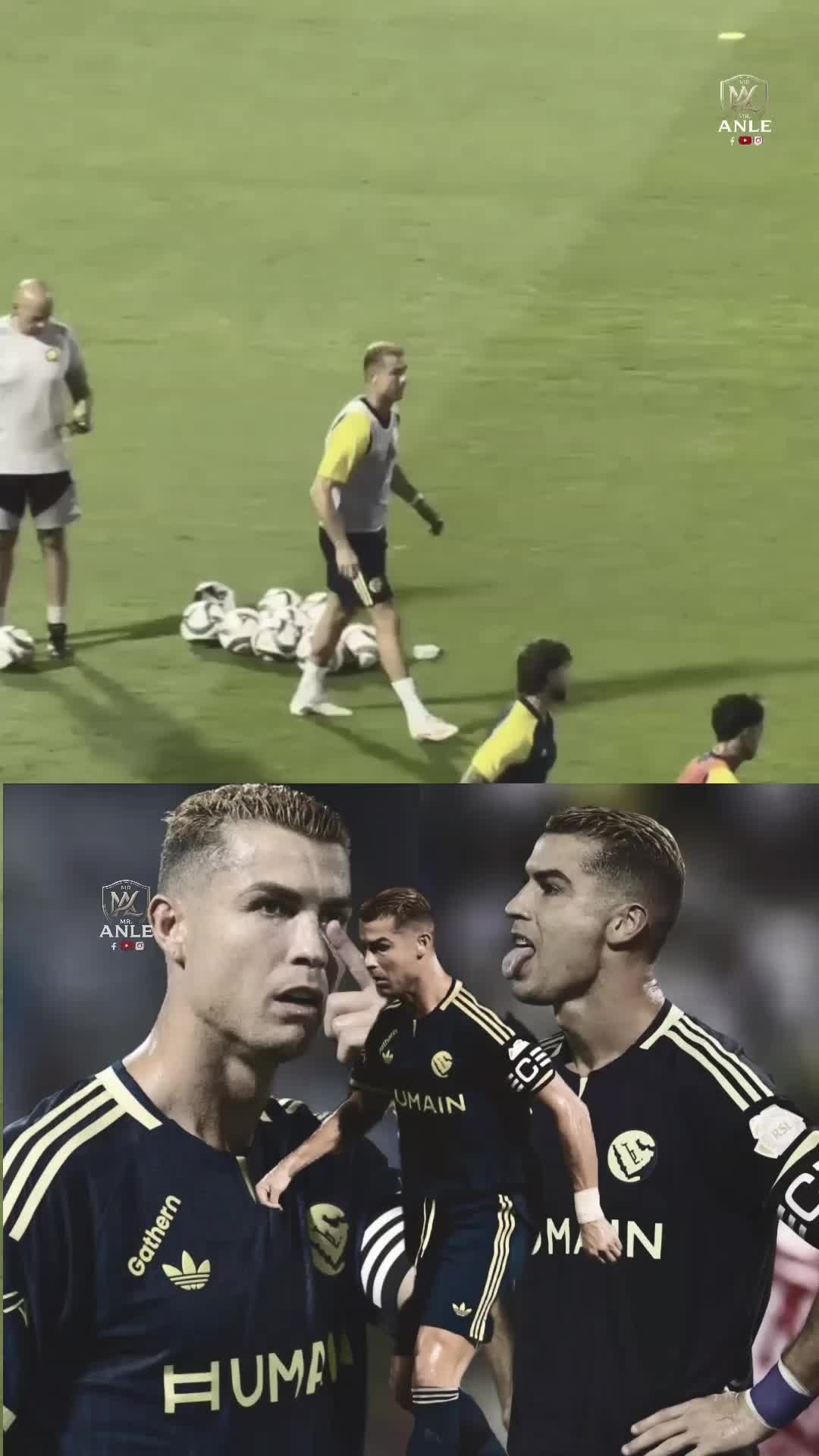
Cristiano Ronaldo and Al Nassr vs Al Khaleej

HIGHWAYMAN WINS THE BETFRED ST LEGER! 🏆

DESERT CASTLE DOMINATES! 🏆🍾

mbappe ballon d'or interview lequipe mbappe edit mbappe interview
 Links
Links
 Contact
 App
App


